Overview
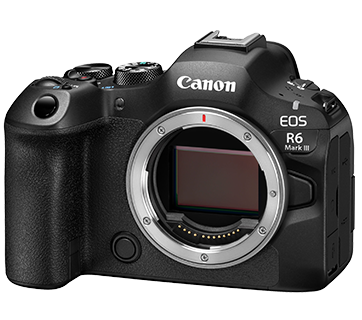
The Canon EOS R6 Mark III positions itself as a premium, full-frame mirrorless camera squarely aimed at hybrid creators—those who demand high performance in both photography and videography. Building on the strengths of its acclaimed predecessors, the R6 Mark III introduces a new 32.5-megapixel sensor, 40 fps burst shooting, advanced autofocus, and expanded video features like 4K 120p and 7K open-gate recording. These specs place the R6 III at the intersection of speed, resolution, and flexibility, making it equally at home with sports photographers, event shooters, and solo filmmakers.
Within Canon’s rapidly evolving mirrorless lineup, the R6 Mark III stands as a versatile and feature-rich option for enthusiasts and professionals not quite needing the extremes of the R5 or R3. While the price point ($2799 USD) and rich feature set signal Canon’s continuing push into the hybrid and video shooter market, the camera retains a strong appeal for demanding still shooters thanks to its improved image quality, refined autofocus, and robust build. However, it’s not without compromises—particularly around extended video use and storage configuration—which buyers will want to consider.
Image Quality
Canon’s decision to move to a 32.5MP full-frame sensor significantly impacts the R6 Mark III’s image output. This is a notable jump from its predecessor, bringing a welcome balance between fine detail and manageable file sizes. In real-world use, this sensor produces richly detailed images, offering greater latitude for cropping in post and ensuring generous detail retention—something users praised in landscape and wildlife shooting.
Dynamic range is excellent, with smooth tonal transitions and recoverable highlights and shadows, facilitating flexibility for post-processing. Canon’s color science continues to excel, delivering vibrant but natural colors across skin tones and difficult lighting environments. JPEGs out of camera look pleasing, and RAW files offer plenty of latitude for manipulation.
Low-light performance is a highlight: thanks to the sensor’s sensitivity (native ISO 100–102400, expandable to 204800), noise is well-controlled up through ISO 12800 and even 25600 in demanding situations. "Excellent low-light performance, with users reporting good results up to ISO 12800," as community feedback confirms. However, noise does become more apparent beyond that—expected for the sensor size and resolution—but remains competitive among full-frame peers.
Compared to similarly priced models like the Nikon Z6 III or Sony A7 IV, the R6 III is competitive on detail and color, although some reviewers note a marginal edge for Sony in base ISO dynamic range. The lack of a stacked sensor, however, means rolling shutter is a more evident concern during fast panning or for certain video scenarios.
What Users Say
32.5MP full-frame sensor provides improved resolution for detail retention in photos and cropping ability.
-- Reddit community
Excellent low-light performance, with users reporting good results up to ISO 12800.
-- Reddit community
Autofocus Performance
The EOS R6 Mark III inherits Canon’s class-leading Dual Pixel CMOS AF II system with a remarkable 4,897 selectable focus points. Its intelligent subject detection (humans, animals, vehicles) is lightning-fast and highly reliable, rivaling or surpassing the best on the market. Real-world shooting confirms the AF’s ability to lock onto and track erratically moving subjects—athletes, wildlife, children—with uncanny accuracy, even in low-contrast scenes.
The advanced subject tracking features (including eye, head, and face detection) are accessible even at the maximum 40fps burst rate—an impressive feat that makes the R6 III particularly adept at capturing critical moments. Users note, "Dual Pixel CMOS AF II offers exceptional subject tracking, especially for moving subjects," highlighting its suitability for sports and action shooters.
Continuous AF in video mode is equally impressive. Pulls and transitions are smooth, natural, and rarely lose track of intended targets. Coupled with back button AF improvements, including new customizations, the camera adapts to varied shooting styles. The system’s ease of use and reliability make it exceptionally approachable for those upgrading from older DSLRs or competing mirrorless brands.
Compared to the Sony A7 IV and Nikon Z6 III, Canon’s AF stands out for its flexibility and natural feel. While the sensor is not stacked—and therefore not quite immune to every type of subject or movement—the real-world impact is negligible for most users outside top-tier professional sports or wildlife applications.
What Users Say
Dual Pixel CMOS AF II offers exceptional subject tracking, especially for moving subjects.
-- Reddit community
User-friendly interface with customizable controls and back button focus enhancements.
-- Reddit community
Build Quality & Ergonomics
Canon continues its tradition of robust, ergonomic bodies, and the R6 Mark III is no exception. Weighing in at 699g and with dimensions closely mirroring the R6 II, the camera feels reassuringly solid yet comfortable even for extended shoots. The weather sealing is comprehensive, making the camera suitable for real-world professional use across a variety of challenging environments. One user remarked, "Weather-sealed body makes it suitable for outdoor shooting in various environments."
Button placement and general handling are classic Canon—intuitive, with direct access to critical controls that can be customized to the photographer’s preferences. The vari-angle touchscreen (3", 1.62m dots) is bright, responsive, and ideal for both video and creative stills work. The latest iteration offers improved menu logic and smoother touch response, pleasing both newcomers and seasoned Canon shooters.
The electronic viewfinder, while not the highest resolution in Canon’s lineup, delivers a natural, lag-free experience with accurate color reproduction. This is crucial when shooting in bright light or tracking fast-moving subjects, and the R6 III’s EVF is up to the task.
Some feedback centers on the IBIS system: while rated at an impressive 8.5 stops of shake reduction, a minority of users have observed unwanted wobble when using ultra-wide lenses, particularly noticeable in video work. Still, for most image stabilization needs—especially with longer lenses or in low light—the system is highly effective.
What Users Say
Weather-sealed body makes it suitable for outdoor shooting in various environments.
-- Reddit community
Some users reported undesirable effects like wobble with IBIS (In-Body Image Stabilization) when used with wide-angle lenses.
-- Reddit community
Video Capabilities
Video is where the R6 Mark III makes its boldest statement. The ability to record 4K video at up to 120p—oversampled from 7K open-gate footage—places it among the most flexible hybrid cameras available. Open gate recording provides extensive cropping and reframing options for advanced editing workflows, directly answering the needs of content creators who require maximum flexibility in post-production.
Color depth, detail, and dynamic range in video modes have all been improved over prior generations. Users consistently mention, "Open Gate recording at up to 7K allows for extensive cropping flexibility in video production," and "Improved dynamic range in video and stills, enhancing overall image quality." Autofocus during video matches the performance in stills and is smooth, reliable, and sticky even with difficult or fast-moving subjects.
However, pro users will need to be mindful of one major limitation: overheating. Multiple reports confirm the camera becomes hot during prolonged high-resolution or high-frame-rate recording, limiting continuous use for longer video sessions. As a Redditor in r/videography put it: "The overheating issue is real, especially in 4K, which could limit your use in long video sessions."
Canon includes features like C-Log and high bit-rate codecs, and the camera’s 8.5 stop IBIS helps enable hand-held shooting, though as noted earlier, IBIS-induced wobble can sometimes impact footage when using certain lenses. Overall, while the R6 III is a significant step forward for video-focused creators, some professional shooters may hit the limitations posed by thermal management in demanding production environments.
What Users Say
Open Gate recording at up to 7K allows for extensive cropping flexibility in video production.
-- Reddit community
The overheating issue is real, especially in 4K, which could limit your use in long video sessions.
-- Reddit community
Improved dynamic range in video and stills, enhancing overall image quality.
-- Reddit community
Battery Life & Storage
Battery life on the EOS R6 Mark III is solid, though not class-leading. Real-world usage sees a typical battery lasting through a full day’s moderate stills shooting or several hours of mixed stills and video work, thanks to Canon’s familiar LP-E6NH battery platform. Video shooters or those using high burst rates will want to pack spare batteries, particularly for extended shoots.
Storage is a more divisive aspect of the Mark III’s design. The camera offers one CFexpress Type B slot and one UHS-II SD slot. While the CFexpress slot is essential for the highest bit rate video and fast bursts, the inability to run dual CFexpress limits simultaneous backup and maximum sustained write speeds. As some community members observe, "Single CFexpress Type B slot alongside an SD card slot restricts high-speed data transfer options."
Most users will find the system sufficient for typical workflows, but this setup can be restricting for professional videographers accustomed to redundant backup or those who require maximal buffer clearing speed for long, high-frame-rate bursts. For stills shooters, however, performance and speed are rarely limiting factors, and the presence of SD support increases card flexibility and lowers operational costs.
Overall, compared to competitors like the Sony A7 IV, the R6 III’s storage approach feels a touch less futureproof for top-tier professional users, but strikes a sensible balance for most who prioritize versatility and cost.
What Users Say
Single CFexpress Type B slot alongside an SD card slot restricts high-speed data transfer options.
-- Reddit community
Value for Money
At $2799 USD (body only), the Canon EOS R6 Mark III enters its market segment with a premium but not unattainable price. The substantial jump in sensor resolution, burst rate, and video features represent real advantages over entry-level full-frame options and make a strong case for advanced enthusiasts, hybrid shooters, and working pros considering the R6 III as an all-in-one solution.
However, a significant portion of the community is divided on whether the upgrades justify upgrading from the R6 Mark II or even earlier R-series models, especially for strictly stills-focused photographers. As one user commented, "For anyone purely into stills photography, I don’t think the upgrades are significant enough to warrant a switch."
The lack of a stacked sensor—"The lack of a stacked sensor at this price point feels like a missed opportunity"—is a notable omission, particularly as rivals like the Sony A7 IV and Nikon Z6 III offer compelling feature sets at similar or even lower price points. Furthermore, the overheating concerns in video modes mean some hybrid shooters may look elsewhere if long-form video is a primary need.
Ultimately, the R6 III is a potent hybrid camera offering in today’s landscape, but its pricing and feature focus on video make it an especially good fit for creators needing both advanced stills and robust video, rather than those with a narrower focus.
What Users Say
For anyone purely into stills photography, I don’t think the upgrades are significant enough to warrant a switch.
-- Reddit community
The lack of a stacked sensor at this price point feels like a missed opportunity.
-- Reddit community
Canon is pushing hard into the video market, which has made their recent models more video-focused.
-- Reddit community
Key Specifications
| ISO Range | Yes, 100-102400 (expands to 204800) |
| Stabilization | 8.5 stop(s) |
| Viewfinder | Electronic |
Pros & Cons
Pros
- 32.5MP full-frame sensor provides outstanding detail and cropping ability
- Excellent low-light performance up to high ISO values
- Industry-leading Dual Pixel CMOS AF II system with advanced subject tracking
- Impressive 40fps burst captures fast action effortlessly
- 4K 120p video and 7K open-gate recording
- Effective 8.5-stop IBIS for both photo and video
- Robust weather-sealed body for versatile field use
- User-friendly ergonomics and highly customizable controls
Cons
- Sensor is not stacked, limiting performance in fast Pro workflows
- Overheating issues during long 4K video recordings
- Single CFexpress B slot limits high-speed backup and buffer clearing
- IBIS can cause wobble artifacts with certain wide-angle lenses
- Price is high relative to some competitors given sensor tech
- Upgrades less compelling for strictly stills-oriented shooters
- No built-in fan or enhanced thermal design for video
Verdict
Canon EOS R6 Mark III
The Canon EOS R6 Mark III is an accomplished, ambitious hybrid camera that successfully raises the bar for Canon’s mid-tier full-frame range. Its substantial leap in resolution, high burst rate, and advanced autofocus make it a serious tool for fast-paced stills, while open-gate 7K and 4K 120p recording, paired with improved dynamic range, build a strong case for serious video creators. For hybrid shooters—those who demand equal excellence in both photos and movies—few cameras deliver this breadth of features in as cohesive a package.
There are a few crucial caveats. Still photographers considering an upgrade solely for image quality may find the incremental improvements insufficient compared to the cost. Professional video users will need to manage the camera carefully to avoid overheating, especially during long 4K sessions, and may be frustrated by the storage limitations.
Buy the R6 Mark III if you want high-resolution stills, class-leading autofocus, and advanced video potential all in a weather-resistant, ergonomic Canon body. Those who require the fastest sensor readout, demand unlimited high-res video capture, or shoot only stills and are happy with their current system should weigh their needs carefully.
Frequently Asked Questions
Is the Canon EOS R6 Mark III worth upgrading from the R6 Mark II?
If you’re a hybrid shooter or require higher resolution, the R6 Mark III’s improved sensor, faster burst, upgraded autofocus, and expanded video features represent a significant upgrade. However, for dedicated stills shooters, the improvements may be more incremental, making the upgrade less compelling unless you specifically need the new capabilities.
Does the R6 Mark III overheat when recording video?
Yes, extended 4K or high-frame-rate video recording can lead to overheating, restricting continuous recording times. For casual or shorter clips this is rarely an issue, but professional video shooters planning long, uninterrupted sessions should take precautions or consider alternatives.
How effective is the In-Body Image Stabilization (IBIS)?
The IBIS system is rated at up to 8.5 stops and generally works exceptionally well for both stills and handheld video. However, when paired with some wide-angle lenses, users have reported visible wobble or distortion in video footage—something to be aware of if you frequently use wider focal lengths.
Can I shoot high-bitrate video to both cards simultaneously?
No, only the CFexpress Type B slot supports the highest bitrate video recording. Simultaneous recording to both cards is possible at lower settings, but not for all video configurations, limiting professional data redundancy in some workflows.
Is the camera suitable for outdoor professional use?
Yes, the weather-sealed body and robust construction make the R6 Mark III suitable for professional use in challenging field conditions, including event, wildlife, and sports photography.
How does autofocus compare to Sony and Nikon rivals?
The Dual Pixel CMOS AF II system is among the best in the industry, offering fast and reliable subject detection and tracking. It competes closely with Sony’s latest Real-time Tracking and Nikon’s 3D tracking, and may be more intuitive for Canon users upgrading from earlier systems.
Compare This Camera
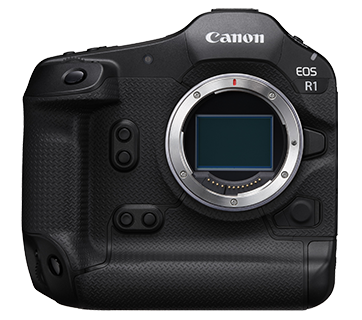
Canon EOS R6 Mark III vs Canon EOS R1
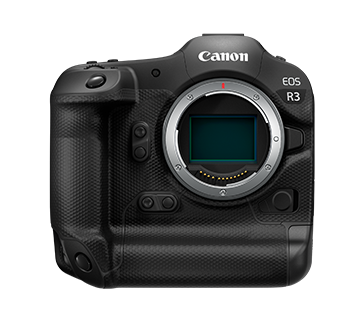
Canon EOS R6 Mark III vs Canon EOS R3
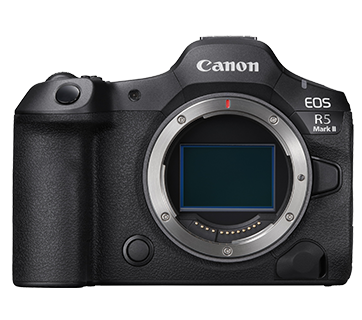
Canon EOS R6 Mark III vs Canon EOS R5 Mark II
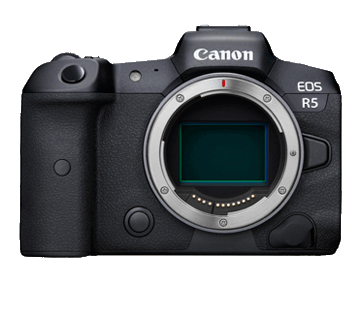
Canon EOS R6 Mark III vs Canon EOS R5
Canon EOS R6 Mark III vs Canon EOS R6 Mark II
Canon EOS R6 Mark III vs Canon EOS R8
Canon EOS R6 Mark III vs Canon EOS RP
Canon EOS R6 Mark III vs Nikon Z5
Canon EOS R6 Mark III vs Nikon Z5II
Canon EOS R6 Mark III vs Nikon Z6 II
Canon EOS R6 Mark III vs Nikon Z6
Canon EOS R6 Mark III vs Nikon Z6III
Canon EOS R6 Mark III vs Nikon Z7 II
Canon EOS R6 Mark III vs Nikon Z7
Canon EOS R6 Mark III vs Nikon Z8
Canon EOS R6 Mark III vs Nikon Z9
Canon EOS R6 Mark III vs Nikon Zf
Canon EOS R6 Mark III vs Nikon ZR
Canon EOS R6 Mark III vs Panasonic S1 II E
Canon EOS R6 Mark III vs Panasonic S1 II
Canon EOS R6 Mark III vs Panasonic S1R II
Canon EOS R6 Mark III vs Panasonic S9
Canon EOS R6 Mark III vs Sony A1
Canon EOS R6 Mark III vs Sony A7 III
Canon EOS R6 Mark III vs Sony A7 IV
Canon EOS R6 Mark III vs Sony A7C II
Canon EOS R6 Mark III vs Sony A7C
Canon EOS R6 Mark III vs Sony A7R IV
Canon EOS R6 Mark III vs Sony A7R V
Canon EOS R6 Mark III vs Sony A7S III
Canon EOS R6 Mark III vs Sony A9 II
Canon EOS R6 Mark III vs Sony A9 III
Canon EOS R6 Mark III vs Sony ZV-E1
Compatible Lenses
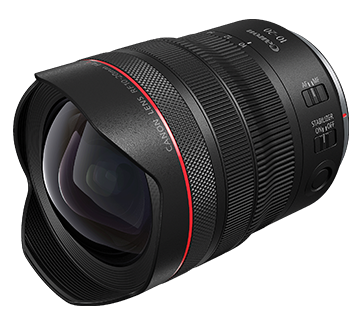
RF 10-20mm f/4L IS STM
lens
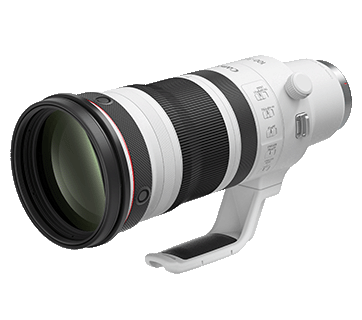
RF 100-300mm f/2.8L IS USM
lens
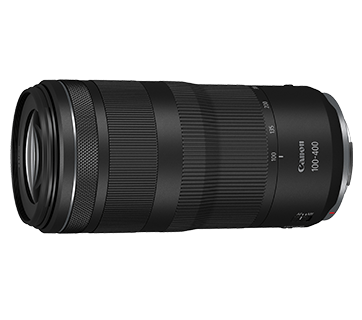
RF 100-400mm f/5.6-8 IS USM
lens
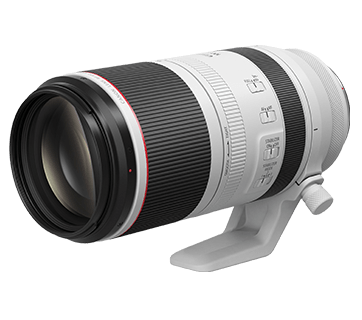
RF 100-500mm f/4.5-7.1L IS USM
lens
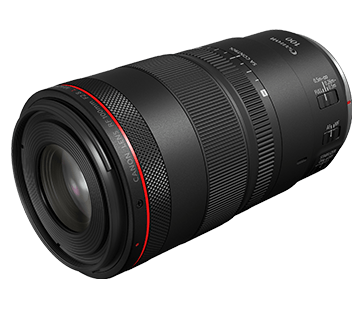
RF 100mm f/2.8L MACRO IS USM
lens
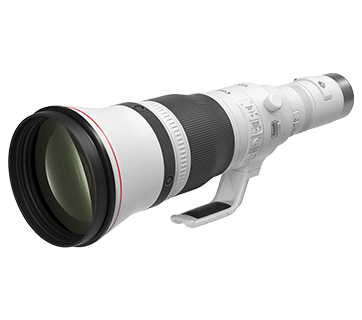
RF 1200mm f/8L IS USM
lens
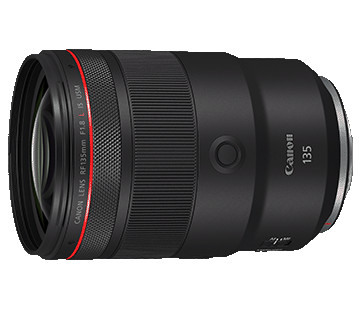
RF 135mm f/1.8L IS USM
lens
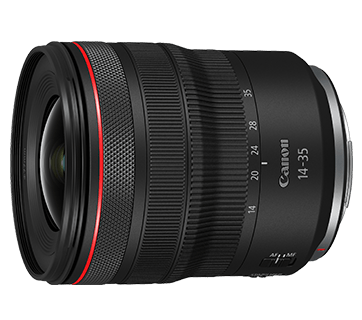
RF 14-35mm f/4L IS USM
lens
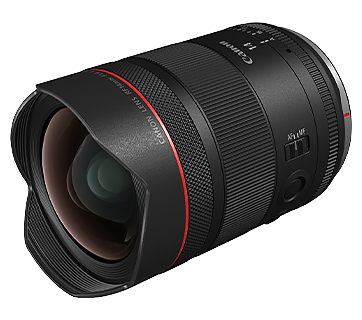
RF 14mm f/1.4L VCM
lens
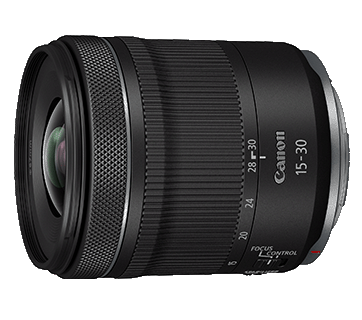
RF 15-30mm f/4.5-6.3 IS STM
lens
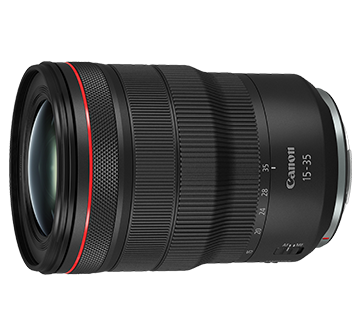
RF 15-35mm f/2.8L IS USM
lens
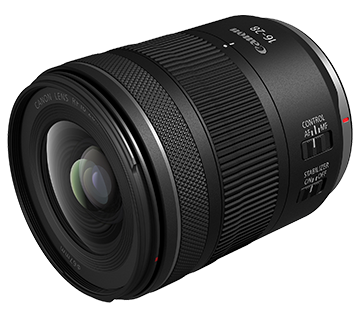
RF 16-28mm f/2.8 IS STM
lens
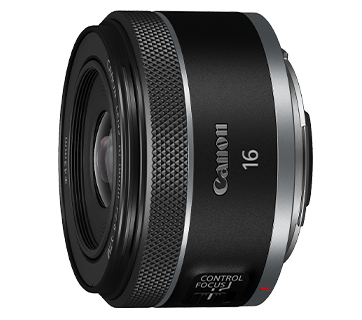
RF 16mm f/2.8 STM
lens
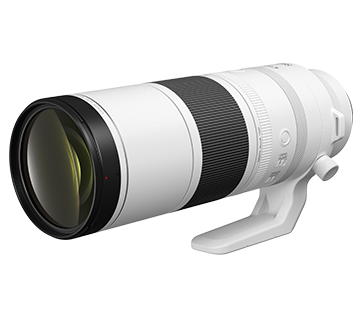
RF 200-800mm f/6.3-9 IS USM
lens
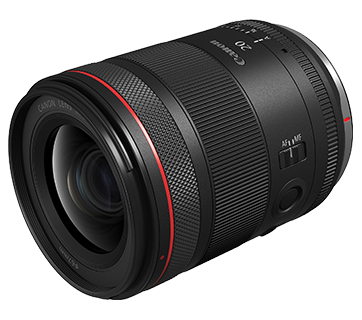
RF 20mm f/1.4L VCM
lens
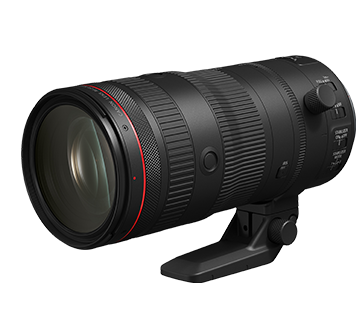
RF 24-105mm f/2.8L IS USM Z
lens
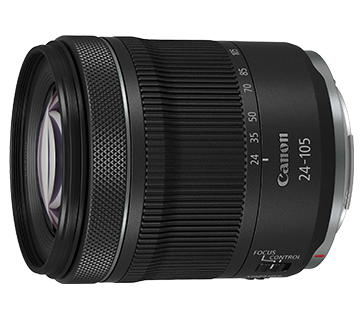
RF 24-105mm f/4-7.1 IS STM
lens
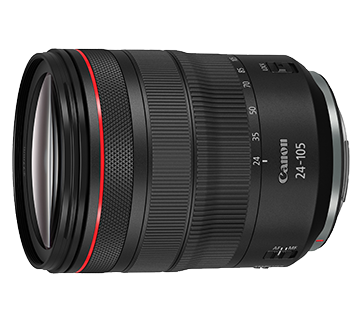
RF 24-105mm f/4L IS USM
lens
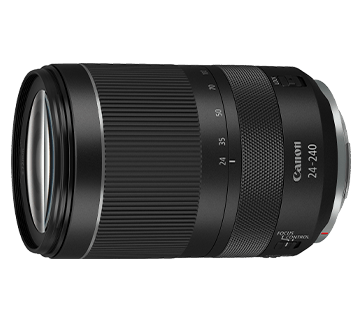
RF 24-240mm f/4-6.3 IS USM
lens
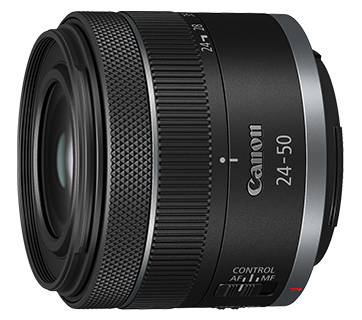
RF 24-50mm f/4.5-6.3 IS STM
lens
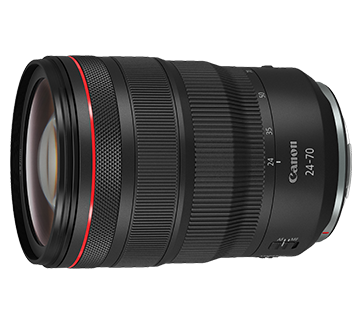
RF 24-70mm f/2.8L IS USM
lens
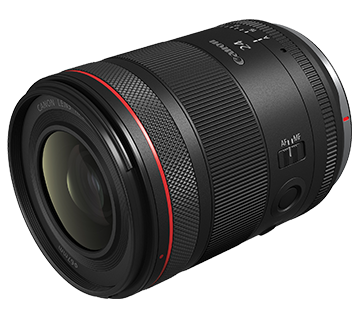
RF 24mm f/1.4L VCM
lens
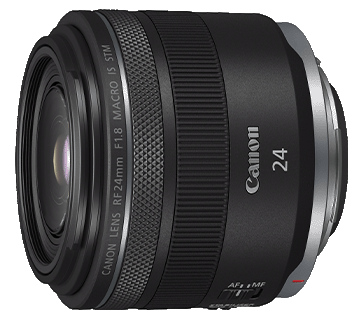
RF 24mm f/1.8 MACRO IS STM
lens

RF 28-70mm f/2.8 IS STM
lens
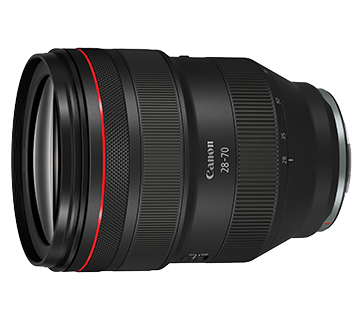
RF 28-70mm f/2L USM
lens
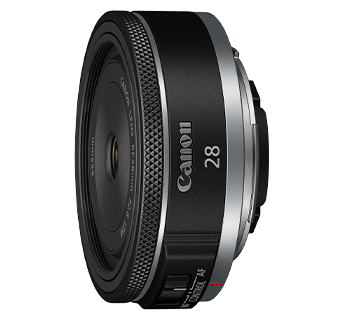
RF 28mm f/2.8 STM
lens

RF 35mm f/1.4L VCM
lens
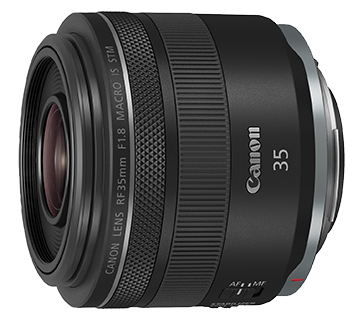
RF 35mm f/1.8 Macro IS STM
lens
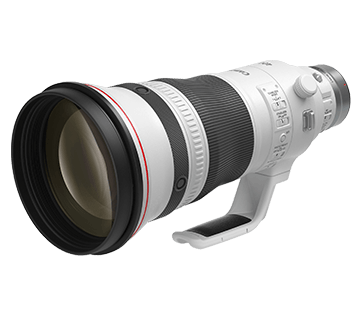
RF 400mm f/2.8L IS USM
lens
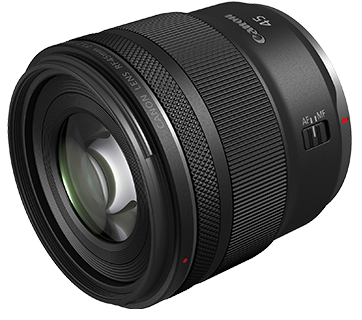
RF 45mm f/1.2 STM
lens
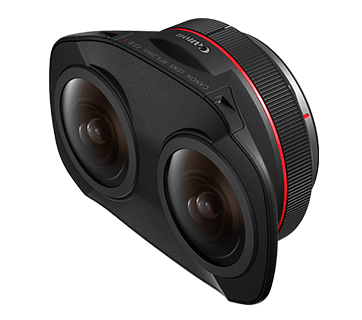
RF 5.2mm f/2.8L Dual Fisheye
lens
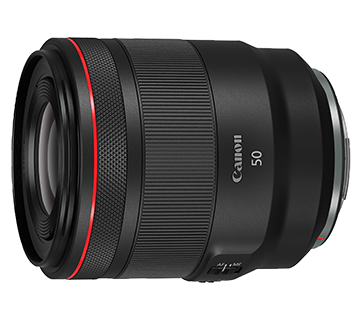
RF 50mm f/1.2L USM
lens
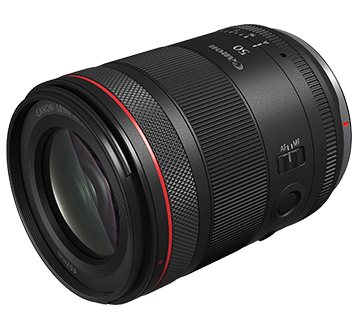
RF 50mm f/1.4L VCM
lens
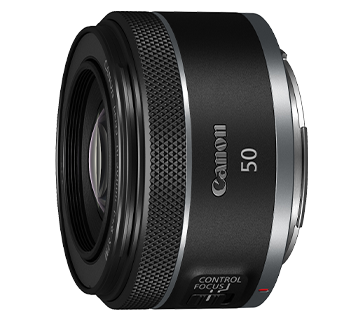
RF 50mm f/1.8 STM
lens
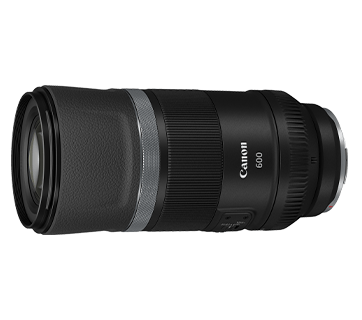
RF 600mm f/11 IS STM
lens
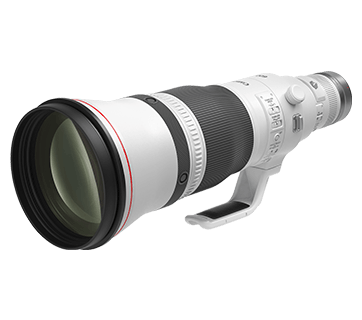
RF 600mm f/4L IS USM
lens
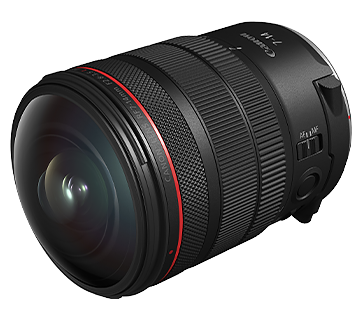
RF 7-14mm f/2.8-3.5L Fisheye STM
lens
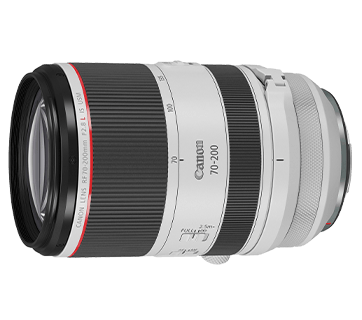
RF 70-200mm f/2.8L IS USM
lens
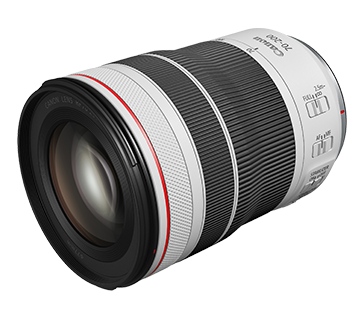
RF 70-200mm f/4L IS USM
lens
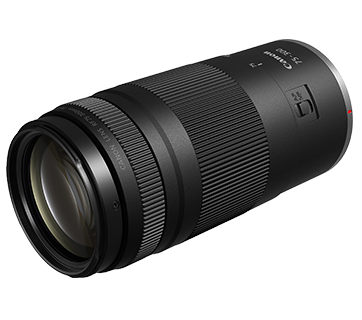
RF 75-300mm f/4-5.6
lens
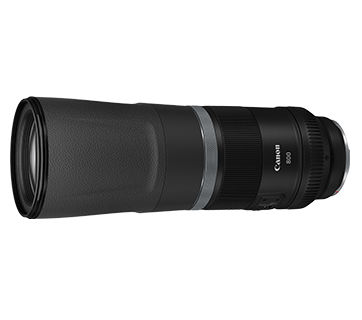
RF 800mm f/11 IS STM
lens
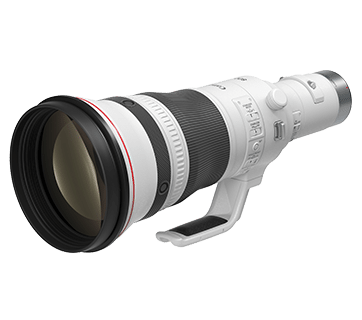
RF 800mm f/5.6L IS USM
lens
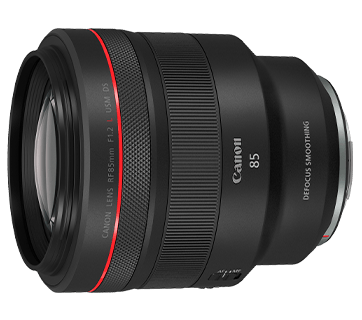
RF 85mm f/1.2L USM DS
lens
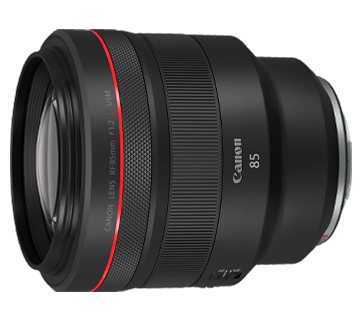
RF 85mm f/1.2L USM
lens
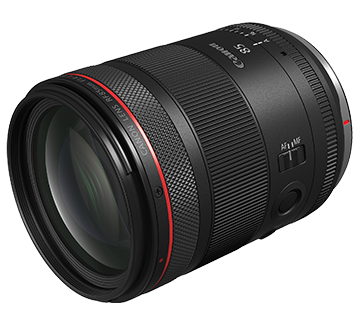
RF 85mm f/1.4L VCM
lens
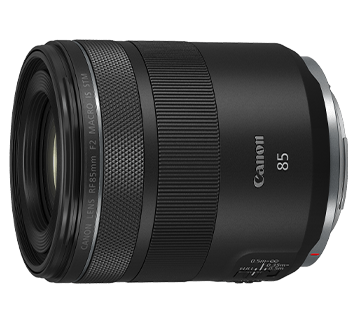
RF 85mm f/2 Macro IS STM
lens
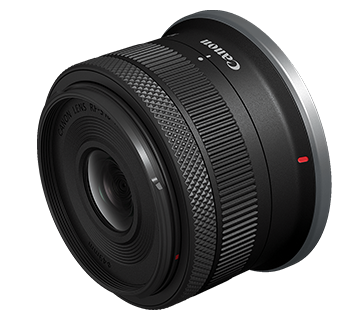
RF-S 10-18mm f/4.5-6.3 IS STM
lens
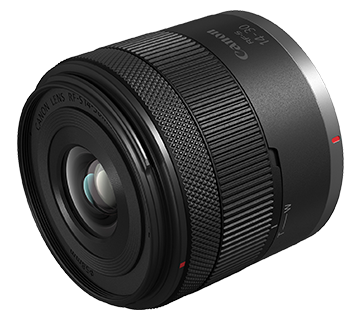
RF-S 14-30mm f/4-6.3 IS STM PZ
lens
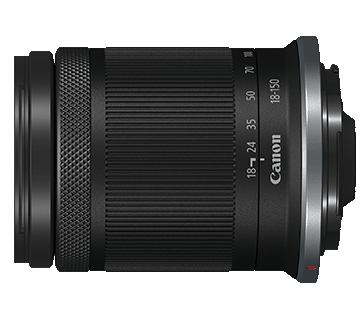
RF-S 18-150mm f/3.5-6.3 IS STM
lens
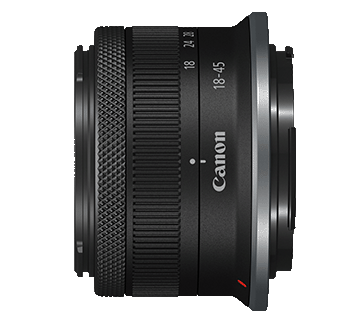
RF-S 18-45mm f/4.5-6.3 IS STM
lens
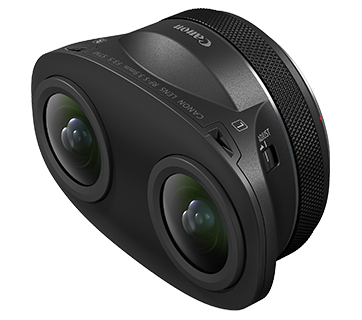
RF-S 3.9mm f/3.5 STM Dual Fisheye
lens
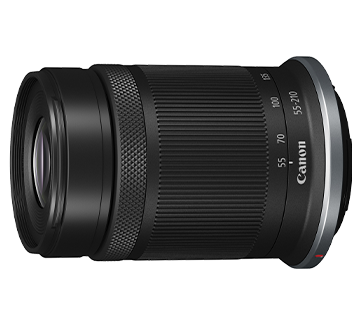
RF-S 55-210mm f/5-7.1 IS STM
lens
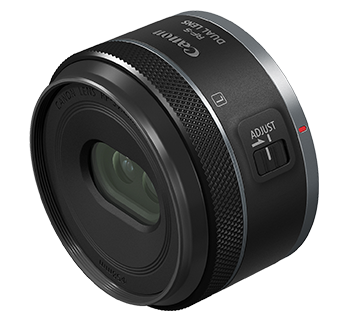
RF-S 7.8mm f/4 STM Dual
lens