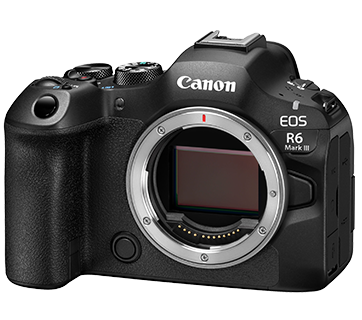
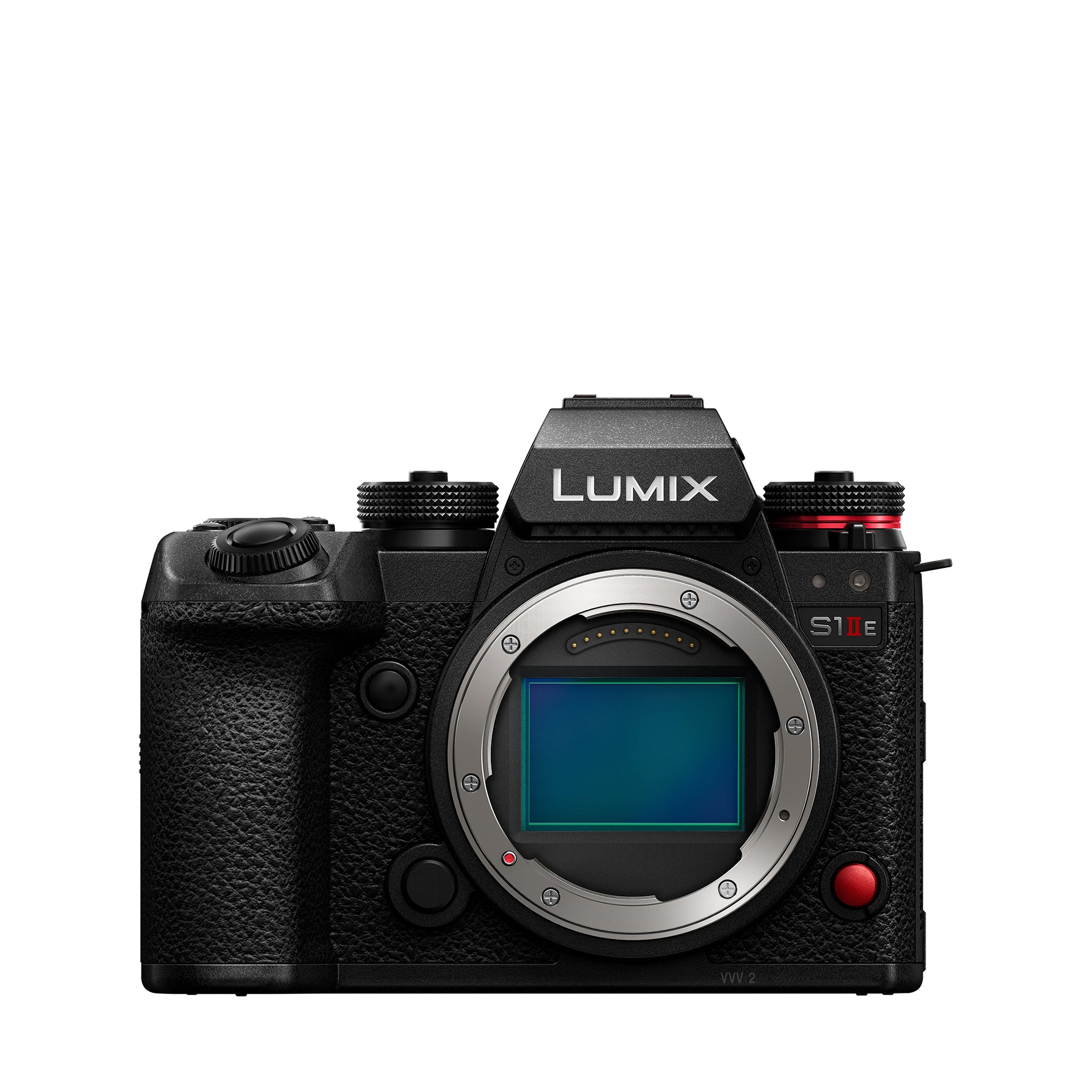
The Canon EOS R6 Mark III and the Panasonic S1 II E are two powerful full-frame mirrorless cameras that cater to professional and enthusiast photographers alike. Each has its strengths, making them popular choices among users requiring high-quality imaging, fast autofocus systems, and robust video features. With advancements in sensor technology and processing power, prospective buyers often find themselves entangled in the decision of which system best suits their needs. The key differentiators lie in their autofocus capabilities, video specifications, and overall ergonomics, which can significantly impact the user experience in different scenarios.
Specifications Comparison
Detailed Comparison
Image Quality
Both cameras benefit from a full-frame sensor architecture, offering superior image quality in various lighting conditions. The Canon EOS R6 Mark III features a larger ISO range from 100 to 102400, which expands to 204800, enabling it to perform exceptionally well in low-light environments. In contrast, the Panasonic S1 II E, while not noted for its ISO range, has a 24.1-megapixel sensor that delivers high-resolution images with excellent color reproduction and detail. Since both models are designed for high-caliber photography, users can expect great results, but the R6 Mark III's superior ISO capabilities may give it a slight edge for low-light functionality. Overall, while both cameras produce stunning images, the Canon's broader ISO range makes it more versatile across various lighting conditions.
Autofocus System
When it comes to autofocus, the Canon EOS R6 Mark III stands out significantly with its 4897 autofocus points, offering exceptional precision and tracking capabilities. This is particularly advantageous for fast-moving subjects, such as in wildlife or sports photography. The sophisticated Dual Pixel CMOS AF II technology found in the R6 Mark III ensures rapid and accurate focusing. On the other hand, the Panasonic S1 II E employs a reliable contrast-detection autofocus system, but it falls short in terms of tracking performance, especially in dynamic situations. While the S1 II E does feature a solid autofocus setup, it simply cannot match the extensive coverage and performance of the Canon. Therefore, for photographers prioritizing autofocus performance, the R6 Mark III is the clear choice.
Video Capabilities
In terms of video features, the Panasonic S1 II E takes the lead with an impressive array of options, including resolutions up to 5.9K at 60p and 4K at 120p, catering to advanced videographers looking for high-quality footage. The varying frame rates and resolutions provide significant flexibility, making it adaptable for a range of cinematic requirements. The Canon EOS R6 Mark III, while also capable of 4K 120p, does not support as high a resolution as the S1 II E, offering a slightly less extensive selection of video formats. Thus, for those who are primarily focused on videography and extreme resolution requirements, the S1 II E stands out as the superior model.
Build & Ergonomics
Both cameras showcase a rugged build and weather-sealing, making them robust options for outdoor and professional shooting. The Canon EOS R6 Mark III weighs 699 grams and has dimensions that contribute to a comfortable grip for prolonged use. The ergonomic layout and intuitive controls are some of the highest-rated features among Canon users. The Panasonic S1 II E, while also weather-sealed, is somewhat bulkier and heavier, which may impact portability. However, it does come with a more substantial grip that some users may find preferable. Additionally, the S1 II E has more customizable buttons and dials, which can enhance workflow for serious videographers and photographers. In terms of user comfort and build quality, it is a close tie, but the Canon's slightly easier handling gives it a slight edge.
Battery & Storage
The Canon EOS R6 Mark III incorporates a battery that supports up to 380 shots per charge, whereas the Panasonic S1 II E provides a higher capacity, allowing for approximately 400-500 shots under similar conditions. This gives the S1 II E an advantage for extended shoots without the need to frequently change batteries. Both cameras utilize SD card slots, but the full support for UHS-II cards on the S1 II E allows for faster write speeds, essential for high-resolution video recording. Given these factors, the S1 II E comes across as the more suitable choice for users needing extended battery life and faster write operations, especially for video.
Value for Money
The Canon EOS R6 Mark III is priced at $2799, which is positioned as a premium choice for its features, particularly in autofocus and image quality. However, considering the high-performance specifications, it provides strong value for photographers who prioritize low-light capability and advanced autofocus. The Panasonic S1 II E, without a listed price, is often perceived as being competitively priced regarding its video features. Given its diverse video capabilities, the S1 II E may offer better overall value for users focused on videography rather than photography. When weighing these factors, the R6 Mark III offers exceptional value for still photography, while the S1 II E provides a more balanced offering for those who need versatility in both still and motion capture.
Our Verdict
Overall, the Canon EOS R6 Mark III emerges as the clear winner for most photographers, particularly those who emphasize image quality and autofocus performance. Its wide ISO range and superior low-light capabilities make it exceptionally well-suited for various genres of photography. Conversely, the Panasonic S1 II E excels in video capabilities, appealing to filmmakers who require high resolution and diverse shooting options. If video recording is your primary focus, the S1 II E would be the optimal choice; however, for those primarily capturing stills, the R6 Mark III's strengths provide a more compelling overall package.
Canon EOS R6 Mark III
Panasonic S1 II E
Also Compare
Frequently Asked Questions
Which camera has better low-light performance?
The Canon EOS R6 Mark III offers a wider ISO range and superior low-light capabilities, making it the better choice for low-light performance.
Is one better for video recording?
The Panasonic S1 II E features more advanced video resolutions and frame rates, making it a better option for videographers.
Which camera has more autofocus points?
The Canon EOS R6 Mark III has significantly more autofocus points, with 4897 available, providing better precision and tracking capabilities.
What is the weight difference between the two?
The Canon EOS R6 Mark III weighs 699 grams, while the Panasonic S1 II E is bulkier, which may impact portability.
Which camera is more versatile for photography and videography?
While the Canon EOS R6 Mark III excels in photography, the Panasonic S1 II E offers a wider range of video features, but it ultimately depends on what aspects are prioritized by the user.