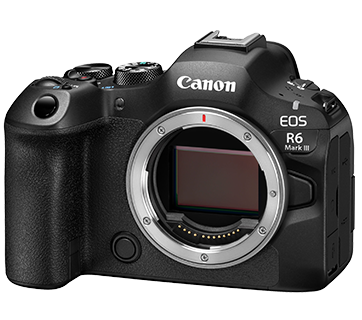
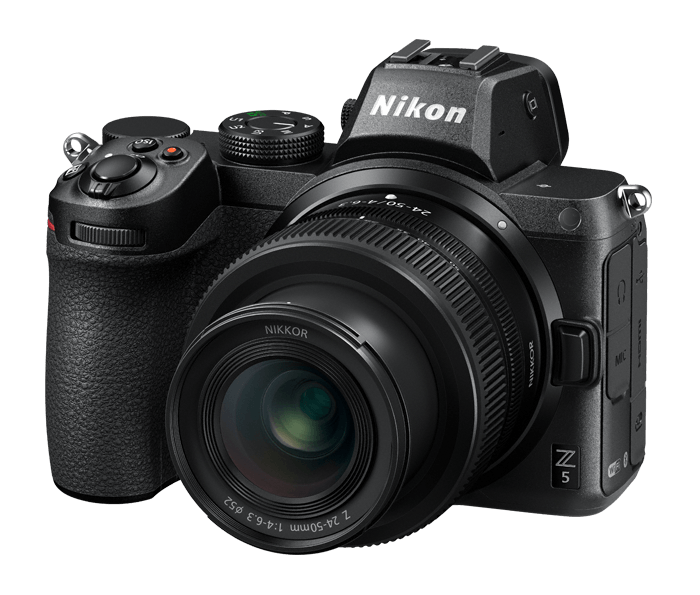
The Canon EOS R6 Mark III and the Nikon Z5 are two prominent full-frame mirrorless cameras that have attracted the attention of both seasoned photographers and enthusiasts alike. The R6 Mark III is particularly appealing for those looking for advanced features in a compact body, whereas the Z5 offers a more budget-friendly option with robust performance. These cameras are often compared due to their similar sensor size and target audience, yet they differ significantly in capabilities and design. Understanding their distinctions is essential for buyers who need to decide based on their specific photography needs and preferences.
Specifications Comparison
Detailed Comparison
Image Quality
When it comes to image quality, the Canon EOS R6 Mark III delivers exceptional performance with its full-frame sensor and processing engine. Although the specific megapixels are not listed, the prowess of the R6 Mark III in low-light situations is enhanced by its impressive ISO range of 100-102400 (expandable to 204800), allowing photographers to capture stunning details even in challenging lighting. The Nikon Z5 also features a full-frame sensor, but with a resolution of 24 megapixels. Its ISO range is also commendable, though it has less flexibility in dealing with noise at higher settings when compared to the R6 Mark III. While both cameras offer excellent color reproduction, the Canon's higher resolution and broader ISO range give it a notable edge in terms of the dynamic range and versatility. Consequently, for those prioritizing ultimate image quality under varied conditions, the R6 Mark III emerges as the winner.
Autofocus System
Autofocus performance is crucial for many photographers, and in this aspect, the Canon EOS R6 Mark III stands out significantly. It boasts an astonishing 4897 autofocus points, ensuring that subjects can be locked onto with precision and speed. The improved face and eye detection also enhance its capability, especially in action photography. In contrast, the Nikon Z5 features 273 autofocus points, which, while efficient, does not match the comprehensive coverage and responsiveness of its Canon counterpart. Therefore, for action-oriented photography or dynamic environments, the R6 Mark III offers unmatched autofocus performance, solidifying its position as the clear winner in this category.
Video Capabilities
In terms of video performance, the Canon EOS R6 Mark III significantly outshines the Nikon Z5. It supports 4K video recording at a remarkable 120 frames per second, making it a powerhouse for videographers looking for slow-motion capabilities without sacrificing resolution. The R6 Mark III also includes advanced video features such as C-Log and high dynamic range footage, creating an appealing option for serious video creators. Conversely, the Nikon Z5 offers 4K video at 30 frames per second. While it still produces solid video quality, the frame rate limitations restrict its versatility compared to the R6 Mark III. Therefore, for video production and creativity, the R6 Mark III emerges as the definitive choice.
Build & Ergonomics
Both cameras are designed with build quality and ergonomics in mind, featuring weather-sealed bodies that are crucial for outdoor shooting. The Canon EOS R6 Mark III has a slightly larger profile, which many users may find comfortable for prolonged use. In contrast, the Nikon Z5 is more compact and lighter at 675g, making it an attractive option for travel photographers or those seeking a lighter kit. However, the overall handling and button layout of both cameras receive positive reviews. While both models are well-constructed, the Canon's added weight may suggest a more robust build. Therefore, this category ultimately remains a close tie, as it boils down to user preference regarding size and handling.
Battery & Storage
Battery life is a significant consideration for photographers working in the field, and the Nikon Z5 has an advantage here with a rating of approximately 470 shots per charge, making it suitable for extended shooting sessions without frequent battery swaps. Meanwhile, the Canon EOS R6 Mark III does not provide specific battery life data, but mirrorless cameras often need to manage power usage due to more intensive performance demands with high frame rates and video capabilities. Both cameras support dual card slots, but the Z5 provides a more efficient power management feature focused on longevity. For users who prioritize extended use without the hassle of changing batteries, the Z5 takes the edge.
Value for Money
Value for money is an essential factor when selecting a camera, and the pricing structure of these two models represents a significant difference. The Nikon Z5 is priced at $1399, making it a very attractive option for entry-level and intermediate photographers. It provides excellent quality and performance without breaking the bank. Conversely, the Canon EOS R6 Mark III, at $2799, positions itself as a more premium offering aimed at professional photographers and advanced enthusiasts who are willing to invest in superior capabilities such as high-speed performance and versatility. For buyers with a limited budget or those just starting in full-frame photography, the Z5 stands out as the better value, whereas the R6 Mark III justifies its price with its extensive features.
Lens Ecosystem
Lens compatibility and ecosystem can greatly influence purchasing decisions. The Canon RF mount boasts a rapidly expanding selection of lenses with high-quality options, providing photographers with a diverse range of choices that cater to various styles and preferences. In contrast, the Nikon Z system has also been developing its lens lineup, though it may not yet match the extensive range of RF lenses available. The Canon ecosystem is bolstered further by the adaptability of RF lenses on older DSLR models, providing an additional incentive for Canon users. Therefore, for photographers who desire extensive lens choices, Canon takes the lead in this comparison.
Our Verdict
Overall, while both the Canon EOS R6 Mark III and Nikon Z5 have their strengths, the R6 Mark III emerges as the better option for professional photographers who demand high performance, advanced autofocus capabilities, and exceptional video features. It excels in low-light situations and provides a broader ecosystem for lenses. On the other hand, the Nikon Z5 offers excellent value for entry-level photographers or those looking for an affordable full-frame option with decent performance and robust battery life. Each model fits different user needs, reinforcing that the best choice ultimately depends on the individual's priorities and budget.
Canon EOS R6 Mark III
Nikon Z5
Also Compare
Frequently Asked Questions
Which camera offers better autofocus performance?
The Canon EOS R6 Mark III offers superior autofocus performance with 4897 points, while the Nikon Z5 has 273 points, making the R6 Mark III the better choice for fast-paced photography.
How do their video capabilities compare?
The R6 Mark III supports 4K at 120fps, whereas the Z5 is limited to 4K at 30fps. For videographers, the R6 Mark III is the clear winner.
Which camera is better for travel due to weight?
The Nikon Z5 is lighter at 675g compared to the R6 Mark III's 699g, making it a more suitable option for travel photography.
What is the price difference between the two cameras?
The Nikon Z5 is priced at $1399, while the Canon EOS R6 Mark III is considerably higher at $2799, reflecting its advanced features.
Which camera has a better lens ecosystem?
The Canon EOS R6 Mark III offers a wider range of RF lenses compared to the Nikon Z5's Z mount options, making it preferable for those who want diverse lens choices.