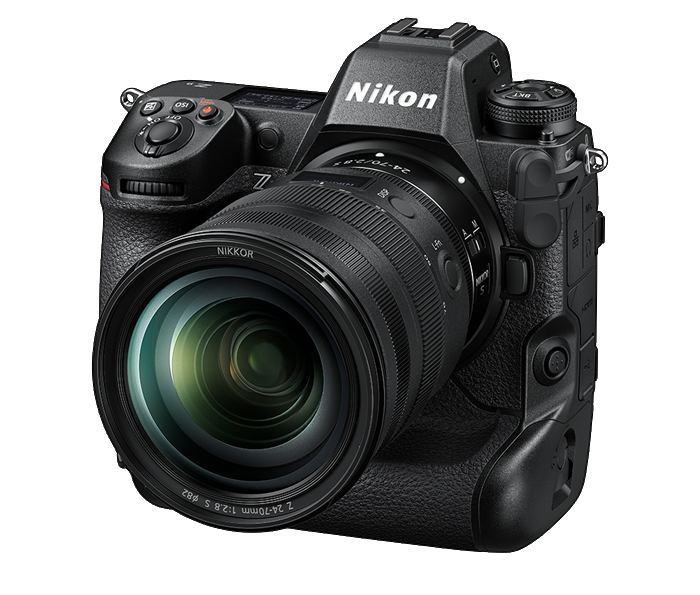
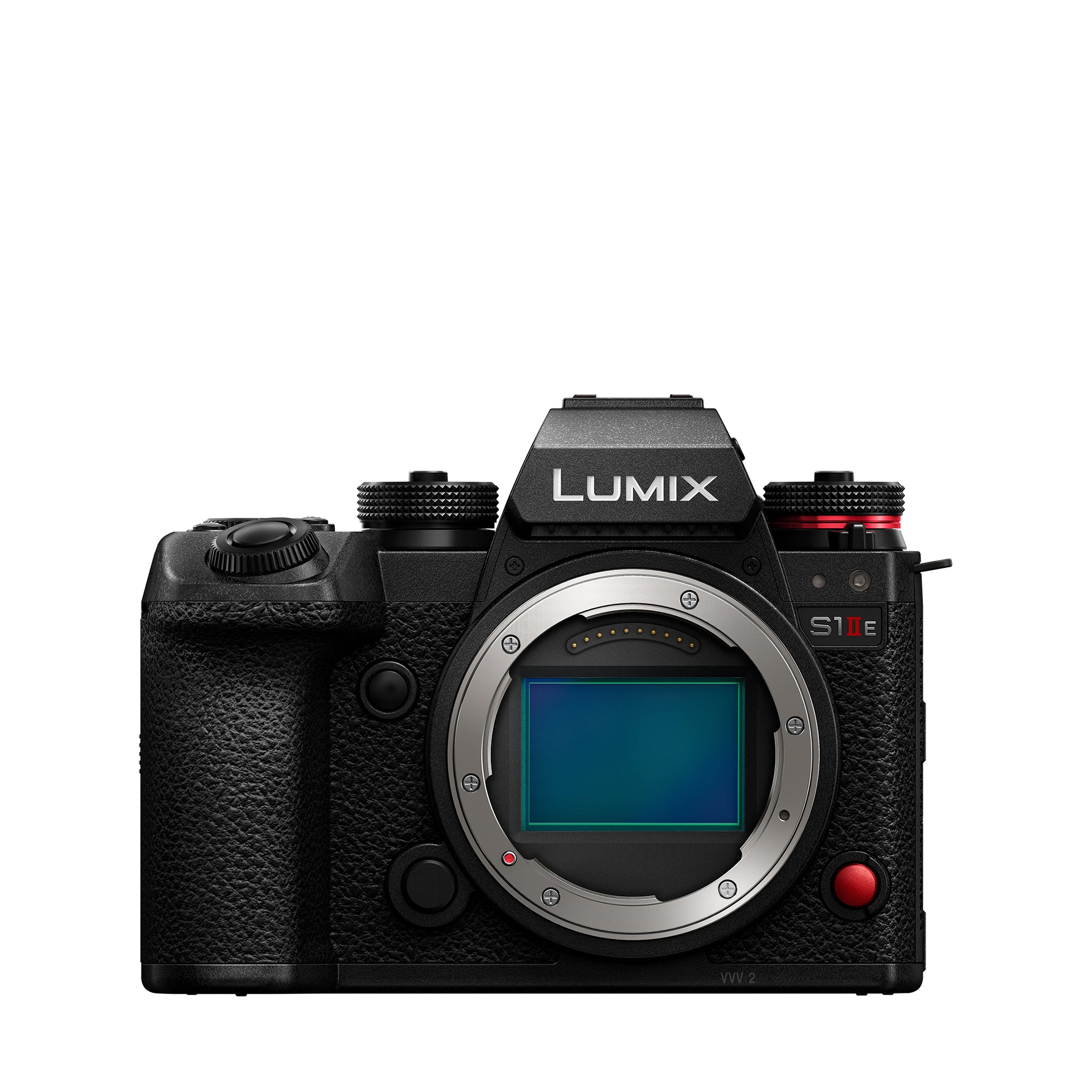
The Nikon Z9 and the Panasonic S1 II E are two formidable full-frame mirrorless cameras that cater to professionals and enthusiasts alike. Both models are designed for high-performance photography and videography, making them natural contenders in the marketplace. Photographers and videographers looking to make a choice between these two models will often focus on specifications such as image quality, autofocus systems, and video capabilities. Each camera brings distinctive advantages that could sway buyers depending on their specific needs and shooting styles.
Specifications Comparison
Detailed Comparison
Image Quality
The Nikon Z9 stands out with an impressive 46 megapixel count, which delivers exceptional detail and clarity, especially beneficial for large prints and cropping flexibility. Its full-frame sensor size of 35.9 x 23.9 mm contributes to great low-light performance and dynamic range, allowing for vivid colors and deep contrasts. In contrast, the Panasonic S1 II E features a 24.1-megapixel sensor that, while lower in resolution, still offers superb image quality and dynamic range suitable for most professional applications. The differences in megapixels will be most noticeable in high-end applications like landscape photography or where extensive cropping is necessary.
Additionally, the Z9's sensor design and processing algorithms allow for superior noise management at high ISOs, which is critical for low-light scenarios. However, the S1 II E has its merits as well, with strong color reproduction and image processing capabilities optimized for video work. Overall, while the S1 II E provides excellent image quality for its class, the Z9's higher resolution and low-light performance give it a notable edge.
Autofocus System
The Nikon Z9 features a staggering 493 autofocus points, which cover a vast area of the frame and allow for precise focus tracking on moving subjects. This robust autofocus performance is complemented by advanced machine learning algorithms, providing fast and accurate subject detection in various conditions, be they sports, wildlife, or portrait photography. The Z9 is particularly well-regarded for its eye and face detection capabilities, making it an excellent choice for portrait photographers.
On the other hand, the Panasonic S1 II E, while also possessing competitive autofocus features, has fewer autofocus points without the same level of sophisticated tracking capabilities as the Z9. The autofocus performance is reliable but does not match the versatility or speed, especially in challenging conditions. Therefore, for photographers whose work relies heavily on fast and accurate autofocus, the Z9 is the superior choice.
Video Capabilities
The Panasonic S1 II E excels in video capabilities, offering a range of resolutions including 5.9K at 60p, 5.1K at 60p, and 4K at 120p, along with impressive slow-motion capabilities up to 240 fps in 1080p. This makes it an appealing option for videographers seeking high resolutions and frame rates for cinematic storytelling and creative projects. The S1 II E is designed with video creators in mind, encompassing features like V-Log recording, which allows for extensive color grading in post-production.
Meanwhile, the Nikon Z9 also supports 4K at 120p but does not reach the same high resolutions as the S1 II E. It's worth noting that while the Z9 provides impressive video performance for professional filmmaking, especially with its RAW video output capabilities, the comprehensive video formats and flexibility offered by the S1 II E make it a more attractive choice for dedicated videographers. Thus, in the realm of video, the S1 II E takes the lead.
Build & Ergonomics
Both the Nikon Z9 and Panasonic S1 II E feature robust builds designed for pros. The Z9 is constructed with a rugged weather-sealed body, ensuring durability in harsh environments, which is critical for outdoor and adventure photography. It also has a deeper grip, which many photographers find comfortable for prolonged shooting sessions. The dimensions and weight of the Z9 make it feel substantial and professional, weighing in at 1340g.
The S1 II E also boasts a weather-sealed chassis, making it resilient to moisture and dust. However, it is slightly lighter than the Z9 and has a more compact design, which could appeal to photographers looking for portability without sacrificing build quality. While both cameras provide professional ergonomics, the choice may ultimately come down to personal preference regarding size and feel.
Battery & Storage
The Nikon Z9 shines in battery performance, yielding approximately 740 shots per charge. This exceptional battery life is ideal for on-location shooters who may not always have immediate access to power. It also supports dual card slots (CFexpress Type B), providing rapid data transfer and storage options suited for high-resolution photo and video formats.
In contrast, while the Panasonic S1 II E allows for significant usage, its battery life is typically lower than that of the Z9. However, the S1 II E also supports dual card slots, enhancing versatility and reliability during long shoots. For professionals relying on extended sessions without frequent battery changes, the Z9 offers distinct advantages in battery endurance.
Value for Money
At a price point of $5,500, the Nikon Z9 represents a significant investment, especially for photographers seeking high-resolution images and cutting-edge features. Given its unique capabilities in autofocus, image quality, and overall performance, many users may find the price justified, particularly in professional contexts where the output justifies the cost.
On the other hand, the Panasonic S1 II E offers a competitive price, providing excellent value for videographers with its diverse video capabilities. Its lower price point makes it appealing to buyers who prioritize video performance over ultra-high resolution photography. The balance of features and pricing makes the S1 II E an attractive option for creatives who might not need the advanced specifications provided by the Z9. While both cameras excel in certain areas, evaluating value may depend on individual usage priorities and budget constraints.
Our Verdict
Overall, the Nikon Z9 edges out the Panasonic S1 II E, primarily due to its superior image quality, autofocus performance, and battery life. This makes it a better fit for photographers focused on high-resolution imagery and fast-moving subjects. However, the S1 II E holds its ground firmly with exceptional video capabilities and represents solid value for those whose primary needs lie in videography. The choice ultimately boils down to specific user needs: the Z9 for stills enthusiasts wanting the best quality and the S1 II E for creative video professionals requiring versatility and value.
Nikon Z9
Panasonic S1 II E
Also Compare
Frequently Asked Questions
Which camera performs better in low light?
The Nikon Z9 generally has superior low-light performance due to its higher megapixel count and advanced noise management. However, the S1 II E also performs well, especially in video applications.
Is the Nikon Z9 worth the price difference over the S1 II E?
The Nikon Z9 offers more advanced features, higher resolution, and better autofocus for still photography, which might justify the price difference for serious photographers. For video users, the S1 II E may present better value.
How do the autofocus systems compare?
The Nikon Z9 features 493 autofocus points, providing superior tracking and focusing capabilities compared to the S1 II E, which has fewer points and less advanced tracking technology.
Which camera is better for video production?
The Panasonic S1 II E is better for video production due to its multiple high-resolution recording options and slow-motion capabilities, making it more versatile for videographers.
How do the battery lives compare?
The Nikon Z9 provides a longer battery life at approximately 740 shots per charge, compared to the S1 II E, making it more suitable for extended shooting sessions without frequent recharges.