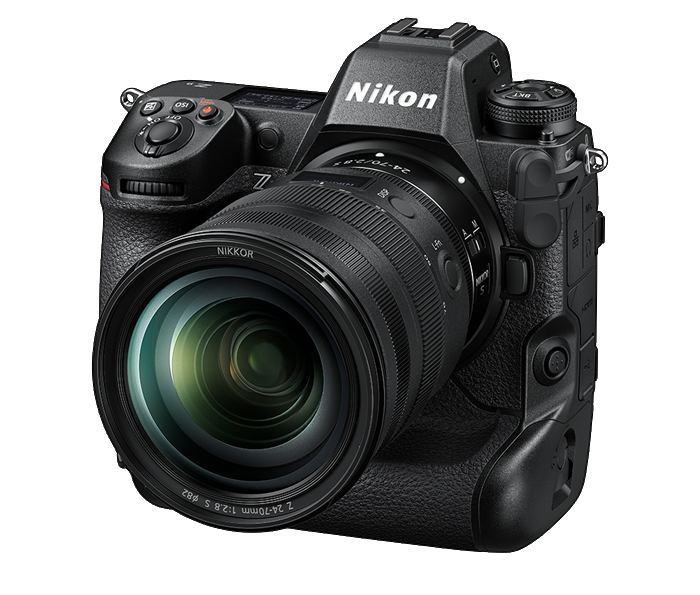
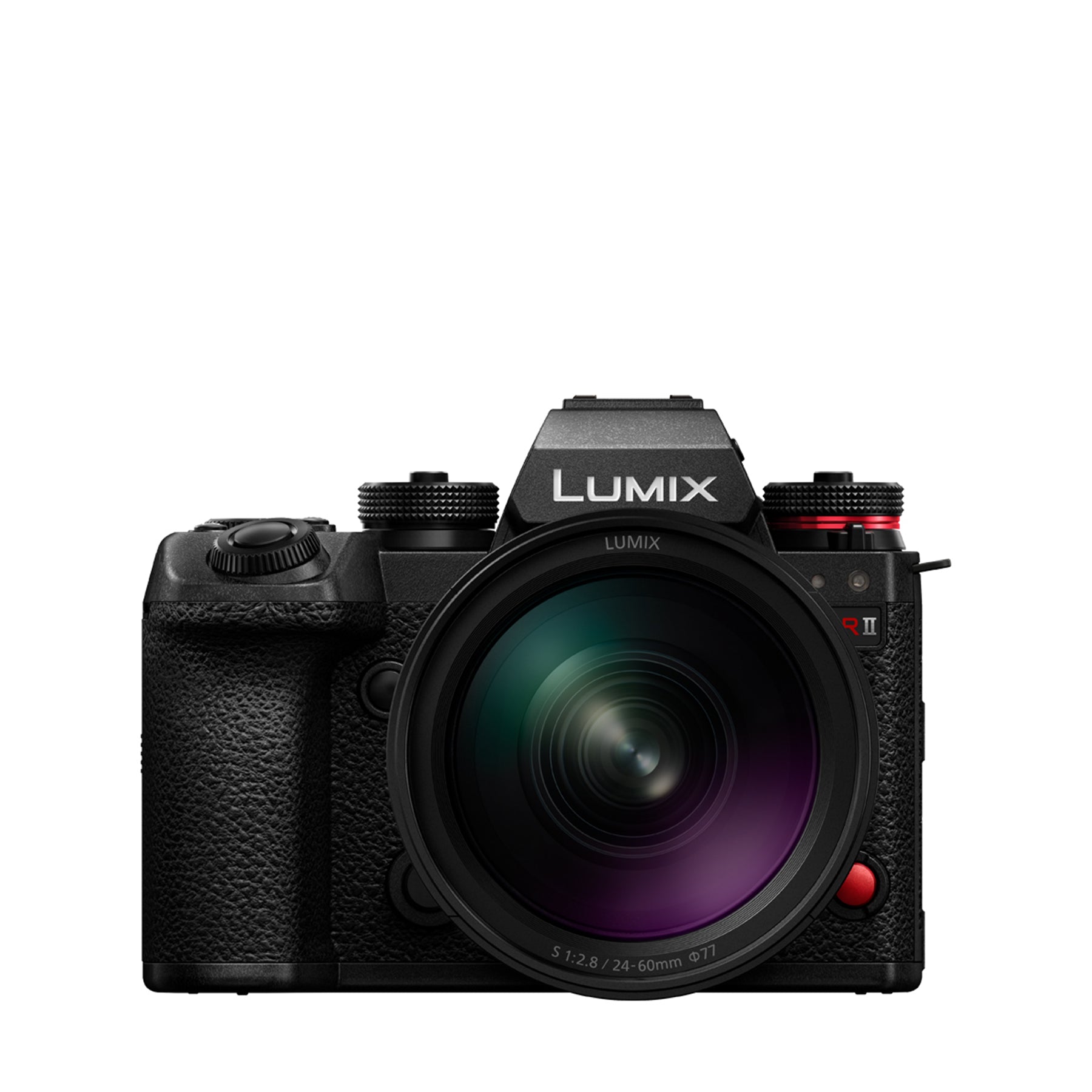
The Nikon Z9 and Panasonic S1R II are flagship mirrorless cameras that cater to advanced photographers and videographers, often recommended for anyone seeking a high-performance tool for professional use. Photographers choosing between these two models are typically looking at aspects such as image quality, autofocus performance, video capability, and durability for demanding environments. Each camera offers unique features that may align better with specific user preferences and project requirements, such as resolution and video specifications.
Specifications Comparison
Detailed Comparison
Image Quality
Both the Nikon Z9 and Panasonic S1R II have large full-frame sensors that deliver excellent image quality, but they capture images with slightly different characteristics. The Nikon Z9 features a 46 MP sensor, while the Panasonic S1R II comes equipped with a 44.3 MP sensor. The higher resolution of the Z9 can make a considerable difference when printing large formats or cropping images, allowing for greater detail retrieval. However, the S1R II also performs splendidly, with outstanding dynamic range and color reproduction, known for its soft gradations and accurate skin tones. Both models excel in low-light conditions, but the Z9 has a slight advantage due to its newer sensor technology, contributing to better performance at higher ISO settings. Thus, while both cameras produce stunning images, the resolution and the sensor technology give the Z9 a nuanced edge in this category.
Autofocus System
Autofocus systems play a critical role for photographers, and here the Nikon Z9 shines with its remarkable 493 autofocus points, which cover an extensive area of the frame. This system includes advanced subject tracking features that can lock onto moving subjects effectively, making it highly suitable for wildlife and sports photography. The Panasonic S1R II features a capable autofocus system, but with only a portion of the points compared to the Z9. While it also includes some advanced tracking, it can fall short in real-time subject detection compared to Nikon's performance. Users who need fast and accurate focus in various shooting conditions would find the Z9's features more comprehensive, solidifying its dominance in this category.
Video Capabilities
In video capabilities, the Panasonic S1R II offers an edge with its impressive 8K recording at 30p, alongside the 4K 120p option. This makes it an attractive choice for filmmakers looking for versatility and high-resolution recording options. The Nikon Z9 also delivers exceptional video performance, with capabilities for 4K up to 120p, which is more than sufficient for high-quality video production. However, the lack of 8K recording limits its appeal in the highly competitive video space. Although both cameras provide professional-quality video, those especially focused on high-resolution video will likely prefer the S1R II, making this a point of differentiation.
Build & Ergonomics
Both cameras are designed with professional users in mind, featuring robust build quality and weather-sealed bodies that can withstand challenging shooting conditions. The Nikon Z9 is slightly heavier and bulkier than the Panasonic S1R II, weighing in at 1340g compared to the S1R II's lighter body. However, the dimensions of the Z9 provide a more substantial grip that many photographers find comfortable. Both cameras feature electronic viewfinders, but the Z9's viewfinder has the advantage of 3.69 million dots, offering slightly better clarity. The overall ergonomics are subjective, but users looking for a more streamlined and lightweight option might lean toward the S1R II, while those who prefer the solid feel may lean towards the Z9.
Battery & Storage
Battery life is a crucial consideration for professional photographers, and the Nikon Z9 holds a solid advantage here with a battery capacity of approximately 740 shots per charge. The battery performance on the Panasonic S1R II is respectable but falls slightly short, leaving photographers potentially needing spares during long shooting sessions. In terms of storage, both cameras offer dual card slots, allowing users to utilize different types of memory cards for speed and redundancy. However, the overall performance and longevity of battery life in the Z9 makes it a winner in this aspect, allowing more extended shooting without interruption.
Value for Money
Pricing is an essential factor, with the Nikon Z9 retailing at approximately $5500, whereas the Panasonic S1R II is expected to be slightly less expensive, depending on the retailer and any ongoing promotions. The Z9 has a higher specification with its resolution, autofocus, and battery life, making it a compelling choice for serious photographers and professionals looking for long-term investment. The Panasonic S1R II may offer a better value for users where video capabilities like 8K are prioritized over features like faster autofocus. Therefore, potential buyers should assess their own priorities in terms of features versus cost when determining which camera delivers the best value based on their unique application.
Our Verdict
In conclusion, while both the Nikon Z9 and Panasonic S1R II provide compelling features for professional use, the overall winner is the Nikon Z9. Its superior autofocus system, battery life, and higher resolution make it an exceptional choice for photographers focused on image quality and performance. However, if high-resolution video recording is a significant requirement, the Panasonic S1R II's 8K capabilities cannot be overlooked. Ultimately, users should weigh their priorities - whether it be dynamic photography or videography - in order to find the right fit for their needs.
Nikon Z9
Panasonic S1R II
Also Compare
Frequently Asked Questions
Which camera is better for professional photography?
The Nikon Z9 generally excels in professional photography due to its superior autofocus system, higher resolution, and better battery life.
Is the Panasonic S1R II more capable for videography?
Yes, the Panasonic S1R II is preferred for videography because it offers 8K recording capabilities, which the Nikon Z9 lacks.
How do the image qualities compare?
While both cameras produce excellent images, the Z9 slightly edges out with a higher megapixel count and advanced sensor technology.
What are the main considerations for outdoor shooting?
Both cameras are weather-sealed, but the Nikon Z9 offers better battery performance and handling, which can favor longer outdoor shoots.
What is the price difference between the two cameras?
The Nikon Z9 is priced around $5500, while the Panasonic S1R II tends to be slightly less expensive, reflecting the differing feature sets.