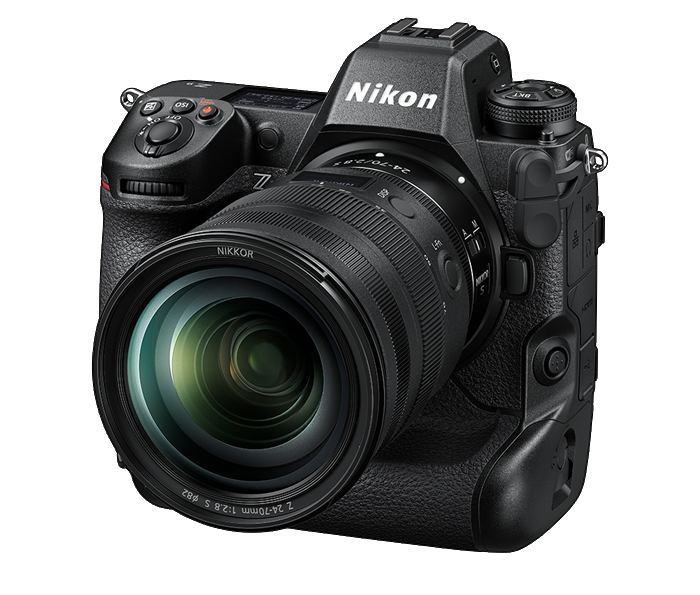
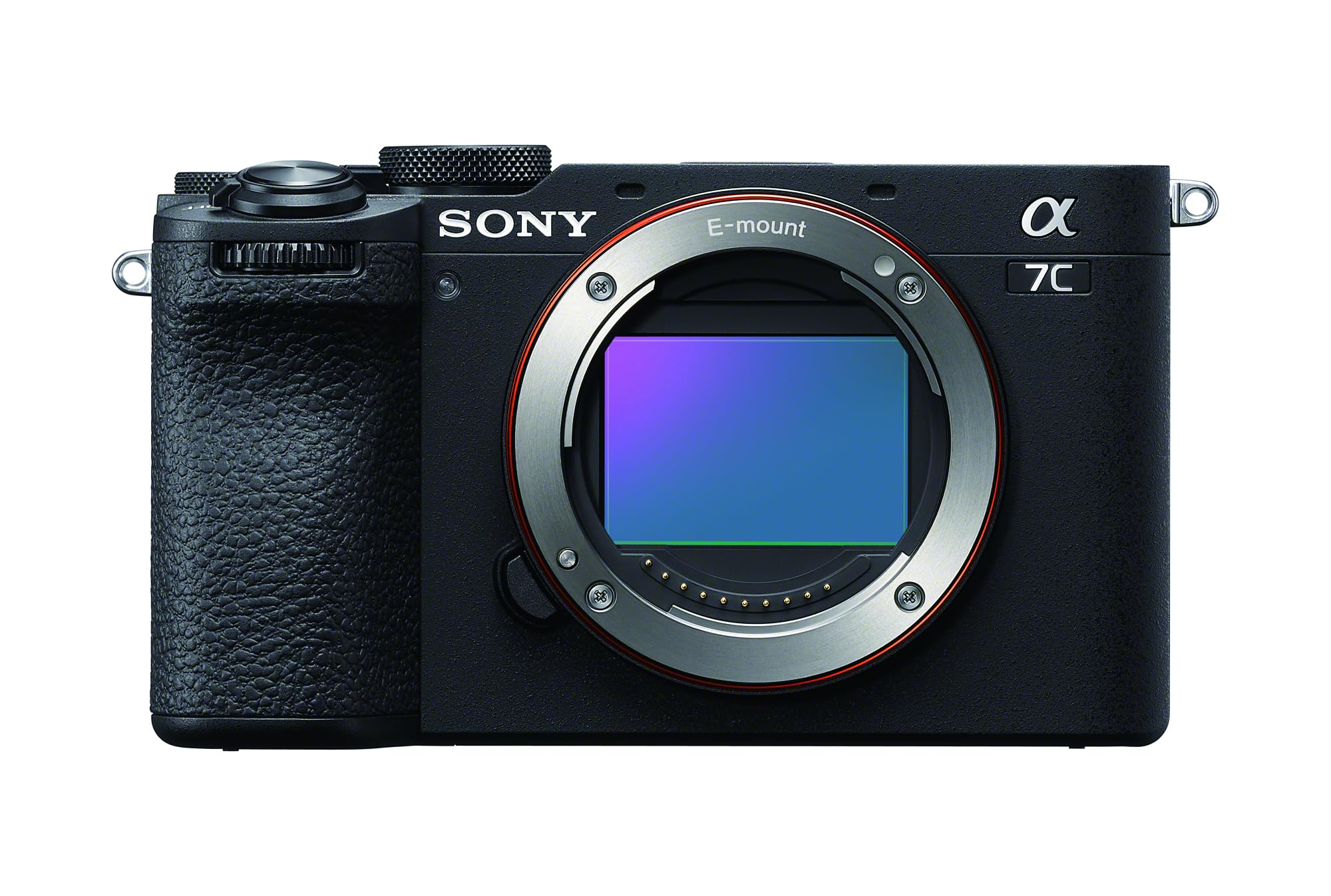
The Nikon Z9 and Sony A7C II are two prominent full-frame mirrorless cameras that cater to different types of photographers and videographers. The Z9, released in 2021, is Nikon's flagship model, designed for professional use, while the A7C II, which debuted in 2023, is aimed at advanced enthusiasts looking for a compact yet capable camera. Potential buyers often find themselves weighing options between these models based on their unique feature sets, specifications, and use cases. The Z9 is particularly appealing for those prioritizing advanced sports and wildlife photography, while the A7C II offers an excellent balance of portability and versatile functionality for daily shooting or travel photography.
Key differentiators include sensor resolution, autofocus capabilities, video recording specifications, and overall weight and size. The Z9 holds an advantage in resolution and frame-per-second performance, making it ideal for fast-paced shooting scenarios. In contrast, the A7C II's lighter weight and superior in-body stabilization can benefit vloggers and those who prefer a more mobile shooting experience, making this comparison particularly relevant for potential users across various genres of photography and videography.
Specifications Comparison
Detailed Comparison
Image Quality
The Nikon Z9 boasts a resolution of 46 megapixels, which provides exceptional image detail especially at larger print sizes or for extensive cropping. Its sensor size measures 35.9 x 23.9 mm, contributing to better depth of field control and low-light performance. In contrast, the Sony A7C II has a slightly lower resolution of 33 megapixels, with a 35.6 x 23.8 mm sensor. Although the A7C II produces high-quality images, the overall detail and dynamic range in challenging lighting conditions tilt the favor towards the Z9.
Additionally, the Z9's advanced processing engine enhances image quality through superior noise reduction at higher ISOs, particularly benefiting sports and wildlife photographers who need to shoot in varying lighting conditions. The A7C II's ISO range of 100-51200 (expandable) still offers great results but may not perform as well as the Z9 under extreme conditions.
In conclusion, while both cameras provide excellent image quality, the Z9's higher resolution and superior low-light performance make it a standout choice for those demanding the best capture capabilities for high-end photography.
Autofocus System
The autofocus systems in both the Nikon Z9 and Sony A7C II demonstrate impressive capabilities aimed at different user needs. The Z9 features 493 focus points, which result in fast and accurate focusing-a crucial attribute for professional sports and wildlife photographers. Its advanced algorithms also support 3D tracking and subject detection, enabling the shooter to capture fast-moving subjects with greater ease.
On the other hand, the A7C II has a significantly higher number of autofocus points, tallying 759, which can enhance subject tracking ability across a wider variety of scenes. The A7C II's autofocus system is also bolstered by Sony's renowned real-time Eye autofocus technology, which excels in portrait photography and capturing candid moments.
Therefore, while the A7C II may offer a more sophisticated subject tracking system with higher autofocus points, the speed and reliability of the Z9's focus system excels in fast-action environments. The choice may depend on the typical use-case scenario: fast-paced sports versus versatile environments requiring superior subject tracking.
Video Capabilities
When it comes to video capabilities, the Nikon Z9 excels with impressive specifications like 4K video recording at 120 frames per second, allowing for high-quality slow-motion footage. It also supports 8K video recording at 30 fps, positioning it as a top-tier choice for professional videographers needing extensive video functionalities. The Z9's superior cooling system allows for longer recording times without overheating, a significant advantage for lengthy shoots.
In comparison, the Sony A7C II offers 4K video recording at a maximum of 60 frames per second. While this is still a very viable option for most videographers, it does fall short of the Z9's capabilities in high-frame-rate recording and 8K video. Moreover, the Z9's full HDMI port makes it ideal for external recording and integration with professional video setups.
Overall, the Z9's more comprehensive video capabilities make it the clear winner for professionals wanting cutting-edge video features, while the A7C II is excellent for enthusiasts looking for high-quality video in a more compact package.
Build & Ergonomics
The build quality of both cameras is excellent, with both models featuring weather sealing to protect against challenging conditions. However, the physical design and ergonomics present their distinctions. The Nikon Z9, weighing in at 1340 grams with larger dimensions, offers a grip that's more suitable for extended shooting sessions by providing durability and stability in handling heavy lenses. Its robust build makes it ideal for photographers who often work in rugged environments.
Conversely, the Sony A7C II is much lighter, weighing 514 grams and more compact at 124 x 71 x 63 mm. This smaller footprint makes it exceptionally portable, ideal for travel photography or casual shooting, where carrying limitations are a concern. Additionally, the A7C II's tiltable screen enhances usability for vlogging and capturing unique angles, although its size means it feels less sturdy than the Z9.
Ultimately, the winner in this section depends on intended usage; if durability and substantial handling are paramount, the Z9 takes the lead, while those valuing portability will find the A7C II more appealing.
Battery & Storage
Battery life is often a critical concern for photographers and videographers. The Nikon Z9 excels with a battery life rating of approximately 740 shots, which is impressive, especially for a camera that offers high-performance features such as 30 fps shooting and 8K video recording. This feature can significantly benefit users shooting in the field, minimizing the need for frequent changes.
The Sony A7C II, with a battery life rating of around 540 shots, still performs adequately for everyday shooting but may require more frequent recharging during extensive filming or longer photo sessions. Storage needs also differ; the Z9 utilizes dual card slots that allow for the flexible use of CFexpress or SD cards, facilitating faster data transfer especially crucial for high-resolution continuous shooting and 8K video.
In contrast, the A7C II includes dual SD card slots but may not handle high-speed transfers as optimally compared to CFexpress cards. Thus, while the A7C II meets the needs of casual users well, the Z9 is undoubtedly better suited for professionals who require robust battery performance and faster storage options.
Value for Money
When considering the price point, there is a notable distinction between the two models. The Nikon Z9 comes with a premium price tag of $5500, directed at professionals who require top-tier features and uncompromising performance in challenging environments. Its advanced specifications justify the investment for committed workflows, particularly in high-stakes photography or extensive video production.
In contrast, the Sony A7C II is priced at $2200, making it a more accessible choice for enthusiasts and budding professionals. While it may not offer the same high-end features as the Z9, it still provides excellent performance and versatility for everyday use and offers considerable value for those who prioritize portability and ease of use.
In evaluating value for money, those needing high-performance and features will find the Z9 a worthwhile investment, while users looking for a capable camera without the premium cost will benefit from the A7C II's balance of quality and affordability.
Our Verdict
Overall, the Nikon Z9 is the superior choice for professionals requiring the highest levels of performance, particularly in image quality, video capabilities, and build quality. Its advanced features, including superior resolution and frame rates, make it ideal for fast-paced and demanding shooting environments. Conversely, the Sony A7C II serves as an excellent alternative for enthusiasts and content creators who prioritize portability, ease of use, and a lower price point without sacrificing too much in overall performance. Ultimately, the choice will depend on the specific needs: the Z9 for professional high-end requirements or the A7C II for everyday versatility.