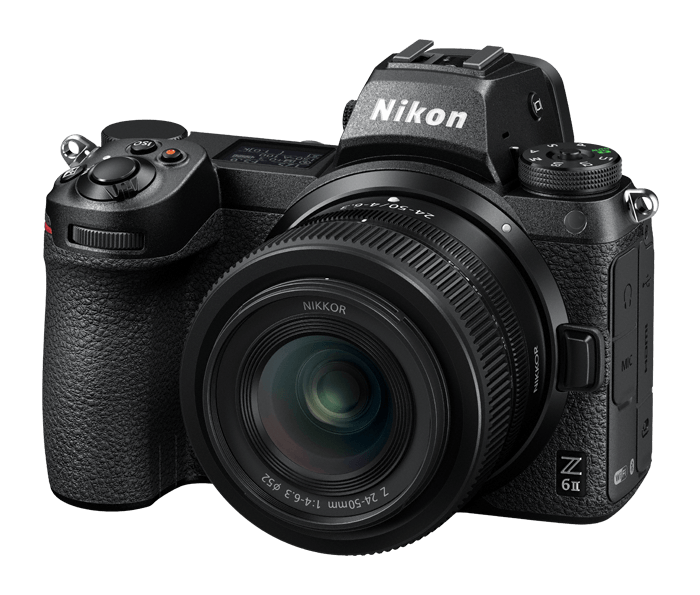
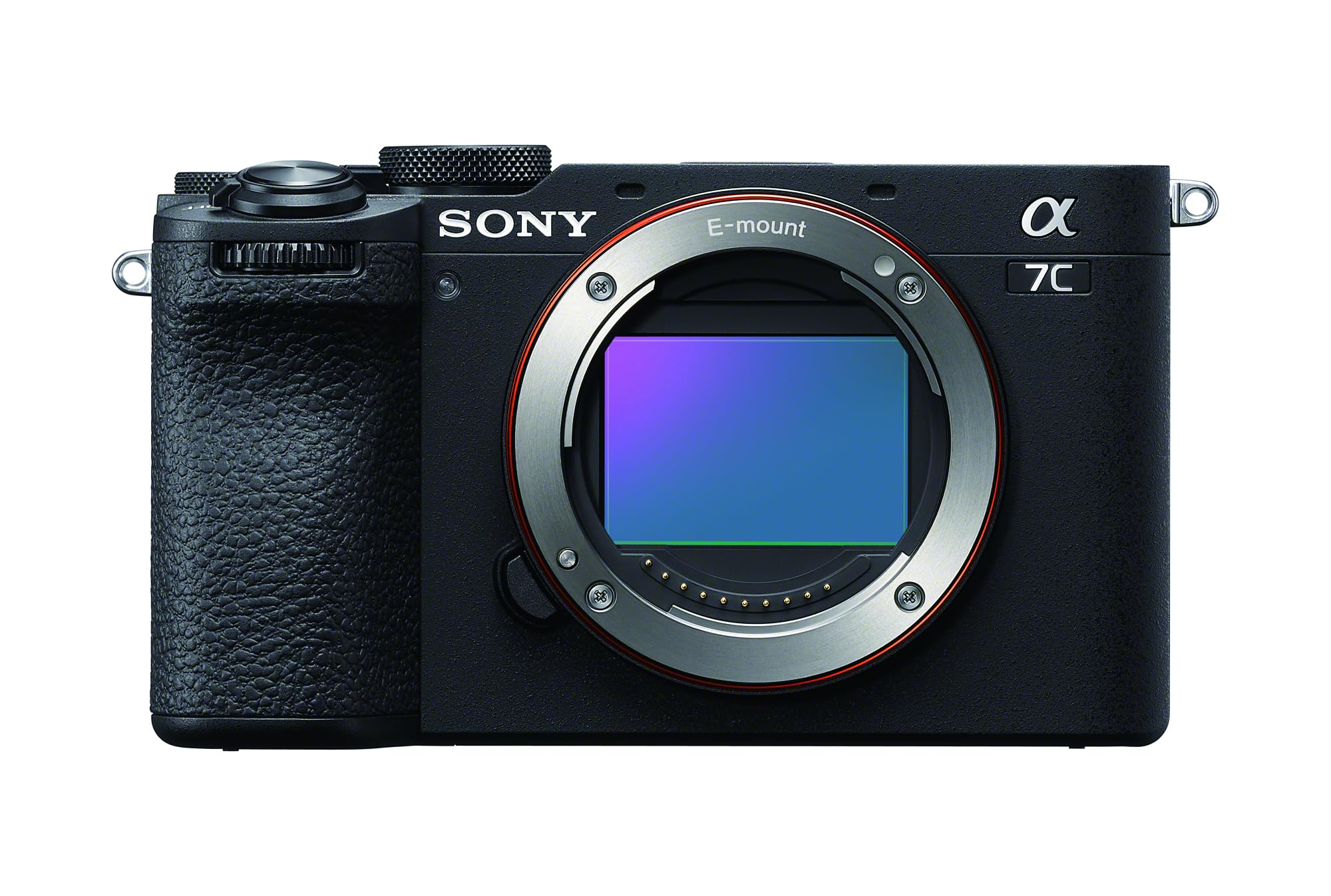
The Nikon Z6 II and the Sony A7C II are both full-frame mirrorless cameras that have garnered attention from photography enthusiasts and professionals alike. Each model represents its manufacturer's approach to balancing performance and usability, appealing to diverse users, from amateur photographers looking to make a leap into full-frame photography to seasoned professionals seeking a reliable second camera. In this comparative analysis, we will delve into critical specifications and real-world capabilities to guide potential buyers in their choice based on specific needs and preferences. Key differentiators between the two models include sensor resolution, autofocus systems, video capabilities, and overall ergonomics.
Specifications Comparison
Detailed Comparison
Image Quality
Image quality is a defining factor for any camera, and both the Nikon Z6 II and Sony A7C II deliver impressive results. The Z6 II features a 25-megapixel sensor while the A7C II offers a higher 33-megapixel resolution, which can be particularly useful for cropping or large prints. Both cameras exhibit excellent high ISO performance, with an ISO range extending from 100 to 51200, expandable to 50-204800, allowing for viability in low-light situations.
In real-world scenarios, users may find that the Z6 II produces slightly warmer colors straight out of the camera, while the A7C II generally yields more detailed images due to its higher megapixel count. Both cameras excel in dynamic range, with the Nikon being known for its superior highlight recovery. The color science of both brands can also affect user preferences, with Brown's followers tending to prefer Nikon for its more natural colors and Sony users often favoring its vibrant saturation.
Overall, the A7C II's higher resolution gives it an edge in this category, making it a suitable choice for those who prioritize cropping flexibility and detail. However, for users who appreciate Nikon's color science and JPEG output, the Z6 II remains a strong contender.
Autofocus System
Autofocus (AF) performance is critical for both still photography and video shooting. Here, the Sony A7C II comes equipped with a more advanced AF system, featuring 759 AF points that utilize phase-detection, compared to the 273 points on the Nikon Z6 II. Additionally, the A7C II employs advanced real-time eye autofocus for both humans and animals, which significantly enhances its capability for capturing moving subjects.
While the Z6 II's autofocus system is considered robust, particularly in low-light scenarios thanks to its design, it does show its limitations when dealing with rapid subject movements compared to the A7C II. The tracking capabilities and accuracy of the A7C II make it the preferred choice for wildlife and sports photography.
In summary, although both cameras provide reliable autofocus systems, the A7C II's superior number of autofocus points and subject-tracking capabilities position it as the clear winner in this category, especially for those who shoot fast-moving subjects or require precise focus on their subjects.
Video Capabilities
Video capabilities are increasingly important in modern cameras, and the Sony A7C II excels in this area with its ability to shoot 4K video at up to 60 frames per second (fps), providing filmmakers with greater flexibility and fluidity in their captures. This frame rate, coupled with its advanced autofocus system, makes it an attractive option for videographers.
In contrast, the Nikon Z6 II supports 4K video at a maximum of 30 fps, which, while still solid, may restrict creative options for those looking to achieve specific cinematic looks requiring higher frame rates. Furthermore, the A7C II is better equipped for higher frame rate slow-motion videos, shaping its appeal for dynamic visual storytelling. Both cameras support 10-bit output for richer colors in video work, but with added versatility due to the A7C II's higher resolution and frame rates.
With the growing trend towards content creation, the A7C II stands out in the video capabilities arena, making it an excellent choice for vloggers and aspiring filmmakers who need performance without compromise.
Build & Ergonomics
In terms of build quality, both cameras are weather-sealed, providing excellent durability for outdoor shooting. However, they cater to different preferences in handling and ergonomics. The Nikon Z6 II, weighing 705g, is relatively heavier, which some users might find beneficial for stability, particularly when using larger lenses. Its grip is designed to accommodate larger hands, offering added comfort for prolonged usage.
On the other hand, the Sony A7C II is notably lighter at 514g and more compact, which makes it a more portable option for traveling photographers or street shooters. Its design prioritizes a sleek silhouette without compromising usability, with a comfortable grip tailored for smaller hands. The separated mode dial also provides quick access to various shooting settings, which can be particularly advantageous in fast-paced environments.
In conclusion, the choice between the two will largely depend on personal preferences for size, weight, and overall handling experience. The Z6 II will appeal to those who favor a more substantial feel, while the A7C II will attract users looking for a lighter, more compact solution.
Battery & Storage
Battery life and storage capabilities play significant roles in a photographer's day-to-day shooting experience. The Nikon Z6 II boasts an impressive battery life of approximately 410 shots per charge, whereas the Sony A7C II shines with an extended battery life of 540 shots, which is particularly beneficial during extended sessions without immediate access to charging options.
Both cameras leverage the same type of storage, utilizing dual card slots in the Z6 II with CFexpress and SD compatibility, whereas the A7C II utilizes a single SD slot. This dual-slot feature in the Z6 II is advantageous for backup, overflow, and separate file management, granting photographers more versatility in their workflow.
Overall, while both cameras provide respectable battery life and storage options, the advantage goes to the A7C II for battery longevity, whereas the Z6 II offers more options and redundancy with its dual card slots - which may influence some users, especially those on longer shoots.
Value for Money
Price is a crucial consideration for many buyers. The Nikon Z6 II is priced at around $1995, making it a compelling option given its robust feature set and performance for those looking to enter the full-frame mirrorless market. Its dual card slots and good battery performance also add to its value proposition for many users.
In contrast, the Sony A7C II is around $2200, which does present a higher price tag. However, this cost can be justified by its higher resolution, superior autofocus system, and enhanced video capabilities, particularly appealing for content creators and professionals. For many potential buyers, the choice boils down to whether they require the additional features warranting the higher price.
Ultimately, for budget-conscious photographers, the Z6 II delivers solid performance at a marginally lower price point, while the A7C II invites those who are willing to pay a premium for higher resolution and features that cater more towards advanced multimedia shooting.
Our Verdict
Overall, the Sony A7C II edges out the Nikon Z6 II primarily due to its superior image quality, advanced autofocus capabilities, and formidable video performance, making it a better choice for content creators and those prioritizing these aspects. However, the Nikon Z6 II still holds its ground with excellent ergonomics, dual card slot advantages, and price, making it a strong contender for traditional photographers and those who prefer its particular handling and color science. Ultimately, your choice will hinge on your specific photographic needs, whether you value the compactness and modern feature set of the A7C II or the versatility and stability provided by the Z6 II.
Nikon Z6 II
Sony A7C II
Also Compare
Frequently Asked Questions
Which camera is better for video shooting?
The Sony A7C II is the better option for video shooting due to its ability to record 4K at 60 fps, advanced autofocus capabilities, and overall superior performance in dynamic content creation.
What are the main differences in image quality?
The Sony A7C II has a higher 33-megapixel sensor compared to the 25-megapixel sensor in the Nikon Z6 II, which provides better detail retention and cropping flexibility in images.
Is the Nikon Z6 II still relevant in 2023?
Yes, the Nikon Z6 II remains a strong full-frame option even in 2023, notably for those who appreciate its ergonomics, image processing, and unique color science that some photographers prefer.
Are both cameras good for low-light photography?
Yes, both cameras perform well in low-light conditions, with comparable ISO ranges extending to 204800. The Z6 II is particularly lauded for its highlight retention, which may appeal more to users focusing on low-light or high dynamic range situations.
Which one is more portable for travel?
The Sony A7C II is more portable due to its lighter weight and more compact design, making it a better choice for travelers or those looking for a discreet shooting experience.