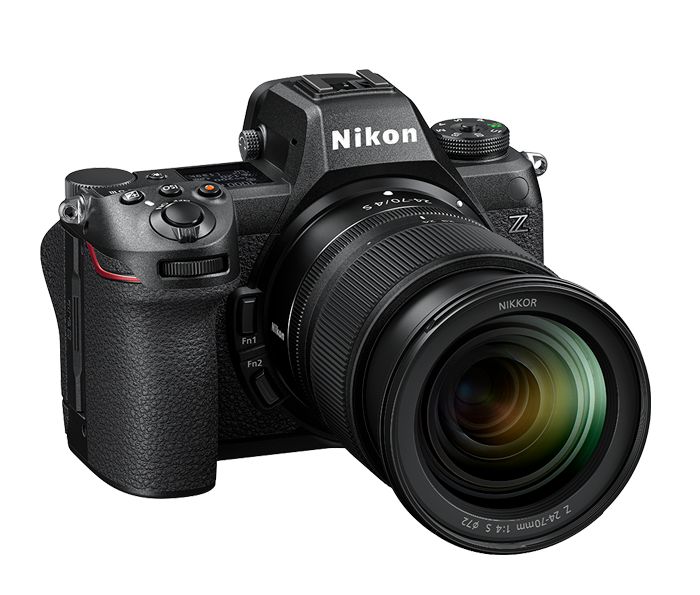
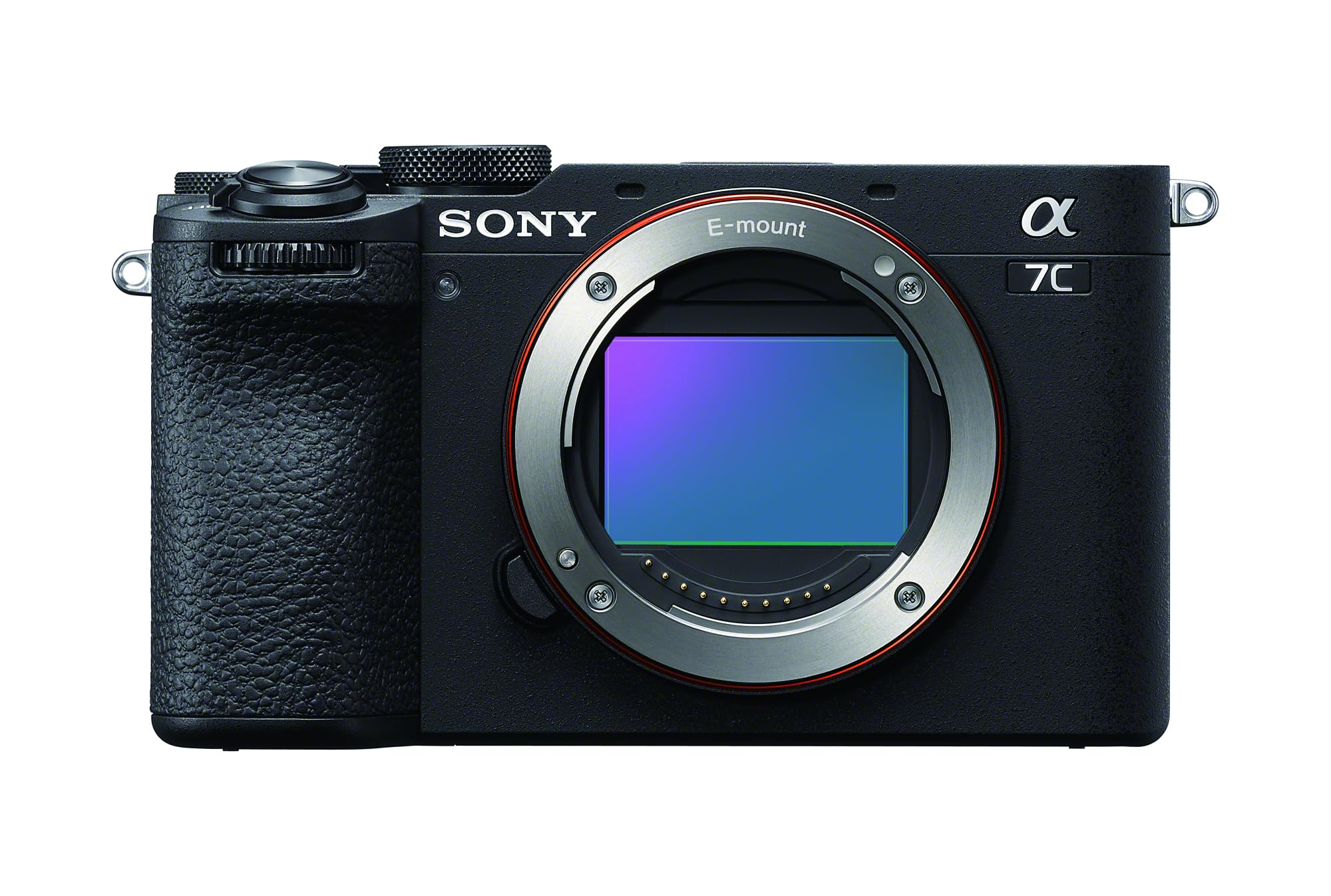
The Nikon Z6III and Sony A7C II are both prominent contenders in the full-frame mirrorless camera market, appealing to a wide range of photographers and videographers alike. These two models are often compared for their impressive specifications, superior build quality, and innovative features. Photographers looking to upgrade or enter the full-frame segment may find themselves torn between the two, as both offer compelling advantages in various aspects. Key differentiators include their sensor resolution, autofocus capabilities, video features, and overall handling.
Specifications Comparison
Detailed Comparison
Image Quality
When it comes to image quality, both cameras deliver impressive performance due to their full-frame sensors. The Nikon Z6III features a 25-megapixel sensor, while the Sony A7C II boasts a higher resolution 33-megapixel sensor. This difference allows the A7C II to capture more detail, which can be particularly beneficial for large prints or heavy cropping in post-processing. Furthermore, while both cameras offer excellent high ISO performance, the A7C II has a broader ISO range that extends to 204800, providing additional flexibility in low-light situations. Conversely, the Z6III's maximum native ISO of 64000 is still formidable, ensuring high-quality images even in challenging lighting conditions. Overall, the Sony A7C II edges out in image quality primarily due to its higher resolution.
Autofocus System
The autofocus systems of both cameras reflect their respective companies' advancements in technology. The Nikon Z6III utilizes a hybrid autofocus system with 273 phase-detection points, delivering reliable performance suitable for most shooting scenarios. In contrast, the Sony A7C II features a more robust autofocus system, boasting 759 points, which promises faster and more accurate focusing, especially during action photography. The A7C II includes advanced tracking capabilities and Real-time Eye autofocus, which is invaluable for portraits or capturing moving subjects. Although the Z6III offers solid autofocus performance, the greater number of points and enhanced features of the A7C II makes it the clear winner in this category.
Video Capabilities
Both the Nikon Z6III and the Sony A7C II offer significant video features, appealing to videographers. The Z6III excels in stabilization with its 8 stops of in-body image stabilization, making it advantageous for handheld video shooting. However, while the Z6III supports 4K recording, it does not reach the impressive 4K 60p capability available in the A7C II, which is particularly beneficial for cinematic video effects and smooth motion. The A7C II also supports advanced video features such as S-log and high frame rates, making it more versatile for video creators. Thus, when considering video capabilities, the Sony A7C II emerges as the superior choice.
Build & Ergonomics
In terms of build quality, both cameras carry weather-sealed bodies that suggest durability in various conditions. The Nikon Z6III, being slightly bulkier and heavier at 760 grams, feels more substantial in hand, offering a robust grip for prolonged use. The dimensions of 139 x 102 x 74 mm also accommodate additional features, which may appeal to some photographers. Meanwhile, the Sony A7C II is compact and lightweight at 514 grams, making it ideal for those seeking portability without sacrificing performance. Its smaller size can be advantageous for travel and street photography. Ergonomics may be subjective, depending on user preferences for grip and weight, but the A7C II's lighter form factor often attracts those who prioritize mobility. In summary, the differences in ergonomics result in the A7C II having a significant advantage for users needing a travel-friendly option.
Battery & Storage
Battery life is a critical factor for many users, especially when shooting events where changing batteries can be disruptive. The Nikon Z6III offers around 380 shots per charge, which is respectable, but the Sony A7C II excels with a battery life of approximately 540 shots, allowing for longer shooting sessions without interruption. In terms of storage, both cameras utilize dual-card slots which ensure redundancy during important shoots but the formats differ; the Z6III supports CFexpress and SD UHS-II, whereas the A7C II relies solely on SD cards which might not provide the same speed for high-bitrate video captures. Given the superior battery performance of the A7C II along with the flexible storage options it offers, Sony takes the edge once again.
Value for Money
Pricing is a critical consideration for potential buyers, with the Nikon Z6III retailing at $2500 and the Sony A7C II at a somewhat more approachable $2200. The difference in price, combined with the specifications, suggests that the A7C II offers more features for less money. Those seeking a camera primarily for high-resolution photography or extensive video capabilities may justify the additional cost of the Z6III. However, for the majority of users, the A7C II presents a more attractive value proposition due to its superior autofocus, battery life, and video features at a lower price point without sacrificing too much in image quality. Thus, for most photographers and videographers, Sony's offering stands out as more cost-effective.
Lens Ecosystem
Both Nikon and Sony have made substantial investments in their lens ecosystems, which is a vital aspect for continuous growth in the user's photographic journey. Nikon's Z-mount is continually expanding with a good selection of lenses, though it does not yet match the breadth offered by Sony's E-mount system. The Sony A7C II benefits from an extensive selection of native E-mount lenses, which includes everything from super-telephotos to specialized optics. This creates a distinct advantage for Sony users who may desire more choices for specific creative expressions. As of now, Nikon's growing lens line-up is promising but the established groundwork Sony has laid out gives it a sharper competitive edge in this area.
Our Verdict
In conclusion, the Sony A7C II clearly outshines the Nikon Z6III across several key areas, including autofocus performance, video capabilities, battery life, and overall value for money, despite having a higher resolution. While the Z6III produces excellent image quality and offers advanced stabilization, the features of the A7C II, combined with its portability and price point, make it more appealing to a broader audience. Photographers seeking versatility without compromising on performance should find the A7C II to be the better overall choice.