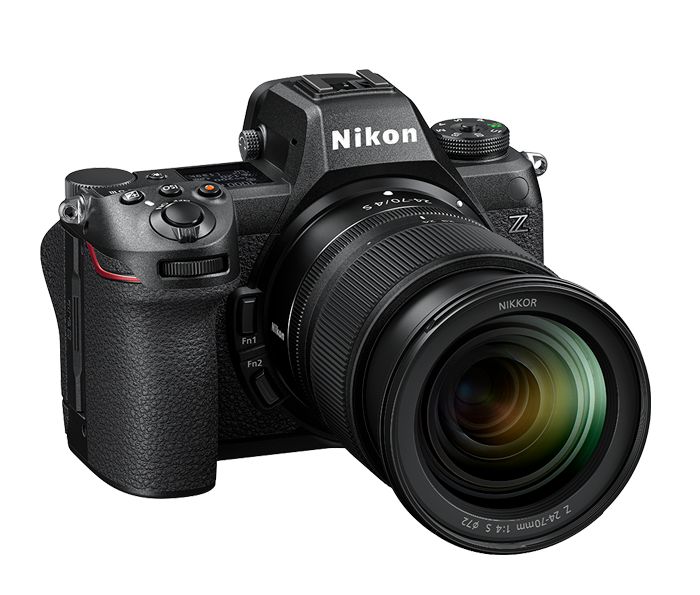
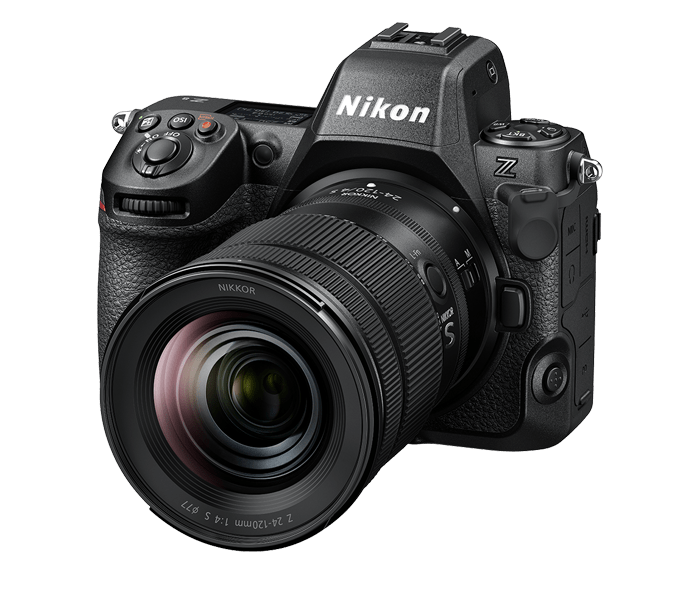
The Nikon Z6III and Nikon Z8 are two compelling mirrorless cameras that cater to the needs of photographers and videographers alike, often leading to comparisons between the two due to their overlapping feature sets and market positioning. The Z6III is aimed at enthusiasts and versatile users seeking a balance between performance and affordability, while the Z8 appeals to professionals looking for top-tier specifications and advanced capabilities. Key differentiators between them include sensor resolution, autofocus systems, continuous shooting speed, and video features, making them contenders in different use cases despite their common lineage.
Specifications Comparison
Detailed Comparison
Image Quality
Both the Nikon Z6III and Z8 feature a full-frame sensor measuring 35.9 x 23.9 mm. However, the Z8 offers a significant advantage with its 46 megapixels compared to the 25 megapixels of the Z6III. This difference allows the Z8 to capture more detail, making it ideal for large prints and cropping flexibility. The Z6III, with its lower resolution, performs exceptionally well in low-light scenarios due to less pixel density, resulting in cleaner images at higher ISOs. The Z6III has an ISO range of 100-64,000, which gives it a slight edge in high sensitivity shooting, while the Z8's capabilities are still impressive but not as expansive. Therefore, for photographers focused on maximum resolution and detail, the Z8 is the clear winner, whereas the Z6III excels in low-light conditions.
Autofocus System
When it comes to autofocus, the Z8 surpasses the Z6III with 493 autofocus points compared to 273. This larger number of points improves focusing accuracy and speed, making the Z8 more adept at tracking moving subjects. Particularly in sports and wildlife photography, the Z8's autofocus performance can be a game-changer. Both cameras feature an electronic viewfinder, but the increased autofocus capabilities of the Z8 provide a significant advantage in dynamic shooting situations. Additionally, the Z8's enhanced tracking algorithms mean that the focus will remain locked even on fast-moving subjects, which might falter on the Z6III under similar scenarios. The sophistication of the Z8's autofocus system makes it the preferred choice for users who prioritize reliability in focus accuracy.
Video Capabilities
The video performance of the Z8 is unparalleled, boasting capabilities that include 4K video recording at an impressive 120 frames per second, while the Z6III lacks such advanced high frame rate options. With the rise of video content creation, especially for professionals, the Z8 offers features like higher resolution and better high-definition performance. The Z6III still performs admirably for 4K recording but does not match the Z8's capabilities, which might limit its appeal to videographers. For those aiming to shoot high-action scenes or requiring greater cinematic control, the Z8's video specs make it the more favorable option, establishing itself as a tool of choice for filmmakers.
Build & Ergonomics
Both the Nikon Z6III and Z8 are weather-sealed, ensuring durability and usability in challenging environments. However, the Z8 is slightly heavier, weighing 910g compared to the Z6III's 760g, which may be a consideration for users who prioritize portability. The Z8 also features a slightly larger grip, which can enhance comfort during extended shooting sessions. That said, the Z6III's dimensions make it more compact and lighter, making it more appealing for travel or street photography. While the Z8 offers a more robust build, the ergonomic design of both models should satisfy most users. Ultimately, user preference will dictate whether they value the sturdiness or the lightweight design.
Battery & Storage
The Nikon Z6III boasts a longer battery life, rated at approximately 380 shots, compared to the Z8's 340 shots. This can be a significant factor for users who shoot in environments where changing batteries is inconvenient. Both cameras use the Nikon Z mount and share compatibility with a range of Nikkor lenses. When it comes to storage, both models support SD cards but differ in the kind of memory cards they can use depending on configurations (e.g., CFexpress in the Z8). For extended shooting sessions, the Z6III's battery advantage gives it a practical edge, especially for event or landscape photographers who don't want to frequently swap batteries.
Value for Money
In terms of pricing, the Z6III is positioned at $2,500 whereas the Z8 is priced at $3,999. For many potential buyers, the Z6III represents a better value, providing robust performance and quality for a lower investment. The Z8, while offering higher specifications and features suitable for professionals, presents a higher entry cost that may deter enthusiasts or casual users. For those who prioritize advanced features and future-proofing, the Z8 can justify its price tag, but for users who are looking for solid performance without the need for the latest specs, the Z6III provides a fulfilling photographic experience for less money.
Our Verdict
Overall, the Nikon Z8 edges out the Z6III in most performance aspects, particularly in image resolution, autofocus capabilities, and video features, making it a suitable choice for professional photographers and videographers seeking the highest quality. However, the Nikon Z6III offers a compelling combination of lightweight design, better battery life, and value for money, catering well to enthusiasts and casual users. For those whose focus is solely on high-end performance and who can accommodate the budget, the Z8 is the definitive choice, while the Z6III remains a strong contender for those who appreciate balance and affordability.
Nikon Z6III
Nikon Z8
Also Compare
Frequently Asked Questions
Which camera is better for low-light photography?
The Nikon Z6III has a lower megapixel count, which allows for better performance in low-light scenarios as it tends to produce cleaner images with less noise at higher ISO settings.
Is the Nikon Z8 worth the extra cost?
If you need the highest resolution, advanced autofocus capabilities, and superior video performance, the Z8 justifies its price for professional users. However, for average users or hobbyists, the Z6III offers excellent value at a lower cost.
How do the battery lives compare?
The Z6III has a longer battery life, rated at approximately 380 shots, whereas the Z8 is rated for about 340 shots, making the Z6III more suitable for long shooting sessions without needing frequent battery changes.
What are the main differences in autofocus performance?
The Nikon Z8 has 493 autofocus points, providing better tracking and focusing capabilities compared to the Z6III's 273 points, making the Z8 more effective in capturing fast-moving subjects.
Can the Z6III shoot 4K video?
Yes, the Nikon Z6III can shoot 4K video, but it does not support high frame rates like the Z8, which can shoot 4K at 120 frames per second.