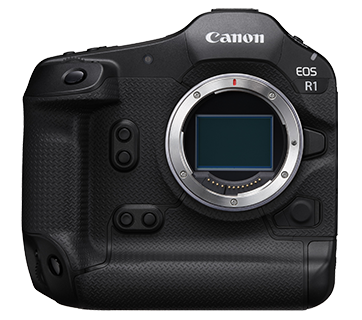
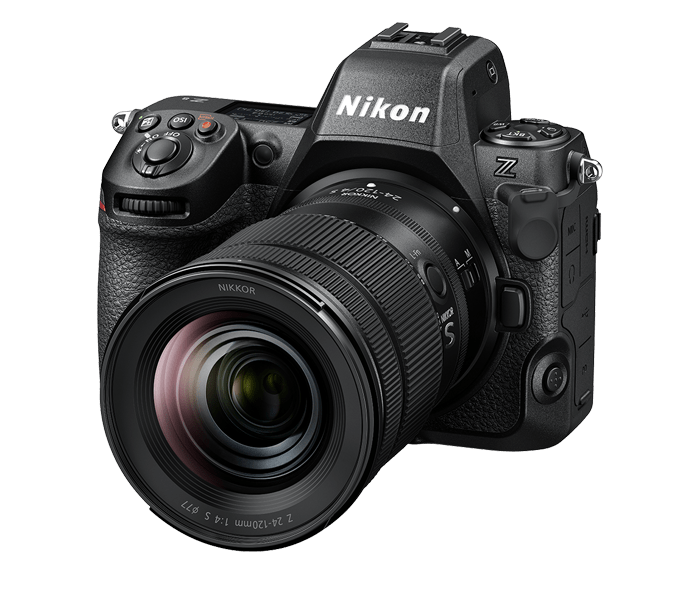
The Canon EOS R1 and Nikon Z8 represent two of the most advanced full-frame mirrorless cameras from their respective brands, appealing to professional photographers and videographers alike. Offering a range of impressive specifications, these cameras are often compared by those considering a top-tier option for wildlife photography, sports, or video production. Key differentiators include sensor resolution, autofocus capabilities, video performance, ergonomics, and price, which significantly influence the choice between these two models.
Specifications Comparison
Detailed Comparison
Image Quality
When it comes to image quality, the Nikon Z8 takes the lead with its 46 megapixel sensor, providing greater detail and resolution that appeals to landscape and commercial photographers. The higher megapixel count of the Z8 allows for cropping without significant loss in quality, making it ideal for detailed prints and expansive landscapes. In contrast, the Canon EOS R1, with its 24 megapixel sensor, may fall short in resolution but offers excellent dynamic range and color reproduction, which are crucial for portrait and event photography. Overall, while the R1 produces high-quality images, the increase in pixel count generally gives the Z8 an edge in image fidelity, particularly in challenging lighting conditions.
Autofocus System
The autofocus system is one of the standout features of the Canon EOS R1, boasting an impressive 4,897 autofocus points, which provide unrivaled coverage and quick focusing across the frame. This advanced autofocus system is ideal for capturing fast-moving subjects, making it an excellent choice for sports and wildlife photography. The Z8, although it offers a robust system with 493 points, cannot quite match the dense point coverage of the R1. However, the Z8's autofocus is still very reliable, featuring eye-tracking and subject recognition that perform exceptionally well in a variety of shooting scenarios. While both cameras perform well, the R1's ambitious autofocus capabilities make it a winner in this category.
Video Capabilities
For videographers, the Nikon Z8 showcases impressive video capabilities with the ability to shoot 4K at 120 frames per second, offering stunning slow-motion video options that can elevate creative projects. The Z8 also includes features such as N-Log and ProRes RAW recording, which are vital for professional productions. In comparison, though the Canon EOS R1 is equipped for videography, its primary focus remains on photography, and it does not match the Z8's high frame rate video capabilities. The addition of more comprehensive video features in the Z8 clearly positions it as the better option for professional video content creation, making it the ideal choice for filmmakers.
Build & Ergonomics
Build quality and ergonomics are areas where both the Canon EOS R1 and Nikon Z8 excel, with weather-sealed bodies that are designed to withstand the rigors of professional use. The R1's larger dimensions and weight make it slightly bulkier, which some photographers prefer for stabilization, whereas others may find the Z8's lighter weight and more compact size easier to handle for long shooting sessions. The button layouts are well thought out on both cameras, but the R1 features a larger touchscreen display, which can enhance usability in the field. Ultimately, this aspect comes down to personal preference in handling and ergonomics, resulting in a tie.
Battery & Storage
When discussing battery life, the Nikon Z8 has an advantage, rated for approximately 340 shots per charge, thanks to its more efficient design. The R1 is heavier at 1,115 grams and, while it has excellent performance, its overall battery endurance can sometimes result in needing to switch batteries during intensive shoots. Both cameras support high-speed storage options, ensuring quick writing speeds that align with their high performance. Given these details, the Z8's superior battery longevity gives it the edge in this category, especially for extended shooting sessions without access to charging facilities.
Value for Money
In terms of pricing, the Nikon Z8 is significantly more affordable at $3,999 compared to the Canon EOS R1, which retails for $6,299. This price difference makes the Z8 an attractive option for photographers and videographers looking for high-end features without exceeding their budget. The substantial difference in megapixels, build quality, and video features combined with the price tag makes the Z8 an exceptional value for many users. While the R1 has a range of advanced features that may justify its price for professional photographers, the Z8 offers a compelling combination of features that enhance its appeal as a value-driven choice.
Lens Ecosystem
Both Canon and Nikon boast a rich ecosystem of lenses compatible with the EOS and Z series, respectively. Canon's RF mount benefits from a broad selection of high-performance RF lenses, ensuring photographers can access a range of options tailored to their creative needs. Nikon also offers a strong lineup of Z mount lenses, featuring excellent optics and versatility. While the number of available lenses can vary between the two systems, both brands frequently expand their offerings, catering to various photography styles. Thus, photographers considering either system can find suitable lenses, making this aspect a tie.
Our Verdict
Overall, the Nikon Z8 emerges as the winner when considering its impressive resolution, superior video capabilities, and excellent value for money. The lower price point combined with robust features makes it suitable for a wide range of photographers and videographers. However, the Canon EOS R1 excels in autofocus performance and provides a robust build that could be more appealing for pure photography enthusiasts focusing on fast-paced action. The best choice hinges on the specific needs of the user - whether they prioritize still photography or video production, the features of both cameras can serve their respective audiences well.
Canon EOS R1
Nikon Z8
Also Compare
Frequently Asked Questions
Which camera offers better image resolution?
The Nikon Z8 offers a higher resolution of 46 megapixels compared to the 24 megapixels of the Canon EOS R1, making it better for large prints and detailed images.
Which camera has superior autofocus capabilities?
The Canon EOS R1 has a significantly greater number of autofocus points (4897 compared to 493), providing more comprehensive focusing coverage for fast-moving subjects.
Is the Nikon Z8 better for video production?
Yes, the Nikon Z8 supports 4K video at 120 frames per second, providing superior capabilities for slow-motion footage and extensive video features compared to the R1.
How do the build qualities compare?
Both cameras have robust, weather-sealed bodies designed for professional use. The choice depends more on personal preferences regarding size and ergonomics.
Which camera is more budget-friendly?
The Nikon Z8 is notably more budget-friendly at $3,999 compared to the Canon EOS R1 priced at $6,299, making the Z8 a better value proposition for many users.