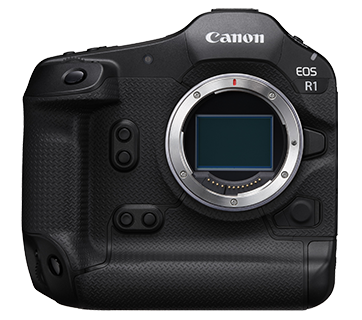
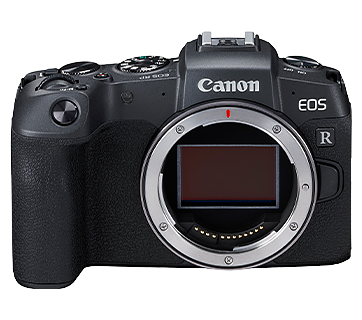
The Canon EOS R1 and EOS RP are two full-frame mirrorless cameras that serve different segments of the market but are often compared due to their Canon RF mount compatibility and strong performance. The EOS R1 is designed for professionals demanding advanced features, while the EOS RP is an entry-level option appealing to enthusiasts and amateurs. Potential buyers typically weigh the R1's advanced capabilities, such as superior autofocus, stabilization, and build quality, against the more accessible price and user-friendly features of the RP.
Specifications Comparison
Detailed Comparison
Image Quality
Both the Canon EOS R1 and EOS RP feature full-frame sensors, delivering impressive image quality for photographers. The R1 sports a slightly reduced 24 megapixels, compared to RP's 26 megapixels. However, the R1 benefits from enhanced dynamic range and color depth thanks to its newer sensor technology, making it better suited for professional use where image quality is paramount. Additionally, the R1 generally provides superior performance in low-light situations due to its advanced processing capabilities, which often leads to cleaner images at higher ISOs compared to the RPs capabilities.
The RP has an advantage in its ISO range, accommodating values from 100 to 40,000 which can be expanded to 50-102,400, offering a versatile option for various shooting conditions. Despite this, the native performance of the R1 across wider ISO values is likely to yield higher-quality images in tough lighting conditions, making the EOS R1 preferable for professionals.
Overall, the image quality of both cameras is commendable, but the R1's superior technology and handling of high dynamic range scenes give it the edge here.
Autofocus System
The autofocus capabilities of the EOS R1 dwarf those of the EOS RP, with an impressive 4,897 autofocus points compared to the RP's 4,779 points. The R1's autofocus system is designed for high-speed tracking, making it particularly suited for capturing fast-moving subjects, a priority for pro photographers in sports or wildlife photography. In contrast, while the RP's autofocus system is reliable, it may struggle to keep up with rapid motion as effectively as the R1.
Moreover, the R1 also features advanced face and eye detection technology that reliably maintains focus on subjects even in challenging conditions, again reinforcing its suitability for high-demand shooting environments. The RP, while competent, does not match the tracking and responsiveness of the R1.
In summary, the EOS R1 stands out with its faster and more accurate autofocus system, tailored for professional use, making it a clear winner in this category.
Video Capabilities
When it comes to video capabilities, the EOS R1 includes features that cater to advanced videography, while the EOS RP offers limited options. The R1 is equipped to handle high-resolution video and supports various frame rates, including 4K at higher resolutions and without any crop, catering to content creators looking for professional-grade video output. This allows for flexibility in post-production and enhances overall video quality.
On the other hand, the RP records videos in 4K at 24p but has a crop factor, which can limit wide-angle shooting and overall flexibility, something that users often find disappointing at times. The RP features a lower detailed screen resolution compared to the R1, which can affect the user experience during filming.
Given these factors, the EOS R1 takes the lead in video capabilities, thanks to its advanced recording options, higher resolutions, and overall production quality.
Build & Ergonomics
The Canon EOS R1 is designed with professional-grade materials and is weather-sealed, confirming its robustness against environmental conditions. This build quality makes it particularly appealing for photographers who often shoot in diverse conditions, as it handles dust, moisture, and rugged use without compromising performance. It also features a larger grip and more controls, which professional users appreciate for extended shooting sessions.
Conversely, the EOS RP is lightweight and compact, making it an attractive option for travel photography or casual shooting. Its smaller dimensions provide ease of use for less demanding scenarios but may feel less comfortable for longer sessions compared to the more substantial R1.
In terms of ergonomics, while the R1 wins for build quality and durability, the RP excels in portability and ease of handling for less intensive use cases. Therefore, the preference between these models may depend greatly on user intention.
Battery & Storage
In terms of battery life, the RP offers a modest shot count of around 250, which may restrict use without frequent recharges, especially during long shoots. In contrast, the EOS R1 provides significantly enhanced battery performance aligning with professional demands-though the exact rating isn't specified, higher usability in both shooting stills and video is expected. The added heft from the R1 also seems to correlate with a more robust power management system, assuring longer use periods between charges.
When considering storage, both cameras utilize the same Canon RF mount allowing access to Canon's wide range of lenses, but the RP is more suited to beginners due to its price and foundational features, dealing adequately with storage media. On the flip side, the R1's vast capabilities require faster cards to handle its data throughput during more intense shooting scenarios.
Overall, while the RP is functional and suitable for its target audience, the more extensive battery life and storage management of the R1 highlights its design for a professional user environment.
Value for Money
The Canon EOS RP, priced at around $1,299, offers substantial value for hobbyists or photography enthusiasts looking to step into full-frame photography. It delivers a great balance of features, image quality, and portability, presenting an attractive option for those not needing the extensive capabilities of a professional camera. The RP's pricing positions it well for those entering the full-frame system without a heavy investment.
On the other hand, the Canon EOS R1, with its price tag of $6,299, is a significant investment targeted specifically at professionals who demand superior functionality in demanding environments. The extensive features in autofocus, video capabilities, build quality, and performance justify the cost for serious photographers and videographers.
Ultimately, while the RP offers incredible value for its price point, the R1's advanced technology and performance make it a sound investment for users who require top-tier performance. Depending on the user's level of expertise and specific needs, either option provides value within its category, but each operates in different segments of the market.
Our Verdict
Overall, the Canon EOS R1 emerges as the winner due to its comprehensive capabilities designed for professional-grade performance, especially in challenging shooting scenarios where autofocus speed, image quality, and video features are paramount. The EOS RP remains an excellent choice for those who prioritize a lightweight and accessible camera for casual shooting without overwhelming features. Each camera excels in its domain, but the R1's advanced features clearly target serious photographers aiming for exceptional results.