Overview
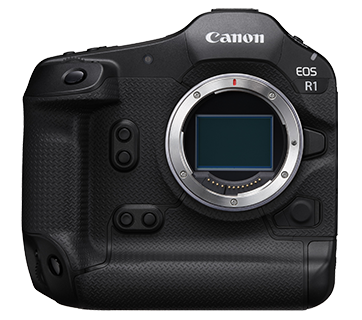
The Canon EOS R1 is Canon's new flagship mirrorless camera for 2024, positioned as the ultimate tool for professional sports, action, and events photographers. The R1 is designed for speed and reliability, featuring a full-frame 24MP sensor, an advanced autofocus system with nearly 5,000 focus points, high-speed burst rates, and robust weather-sealing. At $6,299, it sits at the premium end of Canon's lineup, above the R3 and R5 II in both capability and price, targeting demanding professionals who require absolute dependability in fast-paced scenarios.
Key selling points for the EOS R1 include its industry-leading continuous shooting modes (including up to 240fps burst), unique Eye Control AF, 8-stop in-body stabilization, enhanced dynamic range, and impressive video features like 6K RAW recording and unlimited 40fps stills/video capture. The camera is solidly built to handle extreme environments, with an ergonomic design inherited from Canon's sports flagship DNA. However, its relatively modest 24MP resolution, lack of built-in ND filters, and high price mean it's not the best all-arounder for every user, particularly landscape, studio, or high-res wildlife shooters.
For professionals invested in the Canon RF system who prioritize speed, autofocus reliability, and ruggedness over maximum resolution, the EOS R1 is easily one of the most capable sports/action mirrorless cameras available, with compelling advantages over both its Canon siblings and key competitors from Sony and Nikon.
Image Quality
The Canon EOS R1 sports a newly designed 24-megapixel full-frame sensor, aimed at maximizing speed and responsiveness rather than sheer resolution. In practice, images out of the R1 exhibit excellent color rendering and dynamic range, with particularly impressive highlight and shadow recovery—a significant improvement from the R3. Photographers will appreciate the clean files up to ISO 6400, with usable performance well above that thanks to Canon's latest noise reduction processing.
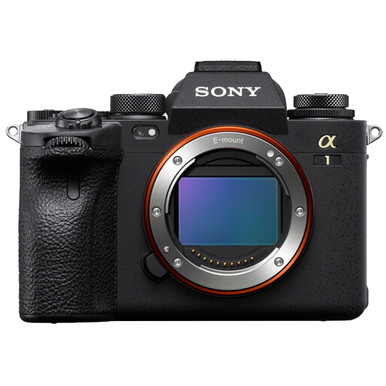
That said, the R1's 24MP sensor places it behind some contemporaries, such as the Nikon Z9 (45.7MP) and Sony A1 (50MP), when it comes to fine detail and cropping headroom. This will be noticeable for wildlife or landscape photographers accustomed to extensive cropping or very large prints. Canon's image processing does provide excellent JPEGs out of camera, with pleasing tonality and superb skin tones.
RAW files are flexible for post-processing, and Canon's color science continues to satisfy both professionals and enthusiasts. The extended dynamic range means challenging lighting—such as brightly lit athletic arenas or outdoor scenes with deep shadows—are handled with confidence. For users focused primarily on image resolution, the R1's 24MP may feel limiting compared to both the R5 II and rival flagships.
In summary, the R1 offers stellar image quality for the vast majority of editorial, journalistic, and action assignments, trading extreme pixel count for speed, cleanliness, and reliability.
What Users Say
"For many, that actually makes it a better choice than the R1 and for thousands less."
-- Reddit community
Autofocus Performance
Canon has equipped the EOS R1 with a remarkable autofocus system featuring 4,897 selectable points, incorporating deep learning AI for advanced subject detection, tracking, and the much-discussed Eye Control AF. The autofocus system builds on the acclaimed Dual Pixel CMOS AF II, further refined for both speed and accuracy. It excels in tracking fast-moving subjects, even against congested backgrounds—a critical edge for sports and wildlife photographers.
One of the R1's standout features is its Eye Control AF, which allows photographers to move the AF point by simply looking at a subject through the viewfinder. Initial skepticism from the community has turned to praise, with fast, intuitive eye-controlled subject selection working reliably for most users once calibrated. This, combined with blazing fast focus acquisition and sticky subject tracking, makes the R1 a uniquely responsive tool for dynamic action.
Face, eye, animal, and vehicle detection modes are deeply customizable, meaning users can tailor the system for their specific subject matter. The R1 also benefits from extremely fast readout speeds, which reduces any blackout or lag between frames—ensuring you never miss a critical moment.
In very low-light or contrasty scenarios, the autofocus holds its own, though some competitors like Sony's A1 may focus marginally faster in near-darkness. Still, for most action shooting, the combination of intelligence, speed, and user control puts the R1 at the absolute top tier.
What Users Say
"Eye Control AF works extremely well. I had doubts but after a quick setup it followed my dark colored eye around flawlessly."
-- Reddit community
Build Quality & Ergonomics
Canon has designed the EOS R1 as a true professional workhorse, with a magnesium alloy chassis, full weather-sealing, and controls that feel familiar to long-time Canon users. Weighing in at 1,115 grams and measuring 158 x 150 x 87 mm, the R1 is substantial but well-balanced, with a deep grip and large, tactile buttons that cater to gloved hands and demanding outdoor shooting conditions.
The large 3.2-inch touchscreen offers 2.1 million dots, with robust articulation and excellent visibility even in bright sunlight. The top-plate and rear LCD both offer customizable info displays. One of the community’s most praised features is the huge, high-resolution 9.44-million-dot OLED electronic viewfinder, which delivers a life-like, immersive experience rivaled only by the latest Sony and Nikon flagships. The EVF's fast refresh and minimal lag ensure precise composition during rapid bursts.
Canon has also listened to working professionals, providing dual card slots (though not CFexpress, which some may miss for the fastest workflows), a generous control layout, and logically placed custom function buttons. The camera's build inspires confidence in tough environments, with weather-sealing that fends off dust, rain, and cold.
On the downside, some users find the synthetic curtain shutter sound to be less satisfying than a traditional mechanical shutter, and at over a kilo body-only, the R1 may fatigue users who prefer lighter kits for long events.
What Users Say
"Solid build quality designed for rugged use in diverse environmental conditions."
-- Reddit community
"Some users feel the shutter sound is artificial and lacks the authenticity of traditional mirror mechanisms."
-- Reddit community
Video Capabilities
The EOS R1 is not just a stills powerhouse—it offers cutting-edge video specs that appeal to multimedia creators and hybrid shooters. The camera supports 6K RAW internal recording and high frame rate 4K capture, alongside unlimited 40fps burst recording for both still and moving images. This positions the R1 as a legitimate option for event shooters who need top-tier video and stills performance from a single body.
Video quality is excellent, with detailed footage, pleasing color profiles, and strong dynamic range. Canon's renowned Dual Pixel AF is just as reliable in video mode, providing fast, accurate subject tracking with minimal focus breathing. The 8-stop in-body stabilization further ensures smooth handheld footage, even at longer focal lengths.
However, the community notes some caveats. The lack of built-in ND filters requires the use of external filters for video work in bright conditions, complicating fast-paced video setups. Heat management is much improved over previous models, and Canon promises essentially unlimited record times for most shooting scenarios, removing a pain point of earlier mirrorless cameras.
Overall, while not a true cine camera, the R1's video capabilities will delight journalists, sports shooters, and hybrid operators—especially those who appreciate the ability to shoot stills and video simultaneously without interruption.
What Users Say
"Creative video features including unlimited 40fps and 6K RAW recording."
-- Reddit community
"Lacks built-in ND filters, requiring additional purchases for optimal video performance."
-- Reddit community
Battery Life & Storage
Canon's pro-grade LP-E19 battery is carried over to the R1, allowing for decent endurance in the field. However, real-world usage suggests battery life is merely average by flagship mirrorless standards, particularly when using high burst rates, video, or the ultra-high-resolution EVF. Most users should plan on carrying spare batteries for all-day events, echoing the concerns seen with prior EOS R models.
On the storage front, the R1 features dual memory card slots, though notably these do not support the CFexpress standard now common in top-tier sports cameras. This may limit maximum sustained write speeds for 6K/RAW video and extreme burst modes, and some professionals accustomed to the ultra-fast cards may see this as a step back—especially for fast turnaround workflows.
Despite this, for most high-speed JPEG and RAW stills, the supplied SD UHS-II slots suffice, and Canon's buffer performance remains admirable. The camera does offer fast USB-C charging and data transfer capabilities for studio or tethered work.
For those who demand the fastest media support and longest shooting endurance, the R1 is decent but not class-leading, and users upgrading from Canon's 1D X series or Nikon/Sony equivalents may notice the difference in sustained operation.
What Users Say
"Limited media options with no CFexpress compatibility might hinder some users."
-- Reddit community
"Battery life could be improved, similar concerns noted with previous models."
-- Reddit community
Value for Money
At $6,299, Canon is targeting the EOS R1 at professionals and agencies who require a no-compromise tool for the most demanding scenarios. In this context, the camera's state-of-the-art autofocus, high build quality, and reliability justify its cost—but for enthusiasts, semi-pros, and those not needing extreme burst rates, the cost is harder to rationalize.
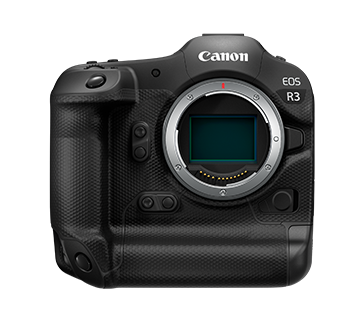
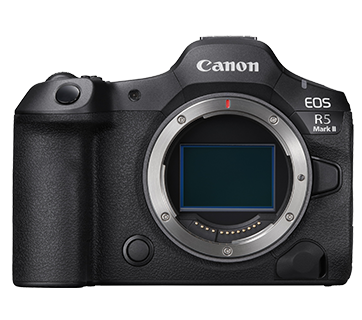
Relative to the Canon R3, which shares a similar rugged design and provides a balance of speed and higher resolution at a notably lower price, the R1 feels like an incremental rather than revolutionary upgrade for all but the fastest action assignments. Comments in user discussions often suggest that for many buyers, the R5 II or even R3 will deliver all the performance they're likely to need—at a more attainable price point.
When compared to flagships from Sony (A1) and Nikon (Z9), the R1 matches or slightly exceeds in areas of autofocus intelligence, burst speed, and weather sealing, but trails in resolution and media options. For specialists (especially sports or news photographers already in Canon's ecosystem), the R1 is a wise investment, but it's less compelling for those who require high-resolution files or more flexible media formats.
Ultimately, the EOS R1 delivers premium performance at a premium price, and is best seen as a highly targeted tool rather than an all-purpose pro camera.
What Users Say
"I'm still waiting for the APS-C sensor in a R3/R1 body."
-- Reddit community
"For many, that actually makes it a better choice than the R1 and for thousands less."
-- Reddit community
Key Specifications
| Stabilization | 8 stop(s) |
Pros & Cons
Pros
- Industry-leading high-speed burst shooting up to 240fps
- Exceptional autofocus system with Eye Control AF for intuitive subject selection
- Rugged, weather-sealed build suitable for demanding environments
- Top-tier 9.44M-dot OLED EVF provides immersive viewing experience
- Excellent in-body stabilization (up to 8 stops) for both stills and video
- Impressive dynamic range and color performance
- Strong video specs, including raw 6K and unlimited 40fps stills/video capture
- Simultaneous stills and video shooting without interruption
Cons
- Modest 24MP resolution less suited for heavy cropping or large-format printing
- High price may not be justified for all users, especially non-specialists
- Absence of built-in ND filters complicates video workflows
- Battery life could be better, especially for all-day or intensive shooting
- No CFexpress card support limits maximum write speeds and buffer performance
- Artificial shutter sound may not appeal to some traditionalists
- Relatively bulky and heavy for a mirrorless camera
- Video shooters must budget for additional accessories (ND filters, spare media)
Verdict
Canon EOS R1
The Canon EOS R1 is a meticulously engineered flagship, tailor-made for the most demanding action, sports, and news photographers. Its combination of near-instantaneous burst rates, brilliantly responsive autofocus—including ground-breaking Eye Control AF—rugged weather-sealed chassis, and robust video capabilities place it firmly at the apex of Canon’s mirrorless line. For working professionals in these fields, the R1 is a justifiable investment that will withstand the rigors of real-world assignments while ensuring critical moments are captured reliably and with exceptional image quality.
However, the R1’s relatively modest resolution, lack of CFexpress media support, and very high price mean it won’t appeal equally to all photographers. Landscape shooters, high-res wildlife specialists, and hybrid creators with cinema-focused workflows will find better value in alternative bodies, either within Canon’s own range or from competing brands.
Ultimately, if your workflow depends on speed, ruggedness, and class-leading autofocus, and you’re entrenched in the Canon RF ecosystem, the EOS R1 is a top recommendation. For everyone else, particularly those balancing cost, resolution, and flexibility, Canon’s R5 II or even the R3 may offer a sweeter spot.
Frequently Asked Questions
Does the Canon EOS R1 support CFexpress cards?
No, the EOS R1 does not have CFexpress card slots. It uses dual SD UHS-II card slots, which are sufficient for most shooting but limit maximum write speed and buffer clearing for sustained high-speed burst or heavy video use.
How does the Eye Control AF feature work in the R1?
Eye Control AF in the EOS R1 tracks where you are looking in the EVF and moves the autofocus point accordingly after a quick calibration process. Many users report it works surprisingly well and is particularly helpful for tracking unpredictable subjects.
Is the EOS R1 suitable for landscape or high-resolution studio work?
While the R1's image quality and dynamic range are excellent, its 24MP resolution may not provide the detail or cropping flexibility many landscape or studio photographers require. For those needs, a higher-resolution model like the R5 II or competing flagship cameras may be preferable.
What is the real-world battery life of the Canon EOS R1?
In typical use (mixing bursts, AF, and some video), most users can expect around 600-1,000 shots per battery. Heavy use of high-burst rates, video, or the high-res EVF will reduce this number, so carrying spares is recommended for extended or professional shoots.
Can video and stills be recorded simultaneously on the R1?
Yes, one of the EOS R1's unique professional features is its ability to record video and shoot stills simultaneously without interrupting either function. This is particularly valuable for event, news, and action coverage.
Is the R1 much larger and heavier than other Canon mirrorless bodies?
Yes, at 1,115 grams and with a body size similar to Canon’s former 1D X series, the R1 is heavier and bulkier than mainstream mirrorless cameras like the R5 II, reflecting its pro-focused, rugged design.
Compare This Camera
Canon EOS R1 vs Canon EOS R3
Canon EOS R1 vs Canon EOS R5 Mark II
Canon EOS R1 vs Canon EOS R5
Canon EOS R1 vs Canon EOS R6 Mark II
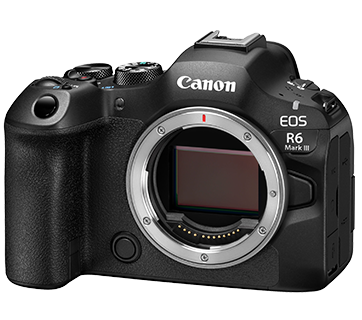
Canon EOS R1 vs Canon EOS R6 Mark III
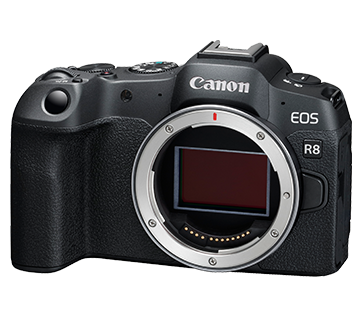
Canon EOS R1 vs Canon EOS R8
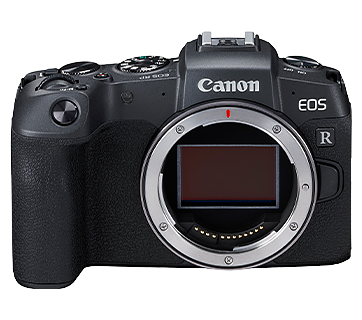
Canon EOS R1 vs Canon EOS RP
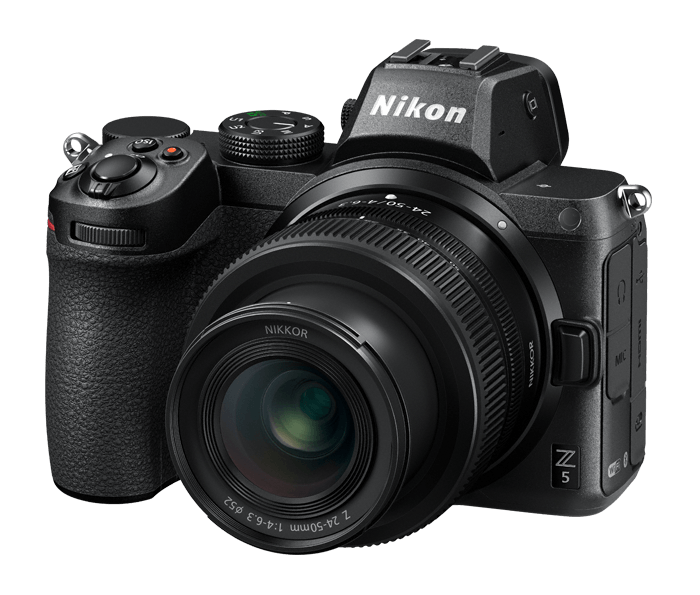
Canon EOS R1 vs Nikon Z5
Canon EOS R1 vs Nikon Z5II
Canon EOS R1 vs Nikon Z6 II
Canon EOS R1 vs Nikon Z6
Canon EOS R1 vs Nikon Z6III
Canon EOS R1 vs Nikon Z7 II
Canon EOS R1 vs Nikon Z7
Canon EOS R1 vs Nikon Z8
Canon EOS R1 vs Nikon Z9
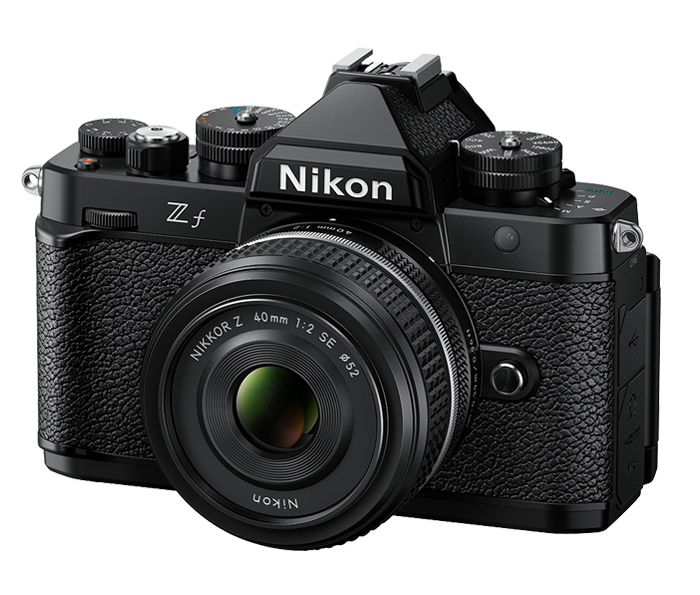
Canon EOS R1 vs Nikon Zf
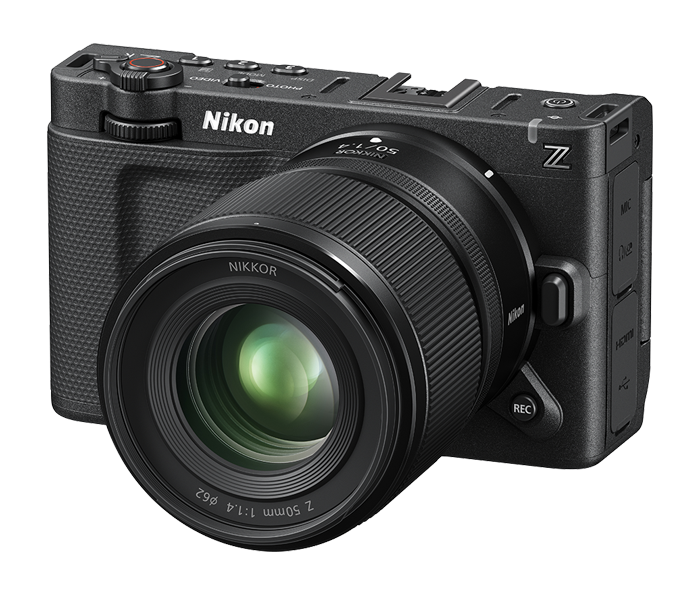
Canon EOS R1 vs Nikon ZR
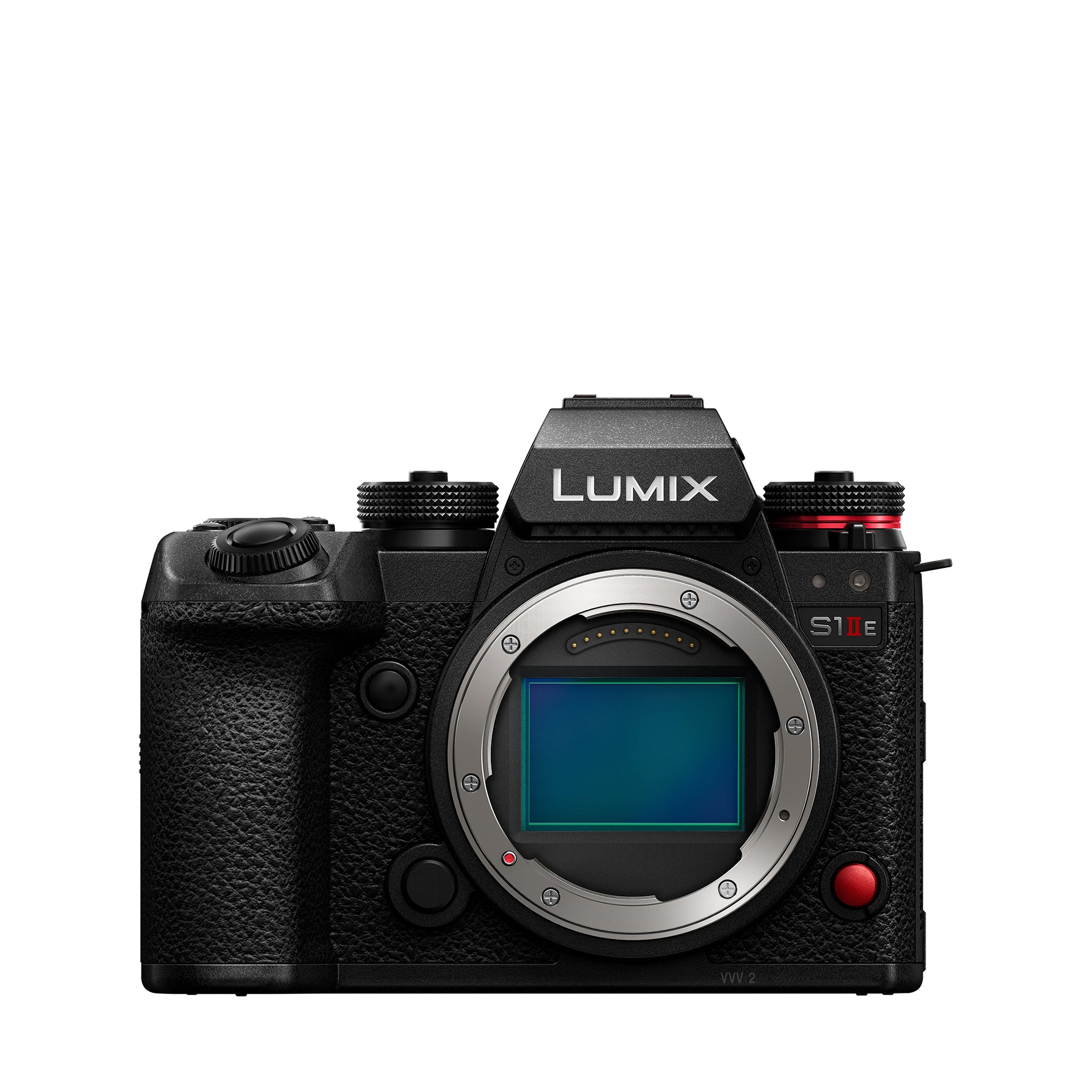
Canon EOS R1 vs Panasonic S1 II E
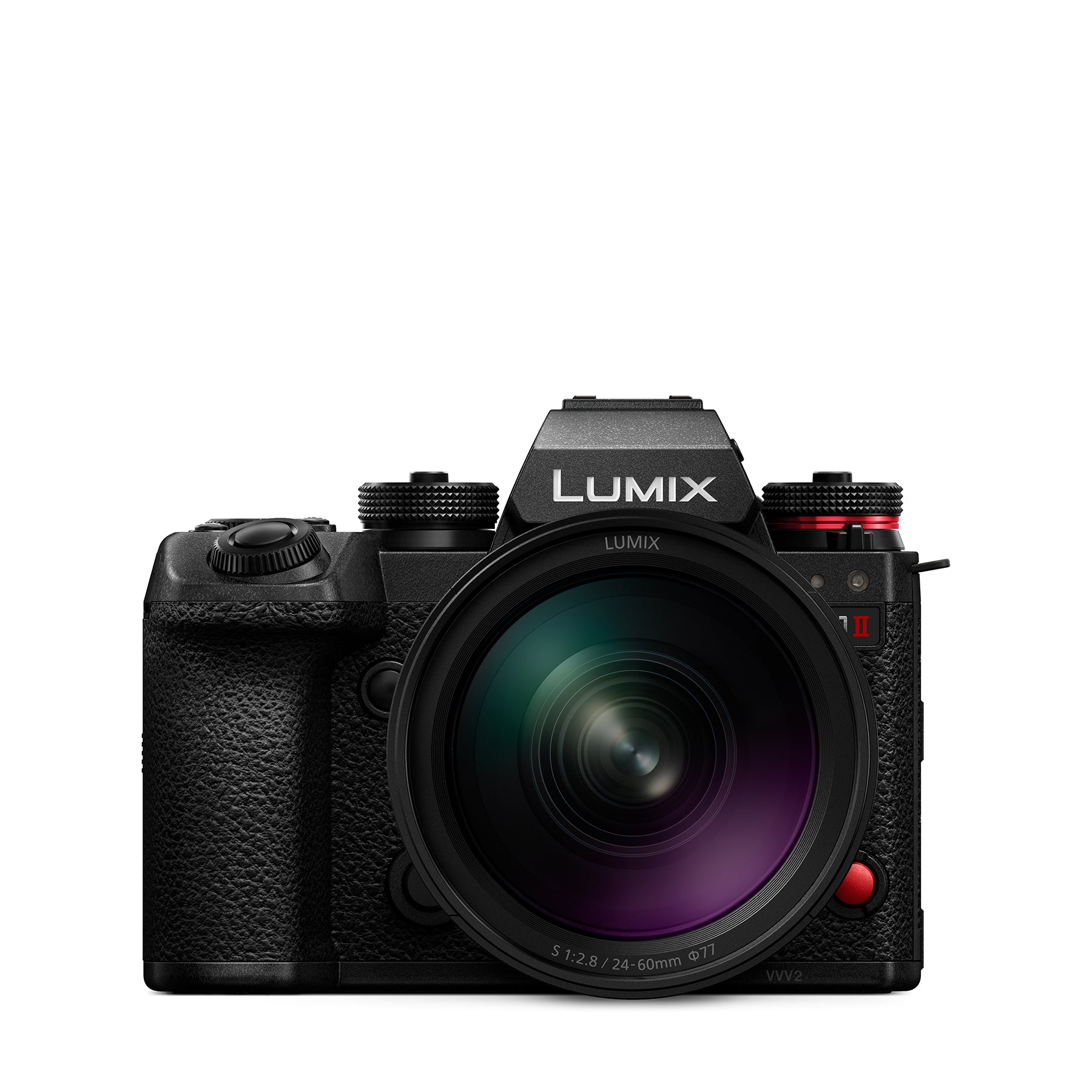
Canon EOS R1 vs Panasonic S1 II
Canon EOS R1 vs Panasonic S1R II
Canon EOS R1 vs Panasonic S9
Canon EOS R1 vs Sony A1
Canon EOS R1 vs Sony A7 III
Canon EOS R1 vs Sony A7 IV
Canon EOS R1 vs Sony A7C II
Canon EOS R1 vs Sony A7C
Canon EOS R1 vs Sony A7R IV
Canon EOS R1 vs Sony A7R V
Canon EOS R1 vs Sony A7S III
Canon EOS R1 vs Sony A9 II
Canon EOS R1 vs Sony A9 III
Canon EOS R1 vs Sony ZV-E1
Compatible Lenses
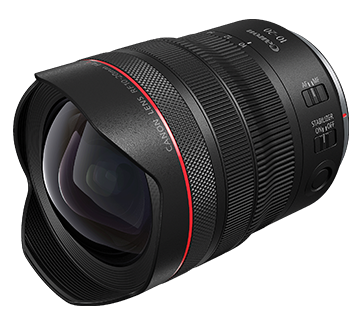
RF 10-20mm f/4L IS STM
lens
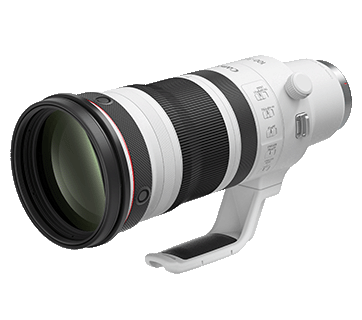
RF 100-300mm f/2.8L IS USM
lens
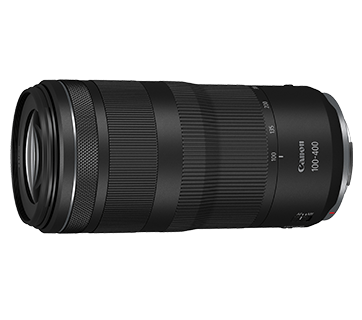
RF 100-400mm f/5.6-8 IS USM
lens
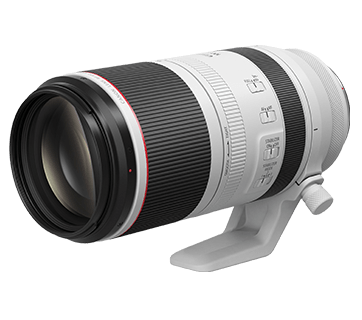
RF 100-500mm f/4.5-7.1L IS USM
lens
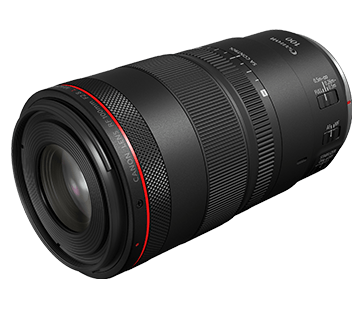
RF 100mm f/2.8L MACRO IS USM
lens
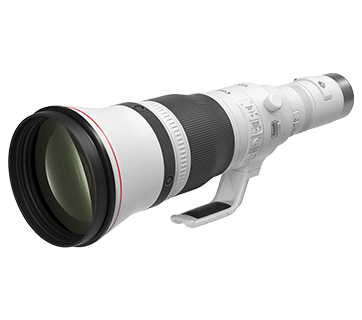
RF 1200mm f/8L IS USM
lens
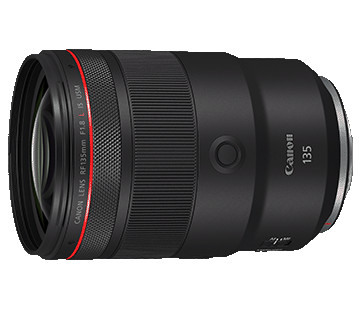
RF 135mm f/1.8L IS USM
lens
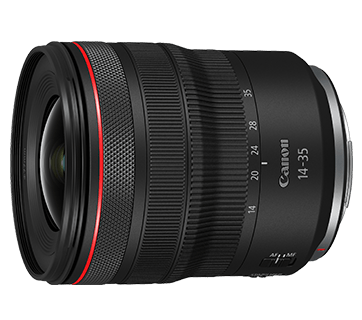
RF 14-35mm f/4L IS USM
lens
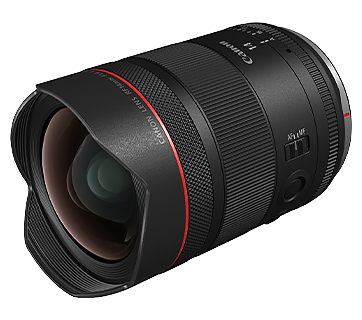
RF 14mm f/1.4L VCM
lens
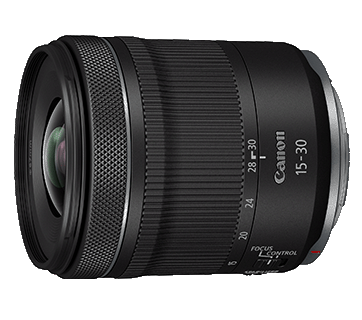
RF 15-30mm f/4.5-6.3 IS STM
lens
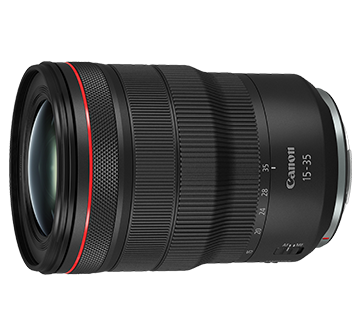
RF 15-35mm f/2.8L IS USM
lens
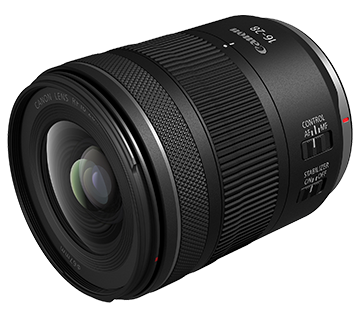
RF 16-28mm f/2.8 IS STM
lens
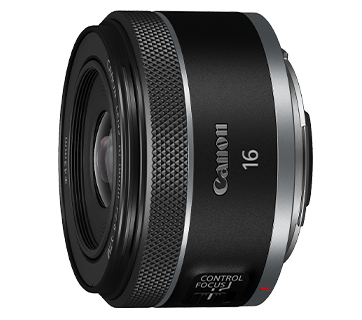
RF 16mm f/2.8 STM
lens
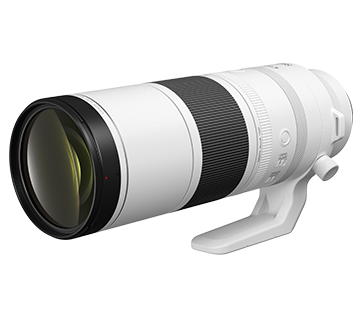
RF 200-800mm f/6.3-9 IS USM
lens
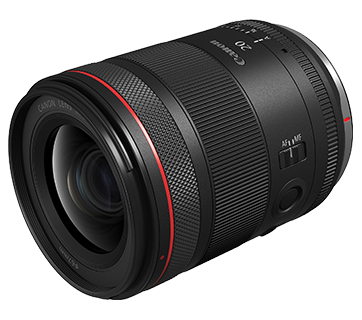
RF 20mm f/1.4L VCM
lens
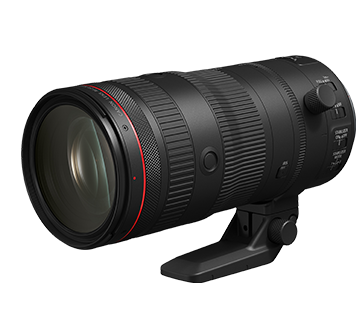
RF 24-105mm f/2.8L IS USM Z
lens
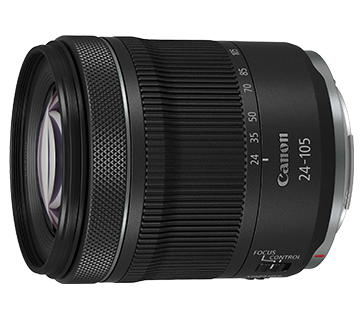
RF 24-105mm f/4-7.1 IS STM
lens
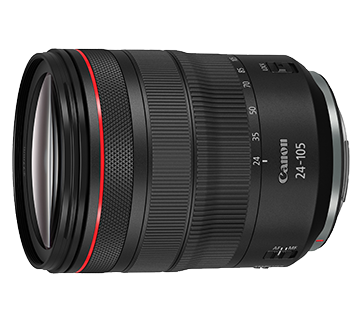
RF 24-105mm f/4L IS USM
lens
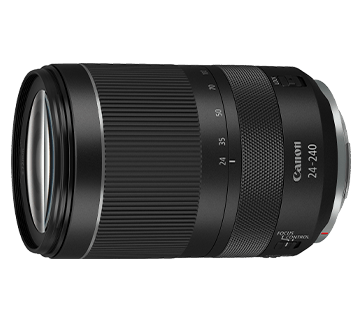
RF 24-240mm f/4-6.3 IS USM
lens
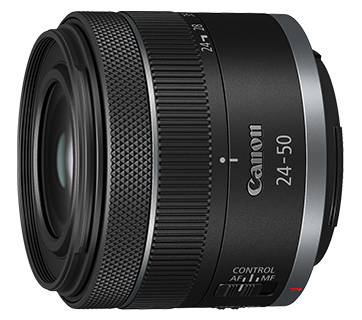
RF 24-50mm f/4.5-6.3 IS STM
lens
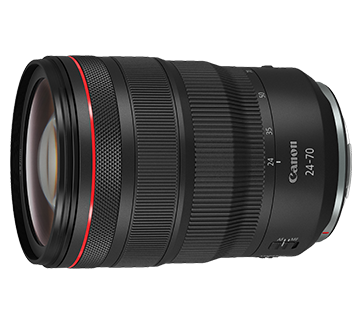
RF 24-70mm f/2.8L IS USM
lens
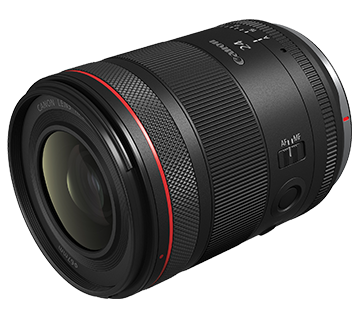
RF 24mm f/1.4L VCM
lens
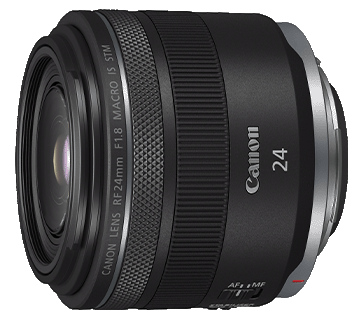
RF 24mm f/1.8 MACRO IS STM
lens

RF 28-70mm f/2.8 IS STM
lens
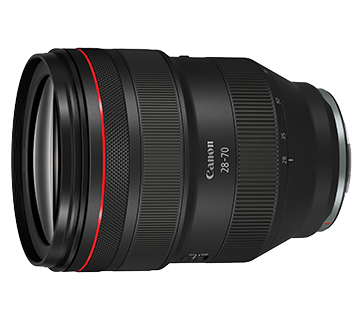
RF 28-70mm f/2L USM
lens
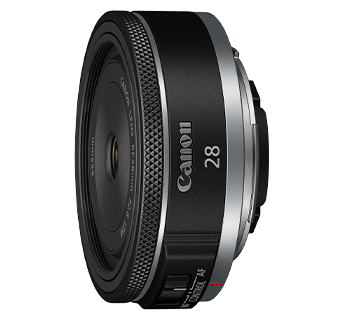
RF 28mm f/2.8 STM
lens

RF 35mm f/1.4L VCM
lens
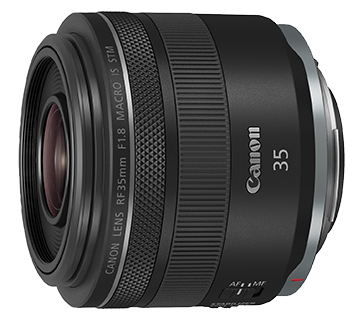
RF 35mm f/1.8 Macro IS STM
lens
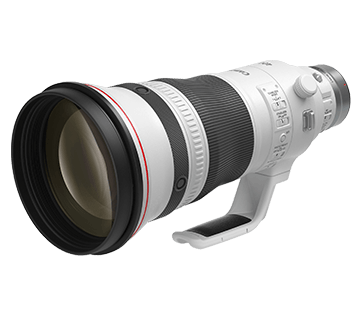
RF 400mm f/2.8L IS USM
lens
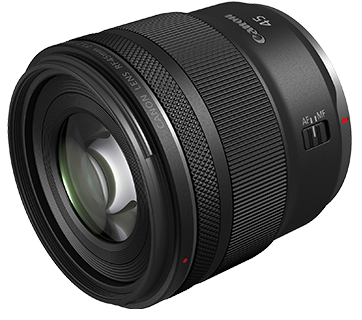
RF 45mm f/1.2 STM
lens
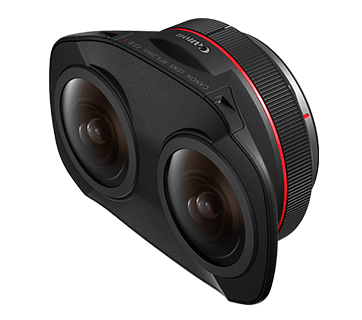
RF 5.2mm f/2.8L Dual Fisheye
lens
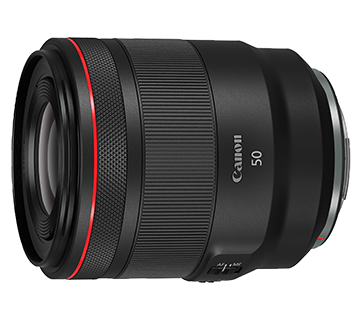
RF 50mm f/1.2L USM
lens
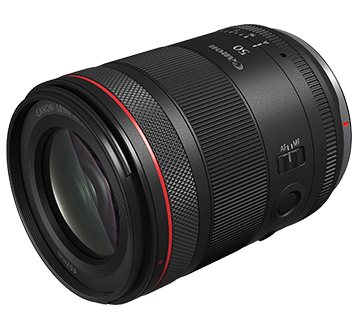
RF 50mm f/1.4L VCM
lens
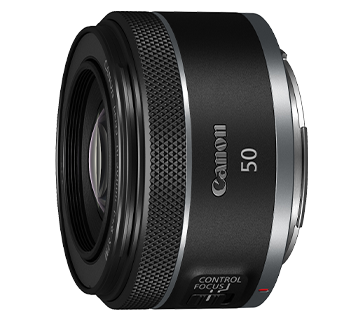
RF 50mm f/1.8 STM
lens
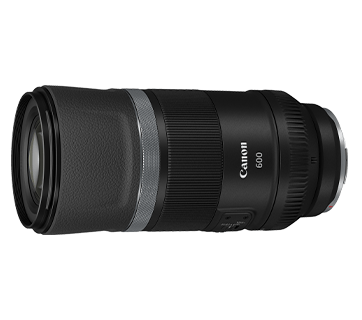
RF 600mm f/11 IS STM
lens
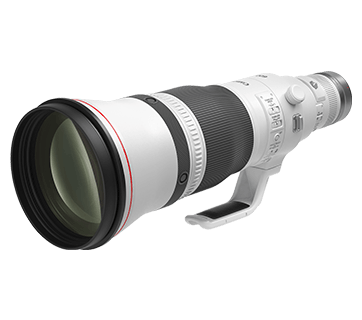
RF 600mm f/4L IS USM
lens
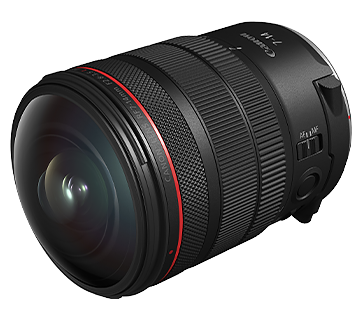
RF 7-14mm f/2.8-3.5L Fisheye STM
lens
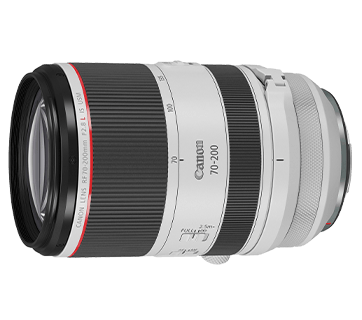
RF 70-200mm f/2.8L IS USM
lens
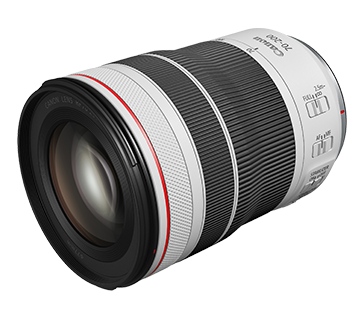
RF 70-200mm f/4L IS USM
lens
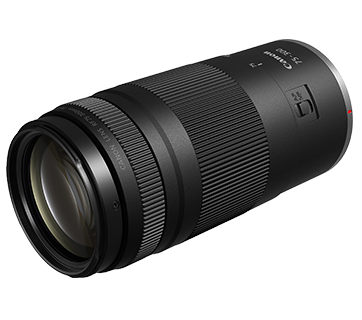
RF 75-300mm f/4-5.6
lens
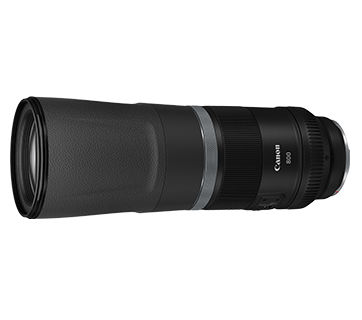
RF 800mm f/11 IS STM
lens
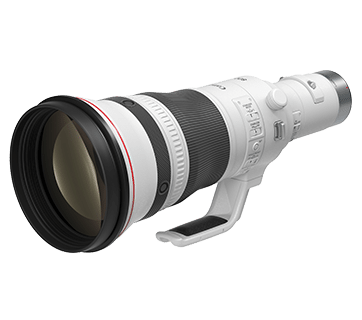
RF 800mm f/5.6L IS USM
lens
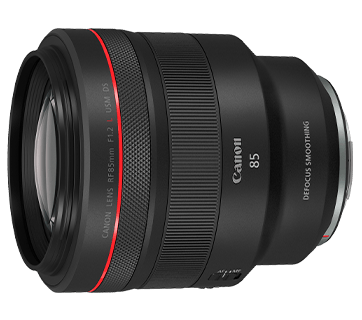
RF 85mm f/1.2L USM DS
lens
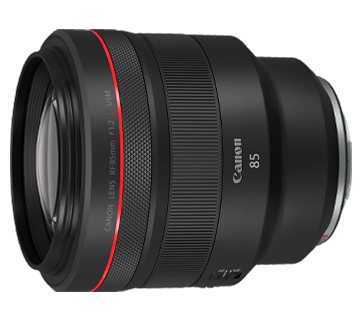
RF 85mm f/1.2L USM
lens
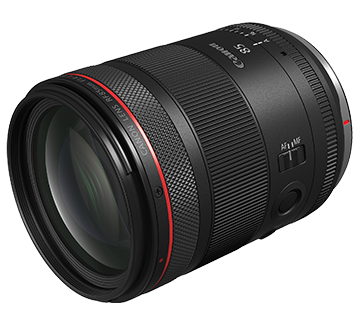
RF 85mm f/1.4L VCM
lens
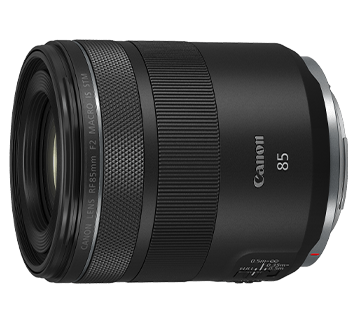
RF 85mm f/2 Macro IS STM
lens
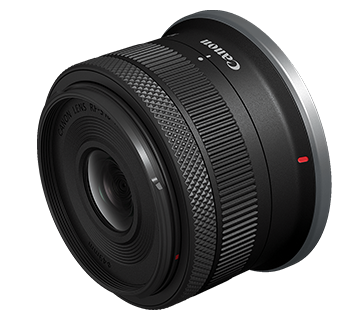
RF-S 10-18mm f/4.5-6.3 IS STM
lens
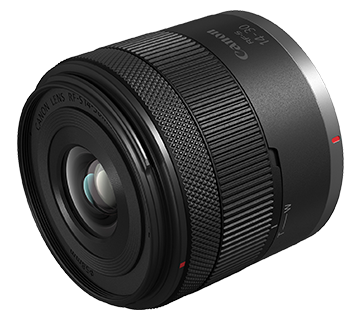
RF-S 14-30mm f/4-6.3 IS STM PZ
lens
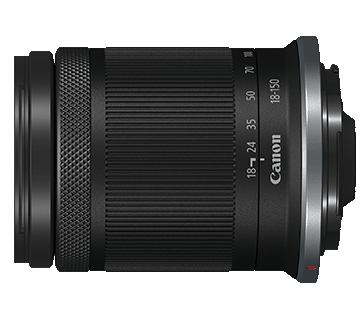
RF-S 18-150mm f/3.5-6.3 IS STM
lens
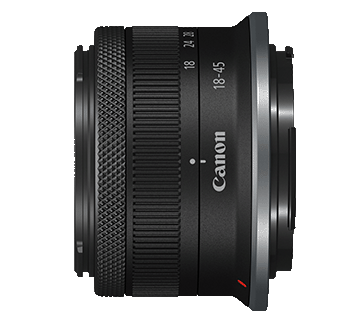
RF-S 18-45mm f/4.5-6.3 IS STM
lens
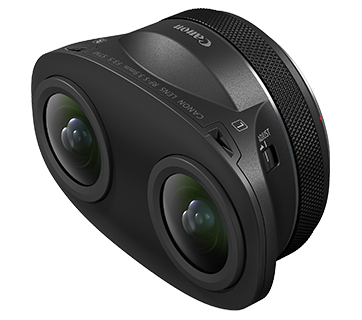
RF-S 3.9mm f/3.5 STM Dual Fisheye
lens
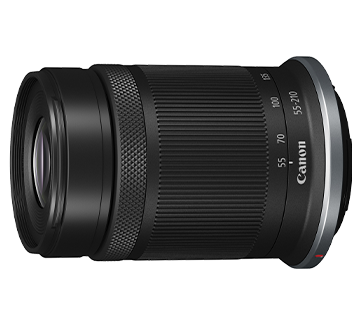
RF-S 55-210mm f/5-7.1 IS STM
lens
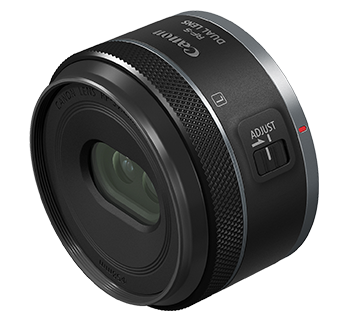
RF-S 7.8mm f/4 STM Dual
lens