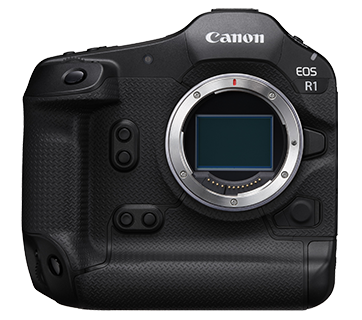
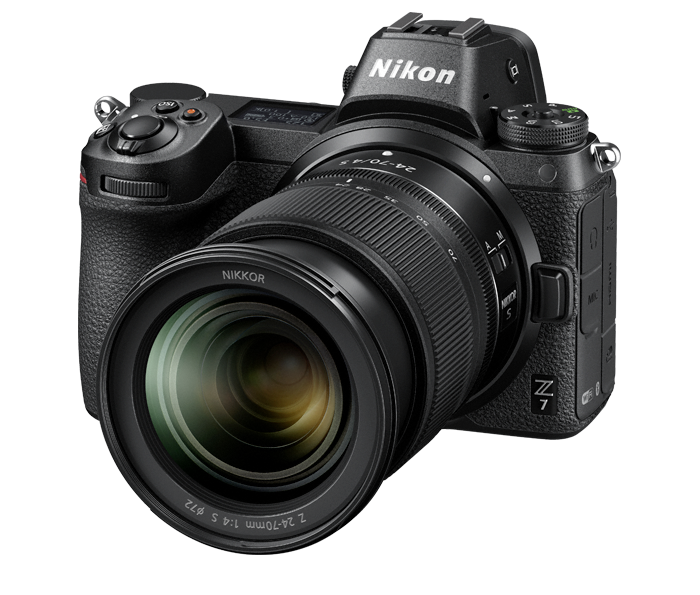
The Canon EOS R1 and Nikon Z7 are two flagship mirrorless cameras that often find themselves in direct competition within the professional photography market. Both cameras cater to photographers who demand exceptional image quality, robust autofocus systems, and video capabilities, making them ideal for both enthusiasts and professionals alike. Buyers might be confronted with choosing between two compelling options: the EOS R1's advanced features designed for fast-paced photography and the Z7's high-resolution sensor for detail-rich images and landscapes. Understanding the key differentiators-such as build quality, stabilization systems, and pricing-can significantly influence a buyer's decision.
Specifications Comparison
Detailed Comparison
Image Quality
When it comes to image quality, the Nikon Z7 stands out with its 46 megapixel sensor, allowing for incredibly detailed images that are particularly advantageous for large print works or heavily cropped shots. The higher resolution also offers photographers more flexibility in post-processing. The Canon EOS R1, on the other hand, has a 24 megapixel sensor, which while lower in resolution, is still capable of producing excellent image quality with superb low light performance and color rendering.
In terms of dynamic range, both cameras perform well, but the Z7's sensor has an edge, capturing more detail in highlights and shadows. Additionally, the ISO range of the Z7, expandable to 102400, offers added flexibility under various lighting conditions, whereas the R1 limits its capabilities.
While the EOS R1 may not match the Z7 in terms of sheer resolution, its image output boasts impressive performance thanks to Canon's renowned color science. If photography is primarily focused on high detail-especially for landscapes or studio work-the Z7 would likely prevail. However, for fast-paced situations, the R1 still offers superb image quality paired with its other advanced features.
Autofocus System
The autofocus system is one of the most critical aspects for many photographers, particularly in fast-moving scenarios. The Canon EOS R1 boasts an impressive 4897 autofocus points, ensuring near-instant focus acquisition with exceptional accuracy. Such a comprehensive focus grid allows photographers to be more creative with their compositions, reducing the chances of missed shots in dynamic environments.
In contrast, the Nikon Z7, while featuring 493 autofocus points, still performs admirably and is well-regarded for face and eye detection capabilities. However, it cannot match the sheer number of AF points offered by the R1. Additionally, the R1 includes advanced tracking technology, which is especially beneficial for sports and wildlife photographers requiring fast, reliable subject tracking.
For those primarily focused on action photography or situations requiring fast autofocus, the R1 does assert its dominance through superior technology. Therefore, the EOS R1 takes the win in this category as it delivers one of the most advanced autofocus systems in the market today.
Video Capabilities
In the realm of videography, the Canon EOS R1 holds an advantage with its features tailored for creators; however, both cameras offer commendable video specifications. The R1 is equipped to provide high-quality 4K video, suitable for professional use, and is likely to include newer standards that Canon continues to refine. Nonetheless, specific frame rates and bit rates will depend on final production specs provided after release.
On the other hand, the Nikon Z7 allows for 4K video recording at up to 30 frames per second with no crop, which is an appealing aspect for videographers looking to utilize the full-frame sensor. The Z7 also allows for a 10-bit HDMI output, which is preferred for enhancing color grading in post-production.
Considering the emphasis on video capabilities, both the R1 and Z7 are solid contenders, but it's crucial to compare the specifics of their video specs once the R1 becomes available in the market. Currently, the Z7 excels in giving videographers high-resolution options straight out of the box, leading to its victory in this segment.
Build & Ergonomics
Build quality is a significant consideration for professional photographers who often work in various environments. Both the Canon EOS R1 and the Nikon Z7 are weather-sealed, making them suitable for challenging conditions. However, the R1's larger dimensions (158 x 150 x 87 mm) and higher weight (1115 g) might offer a more substantial feel, which can be an advantage for stability, particularly when using larger lenses.
The Z7 is lighter (675 g) and slightly smaller (134 x 101 x 68 mm), which increases portability, an essential factor for travel and street photography. The ergonomics of both cameras are highly rated, but the balance may differ based on individual user preferences regarding handling and control layout.
Those who prioritize a hefty, robust camera may prefer the R1, while those looking for a lightweight alternative for extended usage might favor the Z7. The differences in ergonomics and weight can be notable depending on the type of shooting the user intends to partake in.
Battery & Storage
Battery life is another critical aspect for photographers who often shoot in the field for extended periods. The Nikon Z7 has a rated battery life of approximately 330 shots, which is decent for mirrorless cameras but can be limiting in a busy shooting day. Conversely, the Canon EOS R1, being a newer model, could likely incorporate battery technology advancements to offer longer shooting capabilities; however, this has not been officially detailed yet.
In terms of storage, both cameras adopt dual card slots, which allow photographers greater flexibility in storing large files, especially important for the high-resolution images the Z7 can produce. This feature is vital for both event photography and long shoots where backup is crucial.
Though the Z7 has a recognized battery limitation, the eventual benefits of the R1 may significantly shift the balance in battery life, especially once real-world usage stats are available. For now, the competition remains evenly matched due to the shared dual storage capacity.
Value for Money
When assessing value for money, the price discrepancy between the two cameras is significant. The Canon EOS R1, priced at $6299, is positioned as Canon's flagship, encompassing advanced features that suit professional needs and setting it apart as a crucial investment for serious photographers. However, this price tag may be quite steep for enthusiasts or those just stepping into full-frame photography.
In contrast, the Nikon Z7 offers a more accessible price at $3399, which provides high resolution and excellent overall performance. For photographers who are looking for a high-quality full-frame system without breaking the bank, the Z7 presents a better value proposition. Its combination of features and price makes it appealing to a wider user base.
For those who require the absolute best specifications and are willing to invest in their equipment, the R1 holds its ground. However, considering the Z7's capabilities and its price point, it emerges as the stronger offering in terms of value for money.
Our Verdict
Overall, the Nikon Z7 triumphs with superior image quality, video capabilities, and a favorable price point, making it the better all-rounder for a broad range of photographers. However, the Canon EOS R1, with its advanced autofocus and rugged build, attracts professionals who need quick performance and responsiveness in challenging environments. Ultimately, the best choice depends on each photographer's specific needs-whether they're prioritizing high resolution and affordability or cutting-edge tech and performance features.
Canon EOS R1
Nikon Z7
Also Compare
Frequently Asked Questions
Which camera has better image quality?
The Nikon Z7 excels in image quality due to its 46 megapixel sensor, providing finer detail, especially for large prints, compared to the Canon EOS R1's 24 megapixel sensor.
How do the autofocus systems compare?
The Canon EOS R1 features a more sophisticated autofocus system with 4897 points, compared to the Nikon Z7's 493, making it a better choice for action photography.
What are the video capabilities of each camera?
The Canon EOS R1 is geared towards high-quality 4K video, while the Nikon Z7 can shoot 4K at 30p with a 10-bit HDMI output, catering to serious videographers.
Which camera is more portable?
The Nikon Z7 is lighter and more compact than the Canon EOS R1, making it a better option for those needing portability for travel or street photography.
Is the Canon EOS R1 worth the higher price?
The Canon EOS R1 may be worth the higher price for professionals who require cutting-edge features like advanced autofocus and rugged design, whereas enthusiastic photographers may find the Z7 provides better overall value.