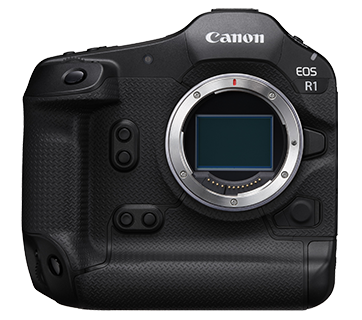
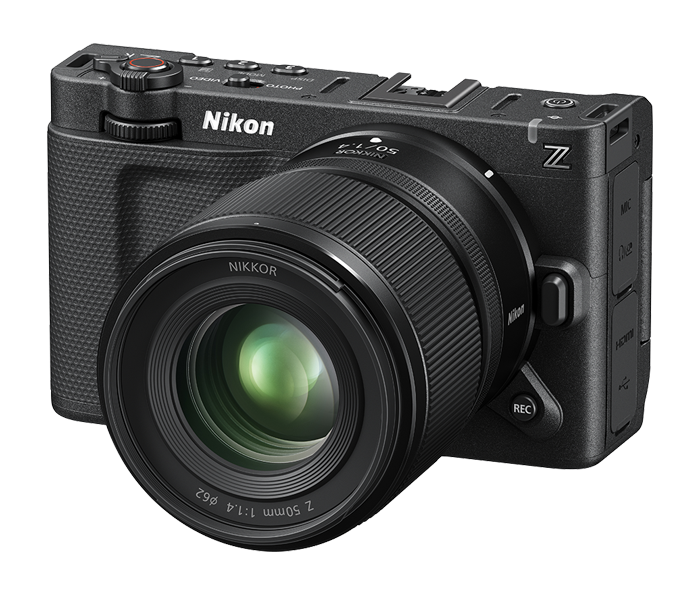
The Canon EOS R1 and Nikon ZR are two flagship full-frame mirrorless cameras from their respective brands, aimed at demanding professionals and serious enthusiasts. They are often compared due to their full-frame sensors, modern features, weather sealing, and status as top-tier options in the Canon RF and Nikon Z ecosystems. Both cameras cater to photographers who need speed, robustness, and image quality, such as sports, wildlife, and event photographers.
Choosers between these models are likely weighing the Canon EOS R1's premium, all-in-one powerhouse approach against the Nikon ZR's compact design, improved screen, and substantially lower price point. The key differentiators come down to autofocus sophistication, build quality, and value for money. Understanding these strengths and trade-offs is crucial for buyers intending to invest in a high-performance camera system.
Specifications Comparison
Detailed Comparison
Image Quality
Both the Canon EOS R1 and Nikon ZR are built around full-frame sensors: the Canon uses a 36 x 24 mm sensor with 24 megapixels, while the Nikon ZR has a near-identical 35.9 x 23.9 mm sensor at 25 megapixels. The small difference in resolution is minimal and unlikely to be significant in real-world scenarios-both cameras will deliver excellent detail, dynamic range, and low-light performance.
A notable point is the Nikon ZR's wide native ISO range (100-64,000), which theoretically provides more versatility in challenging lighting, though real-world noise performance and dynamic range also depend on sensor technology and processing. Both are well-suited for professional-grade stills, and neither camera will disappoint in terms of detail or raw file flexibility.
Given the similar sensor sizes, resolutions, and no additional standout imaging technologies noted, image quality will be outstanding in both models, and the small differences will not favor everyday use for most users.
Autofocus System
Canon's EOS R1 shines with its advanced autofocus system, boasting 4897 autofocus points-a remarkably high density that covers the frame and provides exceptional subject tracking and accuracy. This is especially important for sports, wildlife, and fast-action photography, where keeping erratic subjects in focus can make or break a shot. Canon's long-standing reputation for class-leading autofocus is reinforced by these specifications.
The Nikon ZR, while capable, features 273 autofocus points, which is significantly fewer. Nikon's autofocus technology has improved rapidly, and its real-world tracking for stills is impressive, but the numbers indicate less granularity for subject detection and tracking compared to Canon's flagship. For precision tracking and maximum coverage, the EOS R1's system will have the edge, particularly under challenging conditions.
While both cameras provide robust autofocus for most needs, those requiring the utmost in accuracy and reliability for high-speed action will benefit more from Canon's tech-heavy approach.
Video Capabilities
While neither camera's video specs are fully detailed here, certain features are telling. The Canon EOS R1, as a flagship, is expected to offer professional-grade video capabilities, likely including high-bitrate 4K or even 8K video, robust codecs, and advanced video autofocus-common in this segment for Canon.
The Nikon ZR, conversely, features a superior rear screen at 4" and 3,070,000 dots, potentially providing a better on-camera monitoring experience for video shooters. Its 20 fps burst rate also hints at a focus on hybrid stills/video needs but lacks a built-in viewfinder, which could be limiting for serious videographers or those working outdoors.
Given Canon's flagship status and track record in pro-level video, it is strongly probable that the EOS R1 will exceed the ZR in overall video capability, especially for users needing advanced formats, better AF, and professional workflow integration. However, the Nikon's larger, crisper screen may appeal to content creators who shoot primarily using live view.
Build & Ergonomics
The Canon EOS R1 exemplifies a full professional build: it is significantly larger (158 x 150 x 87 mm) and heavier (1115 g) than the Nikon ZR, offering robust construction, a larger grip, and weather sealing designed to withstand rigorous, real-world professional use. Its ergonomics cater to extended shooting sessions and harsh environments-important for sports and event shooters.
The Nikon ZR adopts a compact, lightweight form factor (133 x 81 x 49 mm, 630 g), which is ideal for travel or those seeking high quality without bulk. It is also weather-sealed, so it remains versatile in challenging conditions, but the handling will feel quite different-less substantial in the hand, but far more portable for everyday and street photographers. Nikon has omitted a built-in viewfinder, prioritizing size but sacrificing traditional ergonomics for some users.
While the Nikon ZR's lightweight design is impressive and aids mobility, the Canon EOS R1 wins overall for professional build and ergonomic considerations crucial in demanding scenarios.
Battery & Storage
Specific details on battery life and storage slots are not provided, but extrapolating from size and class, some differences are clear. Canon's larger body almost certainly accommodates a much larger battery-typical for its class-and possibly dual card slots for ample backing up and high-speed writing, which is essential for demanding workflows. These features cater to professionals shooting all day long or in critical environments.
The Nikon ZR's compact design likely requires a smaller battery, leading to fewer shots per charge, and may feature only a single card slot if prioritizing slimness and cost. These factors could be limiting for shooters covering long events or shooting high-burst sequences.
Without explicit data, the advantages of the Canon's form factor and intended market position make it the likely winner for battery and storage endurance.
Value for Money
The Canon EOS R1's flagship performance comes at a high price: $6299 USD. Buyers receive a professional tool built for the most demanding jobs, but the investment is substantial. The Nikon ZR, at $2200 USD, undercuts the Canon by a wide margin, making it highly attractive to advanced enthusiasts, prosumers, or professionals who do not need the absolute extremes in performance and build.
For those who value portability, modern features, and a high-resolution screen at a far more accessible price, the Nikon ZR is outstanding value. While it concedes some features to the Canon, including autofocus coverage and build, it delivers full-frame performance and weather sealing, making it one of the best choices in its price segment.
Buyers weighing cost against feature set will find the ZR a compelling option, particularly for photography genres that do not require the R1's pro handling or speed.
Lens Ecosystem
Both the Canon RF and Nikon Z mounts have rapidly expanded with a variety of native and third-party lens options. Canon has prioritized high-end, professional lenses with superb optics, covering most needs from wide to super-telephoto, albeit sometimes at a premium price. Nikon's Z-mount system is slightly younger but quickly catching up, with excellent optics at both pro and enthusiast price points and increasing third-party support.
Neither system now presents serious ecosystem limitations. Canon's catalogue is broader at the top end, while Nikon's ecosystem is highly competitive, particularly in the mid-range segment. Your choice here will be influenced by specific lens preferences and existing investments.
Given both systems support robust, well-respected lens lines, this category is a tie.
Our Verdict
Considering the section winners, the Canon EOS R1 takes the lead overall thanks to its peerless autofocus, professional build, potential battery/stamina, and likely video capabilities. It is the camera to beat for sports, wildlife, news, or any scenario where only the best performance will suffice. However, the Nikon ZR is not far behind where it counts, delivering nearly identical image quality, extreme portability, and an impressive feature set at a much lower price. For many photographers-especially those not requiring extreme durability or autofocus-the ZR represents tremendous value and practicality. Your decision should hinge on your specific needs: ultimate performance and professional features vs. practical excellence and outstanding affordability.
Canon EOS R1
Nikon ZR
Also Compare
Frequently Asked Questions
Which camera is better for sports and wildlife photography?
The Canon EOS R1 is the better choice for sports and wildlife, thanks to its vastly superior autofocus point coverage (4897 points), likely higher burst rates, and more robust professional build. These features are crucial for tracking fast-moving subjects and shooting in tough conditions.
Is the Nikon ZR suitable for professional work?
Yes, the Nikon ZR is a fully capable professional tool with superb image quality, weather sealing, and a modern full-frame sensor. However, it lacks some features desired by certain pros, such as a built-in viewfinder and the extreme durability of flagship models. For many pro assignments, especially travel, portrait, or landscape work, it is more than sufficient.
Does the lack of a built-in viewfinder on the Nikon ZR matter?
For some users-especially those accustomed to composing through an electronic or optical viewfinder-this is a significant omission, limiting usability in bright light or when precise framing is required. On the other hand, for those who primarily use the rear LCD or need maximum portability, it may be an acceptable or even welcome trade-off.
Which camera offers better value for money?
The Nikon ZR offers much better value, delivering high-end full-frame performance, weather sealing, and modern features at less than half the price of the Canon EOS R1. For most photographers, especially those who do not need pro-level speed, the ZR is a smart investment.
Is one lens ecosystem better than the other?
Both Canon RF and Nikon Z systems now offer a wide range of high-quality native and third-party lenses. Canon RF leads slightly in pro-level options, but Nikon's Z mount has become extremely competitive. Existing lenses or brand preference should guide your choice more than ecosystem limitations.
How do the cameras compare for travel and portability?
The Nikon ZR is the clear winner for travel, thanks to its compact dimensions (133 x 81 x 49 mm) and lightweight build (630 g). It's much easier to carry for long periods, making it ideal for travel, street, and casual use, while still providing professional-level results.