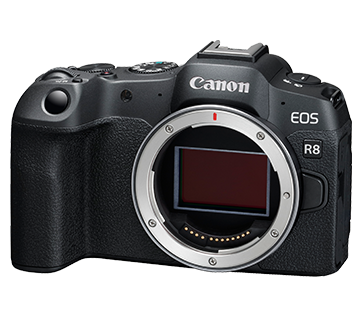
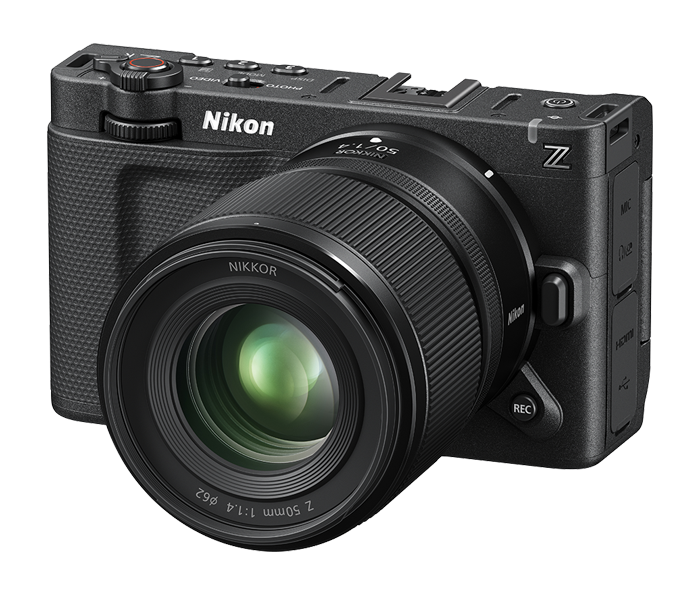
The Canon EOS R8 and Nikon ZR are two formidable full-frame mirrorless cameras that appeal to both enthusiasts and professionals. While they are both designed to deliver high-quality imaging, they cater to slightly different audiences due to variations in features, performance, and pricing. Buyers may find themselves deliberating between these models based on factors such as autofocus capabilities, video performance, and overall usability, all while keeping budget constraints in mind. Understanding the key differentiators is essential for making an informed decision, especially as both models have their unique strengths.
While the Canon EOS R8 brings a more compact and lightweight design with an impressive autofocus system, the Nikon ZR offers superior stabilization and faster continuous shooting, making it ideal for action photography. As such, prospective buyers-ranging from street photographers to videographers-may hinge their choice on certain preferences concerning image quality, user experience, and system compatibility. This comparison aims to dissect these aspects in detail to aid in your decision-making process.
Specifications Comparison
Detailed Comparison
Image Quality
The Canon EOS R8 features a full-frame sensor size of 36 x 24 mm with a resolution of 24 megapixels, which provides excellent detail for most photography applications. Its ISO range extends from 100 to 102400, allowing for remarkable low-light performance, though the image quality at the higher ISO settings may not entirely match that of higher-resolution models. In contrast, the Nikon ZR also sports a full-frame sensor, albeit slightly smaller at 35.9 x 23.9 mm, and offers 25 megapixels. This higher resolution may yield slightly more detail in images, particularly in large prints or cropping.
Nikon ZR's ISO range tops out at 64000, which is lower than the Canon's but still quite suitable for various conditions. Given the higher megapixel count, it likely shines brighter in scenarios where resolution is critical, such as landscapes or portraiture where fine details matter. Overall, both cameras deliver excellent image quality, but the choice may depend on whether the user values a higher resolution or an extensive ISO range, ultimately making this section a tie.
Autofocus System
The Canon EOS R8 excels with its impressive autofocus system, featuring a whopping 1053 autofocus points. This allows for exceptional tracking of subjects in motion, making it an excellent choice for action and wildlife photography. Canon's Dual Pixel autofocus technology ensures quick and accurate focusing, enhancing usability in dynamic environments. In contrast, the Nikon ZR relies on a more standard 273 autofocus points, which, while effective, does not match the R8's breadth in complex shooting scenarios.
The Canon's advanced tracking and subject recognition capabilities potentially offer greater flexibility for photographers needing to capture fast-moving subjects. However, the Nikon's autofocus is still highly functional for most photography needs, showing competence in stills and video. In real-world conditions, the Canon EOS R8's autofocus system stands out, providing a clear edge for capturing quickly moving subjects with precision.
Video Capabilities
Video has become essential for many photographers, and both cameras deliver strong capabilities. The Canon EOS R8 is capable of shooting 4K video at 60 frames per second, providing smooth and high-quality footage suitable for professional use. However, it lacks in-body stabilization, which may affect video quality when shooting handheld. On the other hand, the Nikon ZR allows for both high-resolution video and features in-body stabilization rated at an impressive 7.5 stops, greatly benefiting videographers who need stability while shooting handheld.
The higher frame-rate capability alongside extensive video features in the Nikon ZR, such as greater flexibility in post-production and potentially increased low-light performance due to its 25-megapixel sensor, positions it as the stronger choice for dedicated video work. While the Canon is proficient in video, the added stabilization of the Nikon ZR might give its users more confidence when shooting without a tripod.
Build & Ergonomics
In terms of build quality, both models are covered in weather-sealed bodies, which is crucial for outdoor shooting conditions. The Canon EOS R8 weighs in at 461 grams, making it notably more lightweight and portable than the Nikon ZR, which weighs 630 grams. This difference contributes to a more comfortable shooting experience for users who prioritize mobility.
Moreover, the dimensions of the R8 (133 x 86 x 70 mm) favor a more compact form factor, which can be beneficial for travel photographers. In contrast, the Nikon ZR, while slightly bulkier with dimensions of 133 x 81 x 49 mm, houses a larger 4
Battery & Storage
The Canon EOS R8 is equipped with a battery life that allows approximately 440 shots per charge under standard conditions, utilizing the LP-E17 battery. It supports dual SD card slots, which brings flexibility in terms of storage options. In contrast, the Nikon ZR also provides robust battery life, rated around 400 shots, but utilizes a larger EN-EL15 battery, extending usage in video contexts. However, it only has a single card slot, limiting storage capabilities, especially when recording high-quality video formats.
Ultimately, while both options manage adequate battery performance for day-to-day shooting, the Canon EOS R8' s dual card slot support gives it an edge for photographers needing backup storage during extensive shoots or events. Hence, those valuing redundancy in storage would find the Canon offering more functional for their workflow. The Canon EOS R8 emerges as the clear winner in this aspect, enhancing this camera's overall practicality on the go.
Value for Money
Priced at $1499, the Canon EOS R8 offers an attractive value proposition, especially considering its advanced autofocus system and compact design. This price point allows access to high-quality features without venturing into the upper echelon of camera pricing, making it ideal for entry to mid-level photographers seeking professional features at an accessible entry price.
On the other hand, the Nikon ZR is positioned at a higher price point of $2200. While it provides additional features like in-body stabilization and a larger, higher-resolution screen, its value may seem less attractive to those primarily focused on sensors and autofocus alone. The ZR will certainly appeal to those who require specific high-end features, albeit at a premium cost.
Given the capabilities and features offered, the Canon EOS R8 stands out as a highly competitive choice for those operating within a budget, making it the superior option for value for money. Thus, the Canon R8 offers compelling value for both enthusiasts and professionals who aim for quality without excessive expenditure.
Our Verdict
Overall, the Canon EOS R8 emerges as the winner of this comparison due to its balance of features, including superior autofocus performance, lightweight and compact design, and excellent value for money. It is particularly well-suited for enthusiastic photographers who prioritize portability and versatility, making it ideal for travel, street photography, or event shooting. Additionally, its price point enables more widespread accessibility to high-quality imaging capabilities. Conversely, the Nikon ZR, while boasting superior video stabilization and slightly better image resolution, is more tailored to users specifically focused on video and those who can invest in a more expensive setup. For users whose primary focus lies in video production, the ZR presents a powerful choice. In essence, the choice between these two ultimately comes down to specific needs and budget considerations, but the Canon EOS R8 emerges as the more versatile and cost-effective option for the majority of users.
Canon EOS R8
Nikon ZR
Also Compare
Frequently Asked Questions
Is the Canon EOS R8 better for low-light photography?
While both cameras perform well in low-light situations, the Canon EOS R8 offers a higher ISO range, which can be beneficial for low-light performance. However, image quality at the higher ISO can vary, so practical tests should be considered depending on the specific context.
Does the Nikon ZR have better video features?
Yes, the Nikon ZR offers in-body stabilization and better video resolution options. If video is a critical factor in your photography or filmmaking, the ZR would provide more features tailored to that need.
How important is the weight of the camera?
Weight can significantly impact your comfort and ease of carrying during long shoots. If you prioritize portability, the lighter Canon EOS R8 would be preferable.
Which camera is more suitable for wildlife photography?
The Canon EOS R8 is better suited for wildlife photography due to its advanced autofocus system, which allows for better tracking of moving subjects.
Are there lens options available for both cameras?
Yes, both Canon and Nikon offer a wide range of native lenses that are compatible with their respective mounts. However, the Canon RF lens ecosystem is continually expanding, providing exciting options for EOS R series users.