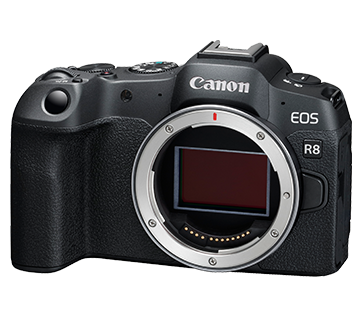
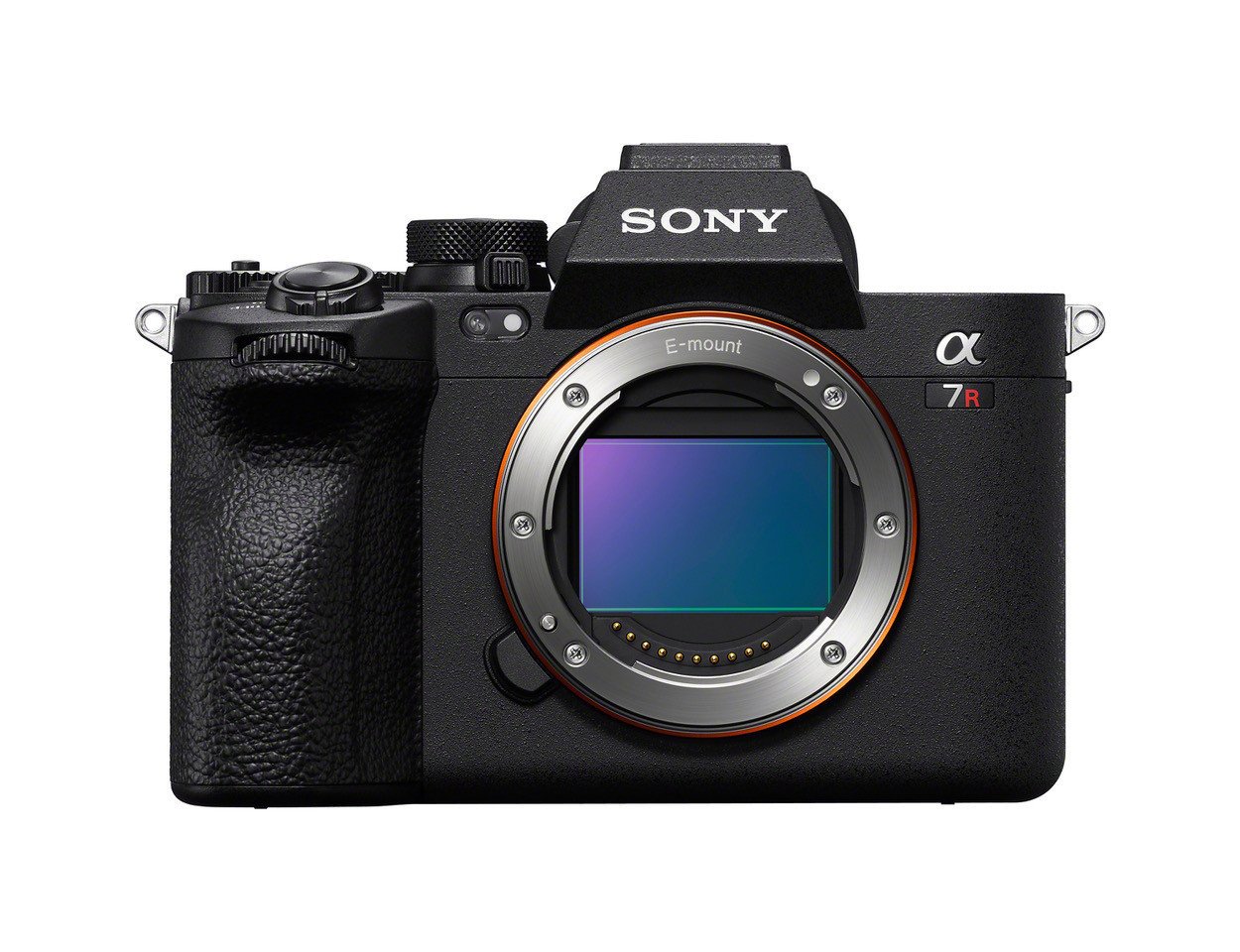
The Canon EOS R8 and Sony A7R V are two prominent full-frame mirrorless cameras that frequently attract attention from both amateur and professional photographers alike. With the evolving technology in imaging, buyers often find themselves debating between these two options, largely due to their exceptional specifications but contrasting features. The Canon EOS R8 is a more budget-friendly offering with 24 megapixels, suitable for those who want a high-performance camera without breaking the bank. On the other hand, the Sony A7R V boasts an impressive 60 megapixels, catering to professionals emphasizing detail and high-resolution outputs.
Specifications Comparison
Detailed Comparison
Image Quality
The image quality produced by a camera largely depends on its sensor capabilities and resolution. The Canon EOS R8, with its 24 megapixels, is designed to deliver excellent results across various lighting conditions. However, it doesn't match the Sony A7R V's staggering 60 megapixels, which is an enticing feature for those interested in landscape, portrait, and commercial photography where detail is paramount. The wider ISO range of the A7R V, going from 50-102400, provides great flexibility in low-light situations, although the R8's ISO reaches a similar upper limit, making it competent in similar conditions. This clear advantage in resolution with the A7R V makes it the preferred option for those prioritizing image quality and large prints.
Autofocus System
Autofocus performance is critical for both stills and video. The Canon EOS R8 features an impressive 1053 autofocus points, ensuring quick and accurate focusing even in challenging scenarios. In contrast, the Sony A7R V, with 693 autofocus points, still offers robust performance that is often regarded as industry-leading. Moreover, Sony's Real-Time Eye AF technology enhances tracking capabilities on both humans and animals, making it ideal for dynamic shooting situations. Both systems perform admirably, but the R8 edges out slightly in terms of points, while the A7R V's overall speed and tracking capabilities differentiate it in practical use. As a result, while both systems are effective, the A7R V's autofocus technology gives it a slight advantage.
Video Capabilities
For video enthusiasts, both cameras offer impressive capabilities. They both can record video at 4K at 60 frames per second, catering well to content creators. However, the Sony A7R V has an edge with its advanced video features, including better heat dissipation for longer recording times and the inclusion of S-Cinetone color science, providing pleasing color gradation without extensive post-processing. The R8, while having a simpler feature set, is still very competent, but it lacks advanced video functionalities like 10-bit internal recording or extensive gamma options, which are essential for serious videographers.
Build & Ergonomics
Both cameras are built to withstand tough conditions and are weather-sealed, making them suitable for outdoor photography. The Canon EOS R8 is slightly lighter at 461 grams, which can be an advantage for prolonged shooting sessions or travel purposes. Its dimensions are compact, allowing for easier handling. Conversely, the heavier Sony A7R V weighs 723 grams and, while less portable, it offers a more substantial feel, which some users might prefer for better stability. Both cameras feature electronic viewfinders and tilting screens; however, the A7R V's screen boasts a higher resolution at 2100000 dots, resulting in clearer previews. Ultimately, the choice will depend on the user's handling preferences and shooting scenarios.
Battery & Storage
When evaluating battery life, the Sony A7R V shows a notable advantage with up to 530 shots per charge, which is impressive for a high-resolution camera. This extended battery life often translates to fewer interruptions in shooting sessions, making it ideal for professional use. The Canon EOS R8, while decent, does not specify a comparable figure for shots per charge, hence may require more frequent battery changes during intense shoots or extended outings. In terms of storage, both cameras utilize SD cards, but the A7R V supports dual slots, allowing for expanded storage options and redundancy, which can be critical for professional workflows. Therefore, in this category, the A7R V takes the lead due to its overall reliability.
Value for Money
From a price perspective, the Canon EOS R8 is significantly more affordable at $1499 compared to the Sony A7R V's price of $3900. For enthusiasts and casual shooters, the R8 presents an attractive value with its balanced feature set, making it a great entry point into full-frame photography. However, for those needing top-tier performance in image quality, video capabilities, and autofocus, the A7R V justifies its higher price tag. It is designed with professional photographers and videographers in mind, offering superior features that can produce outstanding results. While the R8 offers excellent performance for its price, for professionals willing to invest, the A7R V's features deliver exceptional quality and reliability.
Our Verdict
Overall, the Sony A7R V emerges as the winning choice for photographers and videographers looking for the highest quality in image resolution, autofocus performance, and robust video capabilities. Its premium price is justified by these high-end features, particularly for professionals who need to ensure that their gear can handle the most demanding tasks. However, the Canon EOS R8 remains an outstanding option for enthusiasts or professionals on a budget, providing excellent value and solid performance for general photography needs. Thus, the best choice ultimately depends on whether one's priorities align more with cutting-edge performance or budget-friendly usability.
Canon EOS R8
Sony A7R V
Also Compare
Frequently Asked Questions
Which camera is better for landscape photography?
The Sony A7R V, with its 60 megapixels and superior image quality, is best suited for landscape photography due to its ability to capture intricate details.
Is the Canon R8 suitable for video production?
Yes, the Canon R8 is capable of 4K video at 60fps, making it suitable for casual video production, although it lacks some advanced video features of the A7R V.
How does low-light performance compare between the two cameras?
Both cameras perform well in low light, but the Sony A7R V benefits from its broader ISO range and higher resolution, allowing for more flexibility and detail retention.
Which camera has better autofocus for action photography?
The Sony A7R V's advanced autofocus system tends to perform better in tracking moving subjects, making it preferable for action photography.
Can the Canon EOS R8 be used for professional work?
Absolutely, the Canon EOS R8 can be used for professional work, particularly for portrait and general photography, although it may lack some of the high-end capabilities of the A7R V.