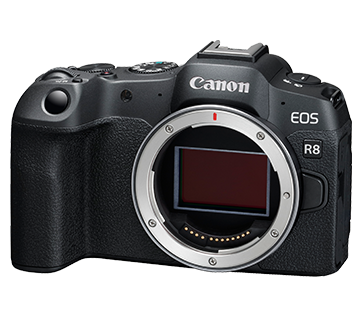
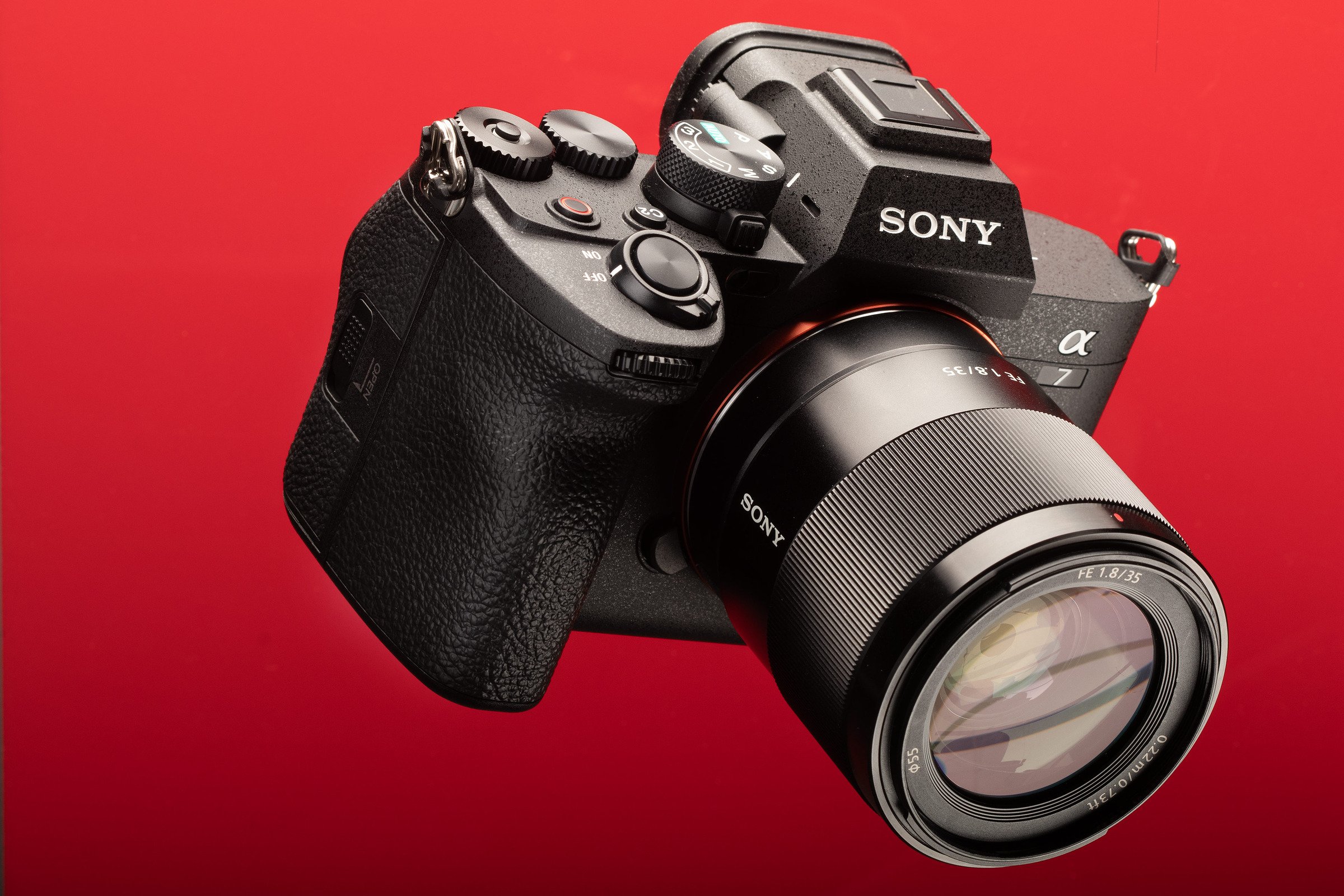
The Canon EOS R8 and Sony A7 IV are two powerful full-frame mirrorless cameras that cater to both enthusiast and professional photographers. With rapidly advancing technology, both models offer enticing features and capabilities that make them popular choices in the market. Those choosing between these two models include landscape photographers, videographers, and portrait artists who seek high-quality imaging and versatile functionality in their gear. The key differentiators between these cameras include sensor resolution, autofocus capabilities, video performance, build quality, and overall value for money, making it essential to evaluate their specifications thoroughly.
Specifications Comparison
Detailed Comparison
Image Quality
When it comes to image quality, the Sony A7 IV takes the lead with its 33-megapixel sensor compared to the 24-megapixel sensor of the Canon EOS R8. This higher resolution offers more detail and cropping flexibility, particularly beneficial for large prints or heavy cropping in post-processing. Both cameras utilize full-frame sensors, which provide excellent dynamic range and low-light performance; however, the Canon's ISO range extends from 100-102400, giving it a slight edge in extreme low-light situations. Meanwhile, the Sony A7 IV has a conventional ISO limit of 100-51200, which can be expanded to 50-204800, providing versatility in varying lighting conditions. Both cameras perform exceptionally well, but the finer details produced by the A7 IV may cater better to those needing higher resolution for extensive post-editing and print use.
Autofocus System
The autofocus systems of both cameras are highly regarded, but the Canon EOS R8 employs a more advanced system with 1053 autofocus points compared to the Sony A7 IV's 759 points. This expansive coverage allows the R8 to acquire focus across a larger area, enhancing its utility in dynamic shooting scenarios such as sports or wildlife photography. Conversely, while the A7 IV has fewer autofocus points, it features Sony's renowned Real-Time Eye AF technology, which excels in detecting and tracking subjects, particularly in portrait photography. Both autofocus systems perform admirably in practice, and the differences may boil down to user preference regarding tracking versus coverage. The Canon's superior point count may offer advantages in certain compositions, while the Sony may excel in consistent tracking of moving subjects.
Video Capabilities
For video enthusiasts, both cameras deliver exceptional 4K video capabilities at 60 frames per second, making them suitable for high-quality video production. The Sony A7 IV edges out slightly with its in-body image stabilization rated at 5.5 stops, allowing for smoother handheld video shooting, especially in less than ideal conditions. In contrast, the Canon EOS R8 lacks any stabilization, which could pose challenges for videographers working in dynamic environments without a stabilizing rig. Additionally, the differences in resolution and dynamic range captured in video may play a significant role in post-production, with the higher resolution of the A7 IV providing a more detailed image for professional applications.
Build & Ergonomics
Both the Canon EOS R8 and Sony A7 IV feature robust weather-sealed designs, offering resilience against the elements for outdoor photography. In terms of ergonomics, this pair presents nuanced differences. The Canon R8 weighs 461g, making it significantly lighter compared to the A7 IV's 659g, making it more portable during travel or long shoots. However, the A7 IV's larger grip and bulkier build provide a more comfortable handling experience for those who frequently utilize larger lenses. The button layouts and control schemes differ, appealing to different user preferences; Canon's interface may feel more intuitive for users familiar with their DSLRs, while Sony's menu system may require some acclimating but offers extensive customization.
Battery & Storage
Battery life is an essential factor for photographers and videographers, and here the A7 IV stands out with a CIPA rating of approximately 580 shots per charge, significantly higher than the R8. Users of the EOS R8 can expect around 370 shots under similar conditions. This difference in battery life impacts prolonged shooting sessions, making the A7 IV a more reliable option for events or extended shoots without frequent interruptions for battery changes. Additionally, both cameras utilize an SD card for storage, but the A7 IV supports CFexpress Type A cards, providing faster write speeds, especially convenient for continuous shooting and 4K video recording.
Value for Money
At a retail price of $1499, the Canon EOS R8 presents a more budget-friendly option, making it an attractive choice for entry-level to mid-range photographers seeking full-frame capability. Alternatively, the Sony A7 IV, while priced at $2499, offers a more advanced feature set including higher resolution, stronger autofocus capabilities, and enhanced video performance. For users focused primarily on still photography who have a tighter budget, the R8 represents exceptional value without compromising too much in performance. However, for professionals needing the best resolution and videography capabilities, the investment in the A7 IV could be justified by its rich feature set.
Our Verdict
Overall, the comparison between the Canon EOS R8 and the Sony A7 IV highlights the strengths of each model in different use cases. The R8 presents a more economical option for those who prioritize value and sufficient performance, especially in still photography. Conversely, the A7 IV serves professionals and video creators better with its superior resolution, advanced autofocus features, and stabilization capabilities. Therefore, the ultimate choice between these two models depends on specific user needs, budget considerations, and weight preferences.
Canon EOS R8
Sony A7 IV
Also Compare
Frequently Asked Questions
Which camera is better for low-light photography?
The Canon EOS R8 has a broader ISO range, allowing for better performance in extreme low-light conditions. However, the Sony A7 IV also handles low-light scenarios well with its sensor, especially when considering its higher resolution.
What is the main advantage of the Sony A7 IV over the Canon R8?
The main advantage of the Sony A7 IV is its higher resolution, superior autofocus tracking capabilities, and in-body stabilization which enhance both still photography and videography.
Can the Canon EOS R8 shoot 4K video?
Yes, the Canon EOS R8 can shoot 4K video at 60p, making it suitable for high-quality videography, although it lacks in-body stabilization.
Is the Canon EOS R8 a good choice for beginners?
Yes, the Canon EOS R8 is an excellent choice for beginners due to its affordability, straightforward controls, and good overall performance.
How does the weight of both cameras affect usability?
The Canon EOS R8 is lighter, making it easier for extended handheld shooting. In contrast, the Sony A7 IV, while heavier, offers a more substantial grip, which can enhance handling during usage.