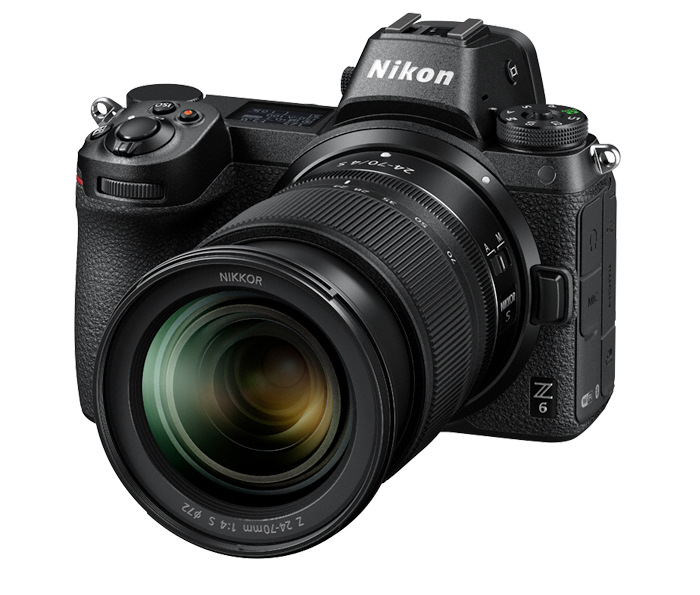
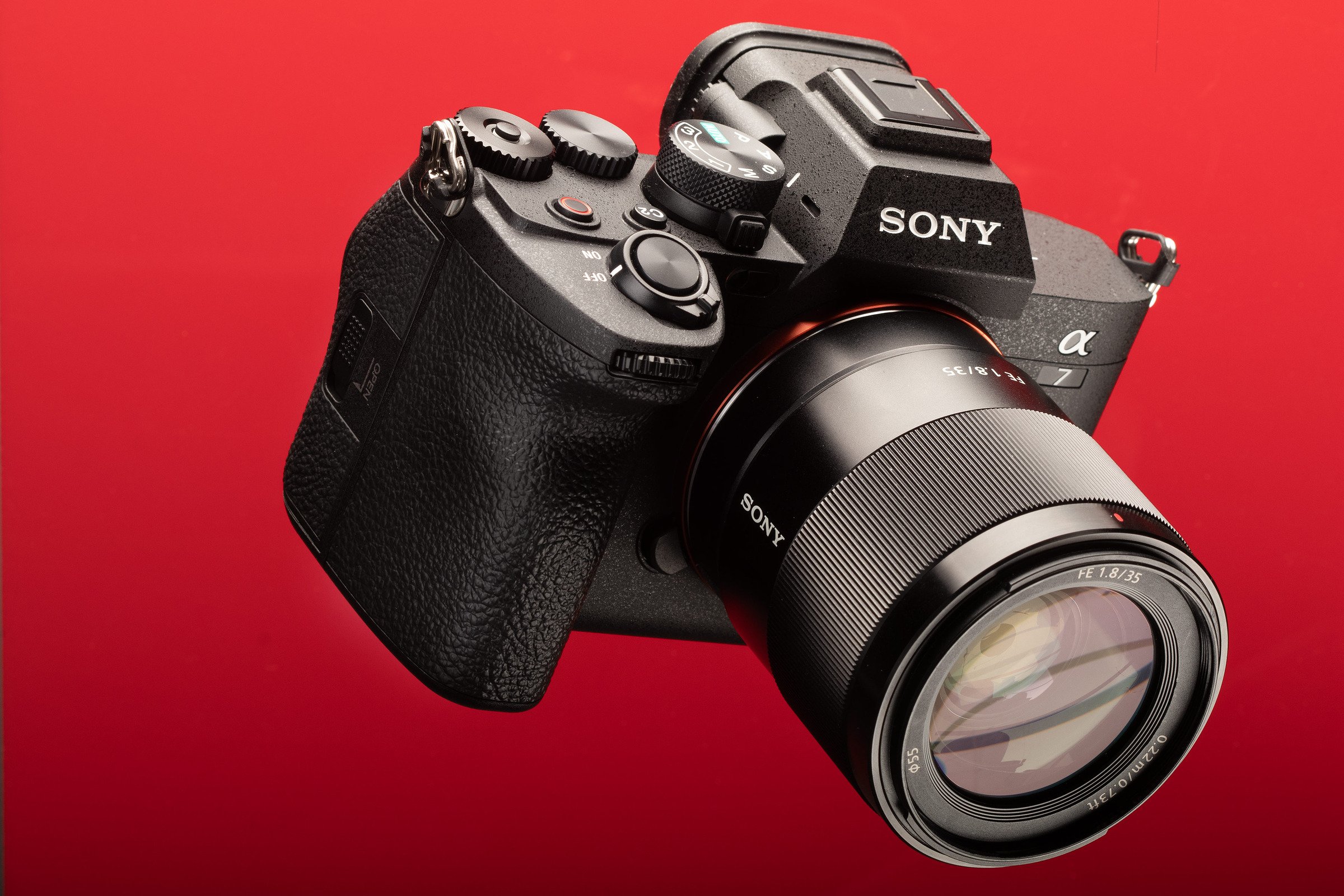
The Nikon Z6 and Sony A7 IV are two prominently featured full-frame mirrorless cameras that cater to a variety of photography enthusiasts and professionals. Buyers commonly compare these models due to their robust features and performance capabilities in diverse shooting environments. Photographers who prioritize image quality, versatility, and performance will find themselves weighing the benefits of each camera, particularly when considering their distinct specifications and ergonomics. While both models offer impressive functionality, key differentiators such as autofocus points, video capabilities, and overall user experience can sway potential buyers in one direction or the other.
Specifications Comparison
Detailed Comparison
Image Quality
The Nikon Z6 boasts a 25-megapixel sensor, offering great image quality with a full-frame size of 35.9 x 23.9 mm. Its strong low-light performance is enhanced by an ISO range that can expand from 100 to 204800, providing flexibility under different lighting conditions. While its resolution is lower than that of the A7 IV, the Z6 still produces rich, detailed images that exhibit beautiful color accuracy and depth.
In contrast, the Sony A7 IV's 33-megapixel sensor, measuring 35.6 x 23.8 mm, captures more detail, making it ideal for large prints or cropping in post-production. Its ISO capabilities are also expansive, matching the Z6, meaning both cameras perform similarly in low-light situations. However, the extra megapixels of the A7 IV lend themselves to greater detail retrieval, particularly useful for landscape and portrait photographers.
Overall, while both cameras deliver excellent image quality, the A7 IV offers an edge in resolution, making it more suitable for high-detail applications. Users focusing on large-scale commercial work or detailed landscapes may lean towards the A7 IV, while those prioritizing versatility and good low-light performance might favor the Z6.
Autofocus System
Nikon's Z6 incorporates an autofocus system with 273 points, allowing for decent coverage across the frame. Its Eye-Detection and face-focus features make it a solid choice for portrait photography. However, its performance in fast-moving scenarios may not match that of its competition.
On the other hand, the Sony A7 IV features an advanced autofocus system with an impressive 759 autofocus points, significantly enhancing subject tracking and overall focusing speed. This advantage makes the A7 IV better suited for dynamic shooting situations, such as wildlife and sports photography. The A7 IV's real-time Eye AF further improves its capability for capturing sharp, well-focused shots of moving subjects.
In terms of autofocusing capability, the A7 IV outperforms the Z6, making it the preferred choice for users who need rapid and accurate focusing in challenging conditions, such as fast action or when working with moving subjects.
Video Capabilities
The Z6 is well-regarded for its video capabilities, allowing 4K recording at 30 frames per second. It's suitable for content creators looking to produce high-quality video footage without requiring excessive frame rates. However, the camera feels limited for those who wish to explore more advanced video features such as slow motion or higher frame rates.
Conversely, the Sony A7 IV takes video to the next level, offering 4K recording at up to 60 frames per second, providing creators with more flexibility for dynamic scenes. Additionally, its video features come with advanced codec options, allowing for greater control over post-production. The capabilities for professional video work make it a more appealing choice for filmmakers and vloggers alike.
In summary, the A7 IV clearly surpasses the Z6 in terms of video capabilities, making it the better choice for users who prioritize video functionality and flexibility.
Build & Ergonomics
The Nikon Z6 has a robust structure and is weather-sealed, enabling it to withstand challenging environmental conditions. Its solid grip and balanced weight of 675 grams ensure a comfortable handling experience, especially during long shooting sessions. The size of 134 x 101 x 68 mm offers a practical form factor without compromising on ergonomics.
Meanwhile, the Sony A7 IV weighs slightly less at 659 grams and has a smaller profile of 131 x 96 x 80 mm, making it more compact and lightweight. This smaller form factor can be an advantage for travel or street photography. The A7 IV also possesses weather-sealing, which is crucial for outdoor shoots.
Both cameras excel in build quality and ergonomics, but their slight differences may appeal to different users. Those who prioritize a comfortable grip and handling may prefer the Z6, while users who seek a lighter and more compact camera may gravitate toward the A7 IV.
Battery & Storage
The Nikon Z6 offers a respectable battery life, capable of shooting up to 310 shots per charge. While this may suffice for many scenarios, photographers who shoot extensively may find this limiting during long sessions.
In contrast, the Sony A7 IV provides a significantly improved battery performance of up to 580 shots per charge, allowing for longer shooting durations without the need for frequent recharges. This feature is particularly beneficial for landscape photographers and travelers who might not have immediate access to power.
In terms of storage, both cameras support dual memory card slots, enhancing the storage capabilities for both stills and multimedia content. This makes both options favorable for professional use, though the A7 IV's superior battery life gives it a clear edge for extended shoots.
Value for Money
The Nikon Z6 comes in at a lower price point of $1,995, making it an attractive choice for users who want a capable full-frame camera without breaking the bank. It provides excellent value considering its performance in still photography and overall functionality.
In contrast, the Sony A7 IV, priced at $2,499, includes advanced video capabilities, superior autofocus, and greater megapixel count, which many videographers and professionals may find justifies the higher cost due to the performance benefits offered. The additional features do cater to a higher-end user base who demands more versatility from their equipment.
When considering value for money, the ultimate decision will depend on what the buyer prioritizes. Those looking for a more budget-friendly option while still enjoying solid performance may find the Z6 to be an unbeatable offer while professionals seeking the latest features and performance enhancements may choose to invest in the A7 IV.
Our Verdict
Overall, while both the Nikon Z6 and Sony A7 IV are superb full-frame mirrorless cameras, the A7 IV emerges as the winner due to its superior autofocus system, enhanced video capabilities, and overall performance enhancements. It provides the versatility and advanced features necessary for professional content creators. However, for photographers primarily focusing on still imagery or those with a limited budget, the Z6 remains an excellent option that offers substantial value and solid performance in various scenarios.
Nikon Z6
Sony A7 IV
Also Compare
Frequently Asked Questions
Which camera has better low-light performance?
Both the Nikon Z6 and Sony A7 IV have impressive low-light capabilities, but their performance is similar with an expandable ISO range up to 204800. The Z6 may offer slightly better results in some scenarios due to its engineering, yet the A7 IV's advanced sensor also performs remarkably in challenging conditions.
Is the video quality significantly different between the two?
Yes, the Sony A7 IV offers better video options, including 4K recording at 60 fps, versus the Z6's 4K at 30 fps. This makes the A7 IV a more enticing option for videographers and content creators who require advanced features.
How does the lens availability compare for both systems?
Both systems have a variety of lenses available. However, Sony's E-mount system has a larger selection of native lenses, including premium options, which may be an advantage for those looking for greater variety. Nikon's Z-mount is expanding rapidly with good quality lenses as well, making it a viable system.
Which camera is better for travel photography?
The choice between the two for travel photography largely depends on personal preferences. The lighter and more compact Sony A7 IV may be an advantage for portability, while the Z6 offers robust performance and better handling for users who prefer a more substantial feel.