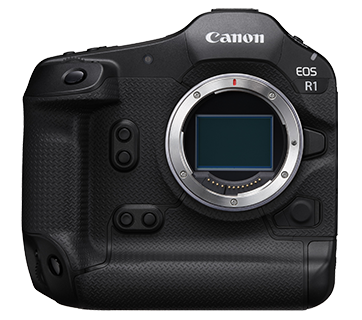
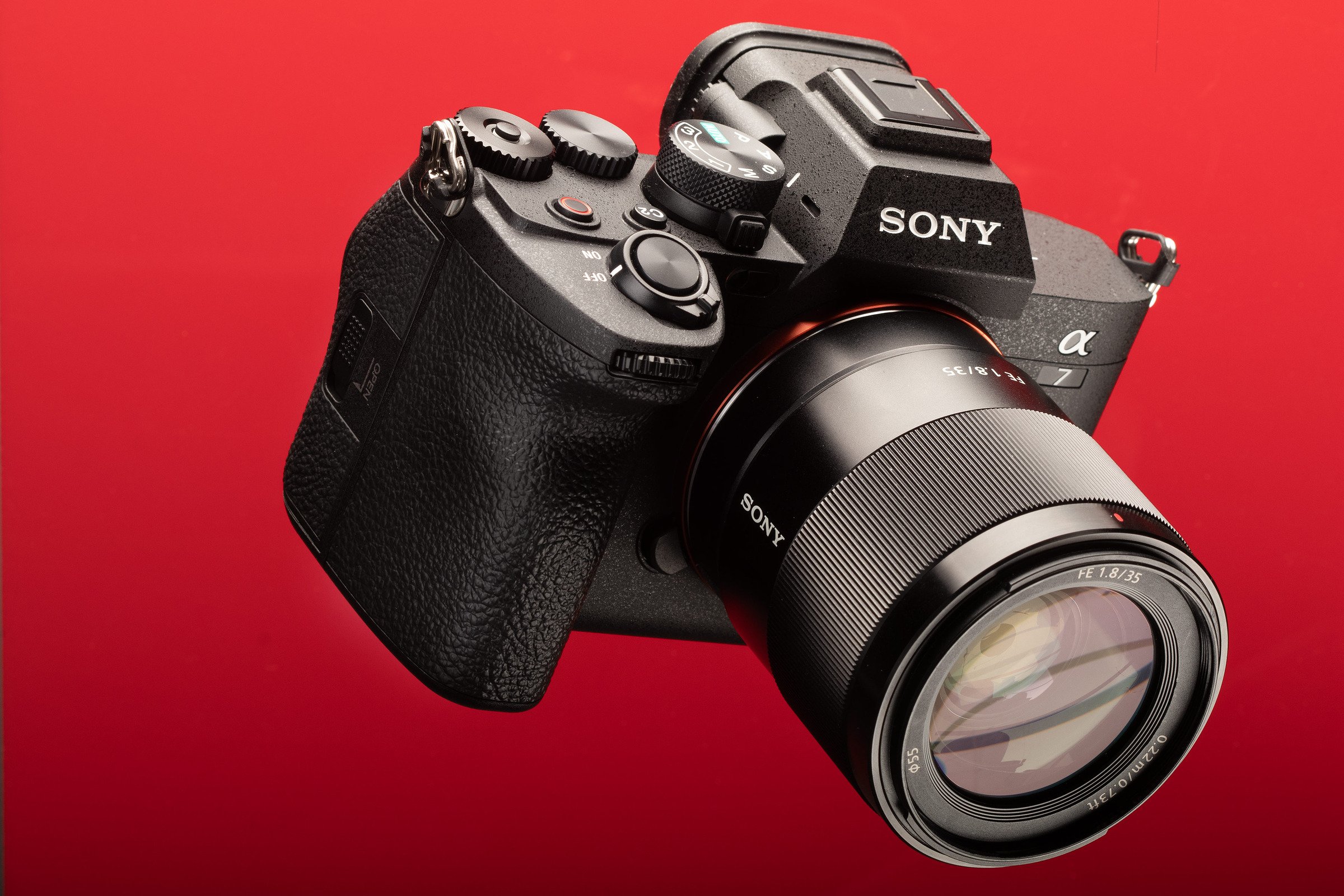
The Canon EOS R1 and Sony A7 IV are two powerhouse full-frame mirrorless cameras that cater to both professional photographers and advanced enthusiasts. Designed for different use cases, these cameras often compete for the same audience, with users typically needing top-notch performance for subjects ranging from wildlife to sports and videography. As the most advanced offerings from their respective brands, a comprehensive comparison of their features can help potential buyers make informed decisions based on their specific needs, preferences, and budgets.
Specifications Comparison
Detailed Comparison
Image Quality
When it comes to image quality, the Canon EOS R1 features a 24-megapixel full-frame sensor that delivers excellent detail and dynamic range suitable for various lighting conditions. It also supports advanced image processing capabilities, making it effective in shooting under challenging circumstances. On the other hand, the Sony A7 IV boasts a higher resolution 33-megapixel sensor, which adds an extra level of detail and provides greater flexibility for cropping images without losing quality. This is significant for photographers who often print large formats or require high-resolution files for extensive post-processing.
Another important aspect to consider is the ISO performance. The A7 IV has an expandable ISO range from 50 to 204800, whereas the R1 has a more limited range focused on high-quality performance. While both cameras provide great image quality at lower ISOs, the A7 IV may be favored by those who need exceptional low-light performance. The bigger pixel count in the A7 IV also allows for more vibrant colors and better tonal transitions in images, particularly in complex scenes.
Overall, while both cameras deliver impressive image quality, the higher megapixel count of the Sony A7 IV arguably gives it an edge for those who require detailed images, making this section a decisive win for Sony.
Autofocus System
The autofocus systems of the Canon EOS R1 and Sony A7 IV are both highly advanced but operate differently. The R1 stands out with an astounding 4897 autofocus points, allowing for extremely precise and quick focusing capabilities. Its advanced algorithms ensure tracking subjects even in motion, making it an exceptional choice for action photography like sports or wildlife.
In contrast, the Sony A7 IV features 759 autofocus points, which while fewer, are known for their effectiveness and reliability. Sony has made significant advancements in their Real-Time Eye AF technology, which is highly regarded, particularly in portrait and wildlife photography. Furthermore, while the autofocus system of the A7 IV is impressive, the density of the focusing points on the R1 may give it a performance advantage in mixed lighting conditions or when tracking fast-moving subjects.
Given these advancements, and considering the formidable number of autofocus points and their performance, this section suggests that the Canon EOS R1 holds a slight advantage over the Sony A7 IV, making it ideal for those who prioritize autofocus precision in fast-paced environments.
Video Capabilities
When it comes to video, the Sony A7 IV has a notable advantage with its ability to shoot 4K video at 60p, offering filmmakers an exceptional combination of frame rate and resolution. Additionally, the A7 IV supports a variety of picture profiles, including S-Log3, which provides filmmakers with greater flexibility in color grading during post-production. This versatility makes it an excellent option for both amateur and professional videographers.
The Canon EOS R1, while suitable for high-quality video capture, does not have the same level of frame rates or formats as the A7 IV. Although it offers robust video capabilities, it is focused more on still photography prowess, which may limit its appeal for those primarily looking to create video content or needing advanced video features.
Considering the significant advantages in terms of video quality and versatility that the Sony A7 IV offers, it clearly emerges as the winner in this category, making it the foreground option for videographers looking for high performance.
Build & Ergonomics
Both the Canon EOS R1 and the Sony A7 IV feature weather-sealed designs that provide protection in challenging environments, making them suitable for outdoor shooting. However, the R1 is significantly larger and heavier at 1115 g compared to the A7 IV's 659 g. This difference in weight might affect portability and ease of use, especially during extended shooting sessions.
In terms of ergonomics, the EOS R1's larger grip may be more comfortable for users with bigger hands, providing a secure hold during extensive photography work. Conversely, the A7 IV, while smaller, has a compact design ideal for travel and street photography, making it easier to carry around.
Both cameras have LCD screens, but the R1's 3.2-inch screen with 2.1 million dots provides more detail than the A7 IV's 3-inch screen with 1.036 million dots. This can enhance the user experience when composing shots, especially in bright conditions.
Overall, while both cameras are well-built, the R1's ergonomics may appeal more to users who prefer a substantial feel and comfort, giving it an edge in this regard.
Battery & Storage
The Sony A7 IV boasts impressive battery life, rated at approximately 580 shots per charge, which is commendable for a full-frame camera of its class. This extended battery performance allows photographers and videographers to shoot longer without worrying about changing batteries frequently, a crucial factor for events or long sessions.
In contrast, the Canon EOS R1 is expected to offer a comparatively shorter battery life. However, Canon has not released concrete specifications for this element yet, which may raise questions for potential buyers about endurance in the field. Additionally, both cameras utilize dual card slots, which is crucial for professional use as it provides redundancy and increases storage capacity.
Taking into account the standard observed in existing models and considering the known battery life of the A7 IV, it leans in favor of Sony, making the A7 IV a more compelling option for users who prioritize extended shooting sessions without interruptions.
Value for Money
When comparing the price points, the Canon EOS R1 comes at a premium price of $6299. This higher cost reflects its advanced features and capabilities, aimed primarily at professional photographers looking for a high-performance tool for demanding work. The R1's exceptional autofocus system, build quality, and ruggedness are significant benefits that justify its price for the target market.
On the other hand, the Sony A7 IV is priced at $2499, representing a more accessible option for both enthusiasts and professionals seeking a capable camera without the hefty investment. The balance of features offered at this price point, including impressive video capabilities and still image performance, make it a highly attractive choice.
In this category, the overall value offered by the A7 IV makes it a more justifiable purchase for a wide range of users without compromising too significantly on performance. Therefore, the A7 IV emerges as a clear winner in terms of value for money.
Lens Ecosystem
Both Canon and Sony offer a robust range of lenses for their respective systems, which plays a crucial role in a photographer's decision-making process. Canon's RF lens lineup is continuously growing, with high-quality options that optimize the performance of the EOS R1. Additionally, the prospect of adapting EF lenses enhances versatility for current Canon users, providing a good transition for those invested in the Canon ecosystem.
Conversely, Sony's E-mount has an extensive array of lenses available, covering almost every photography niche from ultra-wide to telephoto. This extensive third-party support from Zeiss, Tamron, and Sigma further enhances the versatility of the A7 IV. Moreover, the innovation in Sony lenses includes fast autofocus capabilities that align well with their camera systems.
When considering the lens ecosystem, both systems effectively cater to their user base; however, Sony's longer history in the mirrorless space has resulted in a wider range of options, thus providing a slight edge over Canon in this aspect.
Our Verdict
Overall, while both cameras excel in their respective domains, the Sony A7 IV emerges as the winner due to its superior image resolution, better video capabilities, impressive battery life, and greater value for money. Canon's EOS R1 does shine with its unparalleled autofocus system and build quality, making it an excellent choice for professional photographers requiring top-level performance, particularly in action scenarios. In summary, the A7 IV is more suited for those looking for a balanced and versatile camera, while the R1 appeals to professionals with specific high-performance needs.
Canon EOS R1
Sony A7 IV
Also Compare
Frequently Asked Questions
Which camera is better for sports photography?
The Canon EOS R1, with its superior autofocus system and higher number of autofocus points, is better suited for sports photography, delivering faster and more precise tracking of moving subjects.
Is the Sony A7 IV good for videography?
Yes, the Sony A7 IV is an excellent choice for videography, offering 4K 60p recording, various picture profiles, and exceptional low-light performance, making it versatile for filmmakers.
Which camera is more portable?
The Sony A7 IV is more portable due to its lighter weight and compact dimensions, making it easier to travel with and ideal for street photography.
How important is weather-sealing?
Weather-sealing is crucial for photographers who often shoot in challenging environmental conditions, and both cameras offer strong weather-sealed designs, providing protection against dust and moisture.
Which camera offers better value for money?
The Sony A7 IV offers better value for money given its strong feature set at a lower price point, making it an attractive option for a wide range of photographers and videographers.