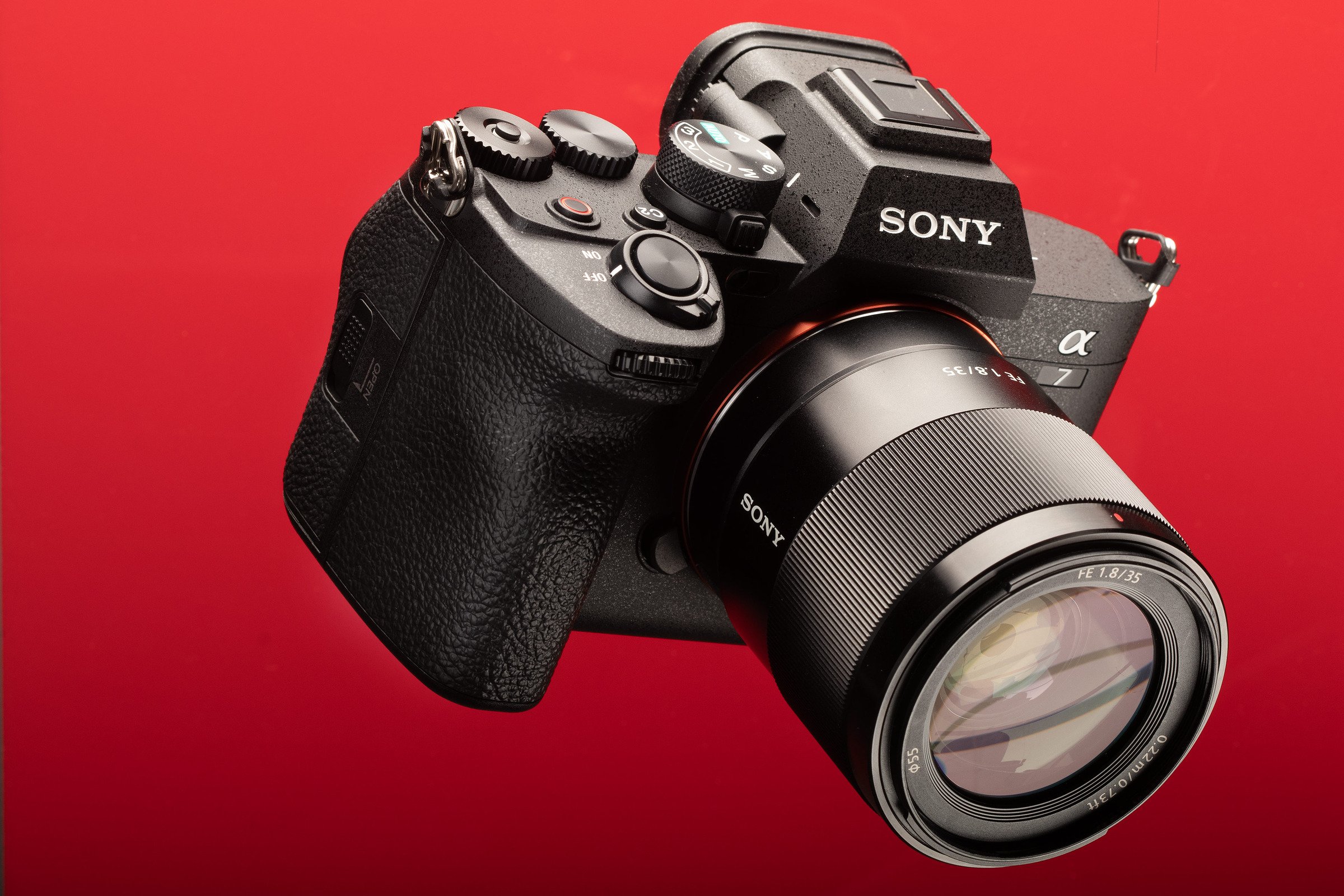

The Sony A7 IV and Sony A9 III are two high-performance full-frame mirrorless cameras from Sony, aimed at enthusiasts and professionals alike. Photographers often find themselves choosing between these models due to their advanced features, impressive specifications, and capabilities that cater to different shooting styles. The A7 IV is particularly attractive for those focused on still imaging with its higher megapixel count, while the A9 III targets fast-action photography and videography with its exceptional frame rate and video resolution.
Specifications Comparison
Detailed Comparison
Image Quality
The Sony A7 IV boasts a 33-megapixel sensor compared to the A9 III's 25-megapixel sensor, offering higher resolution for landscape and portrait photographers who benefit from detailed images that allow for significant cropping. The A7 IV's larger resolution can capture more fine detail, making it an excellent choice for studio work or large prints. That said, the A9 III's sensor has been optimized for speed and performance in action situations, maintaining image quality while shooting at extremely high frame rates. This makes it a strong contender for sports and wildlife photography, where capturing the decisive moment is critical.
Both models have impressive ISO capabilities, with the A7 IV ranging from 100 to 51200 (expandable to 204800), which allows for greater versatility in low-light environments. The A9 III, while slightly less flexible, still delivers impressive high ISO performance, making it capable in challenging lighting conditions. Thus, while the A7 IV may pull ahead in resolution, the A9 III's performance at speed and in less than optimal lighting conditions gives both cameras their unique strengths in image quality.
Autofocus System
Both cameras have robust autofocus systems, but they differ significantly in terms of performance. The A7 IV features 759 autofocus points, providing great coverage and accuracy for general shooting scenarios. The autofocus is fast and reliable, ideal for portraits, landscapes, and general photography. However, the A9 III significantly enhances this with its real-time tracking capabilities and sophisticated algorithms, making it a superior choice for action photography where speed is crucial. The 120 frames per second burst speed enabled by the A9 III allows it to maintain focus on moving subjects better than the A7 IV.
Moreover, the A9 III's advanced features include blackout-free continuous shooting and an overall quicker system reaction time, which are advantageous during fast-paced shoots. On the other hand, while the A7 IV provides an excellent autofocus experience, its performance does not match the sheer focus tracking accuracy found in the A9 III when capturing rapid movement. Therefore, for users needing compelling autofocus in action scenarios, the A9 III is the clear winner here.
Video Capabilities
When it comes to video capabilities, the Sony A9 III leads with its ability to record 4K at up to 120p, making it highly suitable for filmmakers looking to achieve slow-motion effects and high-resolution video without compromising on performance. The A7 IV, while no slouch, offers 4K at 60p, which is still impressive but may not meet the needs of all videographers, especially those working on projects that require higher frame rates. The enhanced video features in the A9 III give filmmakers a decisive advantage due to this higher frame rate functionality, enabling greater creative flexibility.
Additionally, both cameras support a wide array of gamma profiles for color grading, but the A9 III's performance in video ensures less rolling shutter and superior low-light video performance owing to its advanced sensor. In terms of resolution and frame rate going hand-in-hand, the A9 III's superior specs and performance place it ahead in this category.
Build & Ergonomics
Both cameras are well-built, featuring weather-sealed bodies that offer protection against dust and moisture, making them suitable for outdoor shooting conditions. The A7 IV measures 131 x 96 x 80 mm and weighs 659 g, while the A9 III is slightly larger at 136 x 97 x 83 mm and lighter at 617 g. The ergonomic design of both cameras allows for comfortable grip during extended shooting sessions. Additionally, the A7 IV has a slightly smaller and less detailed screen compared to the A9 III, which features a larger 3.2-inch screen that can enhance the user experience for videos and menus. However, the trade-off in size may not significantly affect overall usability.
Using the cameras also depends on their interface and button layout, which both models handle adequately. The differences noted here may largely come down to personal preference in size and shape. Overall, while both are durable and well-designed, user preference in ergonomics might play a significant role in the decision-making process, resulting in a stalemate.
Battery & Storage
The Sony A7 IV has an impressive battery life, rated for approximately 580 shots, which is useful for long shooting sessions without immediate recharging. In contrast, the A9 III's battery life is slightly shorter, but is designed to handle the demands of high-speed shooting efficiently. Both cameras use the same type of battery, but the performance under high burst conditions may differ, favoring the A9 III in active shooting scenarios.
Storage capabilities are similar, with both models supporting dual card slots that provide ample storage options for large files typical of high-resolution photography and 4K video recording. While the A7 IV offers a capacity advantage with its larger megapixel files over time, the efficiency of both systems in processing data allows for seamless shooting experiences, making this aspect generally favorable for both. Therefore, while both cameras manage battery and storage options effectively, the longevity in static scenarios leans towards the A7 IV.
Value for Money
The Sony A7 IV is priced at around $2499, and given its high-resolution sensor and strong performance in various photographic situations, it offers a well-rounded package for those who require excellent image quality. The A9 III, while slightly more advanced, carries a higher price point (not specified in the input but generally anticipated to be higher based on A series tiering). This difference in price and the justification of the features primarily caters to specific audiences. The A7 IV delivers significant value for photographers focused on versatility and image quality without needing the extreme speed of the A9 III.
On the other hand, the A9 III justifies its higher price by offering features that cater specifically to professional sports and wildlife photographers who demand the utmost in speed and low-light capability. This means that while both cameras are excellent investments, they may appeal to different types of users based on their specific needs, enabling a tie in terms of overall value for differing market segments.
Our Verdict
In this comparison, the Sony A9 III emerges as the overall winner due to its superior autofocus system, video capabilities, and focus on speed, making it a perfect choice for action photographers and videographers. However, the Sony A7 IV holds its own with impressive image quality and better battery life, making it ideal for portrait, landscape, and general photography. Ultimately, the choice depends on user needs: the A7 IV is great for versatile shooters focused on image quality, while the A9 III excels in fast-paced environments requiring dynamic performance.
Sony A7 IV
Sony A9 III
Also Compare
Frequently Asked Questions
Which camera has better low-light performance?
The Sony A7 IV has a slightly wider ISO range, allowing for more flexibility in low-light conditions, while the A9 III performs exceptionally well at high ISO settings, making both cameras capable but in different ways.
Is the A9 III worth the extra cost?
If you specialize in fast-action photography or videography and require high-speed shooting capabilities, the A9 III may justify its higher price. For general photography needs, the A7 IV offers substantial value.
Can both cameras shoot 4K video?
Yes, both cameras can shoot 4K video, but the A9 III offers a higher frame rate of up to 120p, making it more suitable for professional video work.
How do the sizes of the cameras compare?
The A7 IV is slightly smaller and heavier than the A9 III, but both are ergonomically designed for comfort during prolonged use.
What type of photography are each of these cameras suited for?
The A7 IV is optimal for versatile photography including portraits and landscapes, while the A9 III is geared towards sports, wildlife, and fast-paced action shots.