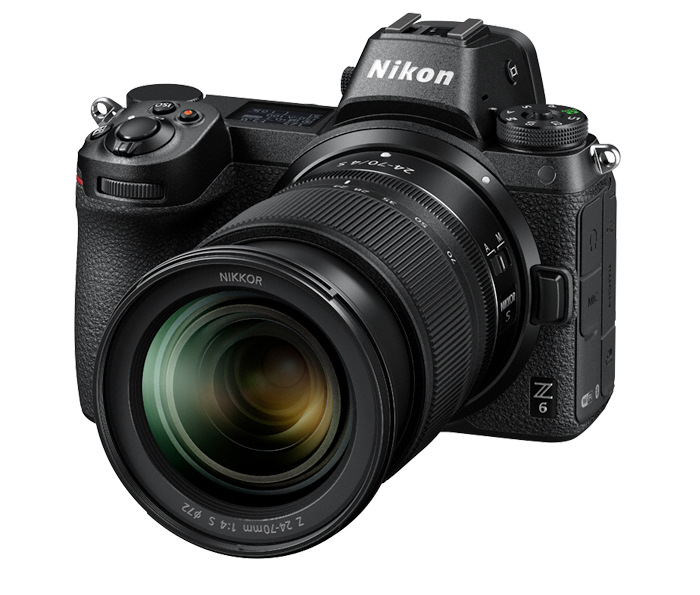

The Nikon Z6 and Sony A9 III are two formidable full-frame mirrorless cameras that often see themselves pitted against one another, particularly among professional and enthusiast photographers. With similar megapixel counts and both designed to handle high-performance photography and videography, they attract serious creatives looking for superior versatility. Choosing between the two often involves looking beyond just basic specs to understand performance, especially in fast-paced scenarios like sports or wildlife photography where burst shooting and autofocus capabilities shine.
Specifications Comparison
Detailed Comparison
Image Quality
Both the Nikon Z6 and Sony A9 III come equipped with full-frame sensors, enabling excellent image quality with a resolution of 25 megapixels. However, the Z6 boasts a wider ISO range, spanning from 100 to 51200 and expandable to a remarkable 50-204800, which provides greater flexibility in low-light conditions. Photographers looking for increased versatility in diverse lighting situations might lean towards the Z6 for this reason. On the other hand, the A9 III's newer sensor technology may provide slightly improved noise performance at higher ISO settings thanks to ongoing advancements in sensor design.
In terms of dynamic range and color science, both brands have their strengths. Nikon cameras are often praised for their color reproduction, particularly in skin tones, while Sony's sensors tend to render colors with extraordinary sharpness and detail. In practical use, both cameras can deliver stunning images suitable for professional output.
Autofocus System
Autofocus performance is one of the standout features in both the Nikon Z6 and the Sony A9 III. The Z6 features 273 autofocus points, which provide excellent coverage and accuracy, making it capable of capturing sharp images across a wide frame. However, the Sony A9 III has significantly improved upon its predecessors with an astonishing autofocus system that offers 693 phase-detection points, resulting in faster and more reliable subject tracking, especially during high-speed shooting. This can be particularly advantageous for sports photographers or those capturing moving subjects.
With a maximum burst rate of 120 frames per second in continuous shooting, the A9 III also gives it an edge for anyone focused on fast-action photography, making it a superior choice for wildlife and sports scenarios. The updated AI and algorithms in the A9 III only enhance its tracking capabilities, making it one of the best autofocus systems available today.
Video Capabilities
When it comes to video capabilities, the Sony A9 III shines with its ability to record 4K video at up to 120 frames per second, which offers filmmakers extraordinary flexibility in capturing high frame rate footage. The A9 III also supports 10-bit 4:2:2 internal and external recording, enhancing post-production capabilities with better color grading options. These features place the A9 III at a distinct advantage for professional videographers who require high-quality, fast-frame-rate video.
Conversely, while the Z6 can record 4K video at 30p with excellent quality, it doesn't quite match the speed or versatility of the A9 III. It lacks the advanced slow-motion capabilities and higher bit-rate options that are becoming standard in high-end video production, ultimately making it less appealing for filmmakers focusing on capturing fast-moving subjects.
Build & Ergonomics
Both cameras offer robust designs with weather sealing, making them suitable for challenging shooting conditions. The Nikon Z6 weighs slightly more at 675g compared to the 617g of the A9 III, making the Sony model more portable for extended shooting sessions. However, the Z6 features a more traditional control layout that some photographers may find more intuitive.
The A9 III's dimensions are slightly bulkier, particularly in the grip area, which some users might prefer for handling heavier lenses. Both systems employ electronic viewfinders, but Sony offers an optional OLED viewfinder that provides a larger display and is often considered among the best in its class. Overall, personal preference for ergonomics and handling will play a significant role here.
Battery & Storage
Battery performance is critical for any photographer, and here, the Nikon Z6 has a slight edge with a battery life rating of approximately 310 shots against the A9 III's extended usage capabilities, though exact figures can vary based on usage conditions and settings. The Z6 uses the EN-EL15b battery, which offers decent life but pales compared to the newer generation batteries in the A9 III.
In terms of storage, both cameras can utilize SD cards, but the A9 III supports CFexpress Type A cards, providing much faster write speeds, especially important for high-resolution burst shooting. This allows the A9 III to process and save high-quality files rapidly, making it a superior choice for professional workflows where efficiency in capturing and storing large amounts of data is essential.
Value for Money
In terms of pricing, the Nikon Z6 is currently offered at $1,995, which may appeal to buyers looking for a full-frame camera without breaking the bank, especially for still photography enthusiasts. The Z6 presents decent value for its specs, particularly for those who prioritize image quality & low-light performance over speed and advanced video features.
Conversely, the Sony A9 III, priced significantly higher due to its advanced specs and features, caters more to professional users demanding the highest performance in speed and autofocus capabilities. Buyers must carefully consider their specific needs: the A9 III justifies its higher cost through superior performance in fast-paced shooting environments but may be overkill for casual users or those primarily producing stills.
Our Verdict
Both the Nikon Z6 and Sony A9 III have their unique advantages, making them suitable for different types of photographers. The Z6 excels in image quality and overall value for still photography, particularly in low-light environments. In contrast, the A9 III's advanced autofocus, superior burst shooting capability, and enhanced video features make it ideal for professionals focused on fast-paced subjects and video production. Ultimately, the choice depends on the buyer's primary needs - beneath their spec sheets, both cameras promise exceptional results but shine in distinct scenarios.
Nikon Z6
Sony A9 III
Also Compare
Frequently Asked Questions
Which camera is better for sports photography?
The Sony A9 III is preferable for sports photography due to its superior autofocus system and high burst rate of 120 fps, allowing it to capture fast-moving actions effectively.
Is the video quality different between the two cameras?
Yes, the Sony A9 III offers 4K video at up to 120p, providing greater flexibility for filmmakers compared to the Nikon Z6's 4K at 30p.
How do the autofocus systems compare?
The A9 III has a far more advanced autofocus system with 693 phase-detection points, compared to the Z6's 273 points, making the Sony model better for tracking subjects and fast-action photography.
What are the key differences in battery life?
The Nikon Z6 has a rated battery life of around 310 shots, while the A9 III, utilizing more efficient power management, can often achieve better performance in real-world conditions; however, specific figures can vary with usage.
Which camera is easier to handle and customize?
The Nikon Z6 may offer a more user-friendly control layout for traditional photographers, while the A9 III, though bulkier, has a customizable grip and control settings that might appeal to technical users.