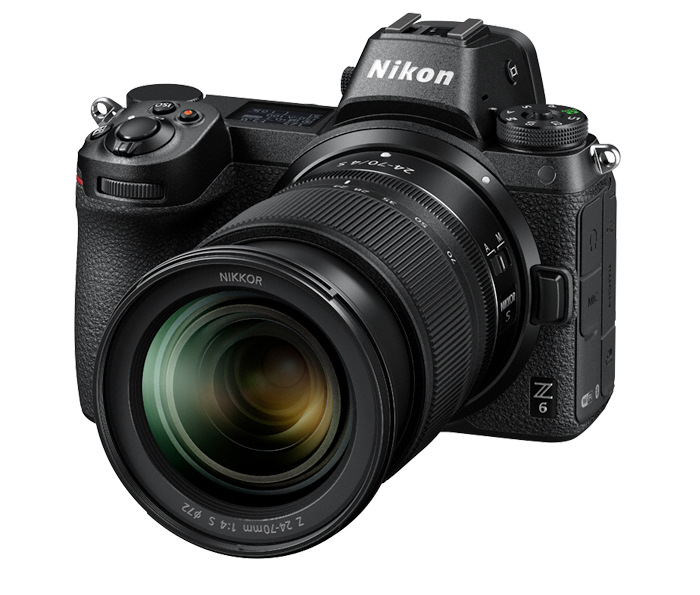
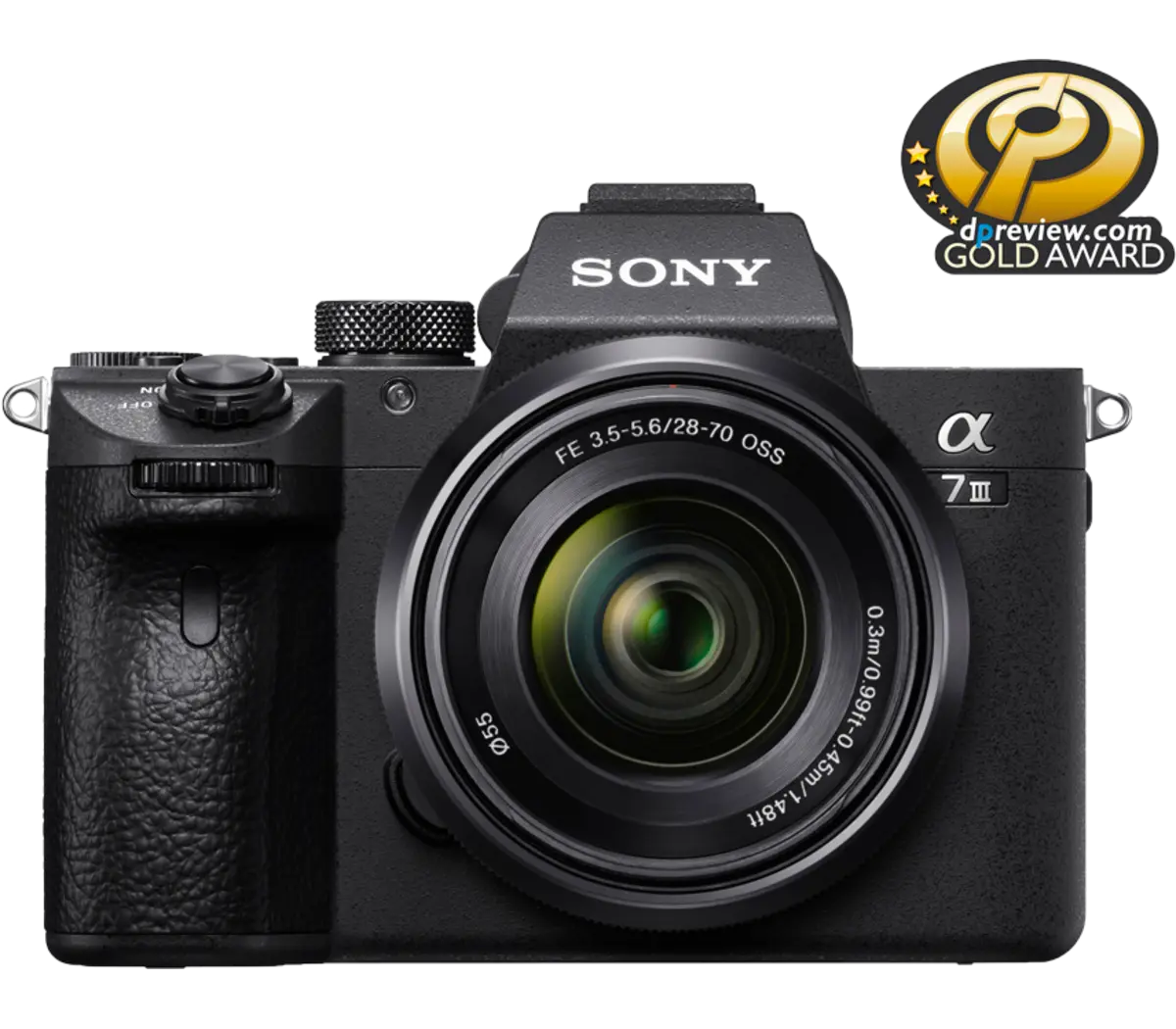
The Nikon Z6 and Sony A7 III are two of the most celebrated full-frame mirrorless cameras available, often attracting photographers and videographers looking for high-quality images combined with robust performance. Both models were released in 2018 and have since carved out a reputation for reliability and versatility in delivering professional-grade results across various shooting conditions. Those who might be choosing between these two models typically include enthusiasts, semi-professional photographers, and even professionals in search of a compact yet powerful system that can deliver exceptional image quality and versatility.
Specifications Comparison
Detailed Comparison
Image Quality
In terms of image quality, both cameras provide outstanding results with their full-frame sensors. The Nikon Z6 features a 25-megapixel sensor, which gives it a slight edge in resolution over the Sony A7 III's 24-megapixel sensor. However, the difference in megapixels is marginal and often negligible for most photographers. Both cameras excel in low-light performance, with the Z6 offering an ISO range that can expand from 50 to 204800 compared to the A7 III's maximum of 51200. This makes the Z6 a better choice for those who regularly shoot in extremely low light environments.
On the other hand, the A7 III's dynamic range is often praised, providing excellent details in highlights and shadows. Users have reported that when images from both cameras are put to the test, the difference is minimal, with most users admitting that either camera is capable of producing images that are more than adequate for professional use. Both cameras also render colors beautifully, with natural skin tones processed well across the board. Thus, in practical terms, while the Z6 holds a slight advantage, many photographers may not notice a significant difference in day-to-day shooting.
Autofocus System
The autofocus systems in both the Nikon Z6 and Sony A7 III are robust, but the systems vary in performance metrics. The Z6 employs a hybrid autofocus system with 273 phase-detection points, which can be very effective for still photography and video alike. On the contrary, the A7 III boasts a remarkably higher count of 693 autofocus points, making it one of the leaders in autofocus technology. Many reviewers indicate that the increased number of focus points in the A7 III allows for more precise tracking of moving subjects and greater coverage across the frame.
In practical terms, users have reported that the A7 III offers quicker acquisition times, particularly in challenging scenarios, such as fast-moving subjects or shooting in low-light situations. Nevertheless, the autofocus performance of the Z6 is still competitive, especially for general photography. For videographers focused on capturing moving subjects, however, the A7 III is likely the better option due to its superior tracking capabilities.
Video Capabilities
Both cameras are well-suited for video recording, featuring 4K video capabilities at 30p. However, when it comes to video features, the A7 III has a few advantages, including broad video codec options and better low-light autofocus during video capture. The Z6's in-body stabilization is highly effective, providing smooth handheld shots which is invaluable for many videographers. Both cameras accept external mic inputs and feature electronic viewfinders, making equally compelling options for capturing high-resolution video content.
That said, some video-focused users might find the A7 III to offer better functionality with options like S-Log and picture profiles, providing more control over post-processing. While each camera presents compelling features for video creators, the overall consensus is that the A7 III leans slightly more towards videography, making it more versatile in this segment.
Build & Ergonomics
In terms of build quality, both the Z6 and A7 III offer weather-sealed bodies, ensuring durability under challenging conditions. The Z6 weighs about 675g, which is slightly heavier than the A7 III's 650g. For photographers who prioritize portability, this difference might be worth noting, especially when carrying multiple lenses. The ergonomics of both cameras also differ slightly; the Z6 incorporates a deeper grip which can provide more comfort during prolonged use. This can be particularly advantageous for users with larger hands.
On the other hand, users familiar with Sony's menu system might find the A7 III more intuitive to navigate, while newcomers might face a steeper learning curve. Both models, however, maintain a professional, rugged feel that instills confidence while shooting. Ultimately, preferences may boil down to personal handling experience, as both cameras hold up well in terms of overall ergonomics.
Battery & Storage
When it comes to battery life, the Sony A7 III is impressive, rated for approximately 710 shots on a single charge, which is significantly higher than the Nikon Z6's 310 shots. This longer battery life can be a crucial factor for professional use, particularly for those who shoot events or on long trips without easy access to charging facilities. Additionally, the A7 III supports dual SD card slots, allowing for extended shooting sessions and greater flexibility in file management.
The Z6, while it offers a single card slot, supports the CFexpress format, which can be beneficial for videographers needing faster data transfer rates. This dynamic offers advantages and trade-offs depending on the specific usage scenario. For users who prioritize longer operational time especially during shoots requiring extended periods without recharging, the A7 III is clearly the winner in this segment.
Value for Money
Both the Nikon Z6 and Sony A7 III hover around similar price points, with the Z6 listed at approximately $1995 and the A7 III slightly higher at around $2000. Considering the specifications and real-world performance, they each offer distinct advantages that cater to different user needs. For photographers focusing more on high resolution and superior handling, the Z6 may provide better value. Conversely, for those who prioritize autofocus performance and battery longevity, the A7 III represents a better investment.
When assessing the overall value for money, the choice largely hinges on personal preferences and the specific applications users intend to engage in. Both cameras deliver impressive performance for their respective price, making either option a strong contender in the mirrorless landscape. Overall, both models deliver solid performance for the cost, hence they meet high standards within the full-frame segment.
Our Verdict
After considering the various aspects of comparison, the Sony A7 III stands out as the overall winner due to its superior autofocus system, longer battery life, and videography capabilities. This makes it a more versatile choice for both still photographers and videographers alike. However, the Nikon Z6 should not be overlooked, especially for those who value slightly higher resolution, exceptional handling, and low-light capabilities. Therefore, while the A7 III may be better for those with varied photography and videography needs, the Z6 remains an excellent choice for enthusiasts who focus more on still photography in diverse environments.
Nikon Z6
Sony A7 III
Also Compare
Frequently Asked Questions
Which camera has better low-light performance?
The Nikon Z6 generally has better low-light performance due to its higher expanded ISO range and slightly better high ISO handling, making it superior for night shots or dimly lit environments.
How do the video capabilities compare?
Both cameras record 4K video at 30p, but the A7 III has additional features like S-Log and higher video codec options, making it more versatile for video projects.
Which is more suitable for sports photography?
The Sony A7 III, with its 693 autofocus points and quick focus acquisition, is more suited for sports photography, making it ideal for capturing fast-moving subjects.
Which has better battery life?
The Sony A7 III offers significantly better battery life, rated for approximately 710 shots compared to the Nikon Z6's 310 shots, which is a crucial factor for long shoots.
Is there a substantial difference in handling and ergonomics?
Both cameras have ergonomic designs, but the Nikon Z6 provides a deeper grip, which may be more comfortable for some users. Preference for handling often comes down to personal taste.