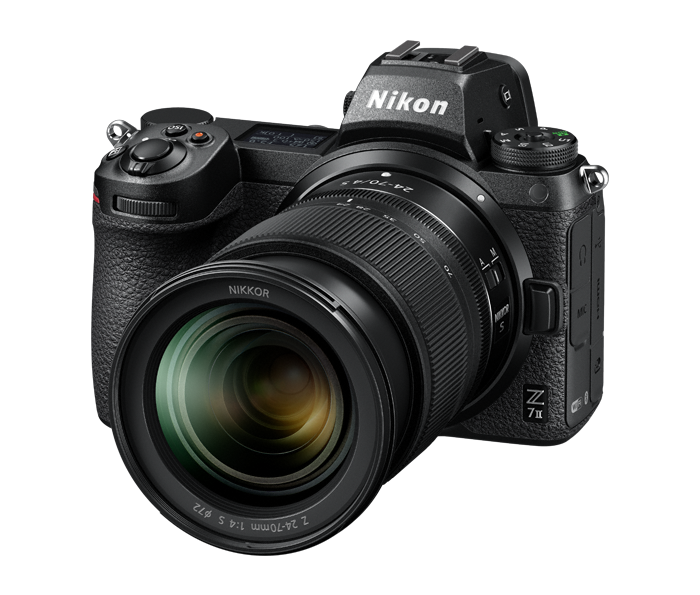
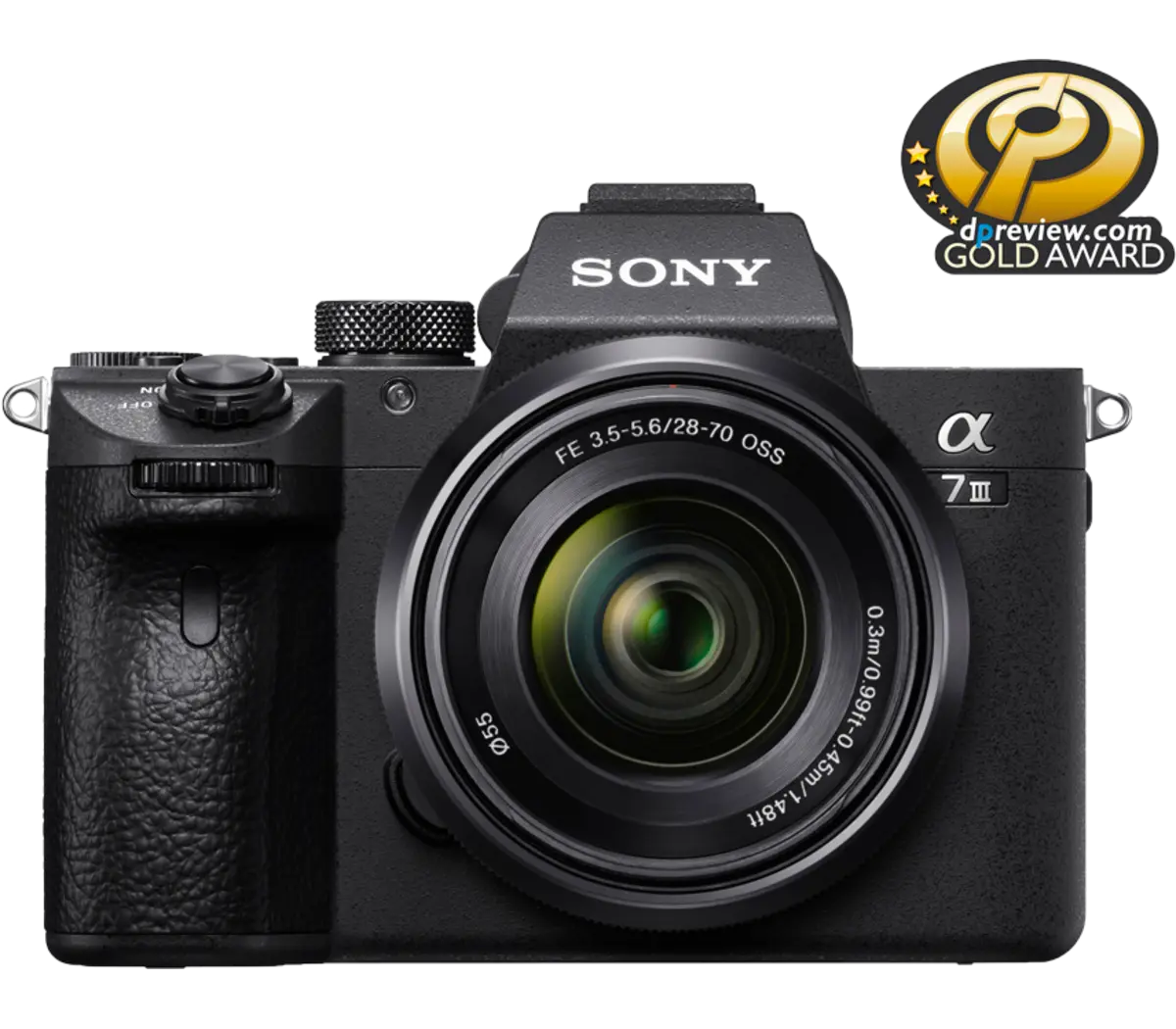
The Nikon Z7 II and Sony A7 III are two of the most popular full-frame mirrorless cameras on the market, designed for enthusiasts and professionals alike. Both models offer impressive features and performance, making them commonly compared options for photographers and videographers. A potential buyer might be choosing between these two cameras based on specific needs such as image quality, video capabilities, and overall usability. Key differentiators between the two include sensor resolution, autofocus system, and battery life - all crucial aspects that can heavily influence the purchasing decision depending on the intended use case.
Specifications Comparison
Detailed Comparison
Image Quality
The Nikon Z7 II features a significantly higher resolution at 46 megapixels compared to the 24 megapixels offered by the Sony A7 III. This advantage allows the Z7 II to capture more detail, which is particularly beneficial for landscape and portrait photography where detail is paramount. The larger image files of the Z7 II also provide more flexibility for cropping and large prints. Additionally, both cameras perform well in low light, but the Z7 II has a broader ISO range, extending down to 32 and up to 102400, which can be advantageous in challenging lighting conditions.
Autofocus System
Both the Nikon Z7 II and Sony A7 III utilize advanced autofocus systems, but the A7 III takes the lead with a higher number of autofocus points - 693 compared to the Z7 II's 493. This could be particularly beneficial for fast-moving subjects or in dynamic shooting environments, as the Sony camera demonstrates superior tracking capability. However, the Z7 II's autofocus system is no slouch, offering reliable performance and accuracy, particularly for still subjects. For users who prioritize fast autofocus and subject tracking, the A7 III may be the better choice.
Video Capabilities
When it comes to video, the Nikon Z7 II supports 4K video at 60fps, providing greater frame rate flexibility for film makers, especially for those looking to produce high-quality content with smoother motion. In contrast, the Sony A7 III records 4K at 30fps, which is still solid but may not appeal as much to videographers looking to maximize frame rates. Both cameras feature in-body image stabilization, which helps in achieving stable footage. However, the Z7 II's superior video frames per second can tip the scale for videographers, while the A7 III remains a reliable option for most video applications.
Build & Ergonomics
Both cameras feature solid build quality and weather sealing, making them robust options for outdoor photography. The Nikon Z7 II is slightly larger and heavier at 705g and 134 x 101 x 70 mm dimensions compared to the A7 III, which weighs 650g and is more compact at 127 x 96 x 74 mm. This might make the A7 III more portable for some users. Additionally, the Z7 II's screen offers higher resolution with 2,100,000 dots versus the A7 III's 921,600 dots, which can lead to better visibility and clarity while composing shots. Ultimately, ergonomics can be subjective, and users should try both models to see which feels better in hand.
Battery & Storage
The Sony A7 III has a notable advantage in battery life, rated at 710 shots per charge compared to the Z7 II's 420 shots. This extended battery performance makes the A7 III more appropriate for long shooting days or events where changing batteries may be inconvenient. Both cameras use relatively similar storage options, supporting the widely-used SD card format, but the Z7 II does offer dual card slots, which is beneficial for backup or extended storage options. In this category, the A7 III's superior battery longevity caters well to working professionals or travel photographers.
Value for Money
At a price point of $2999, the Nikon Z7 II is significantly more expensive than the Sony A7 III, which is priced at $2000. While the Z7 II offers higher resolution and better video capabilities, the A7 III's versatile performance at a lower cost makes it a compelling option for users looking for value without sacrificing quality. Photographers who may not need the high resolution of the Z7 II could find the A7 III more cost-effective, allowing more funds for lenses and accessories while still delivering high-quality images and video.
Our Verdict
Overall, the Sony A7 III wins this comparison based on its strong value proposition, superior autofocus system, and impressive battery life. This makes it an ideal choice for a broader range of photographers, especially those focused on versatility and prolonged shooting times. The Nikon Z7 II, however, excels in image quality and high-resolution video, making it a more specialized choice for those whose work demands the highest detail and advanced video capabilities. Both cameras are excellent, but their suitability largely depends on the specific needs of the user.
Nikon Z7 II
Sony A7 III
Also Compare
Frequently Asked Questions
Which camera is better for landscape photography?
The Nikon Z7 II would be preferable for landscape photography due to its higher resolution (46 MP), allowing you to capture more detail in expansive scenes.
Is the autofocus system important for sports photography?
Yes, in sports photography, an effective autofocus system is critical. The Sony A7 III has a more robust autofocus system with 693 points, making it better suited for tracking fast-moving subjects.
Which camera has better video capabilities?
The Nikon Z7 II has better video capabilities, supporting 4K up to 60fps, compared to the A7 III's 30fps, making it more suitable for videographers requiring higher motion fidelity.
How does battery life compare between the two?
The Sony A7 III offers superior battery life with 710 shots per charge, compared to the Nikon Z7 II's 420 shots, making the A7 III a better choice for long shoots.
Which camera is more portable?
The Sony A7 III is more portable due to its smaller and lighter design, which can make it easier to carry during extended shooting sessions.