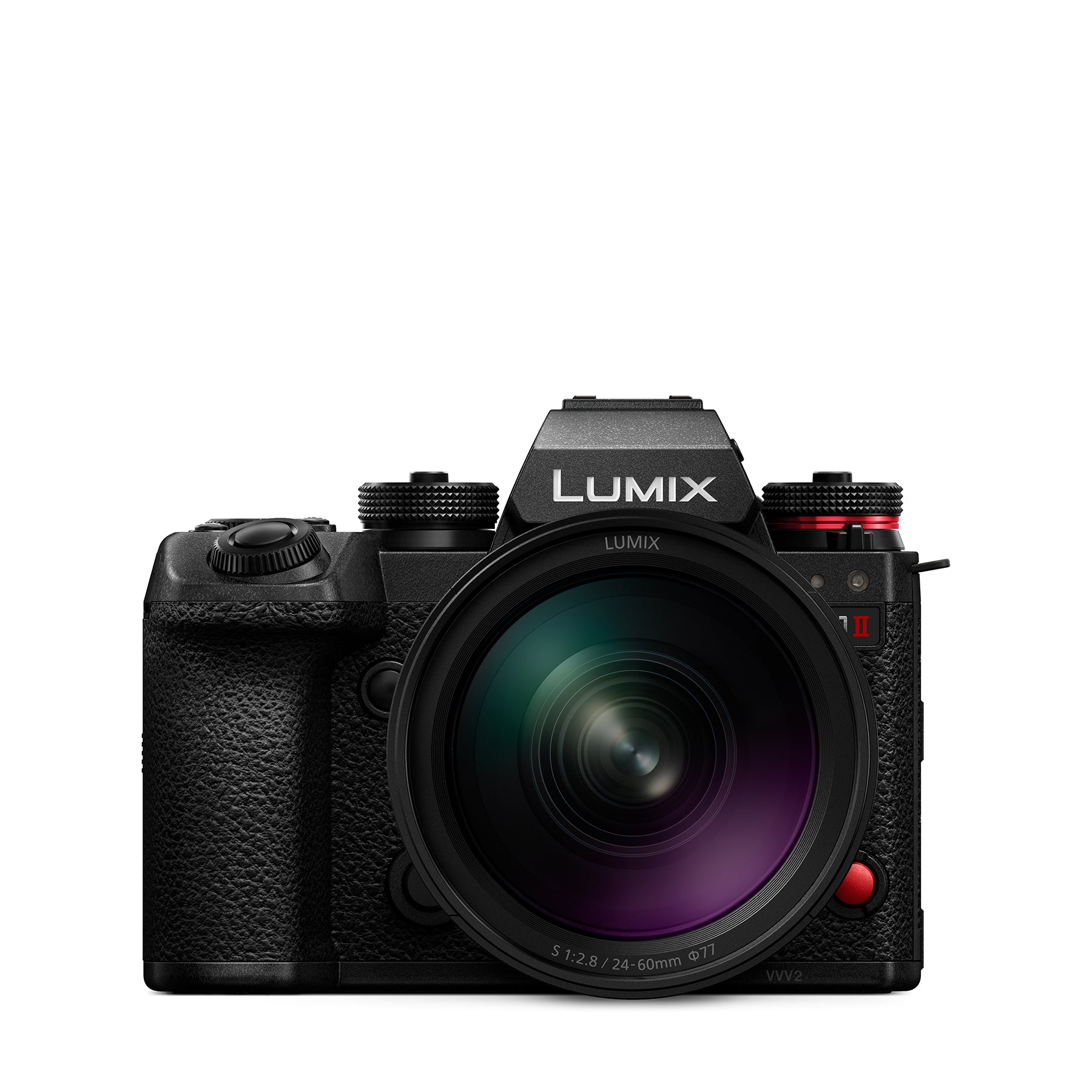
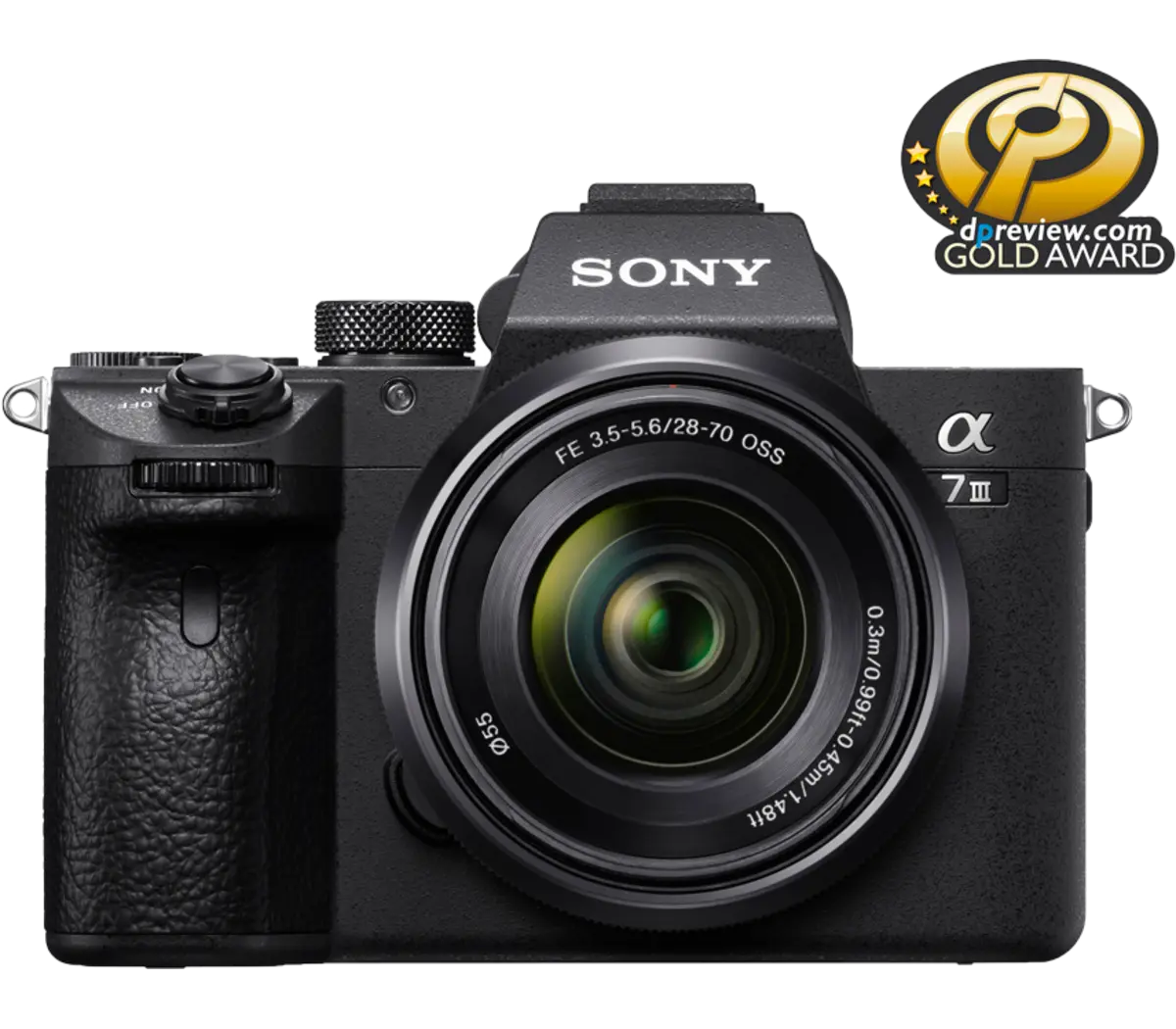
The Panasonic S1 II and Sony A7 III are two compelling entries in the full-frame mirrorless camera market, often compared by photographers and videographers looking for a versatile system. The Panasonic S1 II, released in 2023, features improved specifications over its predecessor and aims to attract professionals with its high video resolution and advanced stabilization. On the other hand, the Sony A7 III, launched in 2018, has built a strong reputation for its excellent autofocus capabilities and overall performance, appealing to various types of photographers, particularly those focused on dynamic shooting scenarios. The key differentiators between the two models include their video capabilities, stabilization systems, and overall handling in diverse shooting environments.
Specifications Comparison
Detailed Comparison
Image Quality
Both the Panasonic S1 II and the Sony A7 III utilize full-frame sensors, which deliver exceptional image quality. The S1 II boasts 24.1 megapixels, slightly edging out the A7 III, which has 24 megapixels. The image output is vibrant and detailed for both cameras, but the S1 II offers improved color science that many users find more pleasing in skin tones and complex lighting conditions. Low-light performance is another strong suit; however, the A7 III's extensive ISO range of 100-51200 allows it to shine in extreme low-light scenarios compared to the S1 II, which lacks specified ISO data in this context. Overall, while both cameras perform admirably, the S1 II's additional megapixels and better handling of dynamic tones provide a slight advantage in image quality for those prioritizing aesthetics and detail.
Autofocus System
The Sony A7 III features an advanced autofocus system with 693 phase-detection points, providing exceptional tracking capabilities and speed in various conditions. In contrast, the Panasonic S1 II, while being a competent camera, does not match the A7 III in terms of autofocus coverage and performance. However, it offers improvements over older Panasonic models and benefits from face and eye detection features. For those who rely heavily on autofocus performance, especially in fast-paced environments like sports or wildlife, the A7 III clearly has the upper hand. Thus, while both cameras can perform adequately, the superior autofocus system of the Sony A7 III makes it the winner in this category.
Video Capabilities
The Panasonic S1 II is designed with videographers in mind, offering stunning video resolution up to 5.1K at 60p, making it stand out dramatically from the Sony A7 III's maximum of 4K at 30p. Additionally, the S1 II features an impressive 8-stop 5-axis stabilization that effectively mitigates camera shake, providing smoother footage for handheld shooting. The A7 III, while solid in video performance, may struggle to compete with such high resolutions and stabilization, particularly for more demanding production environments. For creators focusing on high-end video quality and advanced features, the S1 II undoubtedly leads the way, catering to the evolving needs of modern filmmakers.
Build & Ergonomics
In terms of build quality, both cameras are weather-sealed, making them suitable for various shooting conditions. However, the Panasonic S1 II is slightly bulkier and heavier than the A7 III, which can offer a more compact and lighter option, especially important for travel photographers. The design of the S1 II offers reassuring heft which some users prefer for stability, whereas others may find the A7 III more comfortable for prolonged use due to its ergonomics. Both cameras provide professional-grade durability, but personal preference in handling and weight will determine which model suits individual taste more effectively.
Battery & Storage
The Sony A7 III has an impressive battery life of approximately 710 shots, allowing for extended shooting sessions without the need for frequent recharging or swapping batteries. This endurance is a significant advantage for photographers on long shoots or remote locations. On the other hand, while specific battery performance details for the S1 II are not mentioned, newer models often adopt efficiency improvements. However, the A7 III's established battery duration gives it the edge in practicality. Additionally, both cameras support dual card slots; however, the A7 III's compatibility with auxiliary storage formats makes it more flexible for high-volume shooting scenarios. Overall, for longer sessions, the A7 III stands out due to its battery reliability.
Value for Money
At a price point of around $2000, the Sony A7 III presents tremendous value given its established lineage, versatility, and comprehensive feature set. In contrast, the Panasonic S1 II, while offering superior video capabilities, is likely to command a higher price, given its 2023 release and advanced specifications. Buyers need to consider what they prioritize - if photography with a robust autofocus system is the goal, the A7 III delivers exceptional performance for less money. The S1 II, however, is a better investment for those prioritizing video functionality and stabilization in their creative endeavours. For budget-conscious buyers looking for overall capability, the A7 III offers greater value.
Lens Ecosystem
The lens ecosystem is another critical factor for potential buyers. The Sony A7 III benefits from a wide and mature selection of native E-mount lenses, encompassing a variety of options from ultra-wide-angle to telephoto, as well as many third-party lenses that further expand its versatility. The Panasonic S1 II, while part of the L-Mount Alliance, benefits from fewer native lenses in comparison, though it does allow access to Leica and Sigma lenses, which are notable for quality. However, the lack of a broad selection may limit options for users. For most photographers looking for adaptability and expansion with lenses, the A7 III's extensive ecosystem makes it the preferred choice.
Our Verdict
Overall, while the Panasonic S1 II excels in video capabilities and image quality, the Sony A7 III provides a more rounded performance with its superior autofocus system, excellent battery life, and extensive lens ecosystem. For photographers focused primarily on stills or those who capture dynamic subjects needing fast autofocus, the A7 III is the clear winner. Conversely, for videographers looking for high-resolution footage and advanced stabilization, the S1 II stands out as an exciting option. Ultimately, the choice will come down to user preference and specific photographic needs.
Panasonic S1 II
Sony A7 III
Also Compare
Frequently Asked Questions
Which camera is better for video recording?
The Panasonic S1 II is better for video recording due to its capability to shoot at 5.1K 60p with superior stabilization, making it ideal for filmmakers and videographers.
How do the two cameras compare in low-light performance?
The Sony A7 III has an extensive ISO range of 100-51200, which allows for excellent low-light performance, making it a favorite among photographers shooting in dark environments.
Which camera has a better autofocus system?
The Sony A7 III has a significantly better autofocus system with 693 points, allowing for precise and quick focus tracking, especially during action shots.
Are both cameras weather-sealed?
Yes, both the Panasonic S1 II and Sony A7 III are weather-sealed, allowing for durability in challenging shooting environments.
What lens options do I have with each camera?
The Sony A7 III has a more extensive selection of native E-mount lenses, while the Panasonic S1 II uses the L-Mount, which has fewer options but includes high-quality lenses from Leica and Sigma.
Is battery life comparable between the two cameras?
No, the Sony A7 III offers around 710 shots per charge, providing significantly better battery life compared to the Panasonic S1 II, which has limited data on performance.