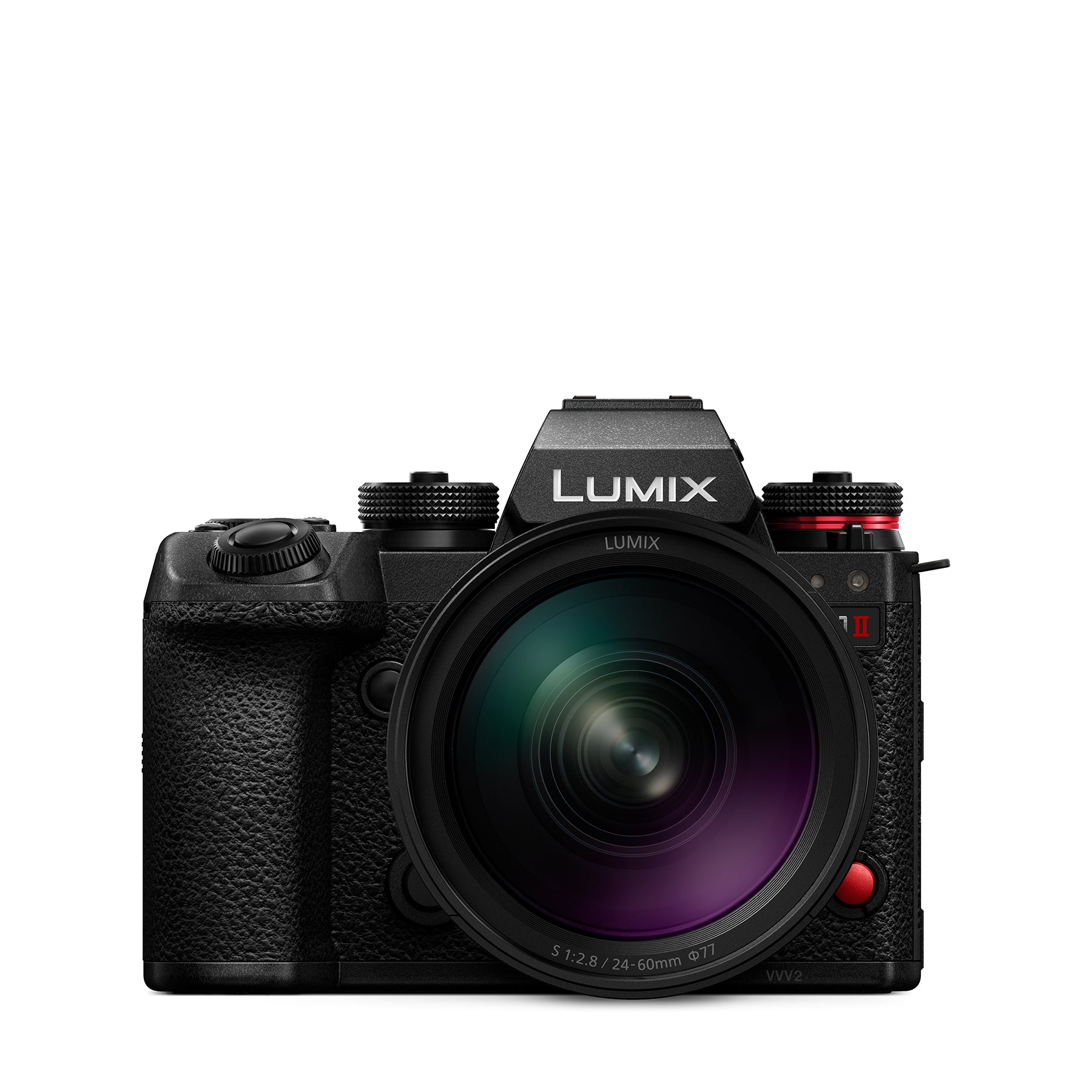
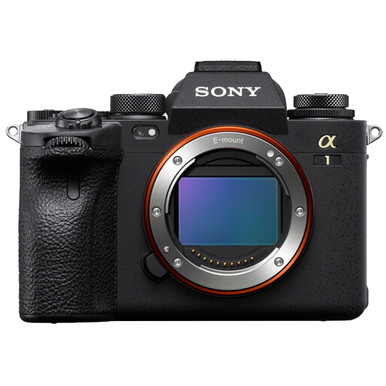
The Panasonic S1 II and the Sony A1 represent two of the most robust options in the full-frame camera market, appealing to professional photographers and videographers alike. With both models producing stunning image quality and offering a plethora of advanced features, they tend to be commonly compared by those aiming for high-end photography or videography capabilities. Consumers may find themselves choosing between these models based on their specific needs, such as video performance, autofocus capabilities, or ergonomic design. Key differentiators include sensor resolution, video recording capabilities, and stability systems, which can greatly influence the end user's experience depending on their shooting style.
As technology continues to evolve, the competition between brands like Panasonic and Sony becomes increasingly apparent. While the A1 boasts a high megapixel count and impressive autofocus performance, the S1 II emerges with superior video resolution and stabilization technology. This comparison will delve into various aspects of both cameras to help potential buyers determine which suits their needs best.
Specifications Comparison
Detailed Comparison
Image Quality
The Panasonic S1 II features a 24.1 megapixel sensor which excels in delivering balanced images with excellent dynamic range, particularly in low-light conditions. Its full-frame sensor is designed to capture detailed and vibrant colors, making it suitable for both still photography and videography. The slightly lower megapixel count can also have advantages; it provides efficient file sizes that ease post-processing and storage without compromising too much resolution.
On the other hand, the Sony A1 pushes boundaries with its 50 megapixel sensor, allowing for exceptionally detailed images that can stand up to heavy cropping in post-production. This higher resolution can be advantageous for subjects requiring fine detail-such as landscapes and studio work where print quality is essential. However, higher megapixels can also introduce noise at higher ISO levels, though the A1's impressive ISO range mitigates this to an extent.
In essence, while the S1 II is great for overall image quality, the A1's advantage in megapixel count offers benefits for photographers prioritizing resolution and detail. However, for many users, especially those shooting in diverse conditions, the dynamic range and handling of the S1 II may provide superior practical results.
Autofocus System
The Sony A1's autofocus system is one of its crowning features, boasting 759 autofocus points that cover nearly the entire sensor area. This is advantageous for fast-moving subjects, as it can track them with remarkable accuracy and speed. The A1 further benefits from advanced AI-driven subject classification, making it an excellent choice for sports and wildlife photographers.
Conversely, the Panasonic S1 II utilizes a contrast-detection system that, while still effective, typically doesn't offer the same level of speed and accuracy as the A1's phase-detection autofocus. That said, the S1 II has made improvements and includes features like AI subject recognition-though it still may not keep up with the A1 in fast-paced environments.
In the realm of autofocus, it's clear that the A1 has a significant advantage. Its extensive autofocus points and faster tracking capabilities make it the better option for high-speed photography, especially in demanding settings.
Video Capabilities
When it comes to video performance, the Panasonic S1 II stands out with its robust capability of recording in 5.1K at 60p, presenting an extraordinary option for videographers seeking high-resolution video quality. Its 8-stop stabilization also ensures smooth footage, a critical aspect for dynamic shooting scenarios, making it a strong choice for freelance videographers and filmmakers.
Meanwhile, although the Sony A1 can record 4K video at 120p, it has some limitations when compared to the S1 II. The A1's stabilization system, rated at 5.5 stops, offers good performance, but may not be as comprehensive as the S1 II's. For those who prioritize video work, the enhanced features of the S1 II can be quite appealing.
In the video department, the Panasonic S1 II ultimately takes the crown with its superior resolution and stabilization, making it a better investment for users aiming primarily to produce high-quality video content.
Build & Ergonomics
Both cameras are built to withstand professional use, but they each take slightly different approaches to ergonomics and durability. The Sony A1 has dimensions of 129 x 97 x 81 mm and a weight of 737 grams, making it a compact option for its feature set. It also offers weather sealing, ensuring it can withstand the elements in various shooting environments.
However, the Panasonic S1 II is designed with a slightly larger body and heavier build, which some users may find beneficial for stability-especially when combined with heavier lenses. Additionally, the S1 II's grip is often noted to be more comfortable for extended shooting sessions, potentially reducing hand fatigue.
While both cameras boast solid build quality and weather resistance, user preference for size and grip will play a significant role in the decision-making process. Hence, this aspect can be considered a tie, as each design offers unique advantages depending on the individual photographer's preferences.
Battery & Storage
The battery life of the Sony A1 is impressive, with a rating of up to 530 shots on a single charge. This longevity is crucial for event and wedding photographers who require reliability during long shooting sessions without needing to frequently swap batteries. On the other hand, the Panasonic S1 II does not have specific battery life ratings in this comparison, but generally has a reputation for decent performance that aligns well with professional needs.
When it comes to storage, the A1 features two card slots, accommodating high-speed CFexpress Type A and SD cards, providing more flexibility and speed for high-resolution files. The S1 II also includes dual card slots but prioritizes SD UHS-II compatibility, which may be a consideration for those already invested in SD card technology.
In terms of overall battery performance and storage options, the Sony A1 edges out thanks to its longer battery life and faster card slots, making it a more practical choice for extended photo shoots.
Value for Money
The Sony A1 is positioned at a high price point of $6500, which is justified by its extensive feature set, including the high-resolution sensor, advanced autofocus, and overall versatility for both photo and video, appealing to professional users who require the best performance. However, this price tag makes it a significant investment, and it may not be accessible for amateur photographers or those with budget constraints.
In contrast, the Panasonic S1 II is also a premium offering but, at a lower price, potentially provides better value for videographers who prioritize video capabilities. For those primarily focused on video, the S1 II may deliver more bang for the buck, considering its superior video specs and stabilization features.
Ultimately, for users whose work demands a high-resolution sensor and rapid autofocus, the A1 may be worth the steep investment. For those more focused on high-quality video and affordability, the S1 II is an appealing choice.
Lens Ecosystem
When evaluating the lens ecosystem, the Sony A1 benefits from a vast selection of lenses due to the established Sony E Mount system. This extensive array of options is advantageous for professionals who need specialized lenses for various shooting scenarios-ranging from ultra-wide angles to high-quality telephotos. Additionally, the mount supports numerous third-party options, expanding creative possibilities further.
Conversely, the Panasonic S1 II operates on the L-Mount, which is growing more popular, but still remains somewhat limited compared to the Sony ecosystem. This means that while there are excellent lenses available for the L-Mount, users may find fewer choices in terms of third-party options and specialty lenses, which might restrict versatility for certain photographers.
In this respect, the A1 has a clear advantage with its extensive lens ecosystem that can cater to diverse photographic needs, making it the better choice for users who may plan on growing their lens collection over time.
Our Verdict
In summary, both the Panasonic S1 II and the Sony A1 have their strengths that cater to different users. The S1 II excels in video capabilities, build quality, and price-to-value ratio, making it an excellent choice for videographers and those who shoot primarily video content. On the other hand, the A1 offers unparalleled autofocus performance and a higher megapixel count, making it ideal for professional photographers who need speed and detail. The decision comes down to whether you value high-resolution photography and advanced autofocus or supreme video performance and stabilization. For photographers needing a balance, both cameras offer substantial benefits, with their own unique niches in the market.
Panasonic S1 II
Sony A1
Also Compare
Frequently Asked Questions
Which camera has better video capabilities?
The Panasonic S1 II is superior for video capabilities, supporting recording in 5.1K at 60p, along with excellent stabilization.
How does the autofocus performance compare?
The Sony A1 outperforms the Panasonic S1 II with its 759 autofocus points, allowing for faster and more accurate tracking of subjects.
What are the differences in battery life?
The Sony A1 has a rated battery life of 530 shots, which is generally superior to the Panasonic S1 II's, making it more suitable for extended shooting.
Which camera is more suitable for wildlife photography?
The Sony A1 would be a better option for wildlife photography due to its superior autofocus system and faster burst shooting at 30 fps.
Are there significant differences in image quality?
While both cameras produce excellent image quality, the Sony A1 has a higher megapixel count, offering more detail, while the S1 II excels in dynamic range.