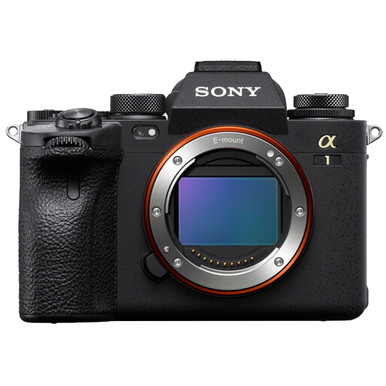

The Sony A1 and Sony A9 II are two powerful full-frame mirrorless cameras that cater to different segments of the photography market. The A1, launched in 2021, stands as Sony's flagship model equipped with cutting-edge technology and features suited for professional photographers who seek high-resolution images. In contrast, the A9 II, released in 2019, is designed primarily for sports and action photographers, offering high-speed performance and robust autofocus capabilities. Those deciding between these two cameras must consider their specific needs and the distinct advantages each brings to the table.
Specifications Comparison
Detailed Comparison
Image Quality
When it comes to image quality, the Sony A1 leads with its 50-megapixel sensor compared to the A9 II's 24-megapixel sensor. This higher resolution allows for more intricate details to be captured, making the A1 ideal for landscape and commercial photography where print size and detail are crucial. The A1 also has a wider ISO range, supporting up to 102400, which provides enhanced performance in low-light situations. While the A9 II performs well with its native ISO range reaching 204800, its lower megapixel count may not hold up as well for extremely large prints or detailed cropping situations.
However, the A9 II's image quality should not be underestimated, as it produces stunning images with effective color reproduction and an excellent noise profile, making it more than capable in most scenarios. It excels during fast-paced action shots, benefiting from its high-speed shooting rates and exceptional autofocus performance, ensuring that even at lower resolutions, important moments are captured sharply. Ultimately, the A1's higher resolution solidifies its win in terms of image quality.
Autofocus System
Both the Sony A1 and A9 II are equipped with impressive autofocus systems designed to tackle various shooting scenarios. The A1 features an advanced 759-point phase-detection AF system, while the A9 II boasts a slightly lower count of 693 points. Despite this, the A9 II leverages the innovative 'Fast Hybrid AF' system, which allows for lightning-fast focusing speeds particularly beneficial in sports and wildlife photography.
The A1 not only provides more autofocus points but also incorporates real-time Eye AF for both humans and animals, setting a new standard for accurate subject tracking. This capability allows for unparalleled sharpness on moving subjects, a feature photographers desperate for perfection would find invaluable. While both cameras offer exceptional tracking capabilities, the A1's additional autofocus points and advanced features give it a slight edge in this department.
Video Capabilities
In video performance, the Sony A1 excels far beyond the A9 II, supporting 4K video at up to 120 frames per second, which allows for slow-motion capture and a significant advantage for videographers. The enhanced video output includes support for 10-bit 4:2:2 internal recording, which provides greater color depth and flexibility for post-production. The A1 adds to this with its ability to record 8K video, making it an attractive choice for content creators who strive for high-definition results.
On the other hand, the A9 II, while capable of recording 4K video, is limited to 30 frames per second and lacks the high frame rate features that modern filmmaking often requires. This places the A1 firmly in the lead for creators aiming for cinematic quality video output. For those looking to utilize their camera for demanding video projects, the A1 is the clear winner.
Build & Ergonomics
Both the Sony A1 and A9 II boast robust build quality with weather-sealing, suitable for rigorous professional use. The A1 weighs slightly more at 737 grams compared to the A9 II's 678 grams, which may be a factor for photographers who prioritize portability. Both models share similar dimensions, with the A1 being marginally larger, although this difference is subtle.
In terms of ergonomics, both models offer a fully articulating touchscreen, although the variance in weight may affect user comfort over extended shooting periods. With similar 3-inch screens featuring 1,440,000 dots, both offer clear visibility in varying conditions. The build quality and design philosophy are reflective of their intended use, with both cameras proving reliable in field settings. Thus, this aspect results in a draw, as personal preference may dictate which model feels better in hand.
Battery & Storage
The Sony A9 II holds an edge in battery life, achieving approximately 690 shots on a single charge, surpassing the A1's 530 shots. This extended battery performance could be vital for professionals shooting events or in situations where changing batteries frequently is impractical. Both cameras utilize the same battery type, which provides the advantage of compatibility between both models when switching gears in the field.
When it comes to storage options, both cameras support CFexpress Type A cards, with the A1 offering dual card slots. This means users can configure one slot for backup and the other for overflow or segregated storage types, giving more flexibility for high-resolution file storage. In terms of battery life, the A9 II's superior performance clinches its win in this category.
Value for Money
With a retail price of $6500, the Sony A1 occupies a premium segment and is tailored for professionals who require top-tier performance across various fields-be it in high-resolution imagery or advanced video functionalities. The A9 II, priced at $4500, offers excellent value for photographers primarily focused on capturing fast action without the same level of demands for image resolution and video capabilities.
For buyers prioritizing speed and affordability, the A9 II stands out as a wise investment, particularly for sports and event photography. However, for those who demand versatility in both high-resolution still and high-end video capabilities, the A1 justifies its higher price tag with premium performance. Hence, when assessing overall value based on specific needs, performance, and intended use, this category tends to favor the A9 II for its cost-to-feature ratio.
Our Verdict
The Sony A1 emerges as the overall winner, excelling in image quality, autofocus, and video capabilities, making it the ideal choice for professional photographers and videographers looking for the best performance. Conversely, the A9 II remains a strong contender, particularly for those prioritizing fast-action photography while leveraging exceptional battery life and value. Ultimately, the decision hinges on specific use cases: for high-resolution needs and advanced videography, the A1 is unbeatable, while the A9 II excels in sports and action photography where speed and affordability are paramount.
Sony A1
Sony A9 II
Also Compare
Frequently Asked Questions
Which camera is better for sports photography?
The Sony A9 II is tailored for sports photography due to its high-speed continuous shooting and exceptional focus capabilities, making it ideal for capturing fast action.
Is the Sony A1 worth the extra cost?
If you require high-resolution images and advanced video features, the A1 justifies its higher price with superior performance across various shooting conditions.
How do the video capabilities differ between the two cameras?
The A1 offers 4K video at up to 120fps and 8K capabilities, whereas the A9 II supports 4K up to 30fps, making the A1 the better choice for video-centric work.
What is the battery life difference like?
The A9 II has a longer battery life, capable of approx. 690 shots compared to the A1's 530 shots, making it better suited for long shooting sessions without changing batteries.
Can both cameras shoot in low light effectively?
Both cameras perform well in low light, but the A1's expanded ISO range allows for better low-light performance, making it a better option for challenging lighting conditions.