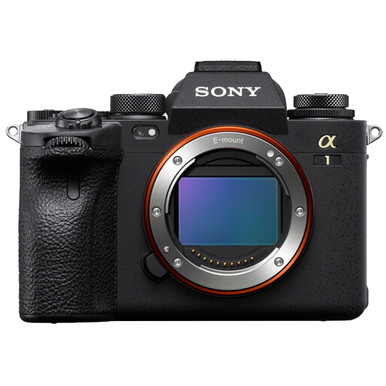
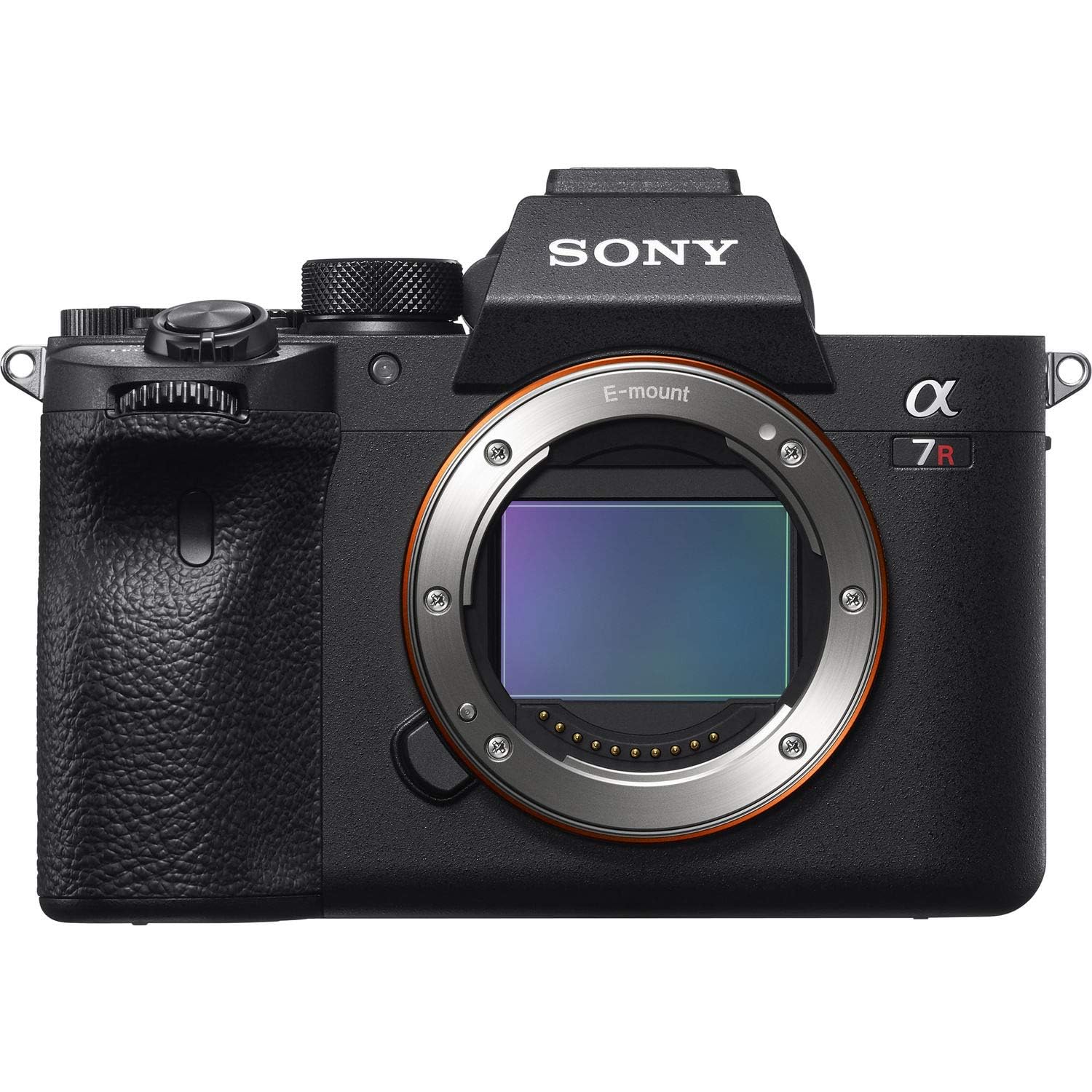
The Sony A1 and A7R IV are two flagship mirrorless cameras that cater to professionals and serious enthusiasts, often compared due to their high-resolution sensors and advanced features. They are ideal for photographers and videographers seeking top-tier performance in various scenarios, including portraiture, landscape, and wildlife photography. Buyers may be drawn to the A1's cutting-edge specifications, while the A7R IV is renowned for its exceptional image detail and value proposition. The key differentiators between these two cameras lie in their image quality, autofocus capabilities, video performance, and price points.
Specifications Comparison
Detailed Comparison
Image Quality
When it comes to image quality, both cameras utilize full-frame sensors, but they differ slightly in specifications. The A7R IV boasts a higher resolution at 61 megapixels compared to the A1's 50 megapixels, providing more detail and a larger cropping option for high-resolution prints. Both cameras perform well in low light, with usable ISO ranges expanding to 50-102400 for the A1 and 50-102800 for the A7R IV. This versatility allows both to capture high-quality images across various lighting conditions. However, the A1's sensor is optimized for faster processing, which can result in improved dynamic range and color fidelity in complex scenes.
While the higher megapixel count of the A7R IV allows for incredibly detailed images, some photographers may find the A1's image processing and speed advantageous for specific applications like sports or wildlife photography, where quick shots are essential. In terms of post-processing, both models produce high-resolution files that can withstand significant adjustments without losing fidelity. Considering both resolution and performance, the A1 edges out slightly due to its balanced attributes and processing capabilities.
Autofocus System
Both the Sony A1 and A7R IV feature sophisticated autofocus systems that excel in fast-paced environments. The A1 is equipped with 759 autofocus points compared to the A7R IV's 567 points, offering improved subject tracking and speed for moving subjects. This difference is particularly significant for sports and wildlife photographers who require instantaneous focus transitions. Moreover, the A1 supports a faster continuous shooting speed of 30 fps versus the A7R IV's 10 fps, making it a more versatile option for capturing fleeting moments during activities.
The A7R IV, despite having fewer autofocus points, still performs admirably in most situations and excels in face and eye detection, particularly for portraits. Its solid autofocus capabilities are complemented by an intuitive interface, making it user-friendly even for less experienced photographers. However, if tracking moving subjects is a priority, the A1's advanced system is superior, solidifying its position as the winner in this category.
Video Capabilities
In terms of video capabilities, the A1 takes a decisive lead with its ability to shoot 4K video at up to 120p, enabling high frame rate recording for slow-motion effects, while the A7R IV is limited to 4K at 30p. This higher frame rate provided by the A1 gives videographers greater flexibility and creative options when it comes to post-processing and delivering high-quality video content. Additionally, the A1 includes features like 16-bit RAW output over HDMI, which benefits filmmakers looking for maximum image quality and integration into professional workflows.
Both cameras offer great features such as S-Log and HLG for HDR work, but the A1's overall specifications cater better to high-end video production needs. Therefore, for those prioritizing video performance alongside photography, the A1 is clearly the superior choice.
Build & Ergonomics
Both models share a robust build quality, featuring weather-sealing that protects them against dust and moisture, making them suitable for challenging outdoor environments. The ergonomics are similar, with both cameras offering a comfortable grip and well-placed controls that enhance usability. The A1 is slightly heavier at 737g compared to the A7R IV's 665g, which may be a concern for photographers who plan to shoot for extended periods.
The dimensions are also marginally different, with the A1 being a tad bulkier, though both cameras maintain portability for full-frame models. The identical 3-inch, 1,440,000-dot screen on both allows for accurate composition and review. Ultimately, while both cameras are built to last and offer excellent ergonomic design, the A7R IV's lighter weight gives it a slight edge in terms of comfort for long shoots.
Battery & Storage
When evaluating battery life, the A7R IV outperforms the A1 with a rated capacity of approximately 670 shots compared to the 530 shots of the A1. This difference may prove significant for users who plan extensive shooting sessions without frequent access to a charging source. Both models utilize the same NP-FZ100 battery, which is a plus for those who may own lenses from both lines.
In terms of storage, both cameras support dual card slots, accommodating CFexpress and SD UHS-II cards in the A1, while the A7R IV uses dual SD UHS-II slots. The flexibility in storage formats provided by the A1 enhances its utility and speed, particularly for video recording and high-burst photography tasks. Overall, while the A7R IV has an advantage in battery longevity, the A1's storage capabilities lend it a competitive edge.
Value for Money
Price is a crucial aspect when comparing these two cameras, with the A1 priced at $6500 and the A7R IV at $3500. For many photographers, especially those who do not require the highest specifications offered by the A1, the A7R IV presents a more accessible price point without compromising on image quality and performance. It has proven to be a popular choice among landscape and studio photographers, where resolution is paramount and continuous shooting speed is less critical.
The A1, while expensive, bundles in advanced technology suitable for professional shooters who need both high-quality images and outstanding video capabilities. For buyers looking to invest significantly, the A1 justifies its higher cost through superior features, but for general use or enthusiasts looking for value, the A7R IV stands out as an excellent camera that balances cost with performance.
Our Verdict
The overall winner when considering the balance of features and specifications is the Sony A1, especially for those who prioritize high-speed performance, superior autofocus, and advanced video capabilities. However, the A7R IV remains a commendable choice for photographers seeking exceptional image quality at a more accessible price, making it an ideal option for enthusiasts and professionals focusing on still photography. Ultimately, the decision depends on individual needs: the A1 for those demanding the latest technological advancements, and the A7R IV for those valuing resolution and cost-effectiveness.
Sony A1
Sony A7R IV
Also Compare
Frequently Asked Questions
Which camera is better for wildlife photography?
The Sony A1 is better suited for wildlife photography due to its faster autofocus, higher frame rates, and advanced tracking capabilities.
Does the A7R IV perform well in low light?
Yes, the A7R IV performs well in low light with a good ISO range, but the A1, with its faster image processing, may provide slight advantages in certain conditions.
Is the A1 worth the extra cost?
If you require cutting-edge technology and faster capabilities for both photography and videography, the A1 justifies its higher price. However, for general use, the A7R IV offers excellent value.
Can both cameras shoot in RAW format?
Yes, both the A1 and A7R IV support RAW image capture, allowing for maximum flexibility in post-processing.
Which camera has better video capabilities?
The Sony A1 has superior video specifications, including higher frame rates and 16-bit RAW output, making it the better choice for serious videographers.