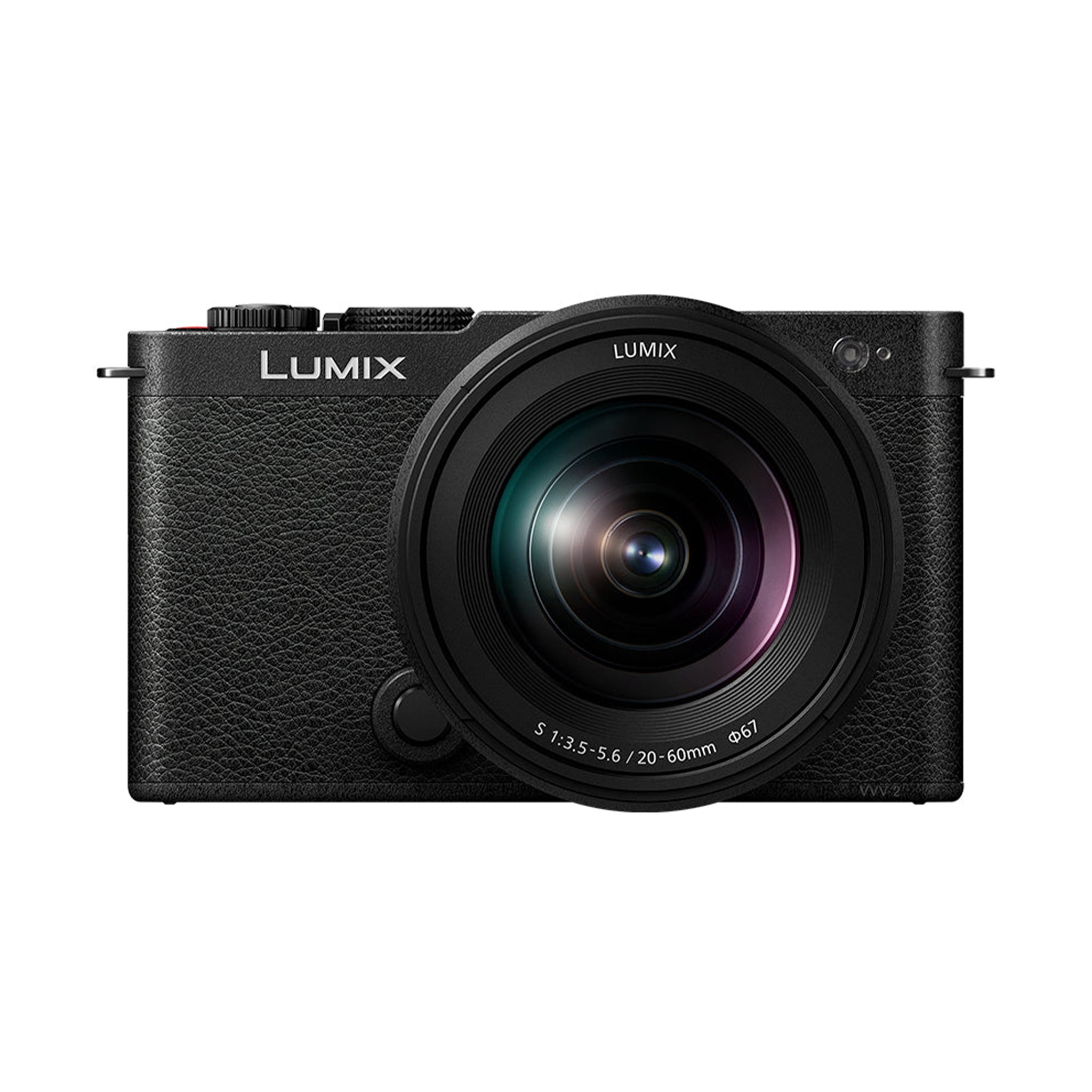
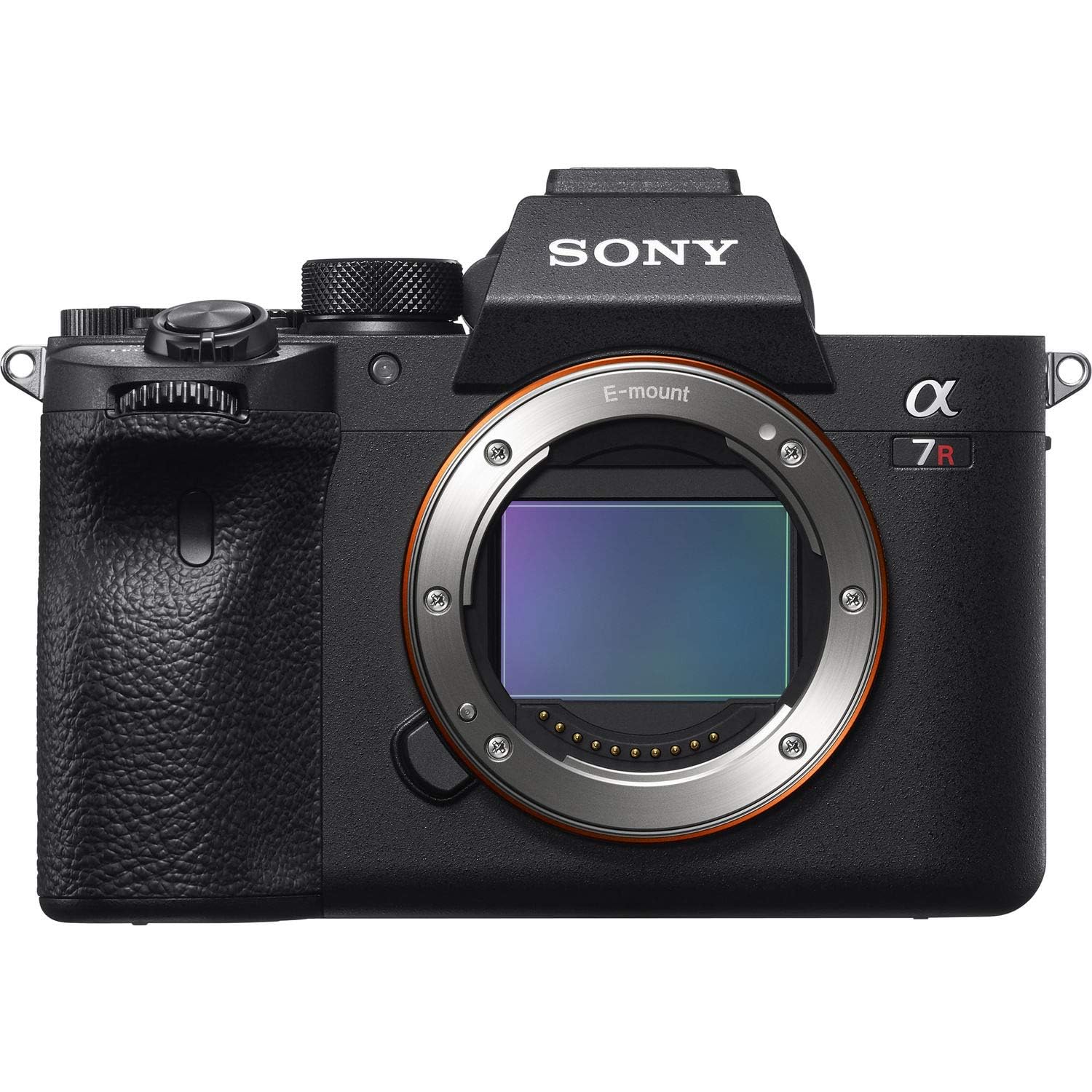
The Panasonic S9 and Sony A7R IV are two prominent entries in the full-frame mirrorless camera segment, appealing to photographers and videographers alike. Both cameras are highly regarded for their capabilities, yet they cater to slightly different user needs and preferences. The Panasonic S9 is a newer model, released in 2024, featuring a relatively moderate 24 megapixels sensor and impressive video specifications. Meanwhile, the Sony A7R IV, launching in 2019, boasts a significantly higher resolution of 61 megapixels, making it a standout choice for those needing extraordinary image detail and quality.
Specifications Comparison
Detailed Comparison
Image Quality
When evaluating image quality, the Sony A7R IV takes the lead with its impressive 61-megapixel sensor, providing outstanding detail and dynamic range. This camera excels in capturing intricate textures, making it ideal for landscape, portrait, and commercial photography. On the other hand, the Panasonic S9 features a more modest 24-megapixel sensor, which, while capable, does not achieve the same level of detail as its counterpart. However, the S9's sensor still delivers excellent color reproduction and good low-light performance due to its larger full-frame size. In practical terms, the difference in megapixels can become more pronounced in professional applications where large prints are created or when heavy cropping is required. The A7R IV allows photographers more flexibility in post-editing, whereas the S9 may suit enthusiasts and those who prioritize speed over resolution. Ultimately, while both cameras produce high-quality images, the A7R IV's higher megapixel count places it at an advantage for detail-oriented work, making it a preferred choice for many professionals.
Autofocus System
The autofocus capabilities of these cameras differ significantly, with the Sony A7R IV showcasing a sophisticated system featuring 567 autofocus points. This arrangement allows for precise and fast tracking of subjects, particularly in action photography, where accuracy is critical. Additionally, its autofocus performance in low-light conditions is commendable, further enhancing usability across varied environments. Conversely, the Panasonic S9 offers a competent autofocus system, but it does not match the extensive coverage of the A7R IV. Users may find that the S9's autofocus can struggle with fast-moving subjects, especially in challenging lighting. However, the S9's implementation of subject detection features might appeal to casual shooters who prioritize ease of use over advanced tracking capabilities. Thus, for photographers focusing on fast-moving subjects or needing a robust tracking system, the A7R IV will likely prove more reliable and effective.
Video Capabilities
Video enthusiasts will appreciate the Panasonic S9's robust video capabilities, including 5.9K resolution and various formats such as UHD and DCI 4K. This makes it a versatile tool for videographers looking to capture high-resolution footage. The inclusion of 5-axis image stabilization helps in achieving smooth video, reducing camera shake, which is particularly beneficial for handheld shooting. In contrast, the Sony A7R IV offers excellent 4K video quality but is limited to 30p recording, which could be seen as a drawback for those needing higher frame rates for smooth slow-motion footage. While both cameras deliver impressive video quality, the Panasonic S9 has the edge due to its superior resolution options and feature set tailored for video production. If video recording is a primary focus, the S9 is the standout choice for capturing detailed footage, while the A7R IV, beloved for its stills capabilities, may fall short for rigorous video demands.
Build & Ergonomics
The build quality of both cameras reflects their professional-grade status, with weather sealing present in the Sony A7R IV, which provides enhanced durability for outdoor shooting scenarios. This makes the A7R IV more reliable in challenging conditions such as rain or dust. Conversely, the Panasonic S9 is also well-constructed, but may not offer the same level of environmental protection, potentially limiting its appeal for adventure photographers. In terms of size and weight, the S9 is noticeably lighter, weighing in at 486 grams compared to the A7R IV at 665 grams. This difference could make a significant impact for photographers who prioritize portability, as the S9 is easier to carry for extended periods. However, the A7R IV's larger grip may provide a more comfortable handling experience, especially in prolonged shooting situations. Ultimately, the choice here may depend on the intended use: the A7R IV is better for rugged environments, while the S9 excels in portability.
Battery & Storage
When comparing battery life, the Sony A7R IV has a noteworthy advantage with a rating of approximately 670 shots per charge. This extended battery life allows for longer shooting sessions, making it more suitable for events or long days out in the field. In contrast, specific battery ratings for the Panasonic S9 are currently unavailable, but it is known to have a shorter operational time. Thus, users of the S9 may need to carry additional batteries for extended shoots. In terms of storage, both cameras utilize SD cards; however, the A7R IV supports UHS-II for faster read/write speeds, which can be particularly beneficial for high-resolution images and 4K video recording. The Panasonic S9's compatibility is likely to be limited to standard SD speeds, which could create bottlenecks in performance, especially during sequential shooting. As battery management and data handling are crucial for professional usage, the A7R IV stands out in these categories.
Value for Money
With a price point of $3,500, the Sony A7R IV represents a substantial investment, justified by its high-resolution sensor and robust feature set. For professionals needing superior image quality, extensive video options, and advanced autofocus, the cost may be warranted. The Panasonic S9, being a newer release with a projected price point yet to be disclosed, is expected to compete closely with the A7R IV. If it remains lower-cost while providing strong performance, it may offer exceptional value to enthusiasts and videographers alike. However, the initial price could influence perceived value. When considering long-term use, the A7R IV's established features and capabilities provide excellent long-term value for those who need high resolution and performance. Meanwhile, the S9 may appeal more to budget-conscious buyers who prioritize video over photography, given its advanced video capabilities for the anticipated price.
Our Verdict
In this comparison, the Sony A7R IV emerges as the overall winner due to its superior image quality, advanced autofocus system, and longer battery life, making it a robust choice for professionals requiring excellent performance across various shooting scenarios. While the Panasonic S9 excels in video capabilities and portability, it may not fully match the photographic prowess of the A7R IV. For videographers seeking high resolution and flexibility in shooting formats, the S9 offers compelling features. Ultimately, both cameras cater to their niches well, and the decision should align with the buyer's specific needs.