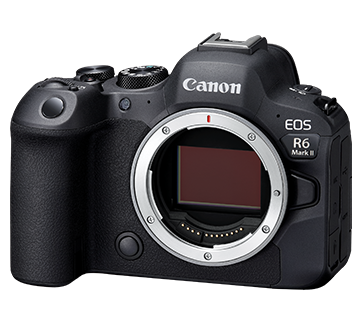
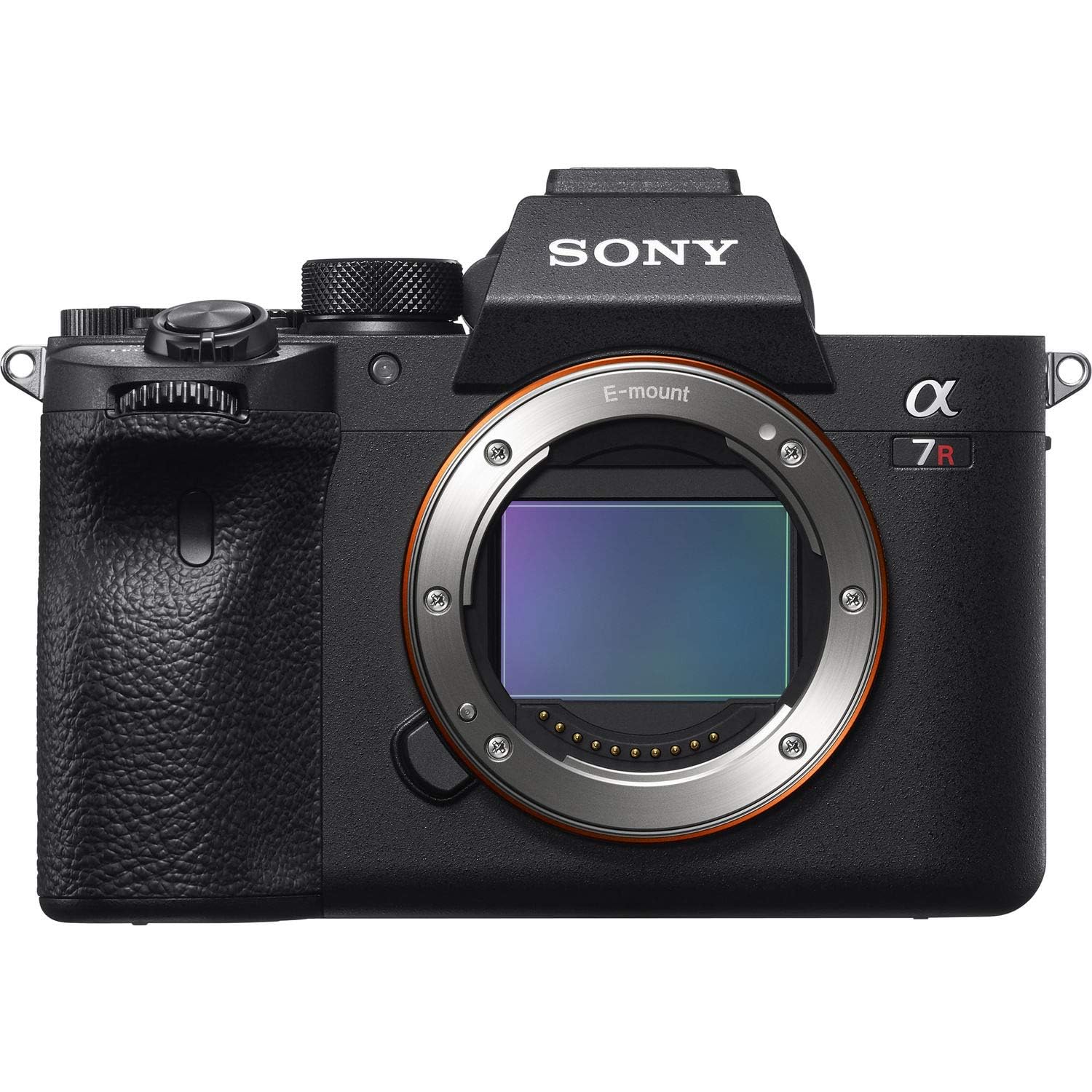
The Canon EOS R6 Mark II and the Sony A7R IV are two prime examples of high-performance full-frame mirrorless cameras, often chosen by professional photographers and serious enthusiasts alike. The EOS R6 Mark II, released in 2022, builds upon its predecessor's strengths, particularly in low-light performance and autofocus capabilities. In contrast, the Sony A7R IV, launched in 2019, has carved a niche with its impressive resolution and detailed image capture, making it particularly appealing for landscape and studio photographers. This comparison is essential for those weighing the benefits of high resolution against rapid performance and low-light capabilities, often deciding factors during a purchase.
Key differentiators include sensor resolution, autofocus functionality, video specifications, and battery life, which could strongly influence the choice depending on intended usage-be it family events, wildlife photography, or professional video production. This analysis will delve into these aspects and help determine which camera might suit specific needs better.
Specifications Comparison
Detailed Comparison
Image Quality
Image quality is an essential consideration when choosing between the Canon EOS R6 Mark II and the Sony A7R IV. The A7R IV boasts a staggering 61 megapixels, allowing for incredibly detailed images and the ability to crop aggressively without losing discernible detail. This makes it a strong contender for studio photography, landscape, and any situation where resolution is paramount. On the other hand, the R6 Mark II, with its 24 megapixels, might not have the same level of detail, but it excels in low-light scenarios due to its improved sensor design and expanded ISO range up to 204800. This feature provides greater flexibility in varied lighting conditions, often leading to cleaner shots at higher ISO settings. Both cameras deliver excellent dynamic range, though the R6 Mark II's strengths in low-light conditions can be significant for certain genres such as event photography.
Furthermore, Canon's color science can be preferred by some photographers for its warmth and color rendition, while Sony images might be perceived as cooler but also very accurate. Overall, while the A7R IV has the edge on raw resolution, the EOS R6 Mark II offers image quality advantages in more diverse environments, making the scenario of use a critical consideration.
In terms of post-processing adaptability, the high-resolution files from the A7R IV allow for more flexibility when it comes to cropping or large format prints. Therefore, while both cameras produce excellent image quality, their strengths cater to slightly different needs.
Autofocus System
The autofocus system is a crucial factor in fast-paced photography, and here the Canon EOS R6 Mark II comes out ahead. With an astounding 4897 autofocus points, it allows for precise focus tracking on subjects, making it particularly effective for action, wildlife, and sports photography. Its Real-Time Eye Autofocus technology performs exceptionally well, handling moving subjects with impressive accuracy. Additionally, the R6 Mark II's dual pixel autofocus system operates seamlessly in both video and still photography scenarios, boosting its versatility in dynamic environments.
Conversely, the Sony A7R IV features 567 AF points and also incorporates Real-Time Eye AF, which has proven to be reliable, but it doesn't quite match the coverage and responsiveness of the R6 Mark II. It's more than capable for general use, especially for portrait and static subjects, but may struggle slightly with fast, erratic movement. Though fast enough for most scenarios, the autofocus might not be as versatile as Canon's offering, particularly under challenging lighting conditions or when tracking unpredictable subjects.
In summary, the autofocus performance in the Canon EOS R6 Mark II makes it a robust choice for fast-action scenarios when compared to the A7R IV, which, while still proficient, may not serve well in everything from sports to critical wildlife capture.
Video Capabilities
When it comes to video capabilities, the Canon EOS R6 Mark II decidedly leads with its 4K video resolution at 60p, allowing for higher frame rates that are valuable for smoother and more dynamic footage. It also supports Canon Log for greater flexibility in post-production and HDR video capture, making it suitable for serious videographers looking to enhance their footage quality. In terms of in-body image stabilization, the R6 Mark II provides a remarkable 8 stops, which compensates effectively for hand shake and is vital for handheld shooting in various settings.
On the contrary, the Sony A7R IV offers 4K video recording but limits it to 30p. While it still produces stunning video quality, the reduced frame rate might be a constraint for those focusing more on motion or action scenes. Its stabilization system, although effective at 5.5 stops, does not stand against the superior performance of Canon in this realm. For users intending to utilize video heavily, especially in more dynamic scenarios like weddings or action sports, the differences are pronounced.
Given the increasing trend toward hybrid photography/videography, the R6 Mark II's additional features and superior stabilization clearly makes it more appealing for creators focused on video alongside their photographic pursuits.
Build & Ergonomics
Both cameras feature robust build quality with weather sealing, catering to professional users who might find themselves in various field conditions. The Canon EOS R6 Mark II weighs slightly more at 670 g compared to the A7R IV's 665 g, but the difference is negligible and unlikely to affect usage significantly. In terms of dimensions, the R6 Mark II is slightly bulkier, yet both cameras fit comfortably in hand, with well-placed controls enhancing ergonomics during extended shooting sessions.
The EOS R6 Mark II benefits from a vari-angle LCD screen, which can be advantageous for vloggers and those composing shots from awkward angles. This feature is not found in the A7R IV, which only has a tilt LCD. Users who work in varied shooting positions may appreciate Canon's flexibility. However, Sony's build still reflects a premium feel and offers a great grip, making it comfortable to hold throughout long days.
For videographers, the fully articulating screen of the R6 Mark II is a significant advantage, while for photographers focusing solely on stills, the ergonomic differences may not present a considerable discrepancy. Both cameras are built for professional use, but the details in ergonomics may sway preferences depending on the specific types of shoots a user plans.
Battery & Storage
Battery life is a significant consideration, especially for long shooting sessions. The Canon EOS R6 Mark II offers an impressive battery life of approximately 580 shots, which can support a day of extensive shooting, while the Sony A7R IV provides slightly better longevity with around 670 shots per charge. Both models use the LP-E6NH battery, compatible across several of their respective systems, making replacements readily available if more power is needed on set.
Both cameras support dual card slots for storage, enhancing their flexibility in managing large files, especially critical in high-resolution workflows. The A7R IV allows for using different card types, while the R6 Mark II's slots enable simultaneous recording for redundancy, thus enhancing security during crucial shoots. For users reliant on high burst rate image capture or heavy video usage, having reliable storage and backup methods is paramount.
In summary, while the A7R IV does offer better shot count per charge, both cameras are efficient with power and storage use, making considerations of specific workflows and additional battery needs essential when making a decision.
Value for Money
In assessing value for money, the Canon EOS R6 Mark II presents itself as a triumphant model particularly when considering its newer technology stack, versatile performance, and cutting-edge improvements. Priced around $2,499, the R6 Mark II delivers great features tailored for hybrid shooters and enhanced low-light performance, appealing to a broad spectrum of photographers and content creators.
The Sony A7R IV, with a price tag of approximately $3,500, reflects its high-resolution sensor capabilities and strong image quality, but it might be overkill for those who do not require such resolution. While it excels in specific areas, the higher price point makes it a more calculated investment, especially for those who need megabytes of detail instead of operation speed and low-light capability.
Considering that photographers often operate under budget constraints, the R6 Mark II provides more attributes that cater to various photography genres, thus serving as a better overall investment for most users. This ensures that they receive more utility per dollar spent, making the Canon a compelling option for many.
Our Verdict
Overall, the Canon EOS R6 Mark II emerges as the winner against the Sony A7R IV, excelling in areas that matter most for a hybrid shooter, such as autofocus performance, video capabilities, ergonomics, and value for money. It caters effectively not just to photographers but also to videographers, making it an excellent versatile choice. Meanwhile, the Sony A7R IV remains a specialized, high-resolution camera ideal for detail-oriented work like studio and landscape photography. Those who heavily depend on resolution and are not focused on speed may still find much to love in the A7R IV. Thus, the decision comes down to specific shooting style and preferences-but for most users seeking performance, the R6 Mark II is the more adaptable option.
Canon EOS R6 Mark II
Sony A7R IV
Also Compare
Frequently Asked Questions
Which camera is better for low-light performance?
The Canon EOS R6 Mark II is better for low-light performance, thanks to its expanded ISO range of 100-204800 and features optimized for low-light shooting.
How do I choose between high resolution and speed?
If you prioritize resolution, the Sony A7R IV with its 61 megapixels is ideal. For speed and low-light performance, the Canon R6 Mark II is your best bet.
Is the A7R IV good for video?
While the Sony A7R IV can record 4K video, it is limited to 30p and lacks advanced video features compared to the Canon R6 Mark II, making the latter a better choice for video enthusiasts.
Which camera has better autofocus?
The Canon EOS R6 Mark II has superior autofocus capabilities, featuring 4897 focus points and faster tracking, making it more suitable for action and wildlife photography.
Are both cameras weather-sealed?
Yes, both the Canon EOS R6 Mark II and the Sony A7R IV are weather-sealed, allowing for shooting in challenging environments.