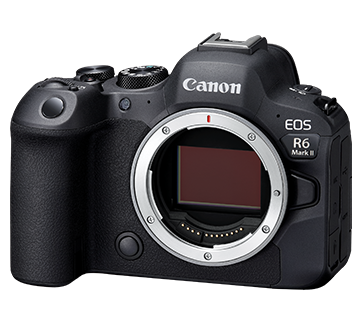

The Canon EOS R6 Mark II and Sony A7S III are two full-frame mirrorless cameras that cater to professional photographers and videographers alike. As they are highly sought after in the market, many buyers find themselves choosing between these two powerful systems. The R6 Mark II is often favored by hybrid shooters looking for a balance between stills and video capabilities, while the A7S III is renowned for its exceptional video performance and low-light capabilities, making it the go-to for filmmakers. This comparison will delve into their specifications and functionality to help prospective buyers determine which might be more suitable for their needs.
Specifications Comparison
Detailed Comparison
Image Quality
When it comes to image quality, the Canon EOS R6 Mark II features a 24-megapixel full-frame sensor, which provides a balance between resolution and low-light performance. The slightly higher pixel density over theSony A7S III's 12-megapixel sensor allows the R6 Mark II to capture more detail, making it a superior option for those prioritizing high-resolution stills and versatility in varied lighting conditions.
On the other hand, while the A7S III has a lower resolution, its 12-megapixel sensor is engineered for outstanding performance in low-light situations and dynamic range, offering superb noise control at high ISO levels. It has an impressive native ISO range that expands up to 409600, which is beneficial for videographers and photographers working in less than ideal lighting scenarios.
In real-world scenarios, while the Canon R6 Mark II will deliver more detailed images for large prints or cropping, the A7S III's lower resolution will greatly benefit low-light video applications. Photographers who often shoot in studio settings might lean towards the Canon, while those focused primarily on video production in varied lighting might prefer the Sony.
Autofocus System
Both cameras showcase advanced autofocus systems, albeit with different specifications and performance nuances. The Canon EOS R6 Mark II boasts a staggering 4897 autofocus points, utilizing Dual Pixel AF technology to achieve fast and accurate focusing, especially in dynamic scenarios. This makes it particularly suitable for tracking moving subjects, making it an excellent choice for sports and wildlife photography.
In contrast, the Sony A7S III features 759 autofocus points. Although fewer in number compared to the R6 Mark II, the A7S III's autofocus performance is widely recognized for its reliability and speed, particularly in video capture. The Real-Time Eye AF for humans and animals allows for precise focus on subjects, which is vital for filmmakers.
Both systems exhibit strengths in different areas; Canon excels in image tracking for stills, while Sony's autofocus shines in video, making it easier to maintain focus on moving subjects during shoots. The configurations and effectiveness of these autofocus systems thus cater to slightly different user needs and shooting styles.
Video Capabilities
The video performance is a significant differentiator between these two cameras. The Canon EOS R6 Mark II can shoot 4K video at up to 60p, which is an impressive offering suitable for most video applications but falls short of the A7S III's capabilities. In comparison, the Sony A7S III takes the lead with its ability to shoot 4K video at up to 120p, allowing for high frame rate slow-motion footage that is highly sought after by videographers.
Moreover, the A7S III supports 10-bit 4:2:2 video recording internally, providing superior color depth and flexibility in post-production. This is coupled with its advanced overheating controls, which allow for longer recording times without thermal interruption. The R6 Mark II, while offering great video quality, has faced some criticism for overheating in extended usage, particularly at higher frame rates.
For filmmakers, the A7S III is often seen as the superior choice due to its video-centric features, high frame rate capabilities, and extended color depth. Photographers who also shoot video may still find value in the R6 Mark II, yet those whose primary focus is video would be better served by the A7S III.
Build & Ergonomics
Both the Canon EOS R6 Mark II and Sony A7S III are well-built with similar weather-sealed designs, making them suitable for outdoor shooting in various conditions. The R6 Mark II weighs 670g and is slightly bulkier compared to the A7S III, which weighs 699g. This lightweight design of the A7S III, along with its compact dimensions, can make it easier to handle during extended shooting sessions.
In terms of layout and ergonomics, many users find the Canon's grip to be more comfortable, providing a more secure hold, particularly when using larger lenses. The R6 Mark II also features a fully articulated touchscreen, which is a benefit for vloggers and those needing flexible shooting angles. On the other hand, the A7S III has a tilting touchscreen which is less versatile but still functional for traditional photography and video shooting.
Both cameras are equipped with electronic viewfinders with high resolution. While both deliver excellent brightness and clarity, Canon's EVF is slightly higher in resolution. Ultimately, the choice might boil down to personal preference in handling and specific ergonomic requirements for the user, as both cameras do a commendable job in this department.
Battery & Storage
Battery life is an essential consideration for any photographer or videographer, and both the R6 Mark II and A7S III perform relatively well in this category. The R6 Mark II offers a rated battery life of approximately 580 shots, which is reasonable but might require users to invest in extra batteries for longer shoots. Conversely, the A7S III has a marginally longer rated battery life of around 600 shots.
In terms of storage options, both cameras support dual card slots, allowing for flexible storage configurations. The R6 Mark II utilizes SD UHS-II cards which are fast, but the A7S III takes it a step further with its ability to support CFexpress Type A cards, which enable higher data transfer rates essential for the intensive video recording formats the A7S III supports.
This makes the A7S III a stronger contender for professional videographers who require swift write speeds during high-resolution video capture, while the R6 Mark II's SD card support may be more accessible for casual users. The difference in storage capability could influence potential buyers based on their specific use cases and required speeds.
Value for Money
Pricing is a significant consideration when comparing these two models. The Canon EOS R6 Mark II is positioned as a more budget-friendly option considering the features it offers at a retail price aligned with current market expectations for a hybrid camera. With a selling price significantly lower than the Sony A7S III, the R6 Mark II provides substantial features for stills and video, appealing particularly to those looking for versatile performance without breaking the bank.
The A7S III, priced at around $3499, caters more towards professionals who are primarily focused on video production. Its high-end video capabilities, superior autofocus performance in video mode, and build quality justify the higher price point for serious videographers who require the best in their workflows.
However, for users who predominantly shoot still images or need a camera for hybrid use, the R6 Mark II presents a more attractive option in terms of value for comprehensive photographic and versatile video performance. Hence, the price-to-performance ratio favors Canon, especially for those on a tighter budget.
Lens Ecosystem
When it comes to lens ecosystems, both Canon and Sony have robust selections available for their respective camera mounts. The Canon RF system boasts a growing range of high-performance lenses specifically designed for the RF mount, ensuring high optical quality that complements the capabilities of the R6 Mark II. From wide-angle to telephoto options, the RF lineup covers a comprehensive range, appealing to a variety of photographers and videographers.
Similarly, Sony's E-mount system offers an extensive selection of native lenses, including some of the best optics available in the market. This makes the A7S III an appealing choice for those looking to leverage top-tier glass with advanced performance, particularly in video work where lens quality is paramount.
Ultimately, both brands provide excellent lenses that can satisfy most shooting needs. However, for users already invested in one system, the choice might come down to the current lens lineup or personal preferences regarding specific types of lenses.
Our Verdict
Overall, while both the Canon EOS R6 Mark II and Sony A7S III have unique strengths that cater to different audiences, the R6 Mark II stands out as the more versatile option for both stills and video. Its balance between image quality, autofocus performance, and value makes it the preferable choice for a broader range of users, especially those focused on hybrid shooting. The A7S III, while superb for video, may not justify the price tag for users less concerned with high-end videography. For photographers and creators who need a reliable all-rounder, the Canon is the winning choice, while those needing specialized video features may still consider the benefits offered by the Sony.
Canon EOS R6 Mark II
Sony A7S III
Also Compare
Frequently Asked Questions
Which camera is better for low-light photography?
The Sony A7S III is generally considered superior for low-light photography due to its lower megapixel count and wider ISO range, which allows it to perform exceptionally well in dim conditions.
Is the Canon EOS R6 Mark II a good choice for videographers?
Yes, the Canon EOS R6 Mark II offers solid video capabilities and is suitable for videographers, especially those who also shoot stills. However, if video features like high frame rates are critical, the A7S III may be the better choice.
What advantages does the Canon EOS R6 Mark II have over the Sony A7S III?
The Canon R6 Mark II has a higher megapixel count for still photography, better battery life, and an ergonomic design that many users find comfortable. It is also more affordable, providing better value for hybrid shooters.
Are the lens collections for both cameras sufficient?
Yes, both Canon RF and Sony E lens ecosystems are extensive and continue to grow. Users will find high-quality lenses suitable for various photography styles and applications for both systems.
Do both cameras have weather-sealing?
Yes, both the Canon EOS R6 Mark II and Sony A7S III come with weather-sealed bodies, making them suitable for outdoor shooting in various weather conditions.