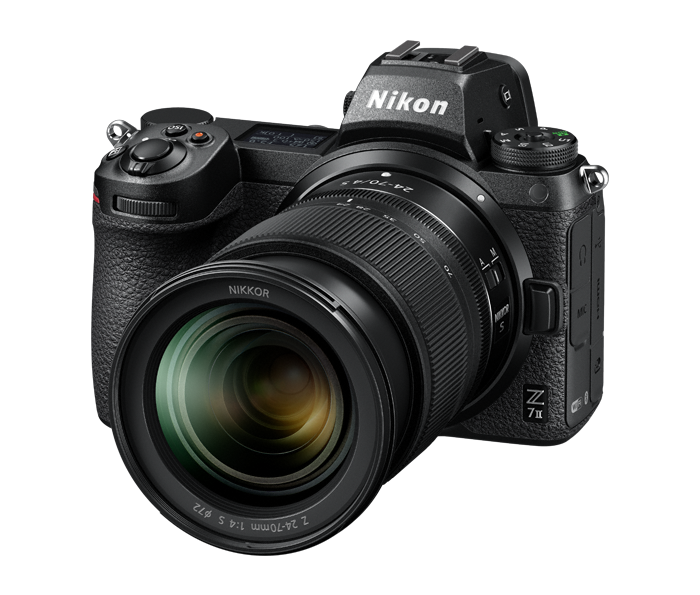

The Nikon Z7 II and Sony A7S III are two outstanding full-frame mirrorless cameras that often come up in discussions among photographers and videographers who seek high-quality performance in a compact form factor. These cameras cater to different needs, as the Nikon Z7 II excels in resolution and still photography, while the Sony A7S III is designed with video capabilities in mind. Buyers might be torn between these two options, particularly if they are looking for versatility and future-proofing in their equipment. Key differentiators include their respective image quality, autofocus systems, video capabilities, and overall usability for different types of content creation.
Specifications Comparison
Detailed Comparison
Image Quality
The Nikon Z7 II features a 46-megapixel sensor, delivering exceptional image quality with considerable detail, making it ideal for landscape, product photography, and other scenarios where high resolution is paramount. In contrast, the Sony A7S III is equipped with a 12-megapixel sensor focusing on low-light performance rather than sheer detail. This lower resolution is offset by the A7S III's excellent ability to produce clean high-ISO images, making it a great choice for low-light environments. Therefore, while the Z7 II is preferred for its superior resolution, the A7S III shines in challenging lighting conditions. Based on the sensors' functionality and targeted use cases, each camera has its own strengths in image quality.
Autofocus System
The autofocus system in the Sony A7S III stands out due to its 759 phase-detection points, offering quicker and more precise focusing, especially in dynamic shooting conditions. This system is complemented by advanced real-time tracking and Eye AF functionalities that work exceptionally well in both photo and video modes. On the other hand, the Nikon Z7 II has 493 autofocus points that, while solid, may not perform with the same speed and accuracy as the A7S III. Users typically report that the A7S III's autofocus excels in fast-paced environments, while the Z7 II is competent for general use. Those who prioritize fast and reliable focus in rapidly changing scenes might prefer the Sony model.
Video Capabilities
Video performance is where the Sony A7S III truly excels; it can record 4K at up to 120 frames per second, offering exceptional slow-motion capabilities and high-fidelity video output. In contrast, the Nikon Z7 II, while capable of recording 4K video at 60p, does not reach the same frame rates, which may be a deciding factor for videographers looking for high-frame rate recordings. Additionally, the A7S III features 10-bit 4:2:2 internal recording, providing more flexibility in post-production, whereas the Z7 II offers 4:2:0. This makes the A7S III particularly advantageous for those focused on video production, further establishing its superiority in this aspect.
Build & Ergonomics
Both cameras are constructed robustly and feature weather sealing, ensuring they can withstand various environmental conditions. The Nikon Z7 II weighs slightly more at 705g compared to the 699g of the Sony A7S III, and their dimensions differ slightly, yet both cameras maintain a compact and portable design. The Z7 II has a slightly larger screen with higher resolution, which can enhance usability for photography and menu navigation. However, the A7S III features a fully articulating touchscreen that many vloggers and content creators will find incredibly useful for versatile shooting angles. Ultimately, both models offer excellent build quality, but personal preference for ergonomics may influence choice.
Battery & Storage
When evaluating battery life, the Sony A7S III offers around 600 shots per charge, which outpaces the Nikon Z7 II's 420 shots. This extended battery life can be advantageous for long shoots without access to charging. Additionally, both cameras support dual card slots, which allow for flexible storage options. However, the A7S III's capacity for CFexpress Type A cards can lead to faster write speeds, especially beneficial during high-bitrate video recording. For those who require extended shooting periods without interruptions, the A7S III is the clear winner in this category.
Value for Money
The Nikon Z7 II is priced at $2,999, while the Sony A7S III is slightly more expensive at $3,499. This pricing reflects their targeted audiences-Z7 II users may be seeking high-resolution still photography at a more accessible price point, while A7S III users prioritize advanced video functionality. When focusing on value in relation to specific use cases, the choice depends on the needs of the user. For photographers looking for a balance of price and resolution, the Z7 II is well-suited. However, for filmmakers who prioritize video quality and performance, the investment in the A7S III may be justified.
Our Verdict
In conclusion, both the Nikon Z7 II and Sony A7S III excel in their respective domains. The Z7 II shines for photographers needing high resolution and who are primarily focused on stills, while the A7S III is undoubtedly the leading choice for videographers requiring superior video capabilities. Each camera stands out in different aspects, making it difficult to declare an outright winner. Buyers should consider their specific needs-if still photography is prioritized, the Z7 II is the ideal choice; for those lean towards video production, the A7S III offers unmatched functionality.
Nikon Z7 II
Sony A7S III
Also Compare
Frequently Asked Questions
Which camera is better for low-light photography?
The Sony A7S III is better for low-light photography due to its lower megapixel count and exceptional high ISO performance, allowing for cleaner images in challenging lighting conditions.
Is the video quality better on the Nikon Z7 II or Sony A7S III?
The Sony A7S III offers superior video quality with 4K recording at 120fps and more internal recording options compared to the Nikon Z7 II's 4K 60p capabilities.
How do the autofocus systems compare?
The Sony A7S III has a more advanced autofocus system with 759 points, making it faster and more reliable in dynamic situations than the Nikon Z7 II's 493 points.
Which camera is better for travel?
Both cameras are relatively compact and feature weather sealing, but the Sony A7S III's longer battery life makes it more suitable for extended travel without the need for immediate recharging.
How important is the difference in megapixels?
The difference in megapixels is significant; the 46MP Z7 II is ideal for detailed prints and cropping, while the 12MP A7S III focuses on low-light and high-speed applications. Your choice should depend on whether you prioritize detail or performance in challenging conditions.