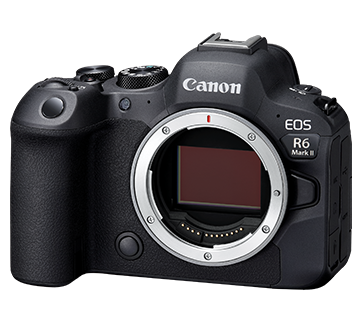
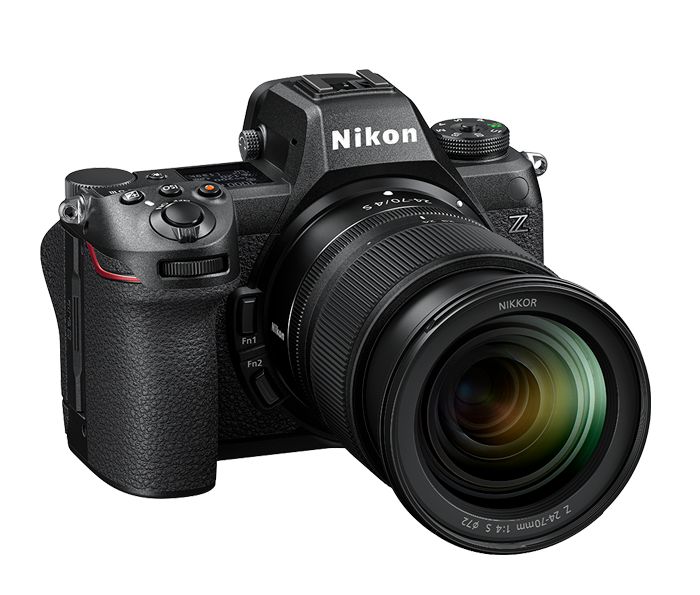
The Canon EOS R6 Mark II and Nikon Z6III are two formidable contenders in the full-frame mirrorless camera market, catering to photographers and videographers looking for high-performance tools. Both brands have established their reputations, making these models frequently compared by those deciding between Canon and Nikon's systems. The Canon EOS R6 Mark II, with its slightly lower megapixel count and superior burst shooting speed, is geared towards action and wildlife photographers, while the Nikon Z6III, with a newer release date and additional megapixels, appeals to those focusing on detail and portrait work.
Specifications Comparison
Detailed Comparison
Image Quality
Both cameras deliver exceptional image quality, each with its strengths. The Canon EOS R6 Mark II features a 24-megapixel sensor, which provides an outstanding balance between detail and low-light performance, particularly beneficial for action shots given its wide ISO range of 100-102,400, expandable to 204,800. This enables cleaner images at higher sensitivities.
In contrast, the Nikon Z6III boasts a slightly higher 25-megapixel sensor, which can offer a marginal increase in detail resolution. Its native ISO range tops out at 64,000, limiting its effectiveness in extremely low light compared to the Canon. However, Nikon's color science is often praised, and the Z6III may provide a more pleasing color rendition in certain conditions.
Ultimately, both cameras perform admirably in their respective contexts. The R6 Mark II capitalizes on lower-light capabilities and burst performance, while the Z6III could excel slightly in capturing fine details under optimal conditions.
Autofocus System
The autofocus system of the Canon EOS R6 Mark II is one of its standout features, equipped with an impressive 4,897 autofocus points. This extensive array allows for superior subject tracking, focusing quickly and accurately on moving targets, which is essential for sports and wildlife photography. Canon's Dual Pixel AF technology enhances face and eye detection, making it excellent for portrait work as well.
On the other hand, the Nikon Z6III uses 273 autofocus points, which is significantly fewer than the Canon. However, Nikon's hybrid autofocus system is still quite effective, particularly for still subjects. Nonetheless, it does not match the R6 Mark II's prowess in fast-paced scenarios.
Given these comparisons, while both systems are robust, the Canon clearly has the edge with its more advanced autofocus capabilities that cater to dynamic shooting environments.
Video Capabilities
Video recording is an essential aspect for many modern photographers, and both the EOS R6 Mark II and the Z6III have strengths in this area. The R6 Mark II offers 4K recording at 60 frames per second, allowing for high-quality video with excellent motion fidelity. Moreover, it includes Canon Log and high dynamic range (HDR) modes, making it versatile for filmmakers.
Conversely, while the specifics of the Z6III's video specs had not been disclosed by the time of this review, it is expected to follow in the footsteps of the Z6 and Z7 models with robust 4K capabilities. However, if it matches or exceeds the specifications of the R6 Mark II, it would still require additional context regarding frame rates and potential features like Canon Log for a thorough comparison.
As it stands, for videographers needing to shoot at higher frame rates immediately, the R6 Mark II takes the clear lead.
Build & Ergonomics
When it comes to build quality, both cameras are weather-sealed, providing robust protection against the elements. The Canon EOS R6 Mark II weighs 670 grams, making it slightly lighter than the Nikon Z6III at 760 grams. Both cameras have electronic viewfinders and employ slightly different ergonomics.
The R6 Mark II offers a comfortable grip and an intuitive button layout that many users find user-friendly. Its dimensions (138 x 98 x 88 mm) are compact enough for portability, while still being comfortable for extended use.
The Z6III, with its slightly larger dimensions (139 x 102 x 74 mm), provides a bit more real estate for buttons and controls, which can appeal to users with larger hands. The slight increase in weight might offer a more solid feel in hand; however, it could be cumbersome for some when compared to the Canon. Both designs are user-friendly, yet the R6 Mark II's lighter weight and more compact design may appeal more to those prioritizing mobility.
Battery & Storage
Battery life is an important consideration for photographers, especially during extended shoots. The Canon EOS R6 Mark II boasts a battery life of 580 shots, which is respectable. This extended life is beneficial for those who spend long hours shooting.
In comparison, the Nikon Z6III has a lower battery life at approximately 380 shots. While this is suitable for casual shoots, it may require users to carry extra batteries for long sessions.
In terms of storage, both cameras support SD cards; however, the specifics regarding UHS and dual-slot capability of the Z6III remain to be confirmed. Overall, the longer-lasting battery of the R6 Mark II provides a significant advantage to users needing longevity during shooting activities.
Value for Money
In terms of pricing, the Canon EOS R6 Mark II stands out as a more cost-effective option for high-end features, totaling around $2,500, offering advanced technology and extensive capabilities for both still and motion photography.
On the other hand, the Nikon Z6III is expected to launch at a similar price point as its predecessors, which may not offer the same robust specifications for action-oriented photography and videography. The differences between their features create distinct value propositions: the R6 Mark II is highly optimized for speed and action, while the Z6III's advantages lie more in color science and potentially better high-angle ergonomics.
This analysis indicates that the R6 Mark II provides exceptional value for those who prioritize pro-level features in fast-paced environments, while Z6III users may find more value if they require its specific capabilities for fine-image work or other specialized conditions.
Our Verdict
The Canon EOS R6 Mark II emerges as the clear winner in this comparison due to its superior autofocus capabilities, extended battery life, and exceptional video recording features. While the Nikon Z6III offers competitive image quality and ergonomics, it may not provide enough advantages to sway users accustomed to the speed and versatility of the R6 Mark II. Photographers focused on dynamic shooting, capturing fast action, or those who prioritize video work would find the R6 Mark II an outstanding choice. However, users who prefer Nikon's color science or have existing investments in Nikon lenses may find the Z6III appealing in specific contexts.
Canon EOS R6 Mark II
Nikon Z6III
Also Compare
Frequently Asked Questions
Which camera is better for sports photography?
The Canon EOS R6 Mark II is better suited for sports photography due to its superior autofocus system and faster burst shooting rate.
What are the video recording capabilities of each camera?
The Canon EOS R6 Mark II offers 4K video recording at 60 fps, while the Nikon Z6III's video specs are yet to be fully confirmed but are expected to provide robust options similar to its predecessors.
How do the battery life and storage differ?
The Canon EOS R6 Mark II has a battery life of 580 shots, outperforming the Z6III at approximately 380 shots. Both support SD cards, but the full capabilities of the Z6III's storage options remain to be confirmed.
Which camera has better low-light performance?
The Canon EOS R6 Mark II has a wider ISO range (expandable to 204800), which may provide better low-light performance compared to Nikon Z6III, which tops out at 64000 natively.
Is the Canon EOS R6 Mark II or Nikon Z6III better for video work?
The Canon EOS R6 Mark II excels for video, offering higher frame rate options and advanced features like Canon Log, compared to the Z6III's expected offerings.