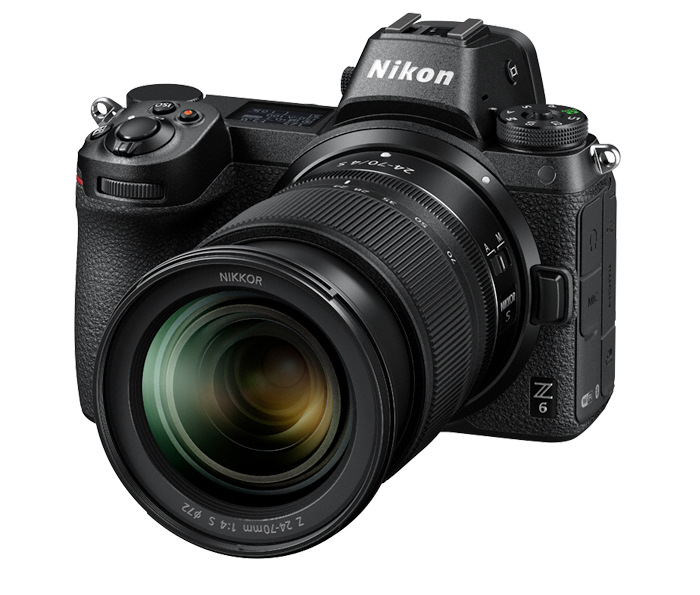
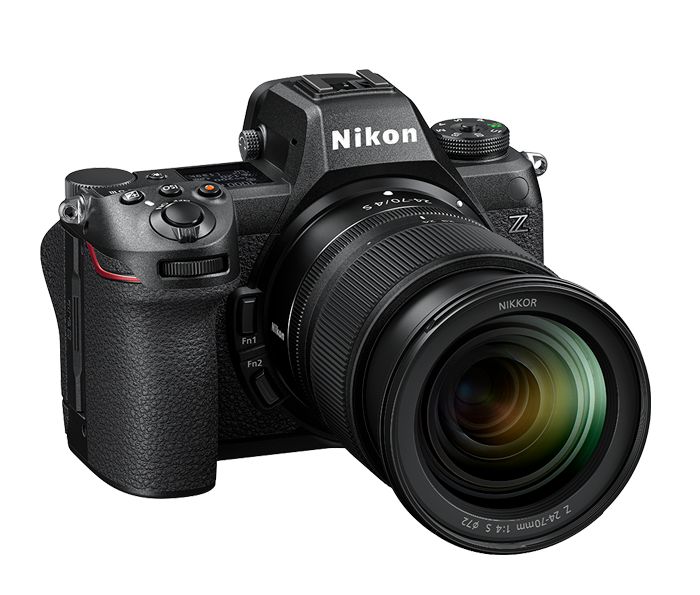
The Nikon Z6 and Z6III are two prominent entries in Nikon's full-frame mirrorless camera lineup, often compared by photographers seeking a versatile, high-performance camera. Both models cater to enthusiasts and professionals, providing excellent image quality, robust build, and user-friendly features. However, the Z6III, released in 2024, includes a series of enhancements that elevate its performance over the original Z6 from 2018, making it a compelling choice for those considering an upgrade or first-time purchase. Key differentiators include improvements in autofocus speed, in-body stabilization, and video capabilities.
Specifications Comparison
Detailed Comparison
Image Quality
Both the Nikon Z6 and Z6III utilize a full-frame (35.9 x 23.9 mm) sensor with 25 megapixels, delivering high-resolution images with excellent detail. The Z6's ISO range of 100 to 51,200 (expandable to 50-204,800) allows for effective shooting in low-light situations, while the Z6III slightly narrows its ISO range to 100-64,000. Notably, both cameras' 273 autofocus points provide accurate focus, particularly in challenging lighting conditions. However, the Z6III's improvement in noise performance at high ISO settings offers cleaner images compared to its predecessor, making it preferable for night photography or dimly lit venues.
Autofocus System
Both cameras feature 273 autofocus points that utilize phase and contrast detection methods for precision and speed. While the Z6 performs admirably for most shooting situations, the Z6III enhances this experience with better subject tracking capabilities, particularly in fast-moving scenarios like sports or wildlife photography. Moreover, the Z6III offers improved eye-detection autofocus, which helps achieve sharp portraits with ease. This refined autofocus system significantly elevates the overall shooting experience, especially when you need quick focus and tracking under varying conditions.
Video Capabilities
The Z6 captures 4K video at 30p, providing filmmakers with solid video performance. The Z6III, however, advances this specification, allowing for higher frame rates up to 20fps, which opens up additional creative possibilities for video enthusiasts. Additionally, the Z6III's improved in-body stabilization (8 stops compared to the Z6's 5 stops) translates to smoother footage in handheld shooting situations. Both models support N-Log and offer good low-light performance, but the advancements in the Z6III truly set it apart for videographers seeking more dynamic capabilities.
Build & Ergonomics
The Nikon Z6 has a compact, ergonomic design and weighs 675g, while the Z6III is slightly heavier at 760g but features improved dimensions for a more comfortable grip. Both cameras are weather-sealed, making them reliable options for outdoor photography in various conditions. The control layout remains intuitive in both models, allowing quick adjustments while shooting. Although the Z6III is bulkier, the additional grip can aid in longer shooting sessions, which is a consideration for photographers who frequently spend hours capturing images.
Battery & Storage
In terms of battery life, the Nikon Z6 offers approximately 310 shots per charge, while the Z6III enhances this figure to around 380 shots, giving users longer shooting times without needing to swap batteries frequently. Both cameras use the same EN-EL15b battery. Additionally, they support dual card slots, accommodating XQD or CFexpress cards for faster write speeds, which is beneficial for those shooting high-resolution images or 4K video. The improved battery life of the Z6III is a key advantage for professionals requiring dependable performance during extended shoots.
Value for Money
The Nikon Z6 is priced at around $1,995, making it a strong entry-level option for full-frame enthusiasts looking to dive into mirrorless technology. While the Z6III comes at a premium, priced at $2,500, the enhancements in technology, performance, and capabilities can justify the higher cost for dedicated photographers or videographers. For those who seek versatility and the latest features, especially for advanced usage scenarios, the Z6III is a more worthwhile investment, whereas casual shooters may find more value with the Z6.
Our Verdict
Overall, the Nikon Z6III emerges as the preferred choice due to its advancements in autofocus performance, video capabilities, and battery life, making it suitable for a wide range of shooting scenarios. While the Z6 remains a formidable competitor and a more budget-friendly option, the enhancements in the Z6III cater to photographers and videographers looking for enhanced performance. Ultimately, those who prioritize cutting-edge technology, particularly in action photography and video, will benefit most from the Z6III, whereas casual users might thrive with the original Z6 without the extra expense.
Nikon Z6
Nikon Z6III
Also Compare
Frequently Asked Questions
Which camera is better for low-light photography?
While both cameras perform well in low light, the Nikon Z6III has an improved noise performance at high ISO settings, making it the better option for low-light photography.
Should I upgrade from the Z6 to the Z6III?
If you frequently shoot fast action or video, the upgraded autofocus and stabilization features of the Z6III make it a worthwhile upgrade. However, if you are satisfied with the Z6's performance, it may not be necessary.
How does the video quality compare between the two models?
The Nikon Z6 captures 4K video at 30p, while the Z6III supports higher frame rates up to 20fps and has better stabilization, making it superior for video work.
Are both cameras weather-sealed?
Yes, both the Z6 and Z6III are weather-sealed, providing protection against dust and moisture for reliable performance in challenging conditions.
What is the difference in battery life?
The Z6 offers around 310 shots per charge, while the Z6III provides approximately 380 shots, giving users longer shooting times with the newer model.