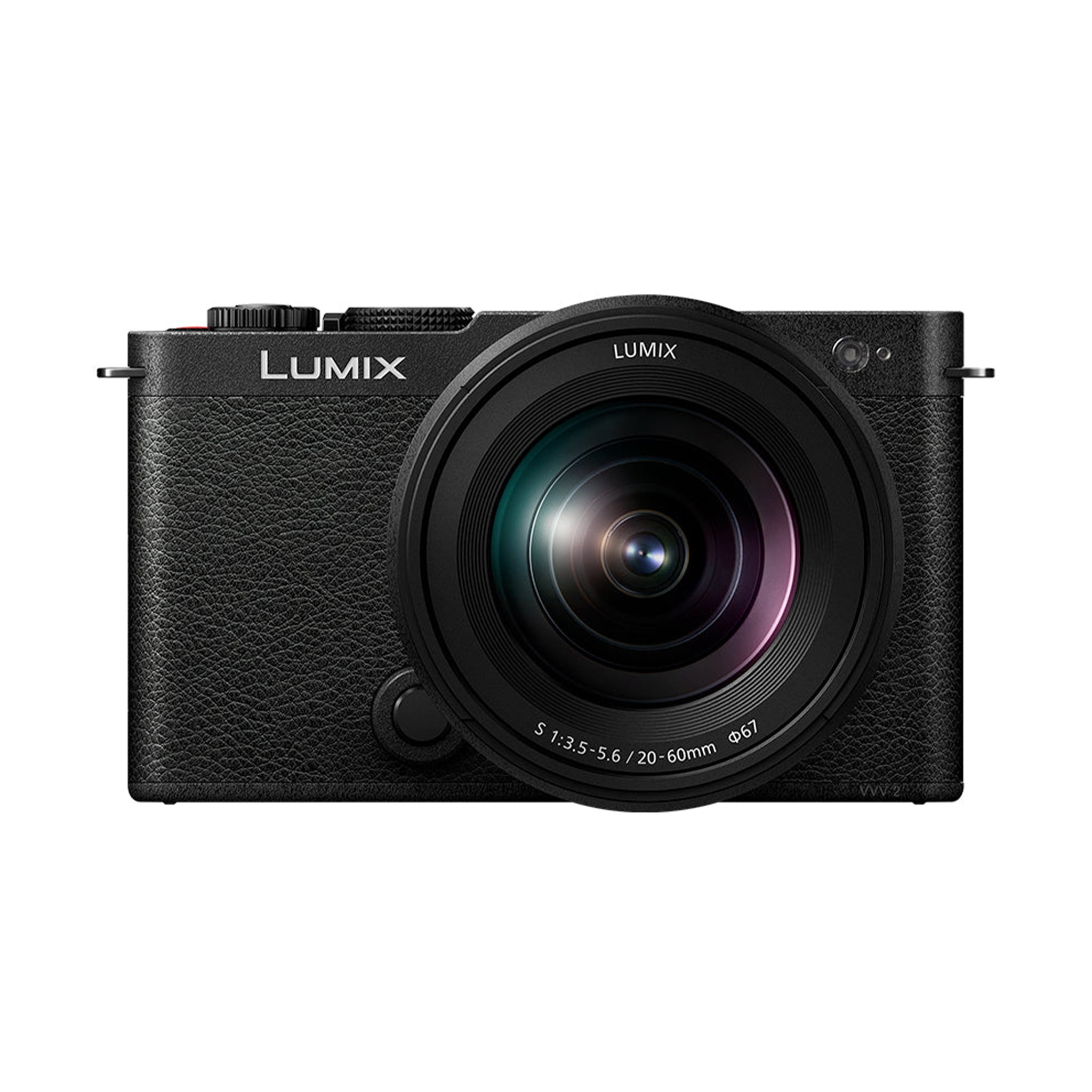
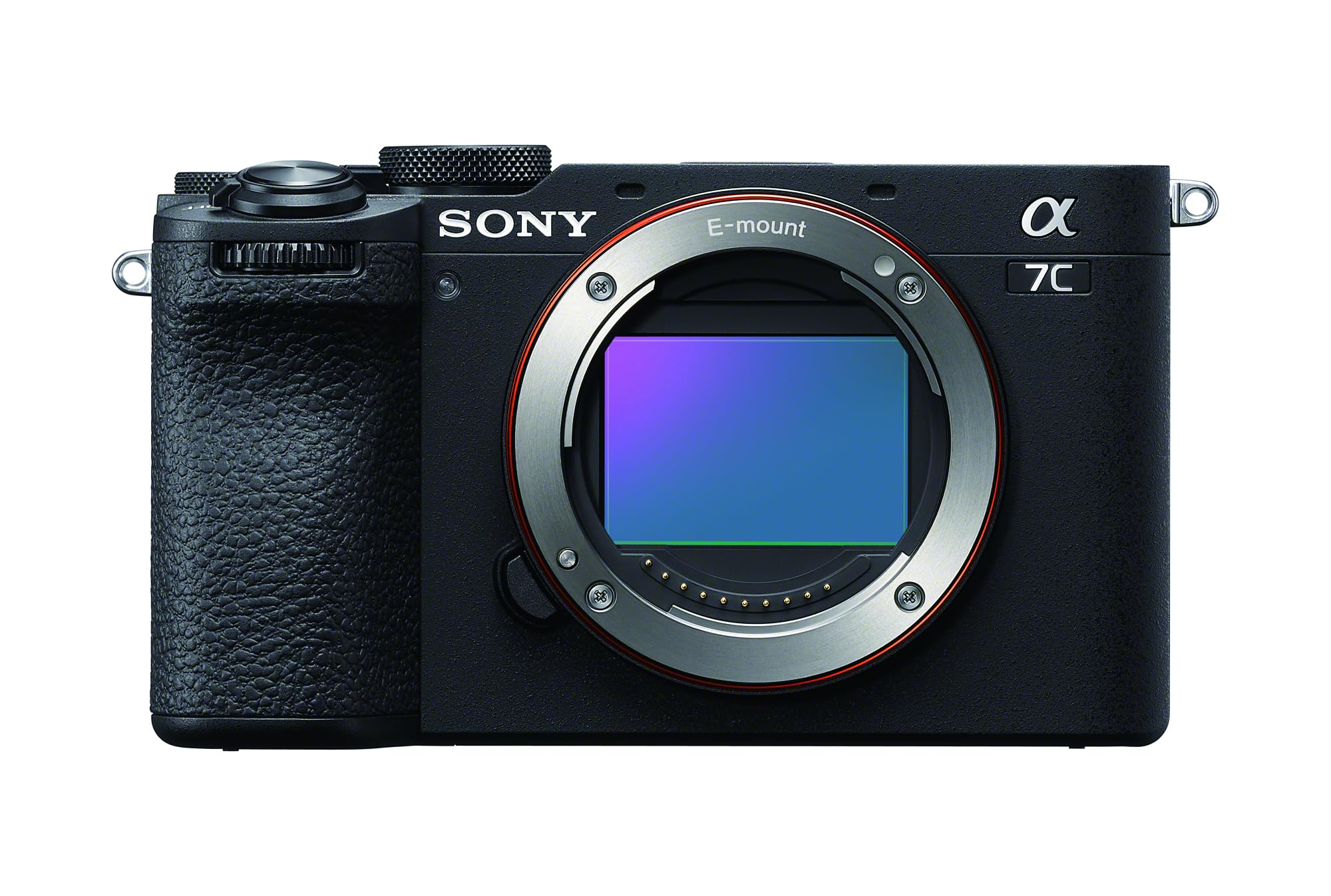
The Panasonic S9 and the Sony A7C II are both formidable entries in the full-frame mirrorless camera market, appealing to both enthusiasts and professionals alike. Photographers and videographers often find themselves choosing between these models due to their advanced features, build quality, and performance. While both cameras offer impressive specifications, they cater to slightly different user needs, making a thorough comparison essential for potential buyers. Key differentiators include their autofocus systems, video capabilities, and overall design, which can significantly influence the purchasing decision.
Specifications Comparison
Detailed Comparison
Image Quality
Both the Panasonic S9 and the Sony A7C II feature full-frame sensors measuring 35.6mm x 23.8mm, but they differ in megapixel count, with the S9 offering 24 MP and the A7C II boasting 33 MP. The higher resolution of the A7C II means that it can capture more detailed images, making it a better choice for those needing to print large formats or crop extensively. The dynamic range performance becomes apparent in high-contrast scenes, where the A7C II also tends to hold more detail in shadows and highlights due to its advanced sensor technology.
The Panasonic S9 tends to excel in certain lighting conditions, particularly with its 5-axis stabilization system that aids in handheld shooting, allowing for clearer images at slower shutter speeds. However, while the S9 may offer excellent high ISO performance, the A7C II has a significantly wider ISO range, allowing for greater flexibility in low-light conditions. In terms of color science, both brands have their followers, though Sony is often praised for its skin tone accuracy.
Ultimately, while the S9 produces high-quality images that are sharp and vibrant, the A7C II's higher resolution and superior low-light performance might make it the preferred choice for many types of photography, especially those focusing on fine details.
Autofocus System
The autofocus system is a crucial aspect for any modern camera, particularly for action shooters or those capturing fleeting moments. The Sony A7C II impressively features 759 phase-detection autofocus points, providing fast and accurate focusing even in low-light conditions. Its Real-Time Eye Autofocus and excellent tracking capabilities are standout features that can make a significant difference in fast-paced shooting scenarios.
Conversely, the Panasonic S9's autofocus system has not been detailed in terms of point coverage; however, it traditionally employs contrast-detection for its focus features. While adequate for many situations, users may find the competition from the A7C II's more advanced autofocus system gives Sony a clear edge when it comes to capturing moving subjects or during videography.
The difference in autofocus performance can be a decisive factor for buyers focusing on sports or wildlife photography, where rapid and reliable focusing is paramount. Thus, the A7C II is likely to win over users requiring high-speed focus capability.
Video Capabilities
For videographers, the video capabilities of a camera are often as important as its still image quality. The Panasonic S9 offers impressive video resolutions including 5.9K, UHD 4K, and DCI 4K, making it suitable for high-resolution video projects. Its versatility in video recording settings and reputed image stabilization enhances its appeal as a hybrid camera.
On the other hand, while the Sony A7C II supports 4K recording at up to 60p, it lacks the higher 5.9K resolution feature found in the S9. However, the A7C II's video specs include advanced features like 10-bit 4:2:2 internal recording, which provides greater color depth and flexibility in post-production. This is an essential factor for professional videographers working on high-end productions.
Overall, for dedicated videographers seeking maximum resolution with additional options, the Panasonic S9 holds the upper hand. However, for those who prioritize color depth and advanced video features, the A7C II may appeal more despite its lower maximum resolution.
Build & Ergonomics
Build quality and ergonomics can greatly affect user experience, especially over long periods of use. The Sony A7C II features a compact design, measuring 124 x 71 x 63 mm, and includes weather sealing, which offers an advantage for outdoor photographers facing various environments. Its lighter weight of 514g, though slightly heavier than the S9, is manageable for many users, and the presence of an electronic viewfinder caters to those who prefer a more traditional shooting style.
In contrast, the Panasonic S9 boasts slightly smaller dimensions at 126 x 73.9 x 46.7 mm but is slightly heavier at 486g. While it lacks the weather-sealing feature, it provides a solid grip and a responsive layout, which many users find comfortable. However, compared to the A7C II's electronic viewfinder, the S9's viewfinder specifications are not quoted, which could affect user preference.
For users concerned about a durable camera suited for varying conditions, the A7C II's weather sealing becomes a significant asset, giving it the edge in build quality and overall usability.
Battery & Storage
Battery life is often a critical consideration for photographers and videographers. The Sony A7C II boasts a battery life of approximately 540 shots per charge, which is competitive and sufficient for a full day's shooting when used judiciously. The camera supports dual-card slots for SD cards, which adds to the flexibility for photographers needing extensive storage solutions for both high-resolution images and 4K video.
In contrast, the battery specs for the Panasonic S9 remain unspecified, which raises concerns regarding its operational longevity compared to the A7C II. If the S9 does not match or exceed its rival's battery performance, users might find less reliability during longer shoots.
Overall, with a clear battery capacity advantage and dual-storage options, the A7C II takes the lead in this category, making it the more reliable choice for extended use without the worry of battery depletion.
Value for Money
Value for money can often supersede raw specifications, depending on the user's needs. The Panasonic S9, while offering an abundance of features, especially in video capabilities with its high-resolution options, might be favored by those primarily focused on hybrid shooting and videography due to its 5.9K video recording.
Conversely, the Sony A7C II, priced at approximately $2200, offers a well-rounded package which successfully excels in aspects such as autofocus, build quality, and battery life. Its blend of features caters well to photographers who may require more from still images and fast-moving subjects alongside strong video capabilities.
In this comparison, buyers must consider their specific needs - the S9 offers substantial video features making it excellent for content creators, whereas the A7C II presents a more balanced approach. Thus, based on varied user preferences, it is difficult to declare one as being an outright underdog in value, making this a tie.
Our Verdict
Considering the overall performance across various sections, the Sony A7C II emerges as the winner. Its superior autofocus system, reliable battery life, and weather-sealed body offer a compelling case for photographers in various shooting scenarios, particularly those focused on action or travel photography. However, for videographers and hybrid shooters seeking ultra-high resolution and strong in-camera video capabilities, the Panasonic S9 stands out. Each camera holds distinct advantages, making them suitable for different types of users, depending on their primary focus in photography or videography.
Panasonic S9
Sony A7C II
Also Compare
Frequently Asked Questions
Which camera is better for video shooting?
The Panasonic S9 offers superior video capabilities with 5.9K recording, making it a better choice for filmmakers and content creators focused on high-resolution video output.
How do the autofocus systems compare?
The Sony A7C II has an exceptional autofocus system with 759 points and advanced tracking capabilities, providing faster and more accurate focus compared to the S9.
What is the battery life like for each model?
The Sony A7C II has a battery life of around 540 shots, which is dependable for long shoots; the Panasonic S9's battery specs aren't provided, raising questions about its longevity.
Is the A7C II weather-sealed?
Yes, the Sony A7C II features a weather-sealed body, making it more suitable for outdoor photography in varying weather conditions.
Which camera is more portable?
The Sony A7C II is slightly more compact and lighter than the Panasonic S9, making it a more portable option for travel photography.