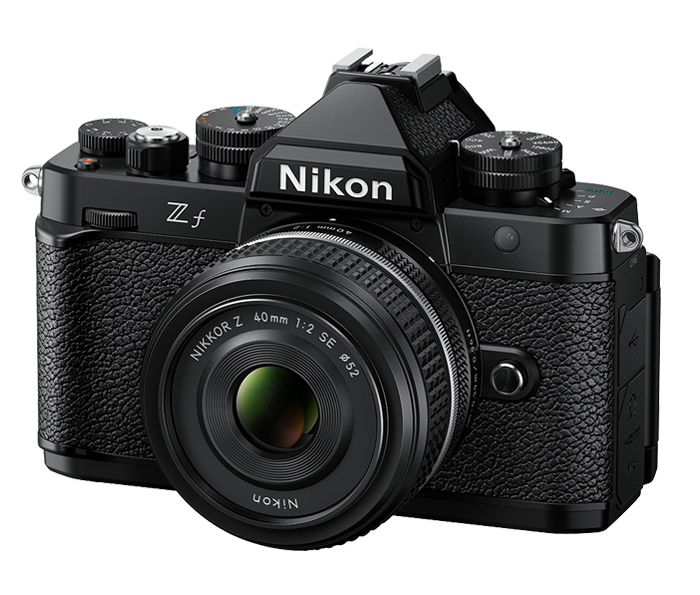
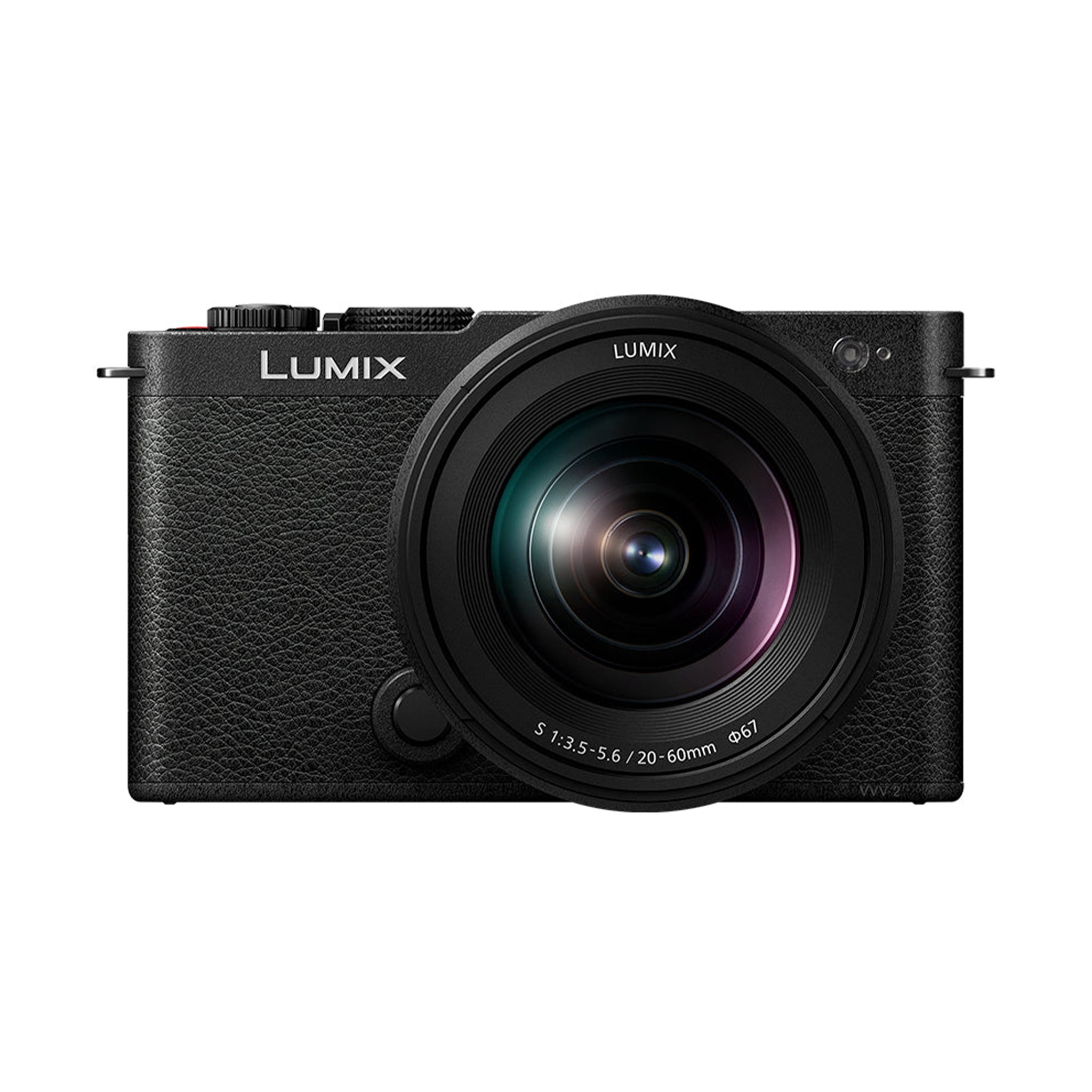
The Nikon Zf and the Panasonic S9 are two compelling mirrorless cameras that attract the attention of photography enthusiasts and professionals alike. Both models offer impressive specifications that cater to a variety of shooting styles, but they also represent distinct design philosophies and functionalities, making a direct comparison inevitable. Photographers looking for high-quality imaging capabilities, effective autofocus performance, and robust video features may find themselves weighing the merits of these two options. Key differentiators between the Nikon Zf and Panasonic S9 include their sensor resolutions, video recording resolutions, and battery life, alongside the overall user experience determined by ergonomics and lens ecosystems.
Specifications Comparison
Detailed Comparison
Image Quality
The Nikon Zf features a full-frame sensor measuring 35.9 x 23.9 mm and offers 25 megapixels, providing slightly higher resolution images compared to the Panasonic S9, which utilizes a 35mm full-frame sensor at 24 megapixels. The slight difference in megapixels can lead to marginal improvements in detail, especially in larger prints or when cropping images. Both cameras excel in low-light performance, but the Zf's higher megapixel count may contribute to finer details in challenging lighting conditions.
In practical terms, both cameras are capable of producing high-quality images with excellent dynamic range. The Zf, with its superior detail retention, slightly edges out in scenarios requiring extensive post-processing or large prints. On the other hand, the sensor performance of the Panasonic S9, combined with its lens ecosystem, means it still performs exceptionally well across a broad range of settings. Ultimately, both cameras can deliver images that fulfill the high standards of professional photographers.
Given this assessment, the advantage in image quality slightly favors the Nikon Zf for those who prioritize resolution, but the Panasonic S9 remains a formidable competitor. Both will likely satisfy the demands of most users, resulting in a strong showing from each.
Autofocus System
The Nikon Zf boasts a robust autofocus system with 273 autofocus points, ensuring accuracy and responsiveness in various shooting situations. This extensive coverage allows for effective tracking of moving subjects, making it suitable for action photography, sports, and wildlife. The eye-detection autofocus is particularly well-regarded, especially in portrait photography where sharp focus on the subject's eyes is crucial.
In contrast, the Panasonic S9 provides a reliable autofocus system as well, though exact point coverage details are not specified. It typically features contrast-detection autofocus augmented with certain phase-detection features. While this system is competent for its purpose, users may find it less effective compared to the advanced capabilities of the Nikon Zf, particularly when dealing with fast-moving subjects.
Taking into account these elements, the Nikon Zf clearly stands out with its superior autofocus system, offering faster and more reliable performance in a broader range of scenarios, making it the preferred choice for photographers who regularly work with dynamic subjects.
Video Capabilities
When it comes to video, the Panasonic S9 takes the lead with its impressive ability to record in 5.9K resolution. This feature is particularly appealing for videographers seeking to capture high-resolution content for cinematic applications. Additionally, the S9 supports various video formats including UHD 4K, DCI 4K, and 1080p, providing flexibility based on project needs.
In comparison, the Nikon Zf offers solid video capabilities with the ability to shoot 4K at 60 frames per second. While this remains a high-quality option for many applications, it slightly lags behind the S9 in terms of raw resolution. However, the Zf performs admirably in terms of stabilization, featuring an 8-stop image stabilization system that can significantly enhance video capture, especially when shooting handheld.
In light of these factors, while both cameras cater to videographers, the Panasonic S9's 5.9K recording potential and versatility in video formats give it an edge in the video department. For users prioritizing video functionality, the S9 remains the better option for its superior recording capabilities.
Build & Ergonomics
In terms of build quality, the Nikon Zf presents a confidence-inspiring design with a weight of 710g and substantial dimensions of 144 x 103 x 49 mm. This bulky feel can be a plus for stability, which is particularly beneficial in challenging shooting conditions. The camera's control layout is intuitive, appealing to traditional photographers who appreciate tactile controls over electronic adjustments.
Conversely, the Panasonic S9 is considerably lighter at 486g and more compact in its dimensions of 126 x 73.9 x 46.7 mm. This portability can be a significant factor for traveling photographers or those needing a lightweight setup. Additionally, its L-Mount ecosystem provides access to a diverse range of lenses, enhancing usability.
Analyzing build quality and ergonomics, each camera has strengths that cater to different preferences. Nikon's Zf may appeal to those looking for a more robust feel and advanced manual controls, while the S9's lightweight design and compact form factor can attract those prioritizing portability and ease of use. Hence, this section presents a subjective win based on personal preference.
Battery & Storage
The Nikon Zf features a respectable battery life, rated for approximately 380 shots per charge. This is an important metric for photographers who spend extended periods in the field without easy access to charging stations. In terms of storage, the Zf supports dual card slots, allowing for flexible storage solutions and redundancy during shoots.
In comparison, while the Panasonic S9's precise battery performance metrics are less well-documented, lightweight designs often result in smaller batteries, which may lead to shorter shooting periods. This can be a drawback for intensive shooting sessions. However, the S9 also supports its own storage flexibility through the use of dual-card slots, similar to the Zf.
In evaluating capacity and efficiency, the Nikon Zf's robust battery performance gives it a significant edge, particularly for users who rely on longevity for event shooting or prolonged sessions away from charging facilities. The Zf's better documented battery life makes it a more reliable option for long shoots.
Value for Money
The Nikon Zf is priced at $1999, positioning it firmly in the mid to high-end segment of the market. Given its features, including advanced autofocus, solid image quality, and stabilization capabilities, it provides excellent value for photographers looking to invest in a versatile tool for various scenarios.
On the other hand, the Panasonic S9's pricing details remain unavailable at the moment, but it is anticipated to be in a comparable range. The added value of 5.9K video recording and an overall lighter design may justify a similar price point for videographers seeking advanced video capabilities.
Ultimately, while both products present strong arguments for their price tags, the Nikon Zf's overall balance between still photography efficiency and video capability positions it as a strong contender for value for money, especially for photographers who need a reliable all-around camera without compromising on features and performance.
Lens Ecosystem
The Nikon Zf utilizes the Nikon Z mount system, which has been gaining traction over the last few years with an expanding lineup of high-quality lenses. The lens ecosystem is capable of covering a vast range of photography styles and categories, making it a reliable choice for photographers looking for options ranging from prime lenses to versatile zooms.
In contrast, the Panasonic S9 employs the L-Mount, which is shared with several manufacturers, including Sigma and Leica. This collaboration enriches the lens options available to users, presenting an extensive selection that caters to both specialty and general photography needs.
Users may find both ecosystems to be robust; however, the choice may boil down to brand loyalty and personal preferences for specific lenses or manufacturers. With the growing adoption of the L-Mount, the S9 may have a slight edge in terms of access to a broader variety of lenses from different brands in the future. Therefore, this landscape is dynamic and both options have their strengths in ecosystem offerings, making it hard to declare a clear winner.
Our Verdict
In the final analysis, while the Panasonic S9 provides excellent video capabilities and a lightweight design, the Nikon Zf emerges as the overall winner owing to its superior still imaging performance, more advanced autofocus system, and better battery life. These features position the Zf as a more versatile choice for photographers who primarily focus on stills but also engage in videography. The S9 remains a strong contender for those who value video capabilities above all else, particularly with its 5.9K resolution. Ultimately, the decision will depend on prospective users' specific needs, with both cameras offering compelling merits.