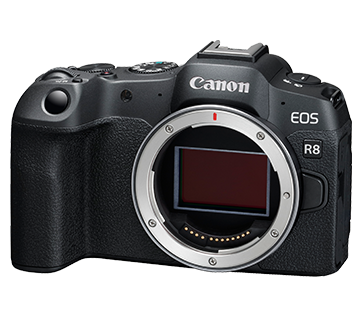
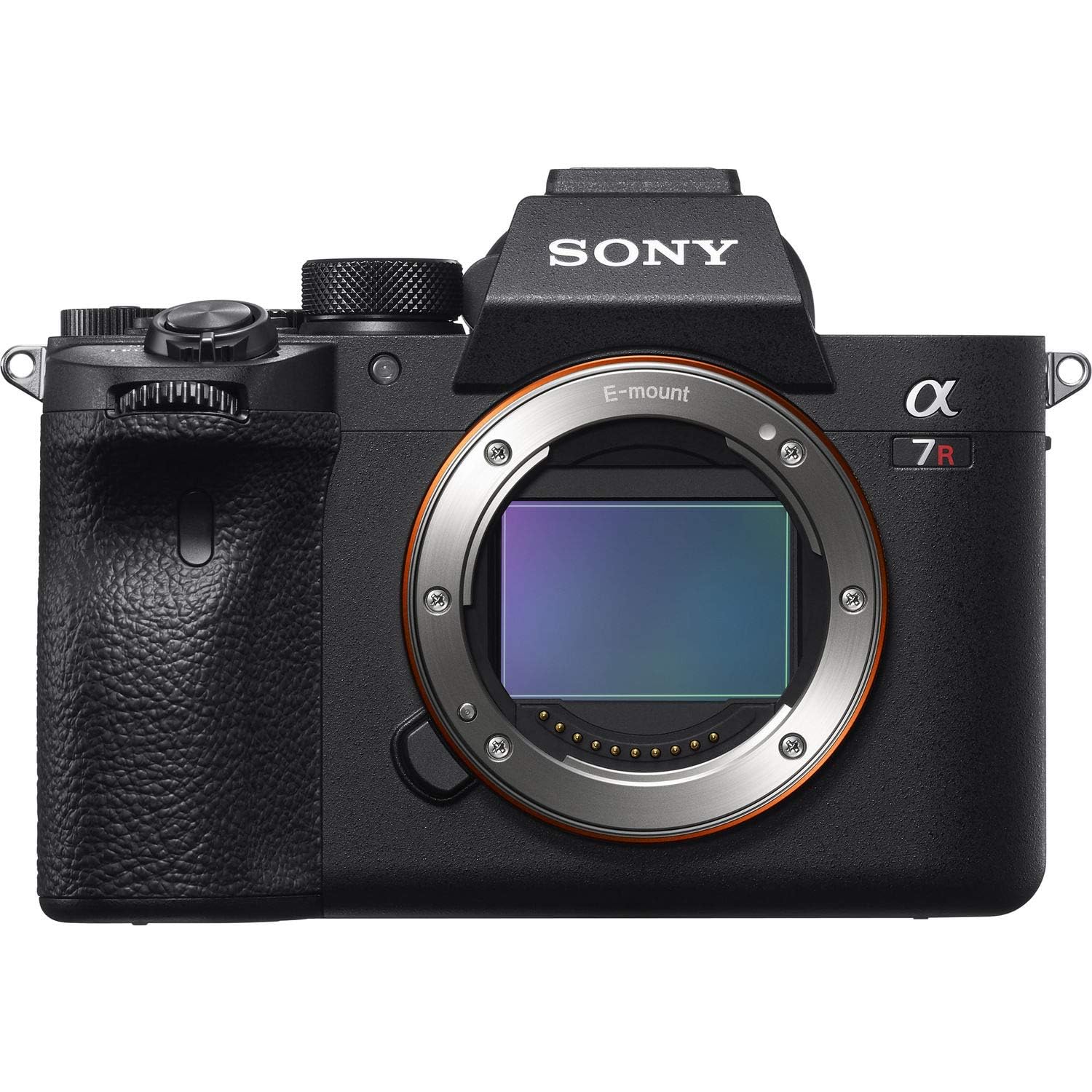
The Canon EOS R8 and the Sony A7R IV are two prominent full-frame mirrorless cameras that cater to different segments of photographers and videographers. Both boast impressive specifications, yet they cater somewhat to different user needs and preferences. The Canon EOS R8, released in 2023, is aimed at enthusiasts looking for a lightweight and versatile camera, while the Sony A7R IV, released in 2019, targets professionals with higher resolution demands and advanced features. Deciding between these two models often comes down to considerations of image quality, autofocus capabilities, video performance, and overall value for money.
Specifications Comparison
Detailed Comparison
Image Quality
The Sony A7R IV has a significant advantage in terms of image quality due to its higher resolution of 61 megapixels, compared to the Canon EOS R8's 24 megapixels. This allows the A7R IV to capture more intricate details and provides greater flexibility when cropping or printing large images. However, the EOS R8 still maintains excellent image quality with its full-frame sensor, handling high ISO performance commendably. The Canon camera's ISO range of 100-102400 provides versatility in alternative lighting conditions, although it may not match the extensive ISO performance of the A7R IV when extended to ISO 50. In general, both cameras produce exceptional images, but the A7R IV is the clear choice for those prioritizing resolution and detail in their work.
Autofocus System
The autofocus systems of both cameras are impressive, but they cater to somewhat different user needs. The Canon EOS R8 features an advanced system with 1053 autofocus points, providing extensive coverage and quick focusing capabilities, ideal for capturing fast-moving subjects. On the other hand, the Sony A7R IV is equipped with 567 autofocus points, which are also highly effective but not as numerous as the R8. Both cameras utilize electronic viewfinders, enhancing the shooting experience. While the A7R IV benefits from Sony's proprietary Real-Time Eye autofocus tracking, the R8 also performs exceptionally well in tracking subjects. This aspect leads to a relatively close competition; however, the R8 slightly edges out in flexibility and coverage.
Video Capabilities
For videographers, the Canon EOS R8 stands out with its ability to record 4K video at up to 60p, making it a more attractive choice for those seeking high-frame-rate video options. In contrast, the A7R IV's video capabilities are limited to 4K at 30p, which may be satisfactory for many users but does not offer the same versatility as the R8. Furthermore, the lack of built-in stabilization in the EOS R8 is a disadvantage for handheld shooting, particularly in dynamic situations, while the A7R IV boasts 5.5 stops of in-body stabilization. If speed and frame rate are prioritized, the R8 wins; however, for stabilized shots, the A7R IV has the upper hand.
Build & Ergonomics
Both cameras feature durable weather-sealed bodies, making them suitable for outdoor use in various conditions. The Canon EOS R8 is noticeably lighter, weighing 461 grams compared to the 665 grams of the A7R IV, which can be appealing for long shooting sessions or travel. Additionally, the EOS R8's dimensions make it slightly more compact, enhancing its portability. The A7R IV, although heavier, provides a more substantial grip for users who prefer a solid feel when handling the camera. While both models have electronic viewfinders and a tiltable LCD screen, the R8's screen has a higher resolution, offering a slight advantage in display clarity.
Battery & Storage
The Sony A7R IV offers a more robust battery life, rated at approximately 670 shots, which is beneficial for extended shooting sessions. In contrast, Canon has not specified the battery life, but generally, the EOS R series cameras tend to have less endurance in comparison. In terms of storage, both cameras utilize similar SD card formats, ensuring a straightforward transition for users who already own compatible cards. However, the A7R IV's superior battery performance gives it an edge for professionals who may be shooting for longer durations without the opportunity to change batteries frequently.
Value for Money
When it comes to pricing, the Canon EOS R8 at $1499 represents a significantly more budget-friendly option, especially for enthusiasts who may not need the high resolution and advanced features of the A7R IV, priced at $3500. The R8 provides excellent value given its features, making it suitable for various shooting scenarios, especially for those looking to break into full-frame photography without a substantial financial commitment. Conversely, the A7R IV is aimed at serious professionals who require higher image resolution and more advanced capabilities, justifying its higher price tag. Overall, for those seeking the best bang for their buck, the EOS R8 is the better choice.
Our Verdict
Ultimately, the Canon EOS R8 emerges as the overall winner for most users due to its competitive pricing, higher autofocus capabilities, and substantial video performance. It appeals particularly to enthusiasts and semi-professionals who prioritize a lightweight design and good value. In contrast, the Sony A7R IV's strength lies in its superior image quality and battery performance, catering primarily to professional photographers who require the highest level of detail and reliability. Depending on specific needs, both cameras have their strengths, but for an all-around versatile choice, the EOS R8 is the better option.
Canon EOS R8
Sony A7R IV
Also Compare
Frequently Asked Questions
Which camera is better for landscape photography?
The Sony A7R IV is preferable for landscape photography due to its higher resolution, allowing for more detail in images, particularly when printing large formats.
Is the Canon EOS R8 suitable for professional use?
Yes, the Canon EOS R8 is suitable for professional use, especially for those who prioritize video capabilities and lightweight design. However, the A7R IV may be better for professionals needing higher resolution.
How does low-light performance compare between the two?
Both cameras perform well in low-light conditions, but the A7R IV has a slight edge in high ISO performance due to its advanced sensor technology and lower noise at higher settings.
Can I use my existing lenses with these cameras?
Lens compatibility will depend on your existing gear. Canon RF lenses work with the EOS R8, while the A7R IV uses Sony E-mount lenses. Adapters are available for some other lens types.
What is the best choice for video creators?
The Canon EOS R8 offers higher frame rates and 4K options, making it more suitable for video creators looking for enhanced cinematic experiences.