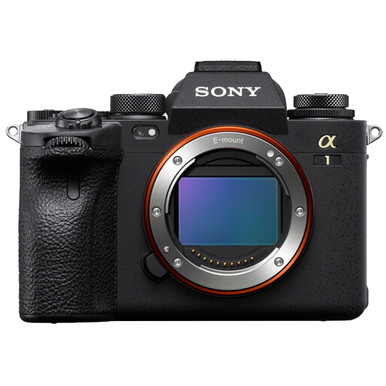

The Sony A1 and Sony A9 III are two flagship mirrorless cameras from Sony, often compared by professionals and enthusiasts in the photography community. Both models cater to high-end users with specific needs: the A1 appeals to those desiring high resolution and versatility, while the A9 III targets sports and action photographers looking for speed and performance. Understanding the key differences between these two cameras is crucial for buyers, especially when considering factors like image quality, autofocus, video capabilities, and overall build quality.
Specifications Comparison
Detailed Comparison
Image Quality
The Sony A1 sets itself apart with a remarkable 50-megapixel full-frame sensor, offering exceptional detail and allowing for large prints and cropping without loss of quality. This high resolution is ideal for landscape, fashion, and commercial photography where image fidelity is paramount. It also performs well in high ISO settings, with an expandable range up to 102400, making it suitable for low-light environments. In contrast, the A9 III features a 25-megapixel sensor, which, while lower in resolution, is still capable of producing stunning images with excellent color reproduction and dynamic range. The lower pixel count can actually be advantageous in certain circumstances, allowing for better performance in burst shooting due to smaller file sizes. Overall, while both cameras deliver excellent image quality, the A1 excels in resolution and detail, making it the preferable choice for high-resolution needs.
Autofocus System
Both the Sony A1 and A9 III boast impressive autofocus systems, but they cater to different priorities. The A1 features 759 autofocus points, offering broad coverage and quick locking onto subjects. This comprehensive system is ideal for varied photography styles, from portraiture to wildlife photography. The A9 III's autofocus system, while having fewer points, is optimized for high-speed shooting, including 120 frames per second continuous shooting. This makes it exceptionally good for capturing fast-moving subjects in sports photography. The A9 III's autofocus also benefits from advanced real-time tracking, which is crucial in dynamic environments. In practical terms, the choice between the two may come down to whether the user prioritizes versatility (A1) or speed and accuracy in fast-paced situations (A9 III).
Video Capabilities
Both the A1 and A9 III support 4K video resolution at up to 120p, which is excellent for videography. However, the A1 also offers more robust video features, including 10-bit 4:2:2 internal recording and advanced color profiles, making it a better option for serious filmmakers and content creators. The A9 III, while competent in 4K video, is structured more around high-framerate shooting and emphasizes speed and performance, catering primarily to sports and action videography. In terms of video quality and capabilities, the A1 leads due to its advanced features, expansive recording options, and superior handling in varied lighting conditions.
Build & Ergonomics
From a build quality perspective, both cameras feature weather sealing, making them suitable for outdoor use in challenging conditions. The A1 is slightly heavier at 737 grams, compared to the A9 III's 617 grams, which may affect portability over long shoots. However, the A9 III offers a larger 3.2-inch screen, providing better visibility for composing shots. User ergonomics are also notable, as the A9 III includes additional custom buttons and an intuitive menu layout, catering particularly to fast-paced photographers. While both cameras excel in build quality and durability, the A9 III might be favored for comfort during extended use, especially for action shooters.
Battery & Storage
The battery life is another area where the A1 has a slight edge, with the capability to shoot approximately 530 images per charge. The A9 III, while efficient, offers slightly less battery performance, which may be a consideration for intensive shooting sessions. In terms of storage, both cameras utilize dual card slots, supporting CFexpress Type A and SD cards, which enhances workflow flexibility. However, with the A1's larger file sizes due to its higher resolution, users should consider the implications on storage needs during prolonged shoots. This makes the A1 potentially more demanding in terms of storage but offers the assurance of more shots per charge.
Value for Money
Price-wise, the A1 is significantly higher at $6500 compared to the A9 III, which represents a substantial investment directed towards creators who need top-tier performance across a range of features. For photographers primarily focused on action and sports, the A9 III's price point of approximately $4500 may offer better value, particularly with its high-speed continuous shooting capabilities. While both cameras are premium offerings, potential buyers must evaluate whether the additional cost of the A1 translates into features they need. For users needing high resolution and advanced video capabilities, the A1 justifies its higher price, while users focused on speed and performance may find the A9 III to be a more rational choice economically.
Our Verdict
In the end, the choice between the Sony A1 and the A9 III may come down to specific user needs rather than a clear superiority of one over the other. The A1 excels in high-resolution image quality and advanced video features, making it ideal for landscape photographers and content creators. On the other hand, the A9 III prioritizes speed and performance, making it the top pick for action and sports photographers. With its lower price point, the A9 III also represents better value for users who primarily focus on capturing fast-paced subjects. Thus, depending on the intended use, each camera has unique strengths that cater to distinct photography styles.