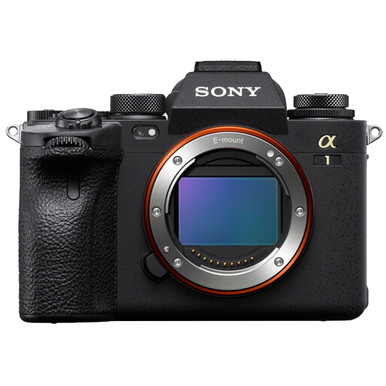
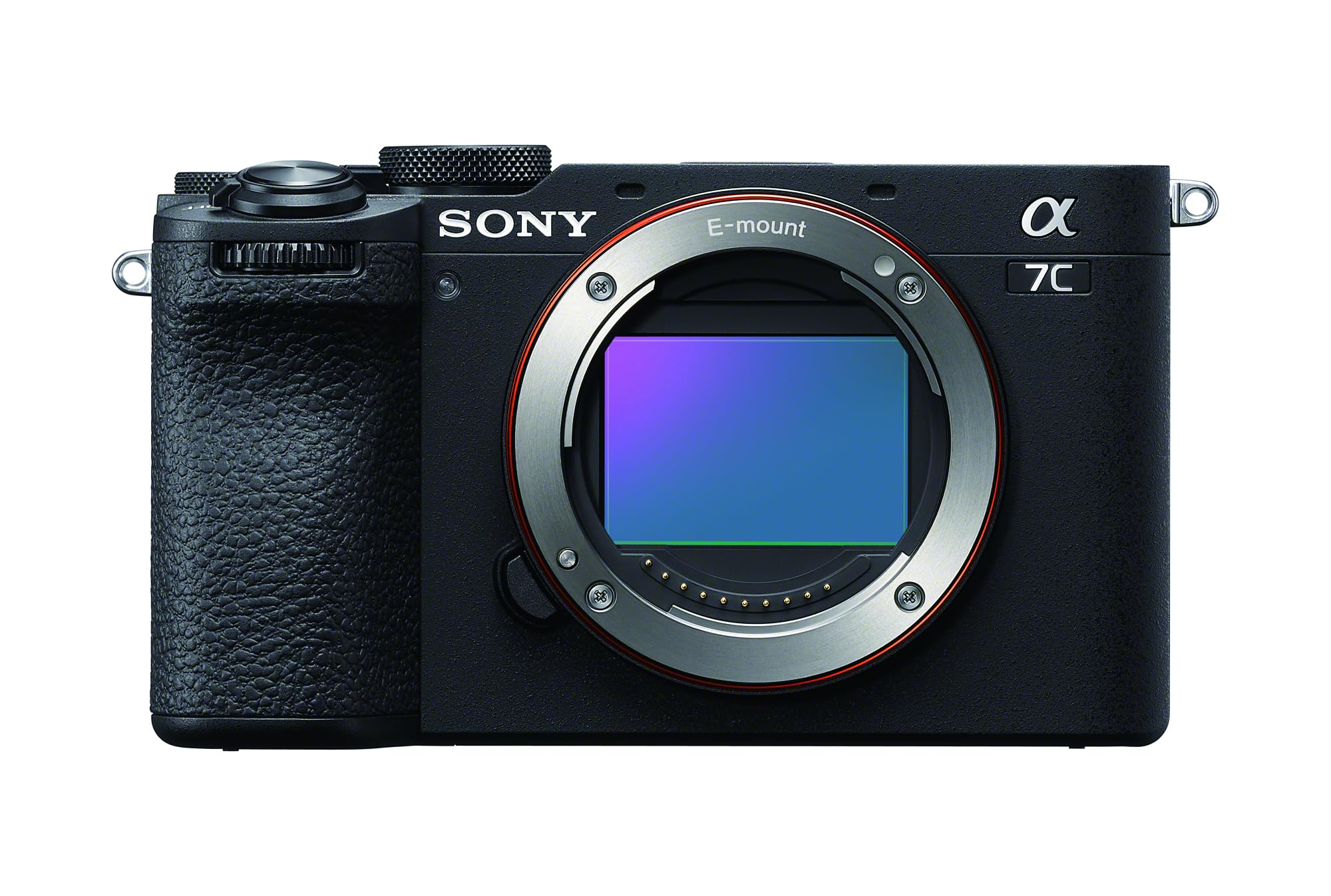
The Sony A1 and Sony A7C II are two powerhouses in the full-frame mirrorless camera market, appealing to photographers and videographers alike. While both models feature Sony's renowned E-mount and offer exceptional image quality, they serve different segments of the market. The A1 is positioned as Sony's flagship model with cutting-edge technology, making it ideal for professional applications. On the other hand, the A7C II targets enthusiasts and advanced amateurs with its compact size and affordability, making it an attractive option for travel and everyday shooting. Key differentiators include sensor resolution, video capabilities, ergonomics, and price point.
Specifications Comparison
Detailed Comparison
Image Quality
The Sony A1 boasts a staggering 50-megapixel full-frame sensor, allowing it to capture incredibly high-resolution images. This level of detail is particularly beneficial for commercial photographers, landscape photography, and any application where large prints or cropping is desired. In contrast, the A7C II's 33-megapixel sensor, while still offering excellent image quality, provides a lower resolution that may not satisfy those seeking absolute maximum detail. Nevertheless, the A7C II generates vibrant colors and sharp images, perfect for social media and the majority of professional needs.
Both cameras perform exceptionally well in low-light conditions, with impressive ISO ranges. The A1's expanded ISO capability goes up to 102400, while the A7C II extends up to 204800, effectively allowing for usage in darker environments. However, the difference in megapixel count suggests that the A1 has the edge in situations where fine detail is paramount, while the A7C II holds its own for general usage.
Ultimately, for enthusiasts and professionals who require maximum detail, the A1 wins this round with its higher resolution. However, the A7C II still provides fantastic image quality suitable for many applications, ensuring that photographers will not feel limited by its specifications.
Autofocus System
Both the Sony A1 and the A7C II feature an impressive autofocus system with 759 phase detection autofocus points, providing fast and accurate focusing in a variety of shooting scenarios. However, the A1 benefits from its flagship status with enhanced AF tracking capabilities, including advanced eye autofocus for humans and animals that will appeal to portrait and wildlife photographers.
The A7C II offers excellent autofocus performance as well, delivering reliable focus in static and moving subjects, but it may not match the A1's ability to track subjects at high speeds in more challenging conditions. Additionally, the A1 can reach up to 30 frames per second in burst mode, allowing for rapid shooting of subjects in motion, whereas the A7C II caps its burst shooting at 10 frames per second.
In this round, the A1 once again claims the title due to its superior autofocus performance and speed capacity, making it the preferred choice for professionals working in dynamic environments.
Video Capabilities
When it comes to video capabilities, the A1 stands out with its ability to shoot 4K video at up to 120p, enabling stunning slow-motion effects and high-frame-rate video capture. This feature, coupled with its higher resolution and advanced heat management, makes the A1 a formidable choice for professional videographers looking to create high-quality content.
In comparison, the A7C II can record 4K video at a maximum of 60p, which is suitable for most video applications, particularly for travel vlogs and YouTube content. While the 60p frame rate is adequate for standard video work, it does not offer the same slow-motion capabilities that the A1 provides.
Therefore, for those prioritizing video performance, the A1 clearly takes the lead, making it a better choice for high-end video projects and professional work.
Build & Ergonomics
The A1 is slightly larger and heavier, weighing in at 737 grams and featuring dimensions of 129 x 97 x 81 mm. This robust construction offers durability and a solid grip, which may be preferable for photographers accustomed to handling professional gear. It is also fully weather-sealed, ensuring resilience in adverse conditions.
Conversely, the A7C II is more compact and lightweight at 514 grams and dimensions of 124 x 71 x 63 mm, catering to photographers who prioritize portability. Its ergonomic design makes it suitable for extended handheld shooting sessions. Like the A1, the A7C II is also weather-sealed, which adds confidence during outdoor shoots.
While both systems have excellent build quality, the A7C II's better handling for casual use may appeal to travel photographers, making this section a more subjective win, depending on individual needs.
Battery & Storage
Both cameras use the same battery type, providing a comparable battery life with 530 shots for the A1 and slightly better at 540 shots for the A7C II. However, it is essential to note that the A1, given its extensive features, may consume battery power more rapidly when utilized to its full extent, particularly during high-frame-rate video shooting.
In terms of storage, both utilize dual card slots, offering flexibility in saving large quantities of high-resolution photo and video files. The A1's larger files may require more management, but both systems generally handle storage well, providing enough throughput for professionals.
In conclusion, while the battery performance is slightly in favor of the A7C II, the better efficiency can be argued to balance itself out based on functionality. This makes both models fairly equitable in this category.
Value for Money
The A1's price tag sits at approximately $6500, reflecting its status as a professional flagship camera with extensive features, high resolution, and advanced video capabilities. While it is a significant investment, it is justifiable for professionals whose work demands the best specifications and performance.
On the other hand, the A7C II, priced at $2200, provides an exceptional value proposition for enthusiasts and semi-professional use. It effectively balances performance and cost, making it accessible to a wider audience who may not need the extensive features of the A1 but still desire high-quality imaging and video capabilities.
Considering the substantial price difference, the A7C II stands out as a better option for those who value a compact full-frame camera for general photography or travel, while the A1 remains unmatched in its domain of professional use, further solidifying its higher expense. Thus, in terms of sheer value, the A7C II is more appealing to a broader range of consumers.
Our Verdict
Overall, the Sony A1 emerges as the winner, primarily due to its superior image resolution, enhanced autofocus system, and advanced video capabilities. While the A7C II offers excellent value and a compact design that caters well to enthusiasts and casual users, the A1 is the clear choice for professionals requiring the utmost quality and performance. However, with its more moderate price point and solid performance, the A7C II is an outstanding option for those who prioritize portability and affordability without sacrificing too much in terms of quality.
Sony A1
Sony A7C II
Also Compare
Frequently Asked Questions
Which camera has a better autofocus system?
The Sony A1 has a superior autofocus system with enhanced tracking capabilities, making it more suitable for professional photography.
Is the video quality better on the Sony A1 or A7C II?
The A1 excels in video quality with 4K at 120p, while the A7C II records at a maximum of 60p, making the A1 a better choice for high-quality video work.
Which camera is better for travel photography?
The Sony A7C II is more portable and lightweight, making it a better option for travel photography compared to the bulkier A1.
How do battery lives compare between the two cameras?
Both cameras have similar battery lives, but the A7C II manages to slightly last longer under typical usage circumstances.
Is the A1 worth the higher price?
The A1 is worth the higher price for professionals who need advanced features and exceptional quality; however, the A7C II provides excellent value for everyday photographers.