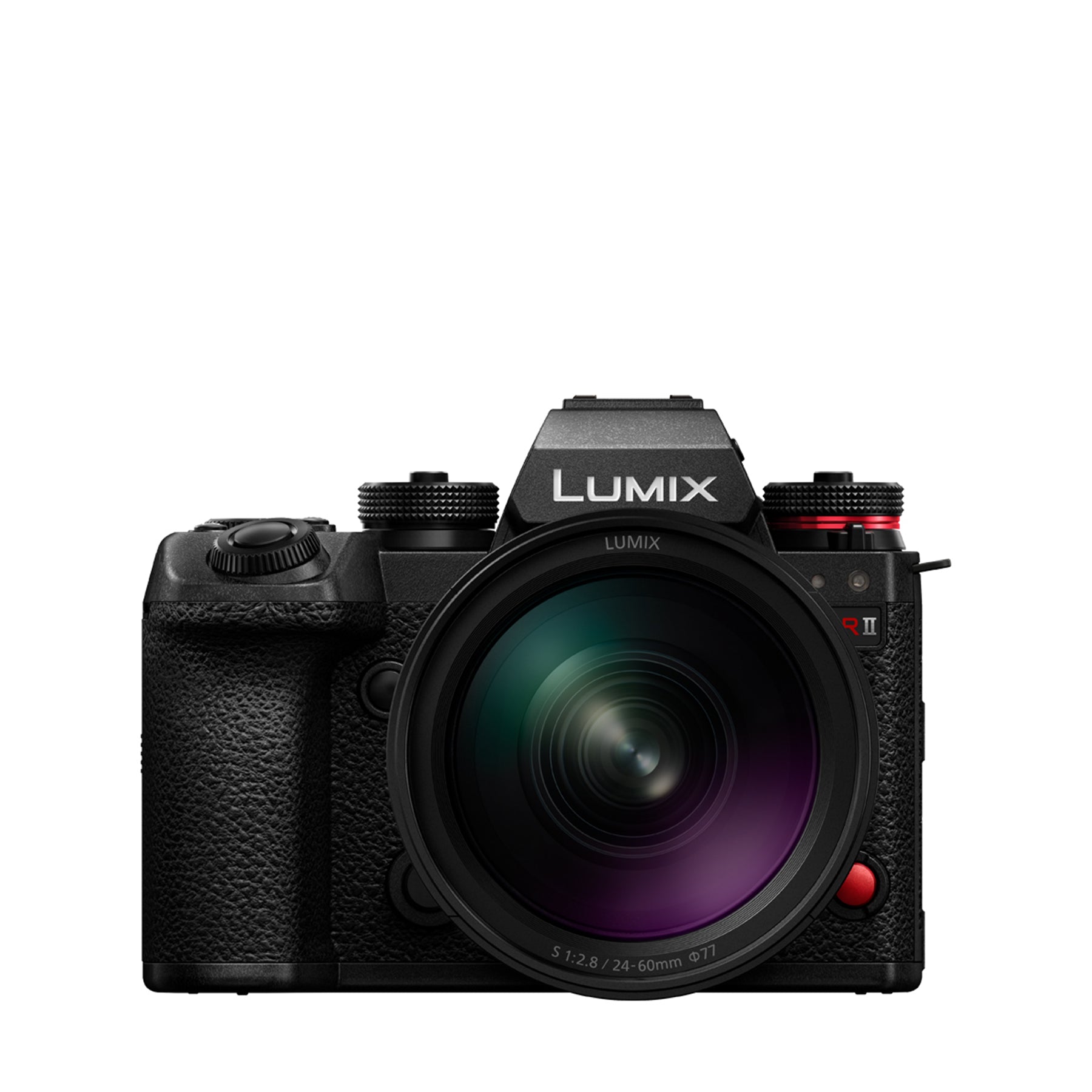

The Panasonic S1R II and the Sony A9 III are two high-performance full-frame mirrorless cameras that cater to different kinds of photographers and videographers. The S1R II is often chosen for its exceptional image quality and versatile video capabilities, appealing to landscape photographers and visual artists who prioritize resolution and detail. On the other hand, the A9 III is geared towards sports and action photographers, boasting an impressive continuous shooting speed and a well-optimized autofocus system, making it ideal for capturing fast-moving subjects. Understanding the distinctions between these two models can help potential buyers determine which camera better meets their specific needs.
Specifications Comparison
Detailed Comparison
Image Quality
Image quality is a crucial aspect for many photographers, particularly those in fields like landscape and portrait photography. The Panasonic S1R II features a 44.3-megapixel full-frame sensor, which delivers remarkable detail and dynamic range, making it excellent for large prints and post-processing. In contrast, the Sony A9 III has a 25-megapixel sensor, which, while still providing high-quality images, does not match the S1R II in terms of resolution. This difference is significant for photographers who often crop their images or require high-detail shots.
Panasonic's image processing capabilities and color rendition also push the S1R II ahead, particularly in challenging lighting conditions. The S1R II offers a 14-stop dynamic range, allowing it to capture fine details in both highlights and shadows. While the A9 III performs admirably, especially in low-light scenarios, its performance isn't quite on par with the S1R II, particularly in terms of detail retention.
For those prioritizing high-resolution images, especially in still photography, the S1R II clearly dominates this category.
Autofocus System
The autofocus system is another critical factor, particularly for action-oriented photography. The Sony A9 III boasts a highly regarded autofocus system with 759 phase-detection points and impressive tracking capabilities, enabling it to lock onto fast-moving subjects quickly and accurately. With its real-time Eye AF technology, the A9 III excels in portrait and wildlife photography, where precise focus is essential.
On the other hand, the Panasonic S1R II has a robust contrast-detect AF system equipped with Depth from Defocus technology. While it's effective and can perform well in a variety of situations, it does not match the lightning-fast performance of the A9 III, particularly during high-speed shooting scenarios.
For photographers focusing on action or sports, the A9 III's superior autofocus capabilities give it a clear edge in this area.
Video Capabilities
Videographers looking for capability will find strong offerings in both cameras. The Panasonic S1R II supports 8K video at 30fps, along with 4K at 120fps, making it a powerful tool for high-resolution video production and slow-motion capture. Its extensive video features, including V-Log recording and 10-bit output via HDMI, cater to filmmakers needing diverse and professional-grade options. However, it lacks some sophisticated video autofocus features, which may be a drawback for some users.
The Sony A9 III, on the other hand, offers 4K video recording at 120fps as well, with advanced video autofocus capabilities that maintain sharp focus while tracking subjects even during dynamic movements. However, the absence of 8K recording may be seen as a limitation for users interested in future-proofing their video work. In summary, while both cameras excel in video, the S1R II edges out for sheer resolution and options, while the A9 III is designed for ease of use in action scenarios.
Build & Ergonomics
Build quality is a crucial aspect for professional photographers, and both cameras offer robust construction. The Panasonic S1R II features a weather-sealed magnesium alloy body, making it durable for outdoor use. Its ergonomics are designed with larger hands in mind, providing a comfortable grip and intuitive button layout.
The Sony A9 III, while also weather-sealed and built with high-quality materials, is slightly smaller and lighter, which can be an advantage during extended shooting sessions. Its electronic viewfinder is an optional feature that adds flexibility, giving photographers a choice based on preference. Both cameras have articulated screens, but the S1R II's options for better viewing angles enhance usability for various shooting setups.
For those who prioritize durability and comfort during long shoots in various conditions, the S1R II might have a slight edge due to its design.
Battery & Storage
Battery life is an essential factor to consider when choosing a camera, especially for long shooting sessions. The Sony A9 III boasts an impressive battery life, allowing for large numbers of shots without frequent recharging, aided by its efficient performance features. It uses dual card slots supporting both CFexpress and SD cards, providing flexibility and speedy data transfer.
In contrast, the Panasonic S1R II, while also featuring dual card slots, has a relatively lesser battery life compared to the A9 III, particularly when shooting in high-resolution or 8K video. If battery longevity and performance under heavy use are critical, the A9 III solidifies its advantage in this area with superior efficiency.
Value for Money
When considering value for money, it's essential to examine what each camera brings at its price point. The Panasonic S1R II, with its higher resolution and advanced video capabilities, particularly in 8K, can be considered a better investment for photographers and filmmakers focused on high image quality and versatility.
However, the Sony A9 III, with its rapid performance, exceptional autofocus system, and robust battery life, offers incredible value for those who prioritize speed and efficiency, particularly in genres like sports and wildlife photography. Its features might appeal more to professionals working in fast-paced environments.
Both cameras represent premium choices in their respective categories, and the perceived value will ultimately depend on the user's specific needs; thus, it may be considered a tie in terms of sheer capabilities but can tip in favor of the S1R II for resolution-focused buyers.
Our Verdict
Overall, the choice between the Panasonic S1R II and the Sony A9 III largely depends on the intended use case. The S1R II excels in image quality, particularly for still photography and high-resolution video, making it an excellent choice for landscape and portrait photographers who prioritize detail. Meanwhile, the A9 III shines in rapid-fire shooting environments, with its superior autofocus system and fast performance, catering especially to sports and wildlife photographers. In summary, the S1R II may be ideal for resolution-centric users, while the A9 III serves those who need speed and efficiency in action.