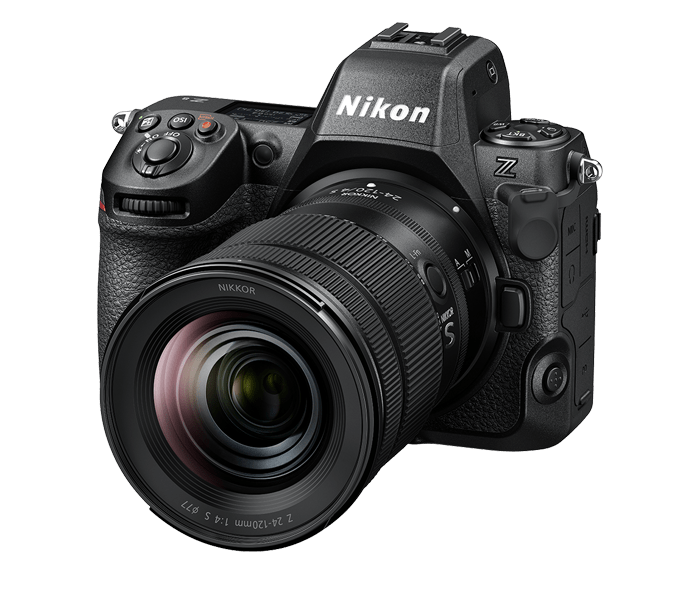
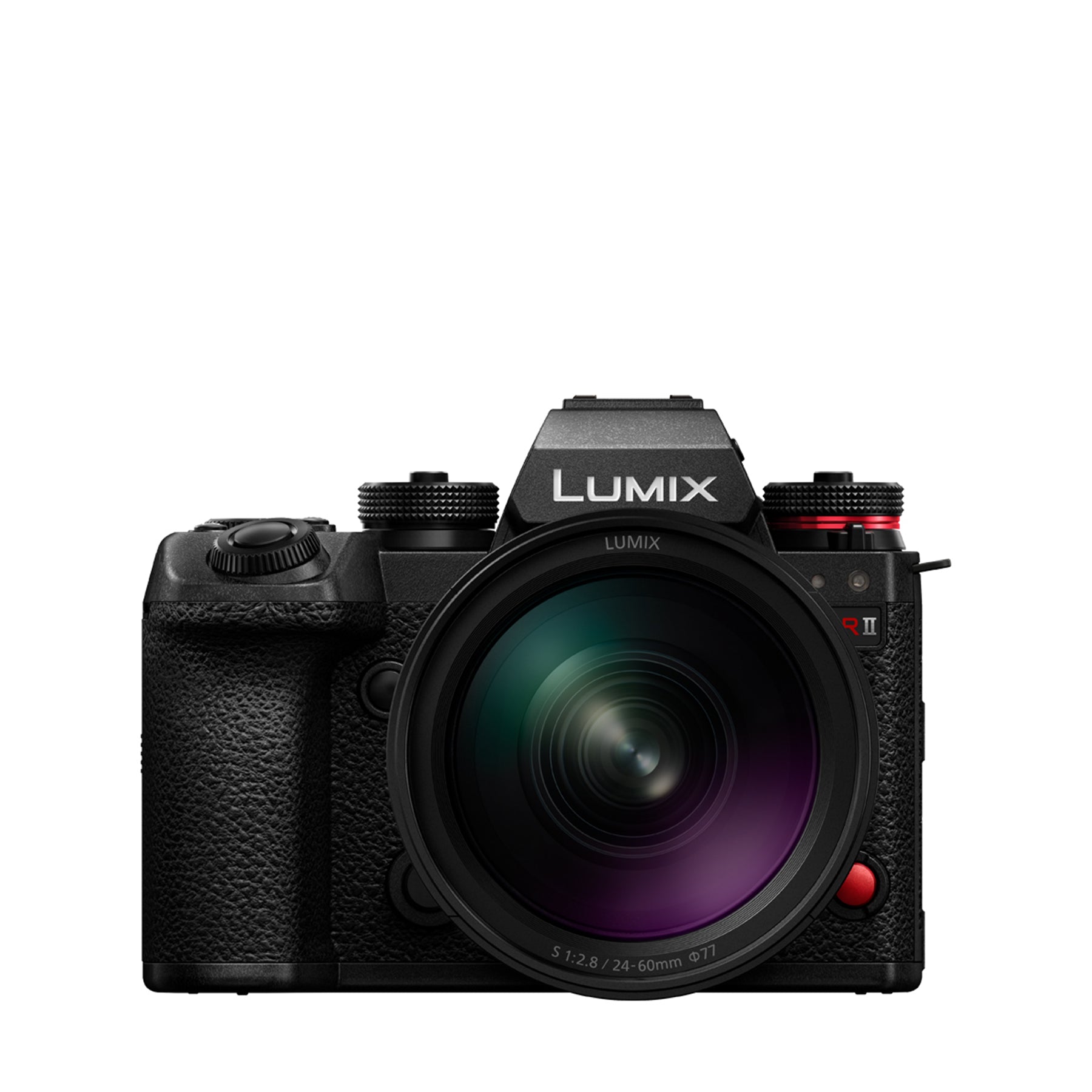
The Nikon Z8 and Panasonic S1R II are two high-end mirrorless cameras that are often compared by professional photographers and serious enthusiasts alike. Both cameras excel in image quality and advanced features, making them suitable for various photography styles, from landscapes to portraits. While both models offer full-frame sensors and impressive specifications, they each come with unique strengths and capabilities that appeal to different user preferences and shooting scenarios. In particular, factors such as video performance, autofocus system, and overall build quality play critical roles in determining which camera might be the better choice for a photographer's specific needs.
Specifications Comparison
Detailed Comparison
Image Quality
The Nikon Z8 features a full-frame sensor with an impressive 46 megapixels, delivering stunning detail and dynamic range. This resolution is particularly advantageous for landscape and commercial photographers who require high levels of detail in their images. The Z8 also employs advanced image processing capabilities that help to manage noise in various lighting conditions, ensuring that images are clean even at higher ISO settings. On the other hand, the Panasonic S1R II offers a slightly lower resolution at 44.3 megapixels; however, it is known for its exceptional color accuracy and tonal gradation, making it a strong contender in the realm of fine art photography. Additionally, both cameras utilize the latest advances in sensor technology to enhance image quality and performance in low light situations.
While the Z8 may slightly edge out the S1R II in sheer resolution, the difference in megapixels might not be significant for all users. Photographers who primarily shoot for web or smaller prints may find the S1R II's performance more than adequate in terms of image quality, especially in color reproduction. Ultimately, both cameras provide excellent image quality, but the specific requirements around resolution and color fidelity may sway users toward one model over the other.
Autofocus System
The Nikon Z8 boasts an impressive autofocus system with 493 focus points, providing an extensive coverage that enhances tracking capabilities, especially with moving subjects. This makes it ideal for sports and wildlife photography, where capturing fast-moving subjects is crucial. Additionally, the Z8 includes features such as eye detection and subject tracking, which contribute to its reputation for reliable autofocus performance. In contrast, the Panasonic S1R II has a robust autofocus system as well, although it does not provide the same number of focus points, which may limit tracking speed and accuracy in certain situations.
While the S1R II's autofocus performance has improved since its initial release, it can still be less reliable than the Z8 under rapid shooting conditions. Users have noted that the Z8's ability to adapt to various scenes and lighting conditions often results in more accurately focused shots. Therefore, for photographers who prioritize autofocus speed and versatility, the Z8 presents a more compelling option compared to the S1R II.
Video Capabilities
In terms of video capabilities, the Nikon Z8 shines with its ability to record 4K video at 120 fps, making it a strong choice for videographers who want to create fluid, high-frame-rate content. This feature combined with its electronic viewfinder, allows for seamless transition between photography and videography, catering to hybrid shooters who might want both functionalities. The Z8 also benefits from internal recording in 10-bit color depth, providing a greater range for post-production color grading.
The Panasonic S1R II, however, excels in video resolution with its ability to record 8K video at 30 fps alongside 4K at 120 fps. This opens up editing options, allowing for extensive cropping or re-framing without significant loss in quality. Yet, 8K recording can lead to overheating concerns in certain conditions, which might be a drawback for long-duration shoots. The video capabilities of both cameras are impressive and cater to different needs; the S1R II might be the better choice for those prioritizing resolution, while the Z8 offers superior practicality for real-time video shooting. Ultimately, the right choice may depend on the user's specific video requirements.
Build & Ergonomics
The Nikon Z8 features a sturdy build with a weather-sealed design, providing robustness and reliability in adverse conditions. Weighing in at 910g, it is relatively lightweight, especially for a camera with such high specifications, which enhances portability for users who may spend extended periods shooting outdoors. The ergonomics are well-thought-out, with a comfortable grip and intuitive controls that allow photographers to operate the camera with ease.
Conversely, the Panasonic S1R II also offers an impressive build quality, but its slightly heavier weight may deter some users looking for optimal portability. The S1R II is also weather-sealed, ensuring longevity in various shooting environments. The layout of buttons and dials on the S1R II is designed to facilitate smooth handling, although some users may find it less intuitive than the Z8's setup after prolonged usage. Ultimately, both cameras are well-built, but those who prefer a lighter body with more user-friendly ergonomics may lean towards the Nikon Z8.
Battery & Storage
The Nikon Z8 features a solid battery life, capable of capturing approximately 340 shots on a single charge. This is often a crucial factor for photographers on longer shoots or when out in the field. Additionally, the Z8 supports dual card slots, allowing for ample storage and improved backup options during critical shoots. The use of CFexpress Type B cards further enhances write speeds, especially when recording high-quality video.
The Panasonic S1R II, although slightly better in terms of battery life, offers a competitive shot count and dual card slots as well. Both cameras support high-capacity storage for video and high-resolution images. Users should factor in battery performance based on their typical use cases; however, the differences are relatively minor, making it less of a deciding factor when choosing between the two. Overall, both cameras provide solid battery and storage options suitable for demanding photography needs.
Value for Money
The Nikon Z8 is priced at $3999, reflecting its position as a flagship camera with cutting-edge technology and features. Considering its resolution, autofocus capabilities, and robust video performance, many professional photographers might find this investment justified. The added benefits of better ergonomics and weather sealing also enhance its value proposition for serious shooters.
The Panasonic S1R II may come at a similar price point, offering impressive specs such as 8K video, which is enticing for videographers. However, the overall functionality may be less appealing for a more traditional photography-centric user, particularly those who prioritize autofocus accuracy. Both models present strong value in their respective strengths, but the decision may finally rest on the specific needs of the photographer, whether they hinge more toward video capabilities or traditional photo-centric features. This makes it a challenging comparison to declare a definitive winner, as both cameras provide excellent value in their niches.
Our Verdict
Overall, the Nikon Z8 stands out as the winner in this comparison due to its superior autofocus performance, ergonomic advantages, and practical video capabilities. It is particularly suited for photographers who require fast, reliable autofocus and impressive image quality in diverse shooting scenarios. The Panasonic S1R II remains a strong contender, especially for those who value higher video resolution and slightly different aesthetic outputs. Ultimately, the best choice between these two cameras will depend on individual shooting preferences, whether for photography-focused needs or more extensive videography requirements.
Nikon Z8
Panasonic S1R II
Also Compare
Frequently Asked Questions
Which camera has better autofocus performance?
The Nikon Z8 has 493 autofocus points, offering superior tracking capabilities compared to the Panasonic S1R II, making it the better option for fast action shooting.
Is the video quality better on the Z8 or S1R II?
While the S1R II excels in 8K video resolution, the Z8 offers practical 4K 120p recording with superior usability, especially for hybrid shooters.
Which camera is better for landscape photography?
The Nikon Z8's 46 megapixels provide slightly higher resolution images, making it a preferable choice for landscape photographers seeking maximum detail.
How do these cameras perform in low light?
Both cameras perform well in low light situations, but the Z8 may handle noise better at higher ISO settings due to its advanced image processing.
Pricing - Does one offer better value?
The pricing of both is similar, but depending on requirements, the Z8 may provide better value for photographers due to its superior autofocus and ergonomics.