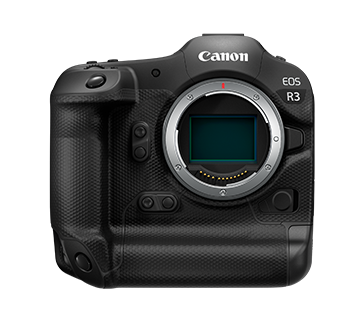
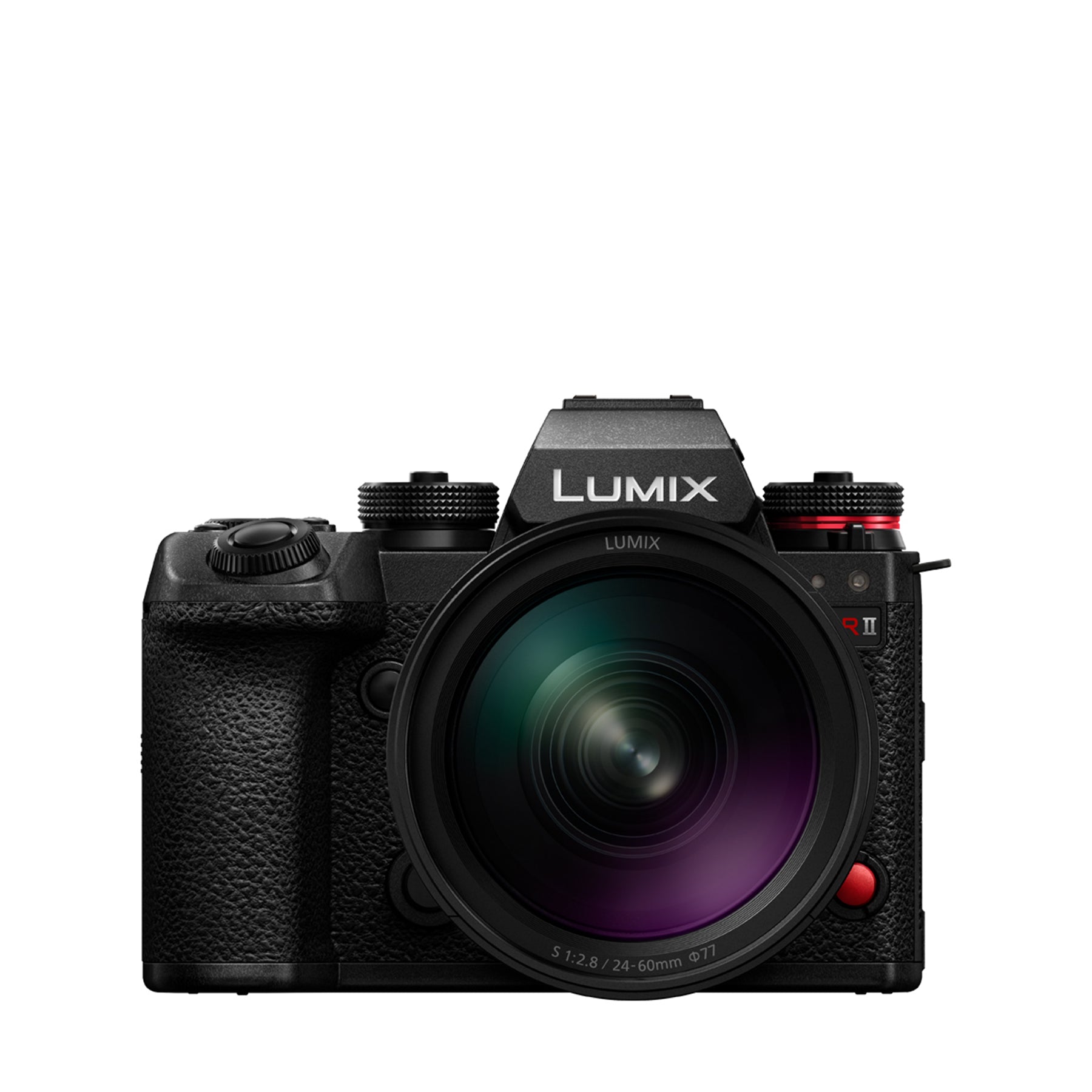
The Canon EOS R3 and Panasonic S1R II are two powerhouse cameras that cater to professional photographers and videographers alike. Both cameras feature full-frame sensors, offering exceptional image quality and performance. The Canon EOS R3 is particularly well-known for its advanced autofocus system and high-speed shooting capabilities, making it a popular choice for sports and wildlife photographers. Conversely, the Panasonic S1R II stands out with its impressive resolution and video capabilities, appealing to those who prioritize high-detail images and versatile video recording options. These differences in functionality and design make the R3 and S1R II frequently compared by potential buyers who are weighing their specialized needs in photography and videography against each camera's strengths.
Specifications Comparison
Detailed Comparison
Image Quality
The Canon EOS R3 features a 24-megapixel sensor, which strikes a balance between resolution and low-light performance. This sensor provides excellent dynamic range and color accuracy, making it versatile for various shooting scenarios. The R3 also has an ISO range that extends from 100 to 102400, expandable up to 204800, allowing for stellar low-light capabilities. On the other hand, the Panasonic S1R II excels with a significantly higher resolution of 44.3 megapixels, providing an abundance of detail suitable for large prints and cropping flexibility. The S1R II's full-frame sensor is noted for its excellent handling of highlight and shadow details, particularly in well-lit conditions. While the R3 performs admirably, its lower megapixel count can be a limitation for those requiring extreme detail. Overall, for pure image quality and resolution, the S1R II takes the lead.
Autofocus System
Autofocus is a vital feature in any modern camera, and the Canon EOS R3 stands out with its impressive 1053 autofocus points, which provide near-full coverage across the frame. This sophisticated Dual Pixel CMOS AF II system enables rapid and accurate focus acquisition, essential for fast-moving subjects. It also features subject detection for people and animals, making it ideal for sports and wildlife photography. In contrast, the Panasonic S1R II utilizes a contrast-detection focus system that, while decent, is limited compared to the R3's subject tracking capabilities. The S1R II has a smaller number of focus points and can struggle in scenarios with complex movement. As such, the focus system of the R3 provides a significant advantage in dynamic shooting environments.
Video Capabilities
When it comes to video, both cameras offer impressive features, but they cater to different needs. The Canon EOS R3 supports 4K video recording up to 120 frames per second, providing smooth slow-motion capabilities and high-quality footage for cinematic projects. Additionally, it integrates advanced features such as C-Log for color grading, which many filmmakers appreciate. Meanwhile, the Panasonic S1R II takes it a step further, offering both 8K 30p and 4K 120p recording options, making it a more versatile tool for videographers who demand the highest resolution possible. The ability to capture 8K footage allows for extensive post-production cropping without losing detail, a distinct advantage for professional video production. Hence, in terms of raw video versatility and high resolution, the S1R II edges ahead.
Build & Ergonomics
Both the Canon EOS R3 and the Panasonic S1R II boast robust builds with weather-sealed designs, making them suitable for professional use in various conditions. The R3 features a slightly lighter body at 1015g compared to the S1R II, which doesn't compromise too much in durability. The R3 also boasts a well-designed grip and intuitive controls, which is valued among photographers who spend long hours shooting. The S1R II, while heavier, offers a high-resolution EVF and a fully articulating screen, geared towards videographers as well as photographers. The weight difference might be a consideration for users planning extensive handheld use, whereas both offer competent ergonomics. Overall, this category might be considered a tie, as personal preference plays a significant role in comfort and usability.
Battery & Storage
The Canon EOS R3 is designed for endurance, with a battery life rated at approximately 760 shots, which is relatively robust for mirrorless cameras. It utilizes dual memory card slots (CFexpress and SD) allowing for high-speed continuous shooting and ample storage capabilities. The Panasonic S1R II utilizes a larger battery, which contributes to a higher shot count, especially when recording high-resolution video, although specific figures for still photography may vary based on usage. The dual SD card slots in the S1R II cater well to videographers and photographers who require extensive storage options. In this section, while the S1R II offers commendable solutions, the R3's efficiency and combined storage capabilities might give it a slight edge.
Value for Money
Value considerations often reflect not only initial purchase price but also the camera's capabilities and target market. The Canon EOS R3 comes in at a price of $5999, making it accessible to professionals who need fast performance and superior autofocus. This is a direct investment for action photographers and those looking for top-tier performance in a compact package. In contrast, the Panasonic S1R II, with its advanced resolution and video capabilities, tends to emphasize detail-oriented photography and videography, which may justify its pricing structure for those who need those specific attributes. The S1R II offers great quality for the price but might not be the best choice for rapidly moving subjects due to autofocus limitations. In general, while both can be seen as premium offerings, the best value hinges on one's specific photography or videography requirements.
Lens Ecosystem
Both Canon and Panasonic have invested in their lens ecosystems, which are crucial for enhancing the performance of their respective mirrorless systems. Canon's RF mount has a growing collection of high-quality lenses, particularly with various fast primes and versatile zoom lenses. The ecosystem's rapid growth opens up a wide range of creative possibilities. Panasonic, under the L-Mount alliance with Sigma and Leica, offers a diverse selection of lenses that cater to high-resolution photography, making it a strong competitor. However, due to Canon's close tie with developers and consistent updates, their ecosystem is often perceived as more robust and user-friendly. While both systems have strengths, Canon's RF lens lineup appears to be more compelling at this moment, particularly for those heavily invested in the speed of autofocus and optical performance.
Our Verdict
In conclusion, while both the Canon EOS R3 and Panasonic S1R II are exceptional cameras in their own right, the Canon EOS R3 emerges as the overall winner due to its superior autofocus performance and versatility in fast-paced shooting environments. It is an excellent choice for sports and wildlife photographers who prioritize speed and accuracy. On the other hand, the Panasonic S1R II excels in resolution and video capabilities, making it the ideal option for those who focus more on shooting high-detail images and video productions. Ultimately, potential buyers should consider their specific needs and the types of photography or videography they wish to pursue when choosing between these two flagship models.
Canon EOS R3
Panasonic S1R II
Also Compare
Frequently Asked Questions
Which camera is better for sports photography?
The Canon EOS R3 is better for sports photography due to its advanced autofocus system and high burst rate, enabling capture of fast-moving subjects.
Which camera has better video capabilities?
The Panasonic S1R II offers superior video capabilities with 8K recording, making it suitable for high-end video production needs.
Is the higher resolution of the S1R II worth it?
If you require large print capabilities or extensive cropping, the S1R II's 44.3 megapixels can be beneficial, especially for landscape and studio photography.
How do the lens ecosystems compare?
Canon's RF lens ecosystem is rapidly growing, providing a wide array of options. Panasonic's L-Mount alliance offers diverse and high-quality options too, but Canon's reputation may tip the scale for some users.
Which camera has better battery life?
The Canon EOS R3 has decent battery life rated at 760 shots, while the Panasonic S1R II's larger battery may provide extended performance under video usage.