Overview
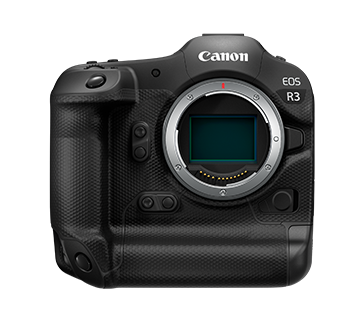
The Canon EOS R3 is a flagship model within Canon's mirrorless lineup, aimed primarily at professional photographers and videographers specializing in fast-paced environments such as sports and wildlife. Launched in 2021, this full-frame camera packs an impressive set of features designed to elevate high-action photography, boasting a 24-megapixel sensor, rapid shooting capabilities of up to 30 frames per second, and exceptional autofocus performance. With a starting price of $5,999, the EOS R3 stands as a formidable competitor to both the Sony A9 II and Nikon Z9, delivering cutting-edge technology tailored for professionals who demand reliability and speed in their equipment.
Key excerpts from the user community highlight the EOS R3's standout attributes, notably the innovative eye-controlled autofocus system that adapts to the user’s gaze, making subject tracking not only possible but also intuitive. Furthermore, its weather-sealed build ensures durability in various shooting conditions, appealing to outdoor photographers who frequently work in challenging environments. Overall, despite its premium price tag, the Canon EOS R3 positions itself as a benchmark for high-performance hybrid cameras, combining robustness with remarkable technological feats.
Image Quality
The Canon EOS R3 features a full-frame 24-megapixel sensor, striking a balance between detailed imaging and efficient file sizes. The image quality produced by the R3 is remarkable, delivering rich colors and impressive dynamic range. Even in challenging lighting conditions, the ISO performance of this camera shines, allowing users to utilize settings as high as 102,400 (expandable to 204,800) with minimal noise. This makes it an excellent choice for low-light environments such as indoor sports or events.
Users on Reddit have expressed their satisfaction with the low-light capabilities, with one noting, 'I did notice a difference though between RF and EF glass... autofocus is absolutely insane.' This highlights the synergy between the R3’s sensor and Canon's RF lenses, enhancing overall image output. Color accuracy and tonal gradation are enhanced, ensuring that even the finest details are captured beautifully.
When comparing the R3's image quality to competitors, the Sony A9 II offers a similar 24MP sensor but may lean towards higher pixel counts in certain scenarios due to its more aggressive color science. Nevertheless, the EOS R3's JPEG processing and RAW post-processing capabilities stand rival with larger megapixel count competitors, ensuring professional-grade deliverables in every frame.
What Users Say
'Eye Control is the future unless I can implant a chip into my brain'
-- Reddit community
Autofocus Performance
One of the standout features of the Canon EOS R3 is its groundbreaking eye-controlled autofocus (ECM) system, which allows users to select subjects just by looking at them through the viewfinder. This innovation has received enthusiastic praise, with users noting its adaptability to personal preferences. The R3 boasts an astounding 1,053 autofocus points, ensuring precise tracking even in fast-paced scenarios.
This advanced autofocus system performs exceptionally well under varying conditions, particularly with wide apertures where its accuracy remains stable. However, some users have reported instances of drifting autofocus when subjects move erratically or in complex scenes. Despite these occasional quirks, many professionals regard the autofocus system as a game-changer, especially for wildlife or sports photography.
For video shooters, the autofocus capabilities carry over into video mode, maintaining lock on subjects while providing smooth transitions and minimal focus hunting. This segregates the R3 from its competitors, such as the Nikon Z9, which, while equipped with sturdy autofocus, does not currently offer a similar eye-tracking feature. Canon's autofocus has consistently set a high bar, and the R3 continues that legacy.
What Users Say
'It's a budget cinematographers dream camera.'
-- Reddit community
Build Quality & Ergonomics
The Canon EOS R3 features an ergonomic design that prioritizes comfort and functionality, especially for users with larger hands. The build quality is robust, with a weather-sealed body ensuring durability against adverse conditions – a notable asset for outdoor professionals. Users have praised its grip as feeling secure during extended shooting sessions, allowing for confident handling whether on the sidelines of a sports event or out in the wilderness.
Additionally, some users cite the weight (1,015g) and size (150 x 143 x 87 mm) as potential downsides, particularly compared to other mirrorless offerings like the smaller Sony A7 series. However, others have found that the added heft contributes positively to stability, especially when using larger lenses, making it a worthy companion for serious shooters.
The R3 maximizes usability with various physical buttons and customizable dials, though the interface can sometimes present a learning curve for first-time users. While Canon has improved on the earlier menu systems, some still find it less intuitive than competitors. Nonetheless, many users ultimately appreciate the tactile engagement offered by the camera’s controls, particularly in demanding shooting situations.
Video Capabilities
With the ability to shoot 4K video at up to 120 frames per second, the Canon EOS R3 empowers videographers to create stunning cinematic content. The footage is sharp, detailed, and showcases Canon’s rich color science. This video capability positions it favorably against its closest rivals like the Sony A9 II and Nikon Z9, both of which also provide high-quality video recording options.
However, it's important to note some limitations regarding recording duration; users have faced issues with overheating, particularly when capturing at high frame rates for extended periods. While the R3 supports 6K video output via HDMI, this feature may not be fully realized without external equipment, prompting some users to seek alternatives for more extensive projects.
So, while the EOS R3 offers impressive video specs, potential buyers should weigh these limitations against their specific needs. For those primarily focused on high-speed, high-quality video, this camera proves to be a worthwhile investment. Comments in the community reveal appreciation for its capabilities; as one user noted, 'You will be glad you did.'
Battery Life & Storage
When it comes to battery life, the Canon EOS R3 excels with an estimated 760 shots per charge, which can extend beyond 1,300 shots in practical user scenarios. This impressive performance is crucial for professionals who often find themselves shooting in dynamic environments where battery changes may not be feasible. Users can confidently rely on the R3 throughout long events or shoots without constantly monitoring battery levels.
In regard to storage, the R3 offers dual CFexpress Type B slots providing high-speed read and write capabilities. This is essential for photographers and videographers aiming to capture extensive burst shots or high-resolution video footage without waiting for buffer clears. Dual card slots also add redundancy, ensuring that data loss during shoots is minimized, a vital feature for professionals in the field.
Comparing this to competitors, both the Sony A9 II and Nikon Z9 also align closely with dual card setups; however, the R3's superior battery life allows it to outperform these models in prolonged usage scenarios, which is often a deciding factor among working professionals.
Value for Money
Priced at $5,999, the Canon EOS R3 positions itself in the high-end segment of the camera market, prompting some users to question its value especially considering offerings like the Canon R5. While some features overlap, the R3 is engineered specifically for high-speed photography, sport, and wildlife applications, suggesting that its worth is most evident for those who frequently operate in these domains.
It's crucial for potential buyers to consider their primary use cases. For those who prioritize speed, autofocus accuracy, and robust build, the R3's premium price may be justified. A user commented, 'Get a used R3. It's not old tech at all,' which reflects the sentiment that while it commands a high price, the technical offerings provide substantial returns for dedicated shooters.
Ultimately, the EOS R3 offers a compelling argument for those entrenched in high-demand shooting environments. However, for casual users or those focused on still photography without the need for high frame rates, other models may provide better cost efficiency without sacrificing performance.
Key Specifications
| ISO Range | Auto, 100-102400 (expands to 50-204800) |
| Stabilization | 8 stop(s) |
| Viewfinder | Electronic |
Pros & Cons
Pros
- Outstanding eye-controlled autofocus system.
- Exceptional low-light performance with high ISO capabilities.
- Fast continuous shooting at 30 frames per second.
- Rugged and durable weather-sealed body.
- Impressive battery life lasting over 1,300 shots in practice.
Cons
- Autofocus can drift in complex scenes.
- Size and weight may be cumbersome for some users.
- Learning curve with menus and software interface.
- Limited internal 4K recording duration due to overheating.
- High cost compared to similar models.
Verdict
Canon EOS R3
The Canon EOS R3 is a powerful mirrorless camera that excels in fast-paced photography and video production. It is particularly recommended for professional wildlife and sports photographers seeking cutting-edge technology and exceptional performance. However, its substantial price tag, weight, and limited video recording duration may deter casual users and videographers focusing on other genres. For those who can capitalize on its features, the R3 is a worthy investment, while others may find suitable alternatives within Canon’s ecosystem or competing brands.
Frequently Asked Questions
What is the autofocus capability of the Canon EOS R3?
The R3 features an advanced autofocus system with 1,053 points, including eye-controlled autofocus for tracking subjects effectively.
How does the image quality perform in low-light situations?
The R3 delivers excellent low-light performance, supporting ISO settings up to 102,400 and maintaining minimal noise, making it suitable for night or indoor shooting.
Can the R3 record 4K video at high frame rates?
Yes, the EOS R3 can shoot 4K video at up to 120 frames per second, offering filmmakers high-quality output and creative flexibility.
What is the battery life like for the R3?
The Canon EOS R3 boasts a robust battery life, capable of shooting around 760 shots per charge, with real-world performance often exceeding 1,300 shots.
What are the physical dimensions and weight of the Canon EOS R3?
The EOS R3 measures 150 x 143 x 87 mm and weighs approximately 1,015 grams, making it slightly heavier than some other mirrorless options on the market.
Is the Canon EOS R3 worth the investment for amateur photographers?
While the R3 is a top-tier camera designed for professionals, amateur photographers might find better value in lower-priced models unless they specifically require its unique features.
Compare This Camera
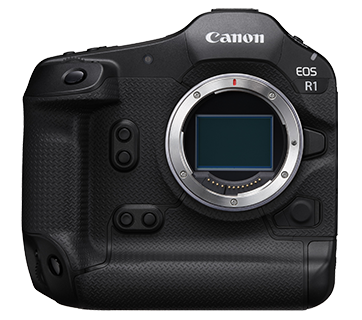
Canon EOS R3 vs Canon EOS R1
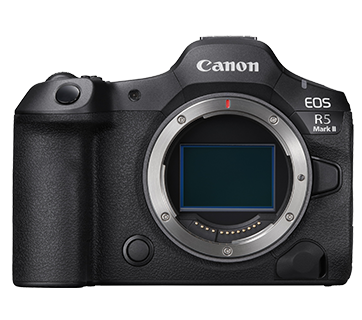
Canon EOS R3 vs Canon EOS R5 Mark II
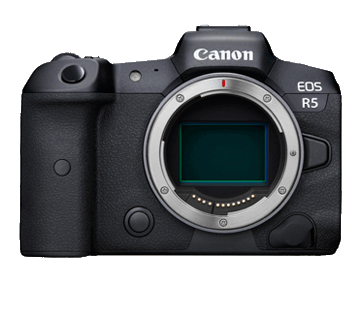
Canon EOS R3 vs Canon EOS R5
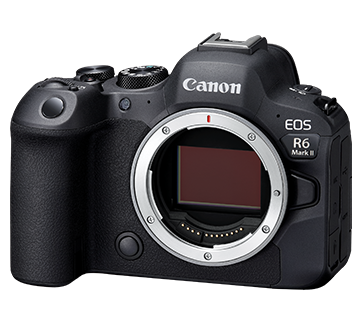
Canon EOS R3 vs Canon EOS R6 Mark II
Canon EOS R3 vs Canon EOS R6 Mark III
Canon EOS R3 vs Canon EOS R8
Canon EOS R3 vs Canon EOS RP
Canon EOS R3 vs Nikon Z5
Canon EOS R3 vs Nikon Z5II
Canon EOS R3 vs Nikon Z6 II
Canon EOS R3 vs Nikon Z6
Canon EOS R3 vs Nikon Z6III
Canon EOS R3 vs Nikon Z7 II
Canon EOS R3 vs Nikon Z7
Canon EOS R3 vs Nikon Z8
Canon EOS R3 vs Nikon Z9
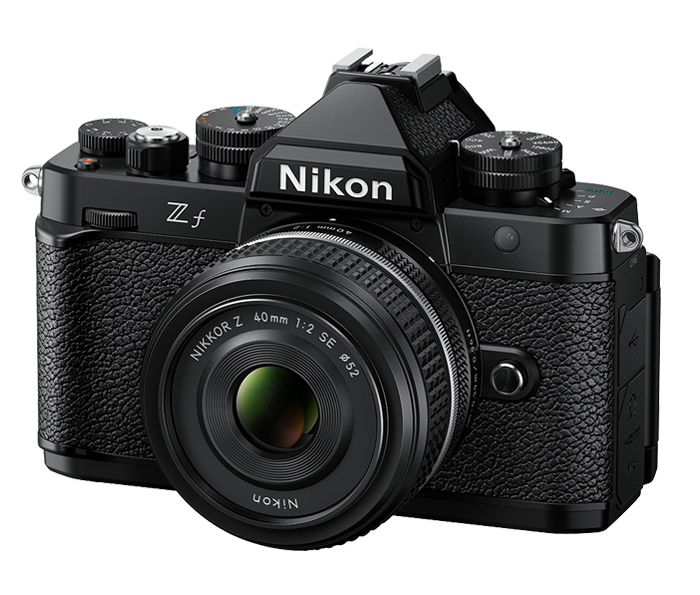
Canon EOS R3 vs Nikon Zf
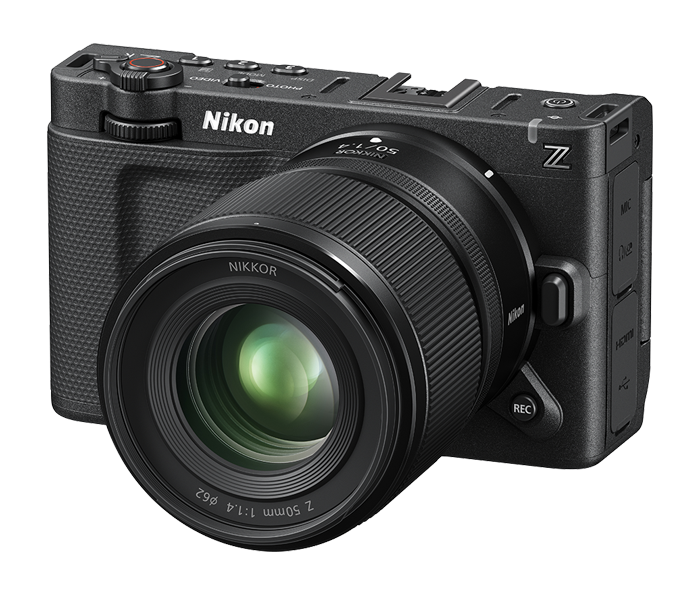
Canon EOS R3 vs Nikon ZR
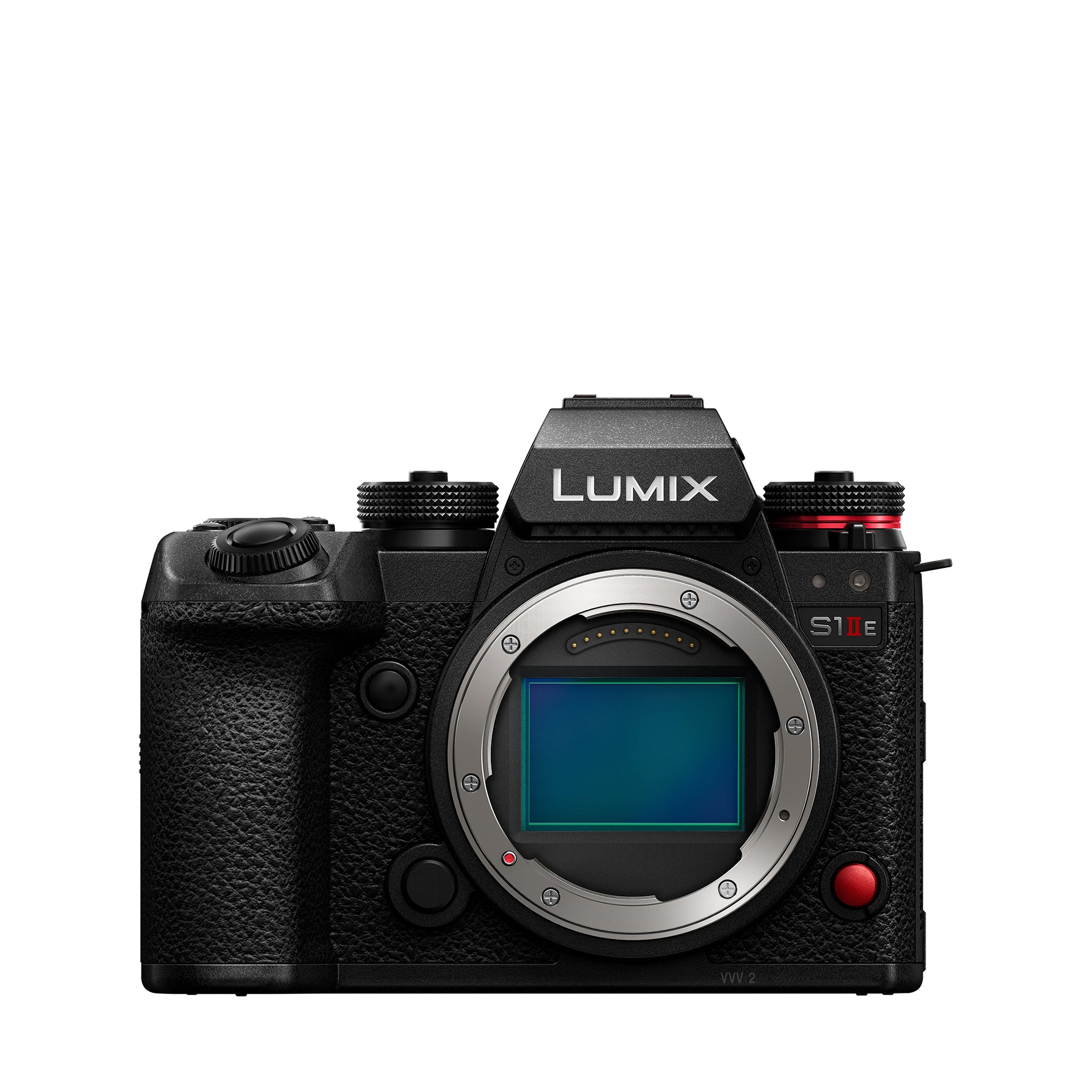
Canon EOS R3 vs Panasonic S1 II E
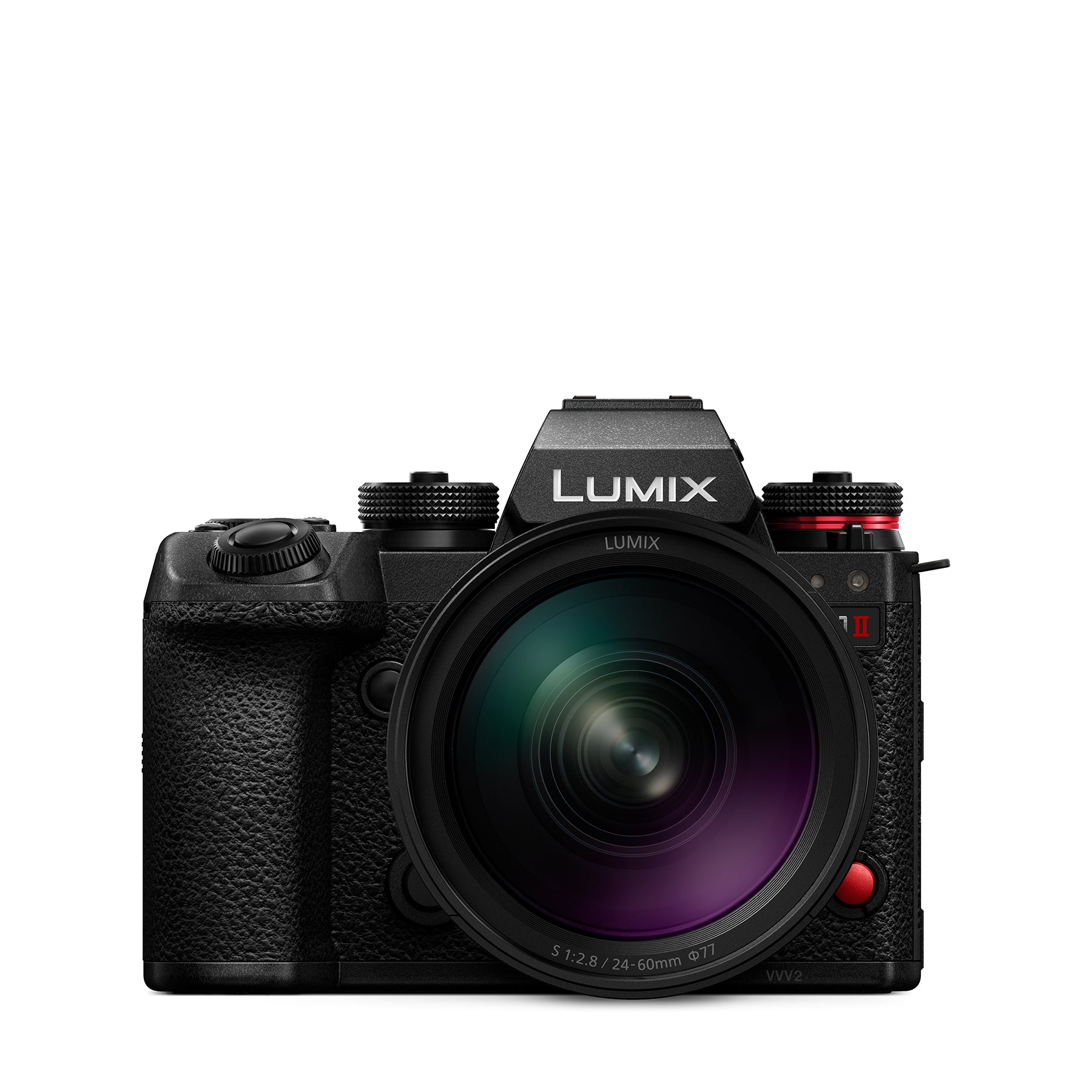
Canon EOS R3 vs Panasonic S1 II
Canon EOS R3 vs Panasonic S1R II
Canon EOS R3 vs Panasonic S9
Canon EOS R3 vs Sony A1
Canon EOS R3 vs Sony A7 III
Canon EOS R3 vs Sony A7 IV
Canon EOS R3 vs Sony A7C II
Canon EOS R3 vs Sony A7C
Canon EOS R3 vs Sony A7R IV
Canon EOS R3 vs Sony A7R V
Canon EOS R3 vs Sony A7S III
Canon EOS R3 vs Sony A9 II
Canon EOS R3 vs Sony A9 III
Canon EOS R3 vs Sony ZV-E1
Compatible Lenses
RF 10-20mm f/4L IS STM
lens
RF 100-300mm f/2.8L IS USM
lens
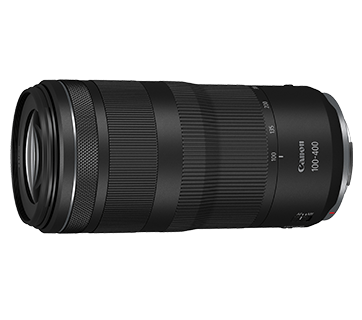
RF 100-400mm f/5.6-8 IS USM
lens
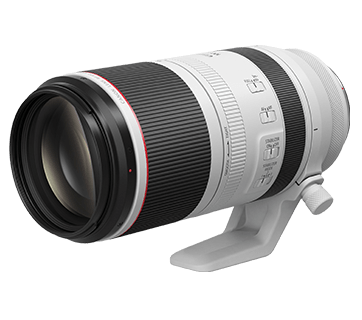
RF 100-500mm f/4.5-7.1L IS USM
lens
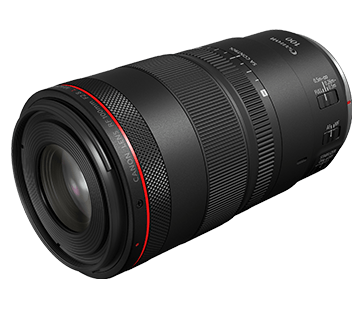
RF 100mm f/2.8L MACRO IS USM
lens
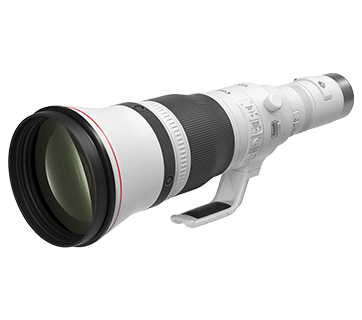
RF 1200mm f/8L IS USM
lens
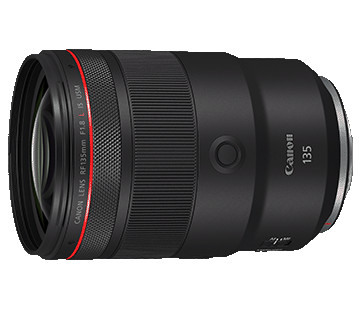
RF 135mm f/1.8L IS USM
lens
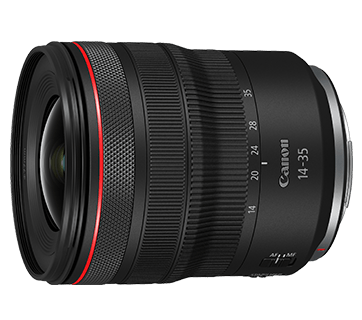
RF 14-35mm f/4L IS USM
lens
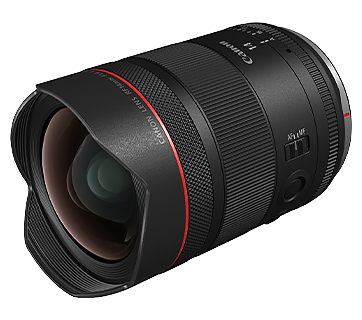
RF 14mm f/1.4L VCM
lens
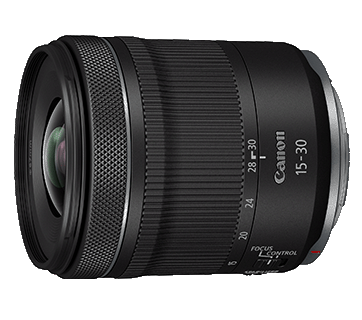
RF 15-30mm f/4.5-6.3 IS STM
lens
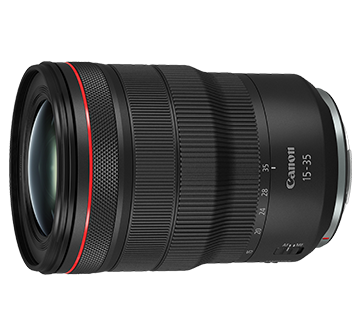
RF 15-35mm f/2.8L IS USM
lens
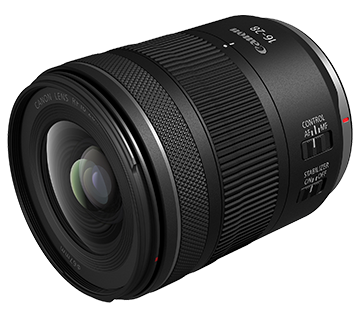
RF 16-28mm f/2.8 IS STM
lens
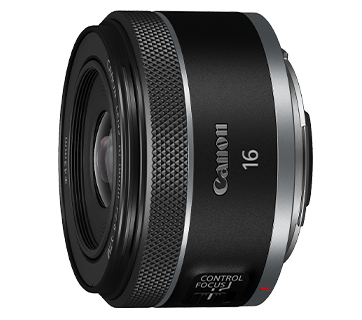
RF 16mm f/2.8 STM
lens
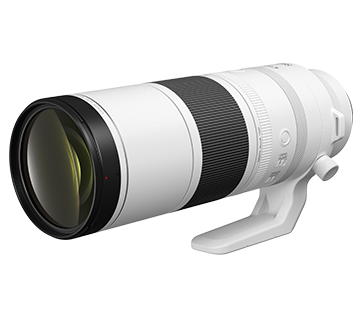
RF 200-800mm f/6.3-9 IS USM
lens
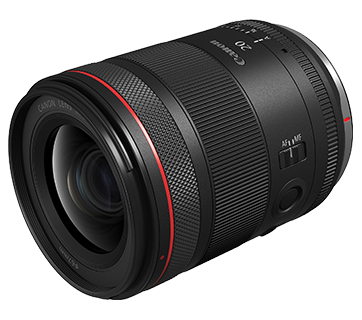
RF 20mm f/1.4L VCM
lens
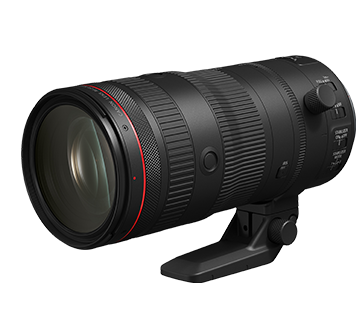
RF 24-105mm f/2.8L IS USM Z
lens
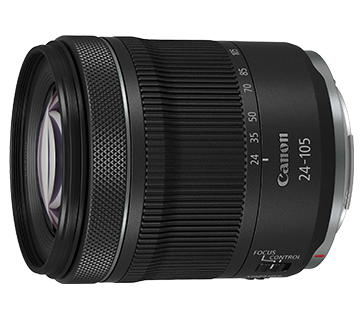
RF 24-105mm f/4-7.1 IS STM
lens
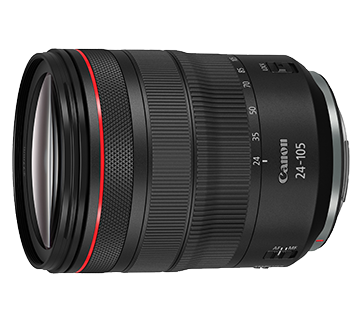
RF 24-105mm f/4L IS USM
lens
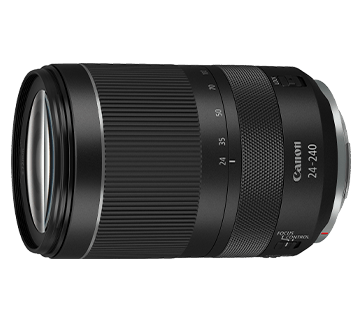
RF 24-240mm f/4-6.3 IS USM
lens
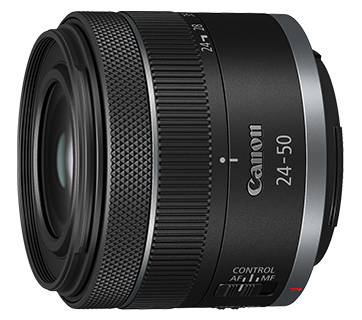
RF 24-50mm f/4.5-6.3 IS STM
lens
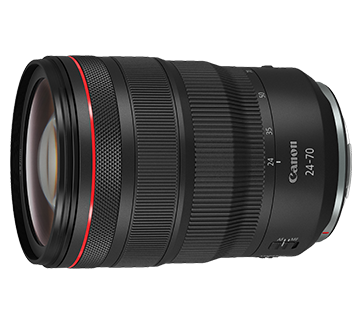
RF 24-70mm f/2.8L IS USM
lens
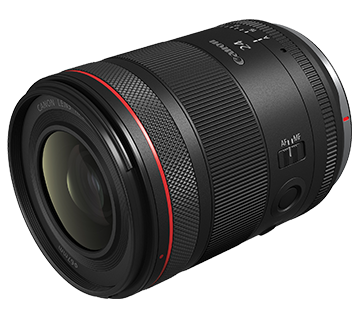
RF 24mm f/1.4L VCM
lens
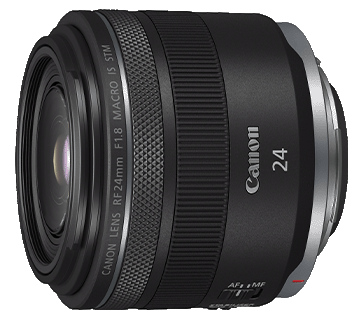
RF 24mm f/1.8 MACRO IS STM
lens

RF 28-70mm f/2.8 IS STM
lens
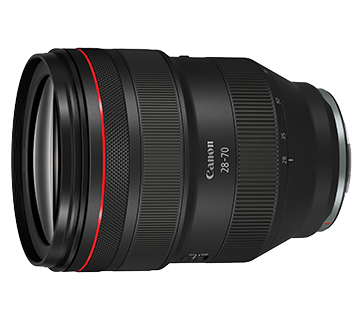
RF 28-70mm f/2L USM
lens
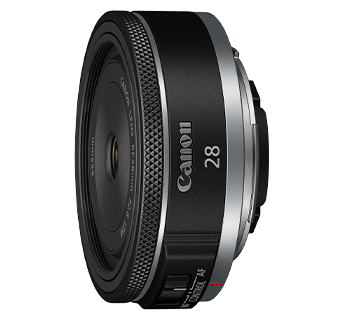
RF 28mm f/2.8 STM
lens

RF 35mm f/1.4L VCM
lens
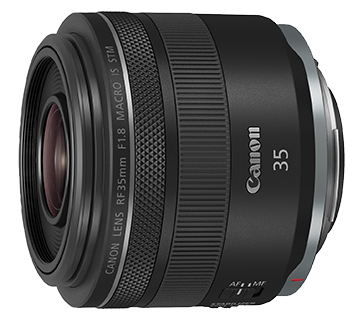
RF 35mm f/1.8 Macro IS STM
lens
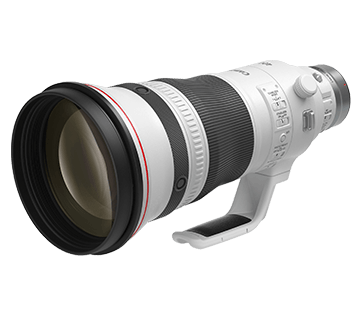
RF 400mm f/2.8L IS USM
lens
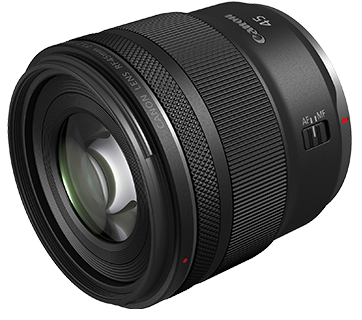
RF 45mm f/1.2 STM
lens
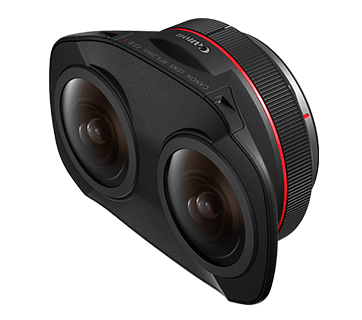
RF 5.2mm f/2.8L Dual Fisheye
lens
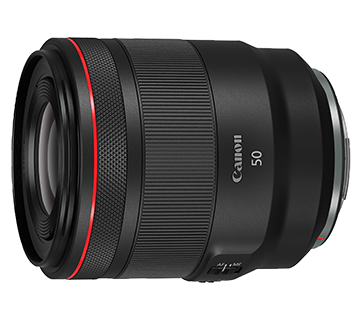
RF 50mm f/1.2L USM
lens
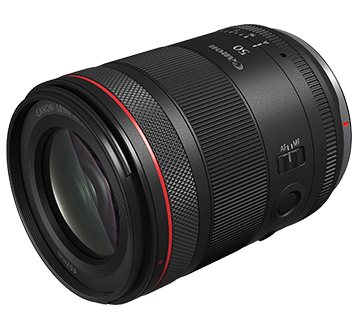
RF 50mm f/1.4L VCM
lens
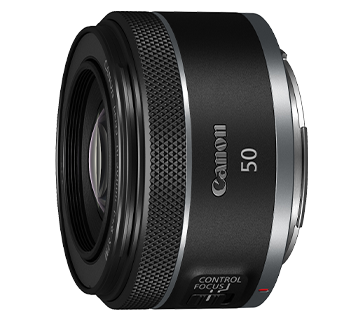
RF 50mm f/1.8 STM
lens
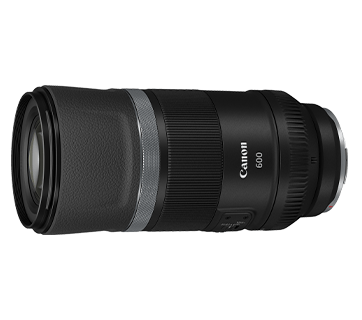
RF 600mm f/11 IS STM
lens
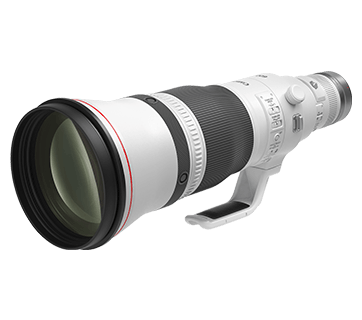
RF 600mm f/4L IS USM
lens
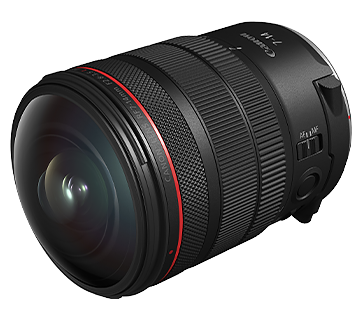
RF 7-14mm f/2.8-3.5L Fisheye STM
lens
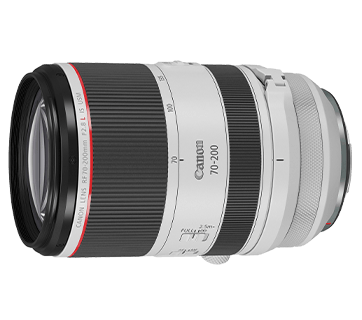
RF 70-200mm f/2.8L IS USM
lens
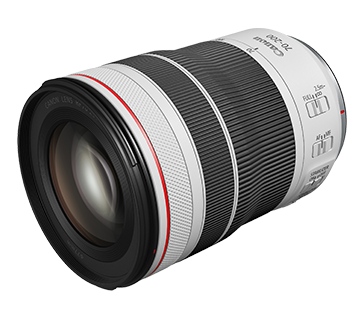
RF 70-200mm f/4L IS USM
lens
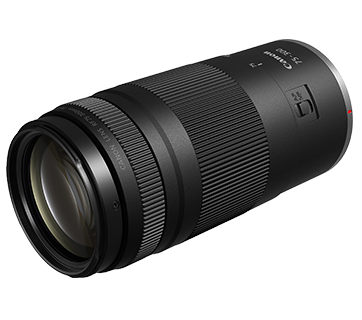
RF 75-300mm f/4-5.6
lens
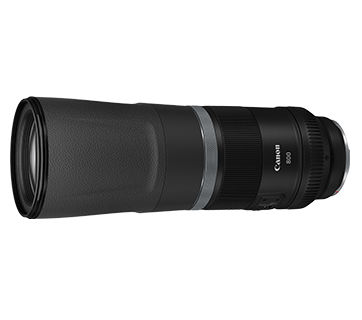
RF 800mm f/11 IS STM
lens
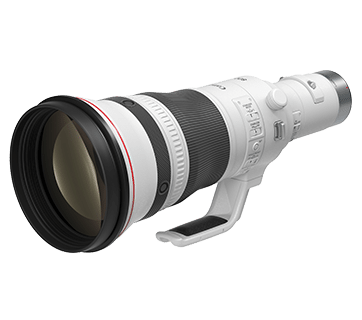
RF 800mm f/5.6L IS USM
lens
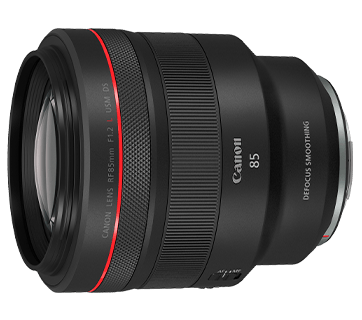
RF 85mm f/1.2L USM DS
lens
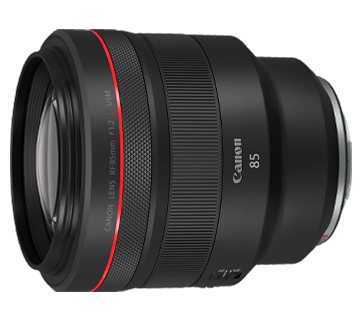
RF 85mm f/1.2L USM
lens
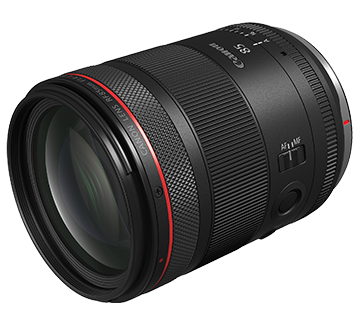
RF 85mm f/1.4L VCM
lens
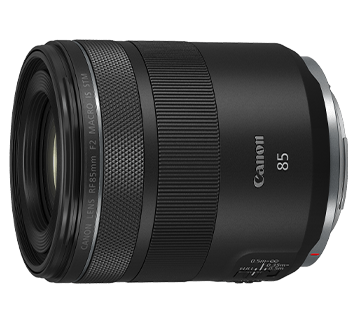
RF 85mm f/2 Macro IS STM
lens
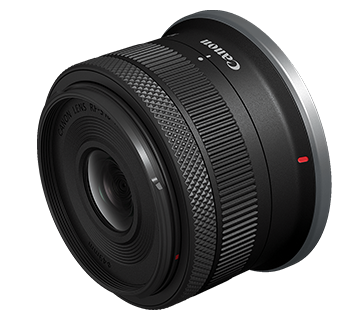
RF-S 10-18mm f/4.5-6.3 IS STM
lens
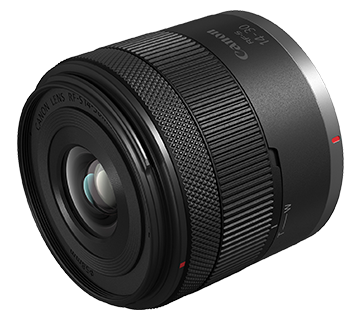
RF-S 14-30mm f/4-6.3 IS STM PZ
lens
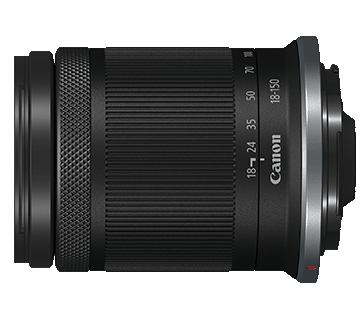
RF-S 18-150mm f/3.5-6.3 IS STM
lens
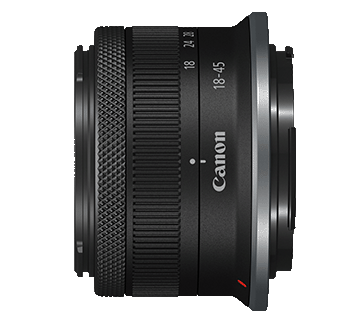
RF-S 18-45mm f/4.5-6.3 IS STM
lens
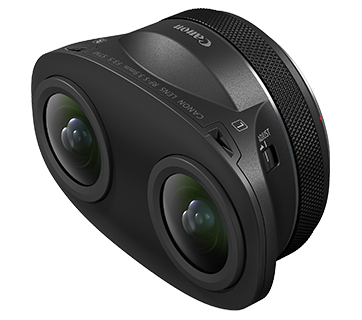
RF-S 3.9mm f/3.5 STM Dual Fisheye
lens
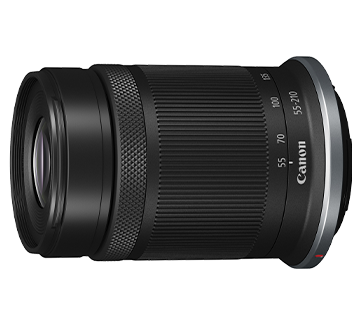
RF-S 55-210mm f/5-7.1 IS STM
lens
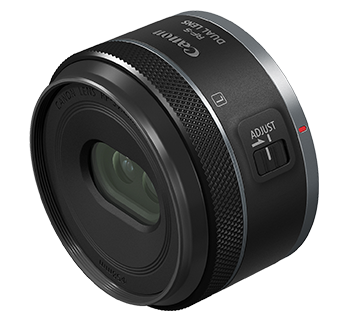
RF-S 7.8mm f/4 STM Dual
lens