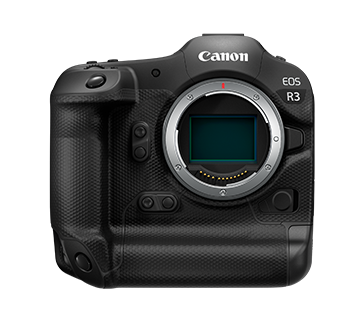
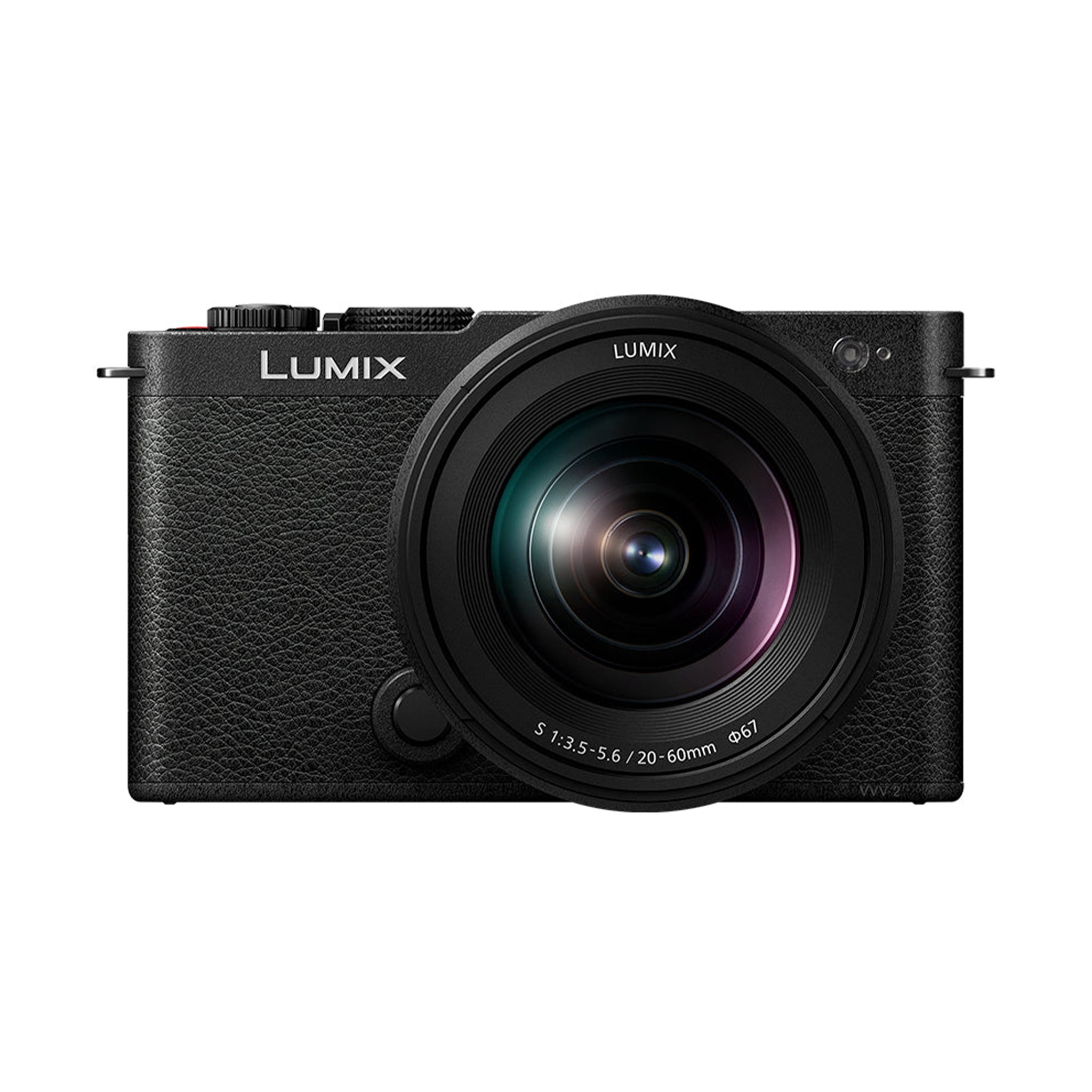
The Canon EOS R3 and Panasonic S9 are two highly regarded mirrorless cameras, each appealing to a different segment of professional photographers and videographers. The R3, released in 2021, is Canon's flagship model aimed primarily at sports and wildlife photographers, whereas the S9, launched in 2024, seeks to offer high-end video capabilities along with solid still photography performance. Buyers often find themselves choosing between these models based on their specific needs-whether prioritizing superior autofocus and frame rates of the R3 or the advanced video features of the S9 and its lightweight design.
Specifications Comparison
Detailed Comparison
Image Quality
Both the Canon EOS R3 and Panasonic S9 feature 24-megapixel full-frame sensors, ensuring excellent image quality. However, slight differences in sensor architecture and processing may influence overall performance. The R3 offers an extensive ISO range from 100 to 102400 (with expanded values reaching 50-204800), allowing it to excel in low-light environments. This makes it particularly beneficial for event and indoor photography, where lighting can be variable. Conversely, the S9's sensor is designed for a broad dynamic range, which may provide slightly better results in bright scenarios but does not extend as far into the high ISO territory as the R3. Overall, while both cameras deliver high-quality images, the Canon holds an advantage in flexibility due to its extended ISO capabilities.
Autofocus System
The autofocus capabilities are a critical differentiator between the Canon EOS R3 and Panasonic S9. The R3 boasts a remarkable 1053 autofocus points, ensuring fast and accurate focusing, especially in dynamic situations typical of sports photography. Its advanced Dual Pixel CMOS AF technology allows for smooth tracking of moving subjects, which is a critical feature for users in fast-paced environments. On the other hand, Panasonic's S9 utilizes Precision AF with a lesser number of focusing points, which, while effective, doesn't quite match the sheer number and adaptability of the R3. Therefore, in terms of autofocus performance and tracking, the R3 is favored for capturing fleeting moments with precision and speed.
Video Capabilities
When evaluating video capabilities, the Panasonic S9 excels with its capacity to record in 5.9K resolution, providing filmmakers an edge in capturing detailed and high-resolution footage. It also supports UHD 4K, DCI 4K, and 1080p formats, making it versatile for various production needs. In comparison, the Canon EOS R3 offers solid performance as well, with the ability to shoot 4K at up to 120fps, which is attractive for creators looking to produce high-frame-rate slow-motion content. However, the additional 5.9K option and greater versatility in recording formats on the S9 make it more appealing for dedicated video professionals and filmmakers who require higher resolutions and flexibility in their video work.
Build & Ergonomics
The Canon EOS R3 is bulkier, weighing 1015g, which contributes to a robust feel along with comprehensive weather sealing, an important factor for outdoor shooting in challenging locations. Its substantially larger dimensions offer a more comfortable grip, especially for prolonged usage in professional environments. In contrast, the Panasonic S9 is significantly lighter at 486g and comes with a compact form factor, making it ideal for mobile photographers and videographers. Although it is weather-sealed, its lighter build can feel less substantial in hand. Ultimately, while the R3 is designed for durability and stability, the S9's lightweight design caters to the needs of photographers who favor portability.
Battery & Storage
In terms of battery performance, the Canon EOS R3 outshines the Panasonic S9 with a rated battery life of approximately 760 shots per charge. This extended usage time is critical for event photographers who may not have the opportunity to change batteries frequently. The S9's specs do not disclose specific battery life, but mirrorless systems tend to have shorter lifespans compared to DSLRs and larger mirrorless cameras. Additionally, both cameras utilize SD cards for storage, with the R3 offering dual card slots for increased storage flexibility, an important feature for professionals shooting high volumes of data-intensive photos and videos. Overall, the R3 is better suited for extended shooting sessions without the need for immediate access to additional batteries.
Value for Money
The pricing landscape starkly contrasts between the two; the Canon EOS R3 is priced at $5999, reflecting its high-performance tier and extensive features aimed at professional photographers. Meanwhile, the Panasonic S9, which will likely come in at a lower price range upon release, appeals to video-centric users seeking high-quality capabilities without the hefty investment. This makes the S9 a more budget-friendly option for those primarily focused on video work. However, buyers should consider their specific needs: for sports and wildlife photography with performance-driven specs that the R3 offers, the investment may be justified. Conversely, for content creators who prioritize video quality over still photography performance, the S9 presents a compelling value proposition.
Our Verdict
In this balanced comparison, the Canon EOS R3 and Panasonic S9 each cater to different audiences. The R3 stands out with its autofocus prowess, superior battery life, and robust build quality tailored for high-intensity photography. Meanwhile, the S9 excels in video capabilities and offers a more portable and cost-effective solution for those focused primarily on video. Ultimately, your choice should depend on your specific photographic or video needs; professionals seeking high-speed performance and durability may lean toward the R3, while those prioritizing video versatility and portability might find the S9 better suited to their requirements.
Canon EOS R3
Panasonic S9
Also Compare
Frequently Asked Questions
Which camera has better low-light performance?
The Canon EOS R3 has a wider ISO range, making it superior for low-light photography as it can shoot clean images even at high ISO settings.
Is the Canon EOS R3 worth the higher price?
If your focus is on professional sports or wildlife photography where fast autofocus and durability are crucial, the R3's capabilities justify the investment.
How does the video quality compare between these two cameras?
The Panasonic S9 offers 5.9K recording and greater versatility in video formats, making it the preferable choice for video-centric creators.
Which camera is better for beginners?
The Panasonic S9, with a lighter weight and potentially lower price point, may be more appealing for beginners, but the choice depends on their specific photography goals.
Do both cameras have weather sealing?
Yes, both cameras are weather-sealed, making them suitable for outdoor shooting in varying conditions, though the R3 is more robust due to its heavier build.