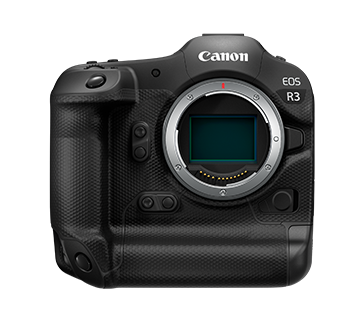
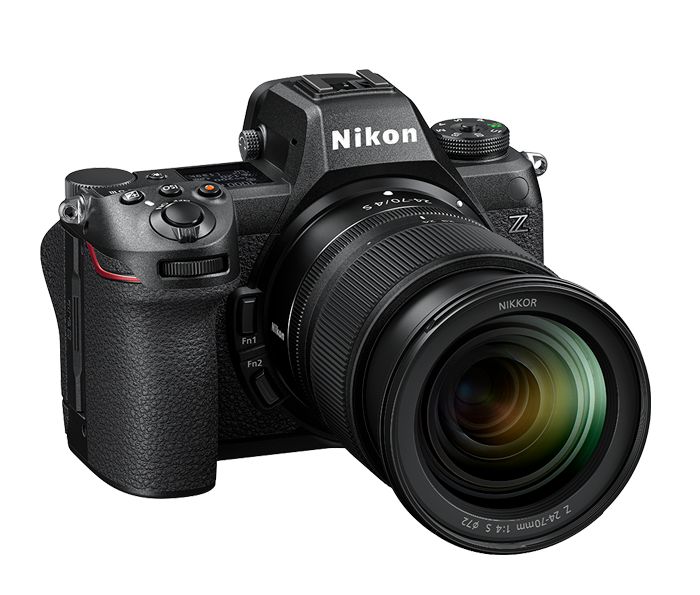
The Canon EOS R3 and the Nikon Z6III are two high-performance full-frame mirrorless cameras that cater to advanced photographers and videographers alike. Both models are notable competitors in the market, often chosen by professionals needing robust performance in various shooting conditions. Canon's EOS R3 appeals to sports and action photographers with its high burst rate and extensive autofocus points, while the Nikon Z6III serves those looking for slightly more resolution at a lower price point, making it attractive to videographers and generalists alike.
In assessing these cameras, potential buyers often explore aspects such as image quality, autofocus systems, and overall value. This comparison will delve into these aspects and more, helping discerning photographers decide which camera aligns best with their specific needs and shooting styles.
Specifications Comparison
Detailed Comparison
Image Quality
Both the Canon EOS R3 and Nikon Z6III boast impressive image quality typical of full-frame sensors. The Canon features a 24-megapixel sensor, while the Nikon slightly edges this out with a 25-megapixel sensor. While the difference in megapixels may be marginal, the effective resolution can lead to subtle distinctions in detail capture, particularly under high-resolution printing or cropping scenarios.
When it comes to ISO performance, the Canon EOS R3 has a broader ISO range, extending from 100 to 102400, which is expandable up to 204800. The Z6III, in contrast, has a maximum native ISO of 64000. In low-light situations, Canon's extended range could provide more flexibility but also be more challenging to handle noise reduction effectively at higher settings.
Ultimately, both cameras produce stunning images with excellent dynamic range and color accuracy. Canon's deeper ISO capabilities may cater to those needing extreme versatility, whereas the Nikon's additional megapixel could serve well for detailed landscape or studio work, making it a close competition in this aspect.
Autofocus System
The Canon EOS R3 excels with its comprehensive autofocus system featuring 1053 autofocus points, providing nearly full-frame coverage. This extensive point count ensures rapid and precise focusing, particularly beneficial in fast-paced scenarios such as sports or wildlife photography. The Real-Time Eye AF technology for both human and animal subjects further enhances its usability in capturing fleeting moments.
On the other hand, the Nikon Z6III has 273 autofocus points, which, while adequate for general photography, lag behind the capabilities of the R3 in terms of quantity and coverage. While Nikon's system is reliable and includes face detection technology, it may not match the speed and accuracy of Canon's advanced autofocus in dynamic circumstances. This difference is crucial for professional photographers who prioritize high-speed continuous shooting and tracking subjects under various conditions.
Considering these factors, the Canon EOS R3 stands out as the superior choice for autofocus responsiveness and versatility, making it more suitable for action-oriented photography.
Video Capabilities
In the realm of video, the Canon EOS R3 is particularly impressive, supporting 4K recording at up to 120 frames per second. This capability allows for high-frame-rate filming, ideal for slow-motion footage, thereby appealing to videographers looking for creative flexibility. It also supports various recording formats, enhancing its versatility for professional video production.
Conversely, the Nikon Z6III also offers robust video capabilities, yet it is slightly behind, providing 4K recording at up to 60 frames per second. For most videographers, this is still highly effective; however, it lacks the advanced slow-motion capabilities provided by the R3. Furthermore, both cameras include in-body stabilization, which benefits handheld shooting, but the Canon's stabilization has received accolades for its effectiveness.
For filmmakers prioritizing high-speed options and versatility in functionalities, the EOS R3's advantages are apparent. Therefore, when it comes to video performance, Canon takes the lead.
Build & Ergonomics
Both cameras showcase robust builds with weather-sealed bodies, essential for outdoor and challenging shooting environments. The Canon EOS R3 is slightly larger and heavier at 1015g, measuring 150 x 143 x 87 mm, which may lend it a more substantial feel in hand, potentially aiding stability.
The Nikon Z6III, lighter at 760g and more compact at 139 x 102 x 74 mm, is likely more appealing for travel or extended shooting sessions where weight is a concern. Additionally, the ergonomics of each camera have been well-designed, ensuring comfortable operation for prolonged periods, but user preference may vary according to the hand size and shooting style.
While both manufacturers provide excellent ergonomics and build quality, the choice here will significantly depend on user comfort and personal preference in handling larger versus more compact systems.
Battery & Storage
When evaluating battery life, the Canon EOS R3 significantly outperforms the Nikon Z6III, boasting a battery capacity that provides approximately 760 shots per charge compared to the Z6III's 380 shots. This distinction is critical for professional photographers who require long-lasting performance during extensive shooting sessions without frequent battery changes or recharges.
Moreover, the R3 utilizes dual memory card slots compatible with CFexpress and SD formats, enhancing storage flexibility and providing rapid write speeds for high-resolution files. The Z6III also features dual slots, allowing use of UHS-II SD cards, but may not match the write speeds that CFexpress offers, potentially impacting buffering during continuous shooting.
In battery life and storage flexibility, the Canon EOS R3 clearly takes the advantage, making it a better fit for demanding shooting environments.
Value for Money
The Canon EOS R3 is priced at $5999, placing it in the premium segment aimed at high-end professionals needing advanced features and performance primarily for sports or wildlife photography. This price point reflects its sophisticated technology and compelling video capabilities, making it a worthy investment for serious users seeking the pinnacle in mirrorless performance.
In contrast, the Nikon Z6III is much more competitively priced at $2500, appealing to a broader audience. It provides outstanding features for its price, including solid video specs and excellent image quality, making it a viable choice for enthusiasts and semi-professionals who require a reliable full-frame system.
When considering value, for those on a tighter budget or looking for an entry into full-frame mirrorless photography, the Nikon Z6III presents a significantly better value proposition, despite sacrificing some advanced features found in the R3.
Our Verdict
Overall, the Canon EOS R3 emerges as the winner in this comparison due to its superior autofocus system, video capabilities, and robust battery performance, positioning it as an outstanding choice for professional photographers needing high-speed functionality and versatility. Conversely, the Nikon Z6III remains an excellent alternative for those prioritizing a lower price point while still enjoying notable performance, especially for general photography and videography. The decision ultimately hinges on individual needs, including budget, specific shooting demands, and preferred handling experience.
Canon EOS R3
Nikon Z6III
Also Compare
Frequently Asked Questions
Which camera is better for sports photography?
The Canon EOS R3 is better for sports photography due to its faster autofocus system and ability to shoot at 30 frames per second.
Can I shoot 4K video with both cameras?
Yes, both the Canon EOS R3 and Nikon Z6III can shoot 4K video, but the R3 can go up to 120 frames per second compared to the Z6III's 60 frames per second.
How do the ISO capabilities compare?
The Canon EOS R3 has a wider ISO range (100-102400, expandable to 204800) compared to the Nikon Z6III which has a maximum ISO of 64000, making the R3 better for low-light photography.
Which camera has a longer battery life?
The Canon EOS R3 has a significantly longer battery life, capable of around 760 shots per charge, compared to the Z6III's 380 shots.
Is the price difference justified?
The price difference is justified based on the advanced features offered by the Canon EOS R3, which caters more to professional users, while the Nikon Z6III provides excellent value for enthusiastic photographers.