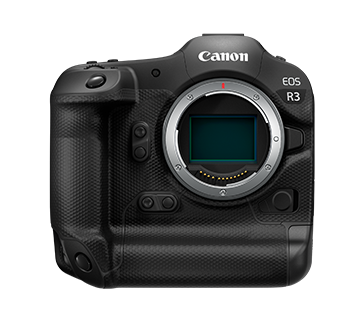
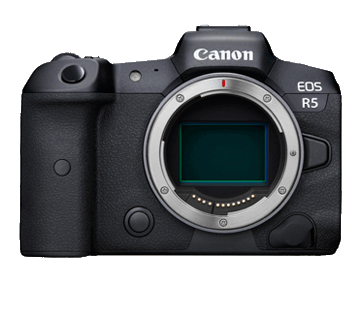
The Canon EOS R3 and EOS R5 are two of Canon's flagship mirrorless cameras, designed to cater to different segments of the photography market. Commonly compared among professional photographers and serious enthusiasts, these cameras offer unique features that can significantly impact the shooting experience and the type of projects photographers might undertake. The R3 leans more towards sports and wildlife photography with its high-speed performance and superb autofocus capabilities, while the R5 has been marketed as an all-rounder with its high-resolution sensor and impressive video features.
Specifications Comparison
Detailed Comparison
Image Quality
When it comes to image quality, the EOS R5 takes the lead with its 45-megapixel sensor compared to the R3's 24 megapixels. This higher resolution allows for greater detail and larger print options, making the R5 suitable for works that require extensive cropping or high-detail requirements, such as landscape and studio photography. Both cameras have a full-frame sensor, which provides excellent dynamic range and low-light performance, although the R5 offers a slightly better ISO range, extending to 102400 versus R3's 204800. This performance benefits situations with challenging lighting conditions, enhancing the usability of the R5 for event and wedding photographers.
However, while R5 leads in resolution, the R3's 24 megapixels can still deliver outstanding image quality, especially in fast-action scenarios where the R3 excels with faster continuous shooting. Both models boast high image performance, but the application can dictate which sensor advantage is more valuable. In a direct comparison for sheer image detail, though, the R5 stands out.
Ultimately, if the priority is high-resolution images with the best detail possible, the R5 is the winner here, whereas the R3 can be favored for situations demanding fast burst rates with sufficient detail for most applications.
Autofocus System
Both the Canon EOS R3 and R5 feature an impressive autofocus system with 1053 AF points, providing excellent subject tracking capabilities. However, the R3 has some advantages that make it particularly appealing for fast-paced photography, such as sports and wildlife. The R3 can shoot at an incredible max FPS of 30 frames per second with electronic shutter, allowing photographers to capture fleeting moments more effectively than the R5's 20 fps. Aside from the speed, the R3 implements Canon's advanced Dual Pixel CMOS AF II technology and better performance in low-light conditions.
The R5, while a robust performer, doesn't match the sheer speed and tracking capabilities of the R3 in high-speed photography. For instance, in scenarios like capturing fast-moving subjects or action shots, the R3's overall autofocus performance stands out due to its superior subject detection algorithms optimized for speed, including eye AF for animals and humans.
Given these considerations, the R3 is undoubtedly the leader in autofocus performance, especially for professional photographers focusing on action and wildlife. Meanwhile, R5 continues to provide reliable autofocus in a more general-purpose framework.
Video Capabilities
Video performance is one of the standout features of both the R3 and R5, with both cameras capable of recording 4K video at 120p, satisfying the demands of professional videographers. They both also feature 8 stops of in-body stabilisation, which is especially beneficial for handheld shooting. However, the R5 takes the lead in flexibility with additional capabilities like 8K video recording and higher-quality internal recording options. This feature of the R5 caters specifically to filmmakers or content creators looking for higher resolution for post-production work.
Additionally, the R5 offers 10-bit 4:2:2 internal recording, ensuring more color detail and smoother gradations in video capture, enhancing the final production value. On the other hand, while the R3 provides excellent video options for professional sports or event filming, it does so without the stunning 8K capability that many videographers find increasingly necessary.
In conclusion, if video resolution and options are priorities, the R5 is the clear winner; however, for high-speed sports video shooting, the R3 is still a strong contender, particularly with its superior autofocus tracking.
Build & Ergonomics
In terms of build quality, both the R3 and R5 are weather-sealed, offering protection against the elements, making them suitable for outdoor shooting. The R3 is larger and heavier at 1015g, providing a more substantial feel that can be preferable during extended shooting sessions. This camera's design focuses on ergonomics, offering comfortable grip and accessible controls, which professional users often seek in handling larger lenses or prolonged use.
The R5, while lighter at 738g, is more compact, catering to those desiring a more portable setup without sacrificing too much functionality. Its physical dimensions contribute to its usability in travel and street photography scenarios.
Thus, when considering the best fit based on body design, the R3 may be favored by those who appreciate a 'workhorse' feel, whereas the R5 will appeal more to those prioritizing compactness and relatively lower weight in their builds.
Battery & Storage
Battery life also differs significantly between the two models. The R3 boasts an impressive battery life of around 760 shots per charge, which is a critical aspect for professionals who often shoot in the field for prolonged periods. Conversely, the R5's rated battery life is approximately 320 shots, meaning users may need to carry additional batteries for extended shooting sessions, particularly for video work, where battery drain can be accelerated.
Both cameras share the Canon RF mount, enabling the use of a wide range of lenses. However, storage capabilities also play a critical role, and both models accommodate CFexpress cards, making them suitable for high-speed photography and video requirements.
In terms of longevity and practical usability, the R3 takes the edge, reflecting its alignment with professional and high-demand workflows.
Value for Money
When it comes to pricing, the EOS R3 retails at approximately $5999, while the R5 is more budget-friendly at around $3899. The price difference represents the R3's positioning towards professional sports and wildlife photographers who require specific features justifying the higher cost, such as superior autofocus performance and better battery life. The R5, while lower in price, packs in high-resolution imaging and versatile video capabilities, catering well to a broader audience including videographers, documentarians, and general photography needs.
It's worth considering what features are vital for the work an individual photographer intends to pursue. Those focused on high frame rates and robustness may find the R3's value justifiable, while those needing a general-purpose versatile camera would benefit greatly from the R5's features at a lower cost.
In this aspect, given the significant price difference alongside the features offered, the value proposition leans towards the R5, especially for those who may not require the specialized features of the R3.
Our Verdict
Overall, the Canon EOS R5 emerges as the winner when it comes to versatility, image quality, and overall value for a wide audience, offering high-resolution image capture and robust video capabilities at a competitive price point. However, the EOS R3 shines in specific categories such as autofocus performance and battery life, making it the superior choice for professional photographers engaged in sports, wildlife, and fast-paced shooting scenarios. Buyers should evaluate their specific needs and shooting styles to make the best choice, as both cameras cater to distinct markets within the professional photography landscape.
Canon EOS R3
Canon EOS R5
Also Compare
Frequently Asked Questions
Which camera is better for wildlife photography?
The Canon EOS R3 is more suited for wildlife photography due to its superior autofocus system, high frames per second capability, and better battery life, making it ideal for capturing fast-moving subjects.
Is the EOS R5 good for videography?
Yes, the Canon EOS R5 is excellent for videography, featuring 8K video recording, 10-bit 4:2:2 internal recording, and robust stabilization features, making it a great option for filmmakers.
How do these cameras compare in low-light performance?
Both models perform well in low-light conditions, but the R5 has a slightly better ISO range that extends to 102400, providing more flexibility when shooting in challenging lighting.
Do both cameras have weather sealing?
Yes, both the EOS R3 and R5 are weather-sealed, providing protection against moisture and dust, making them suitable for outdoor shooting.
What is the primary strength of the Canon EOS R3?
The primary strength of the Canon EOS R3 lies in its speed and performance, especially in autofocus tracking capabilities, making it ideal for professional sports and action photography.