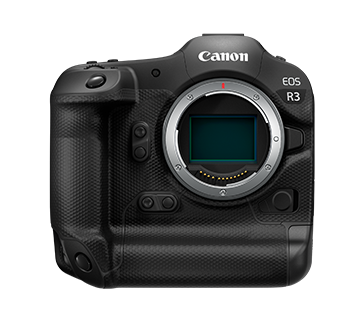
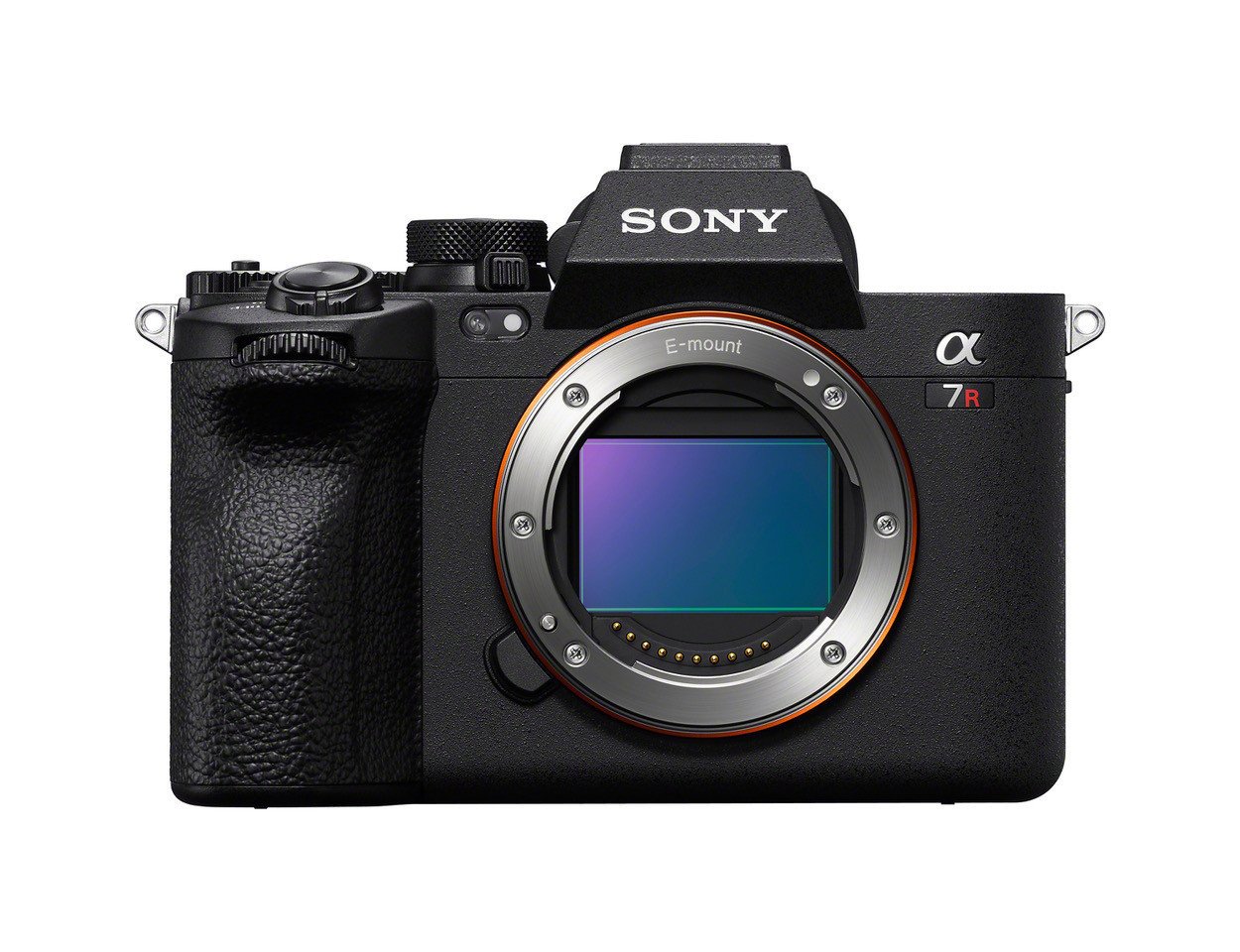
The Canon EOS R3 and Sony A7R V are two of the most highly regarded mirrorless cameras within professional photography circles, frequently compared by enthusiasts and professionals alike. Both models cater to diverse segments of photographers ranging from sports, wildlife, and portrait specialists to videographers. The choice between these cameras often comes down to preference in usage, brand loyalty, and specific requirements based on their unique specifications. Canon offers a robust frame appealing to sports photographers with its impressive shooting speed, while Sony attracts those who prioritize resolution and detailed image capture.
Specifications Comparison
Detailed Comparison
Image Quality
When it comes to image quality, the accompanying sensor size and resolution significantly influence output. The Canon EOS R3 features a 24-megapixel full-frame sensor, which is optimized for enhanced performance in high-speed photography and low-light situations. Although lower in megapixel count, the R3 excels in dynamic range and color accuracy, producing stunning images that meet the needs of professionals who require instant performance. In contrast, the Sony A7R V boasts a staggering 60-megapixel sensor, providing exceptional detail for large prints and extensive cropping capabilities. This high resolution allows for more flexibility in post-processing without sacrificing quality. While both cameras perform exceptionally, the A7R V's higher resolution makes it more suitable for landscape and studio photography. However, dynamic and fast-paced shooting usually favors the R3 due to its superior JPEG processing and low-light capabilities, showcasing the strengths of both systems depending on the shooting scenario.
Autofocus System
The autofocus capabilities of both the Canon EOS R3 and Sony A7R V show significant advancements in modern camera technology. The EOS R3 utilizes a robust hybrid autofocus system with 1,053 phase-detection points, which offers rapid and accurate focusing even in challenging scenarios. This attention to detail is particularly useful for sports and wildlife photography where every moment counts. Its Eye Control AF feature allows photographers to select focus points intuitively using their eye, an innovative touch that stands out. On the other hand, the A7R V's autofocus system uses 693 phase-detection points along with Real-Time Eye AF, which ensures quick and reliable focus tracking on moving subjects. Although Canon has more points, the A7R V's sophisticated algorithms provide excellent subject tracking capabilities. Ultimately, while both systems are superior, Canon's EOS R3 targets fast-paced conditions better, while Sony's A7R V proves worthy for refined tracking in creative settings.
Video Capabilities
In the realm of video, the Canon EOS R3 features comprehensive 4K recording capabilities at up to 120 frames per second (fps), providing smooth high-frame-rate video which is incredibly beneficial for sports and documentary filmmakers seeking high-quality slow motion footage. This model also supports 10-bit 4:2:2 video recording and offers Canon Log 3 for enhanced grading flexibility. In contrast, the Sony A7R V captures 4K video at a maximum of 60 fps, which is suitable for most videography situations, but it lacks the high frame rate for extreme slow motion. However, the A7R V incorporates 10-bit 4:2:2 internal recording and introduces new features like cinematic 8K recording that provides a future-proof option for high-resolution projects. The added detail of 8K in the A7R V is a notable highlight, but considering practical uses for most videographers today, the R3 may have the edge with its higher fps.
Build & Ergonomics
The build quality of both cameras reflects their professional target audiences. The Canon EOS R3 has a solid, rugged body that weighs 1,015 g, making it slightly bulkier but easily manageable due to its well-designed grip and control layout. With weather sealing, it supports extended outdoor use in diverse environmental conditions. On the other hand, the Sony A7R V, weighing only 723 g, is lighter and more compact, making it easier for long shooting sessions or travel. It also features weather-sealed construction, ensuring durability. For usability, both camera interfaces are user-friendly, but some users may prefer Canon's more intuitive touch operation. Depending on the preference for weight and handling, photographers might gravitate towards the A7R V for portability or the R3 for sturdiness.
Battery & Storage
Battery performance is crucial for both models, with the Canon EOS R3 offering about 760 shots on a single charge compared to the Sony A7R V's 530 shots. This improvement provides a practical advantage for users who may shoot for extended periods without the opportunity to recharge. Additionally, the R3 utilizes dual card slots that support both CFexpress and SD cards, optimizing for high-speed writing needed for high-resolution content. The A7R V also offers dual slots but primarily focuses on SD compatibility, which may limit high-write speeds compared to CFexpress. This combination makes the R3 favorable for intense shooting situations, such as events or wildlife moments where downtime needs to be minimized.
Value for Money
Price is often a decisive factor when choosing between the Canon EOS R3 and Sony A7R V. The R3 is priced at $5,999, which positions it as a premium offering primarily targeting high-end professionals needing high frame rates and excellent low-light performance. In contrast, the A7R V is priced at $3,900, rendering it more accessible while still delivering exceptional image quality and resolution. This lower price point makes it appealing for both avid photographers and professional users who might prioritize resolution over speed. While the R3 represents a higher price relative to its feature set, it justifies its cost through advanced capabilities, but value seekers may lean towards the A7R V for its balance of price and performance.
Our Verdict
The overall comparison between the Canon EOS R3 and Sony A7R V reveals both cameras excel in different areas catering to varied photographic needs. The R3 is a powerhouse for sports and fast-action photography, while the A7R V stands out for detailed image capture and post-production flexibility. For professionals driven by fast-paced settings and lower light situations, the R3 may be the better choice, while those prioritizing image resolution and budget may find the A7R V more appealing. Ultimately, both cameras are top-tier in their class, making the decision heavily dependent on the specific use cases and preferences of the photographer.
Canon EOS R3
Sony A7R V
Also Compare
Frequently Asked Questions
Which camera is better for sports photography?
The Canon EOS R3 is generally better for sports photography due to its outstanding autofocus speed, 30 fps continuous shooting, and robust low-light performance.
How do these cameras perform in low-light conditions?
The Canon EOS R3 excels in low-light scenarios with fast frames per second and superior JPEG processing, while the A7R V performs well but may show more noise at higher ISOs.
Is the higher megapixel count of the A7R V worth it?
If high-resolution images are needed for large-scale prints or detailed landscapes, the A7R V's 60 megapixels provide excellent detail, making it worthwhile for specific shooting needs.
Which camera is better for videography?
The Canon EOS R3 offers superior video capabilities with 4K at 120 fps, making it suitable for high-frame-rate projects, while the A7R V provides 8K recording for those focusing on ultimate resolution.
How does build quality compare?
Both cameras are well-built with weather sealing, but the Canon is heavier and sturdier, while the Sony is lighter and more compact, appealing to different user preferences.