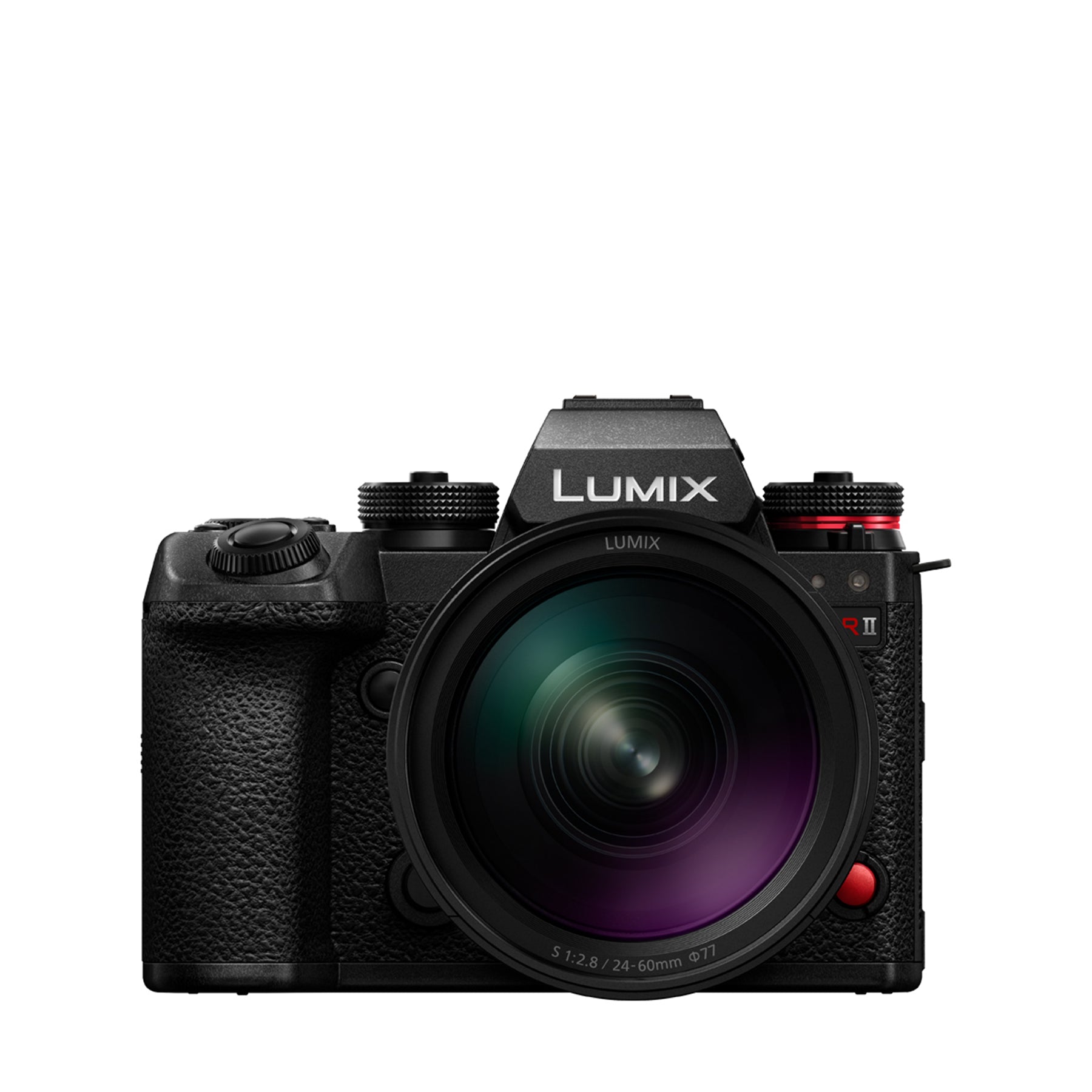
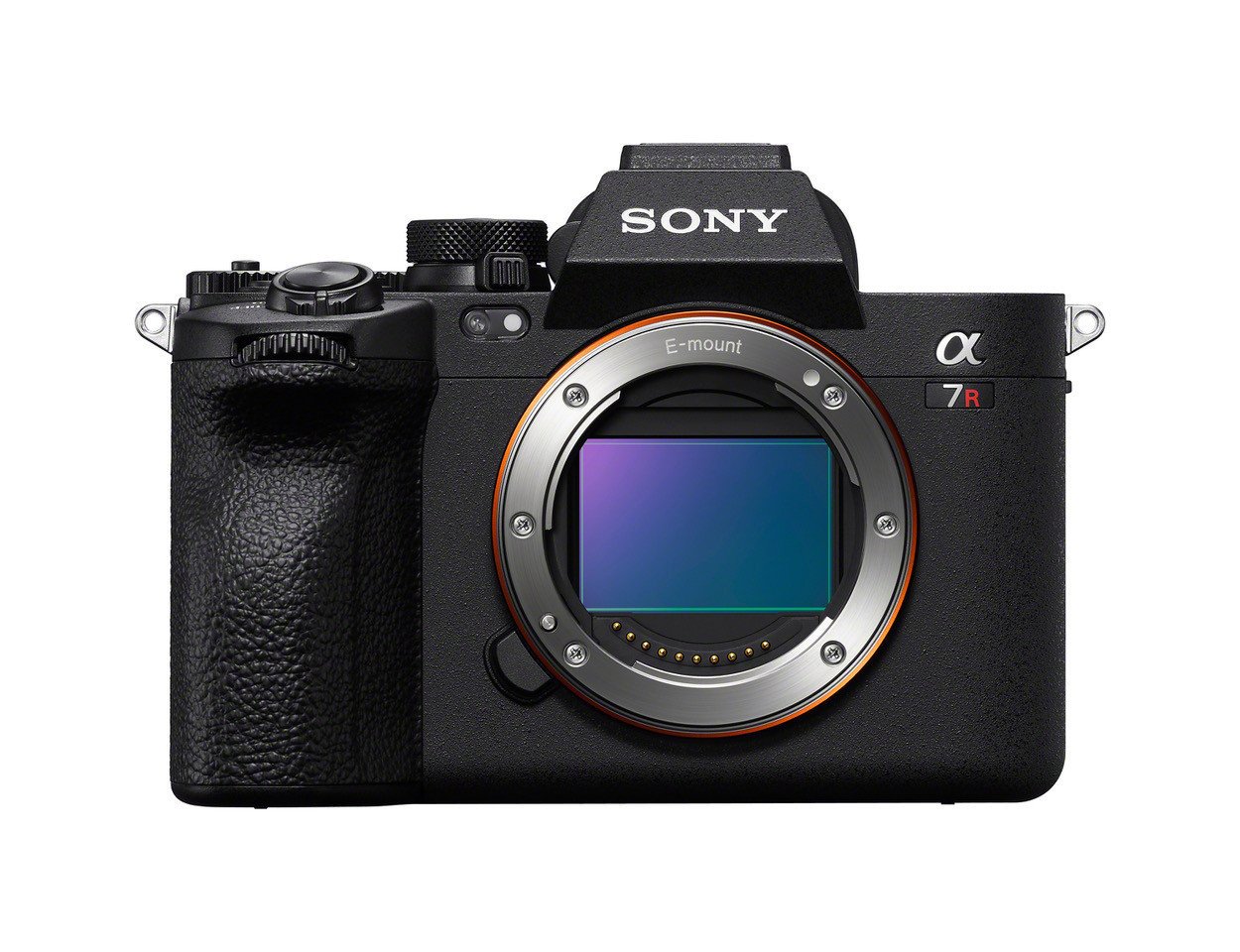
The Panasonic S1R II and Sony A7R V are two flagship full-frame mirrorless cameras, frequently compared by professional photographers and enthusiastic hobbyists alike. Both cameras offer impressive specifications designed to cater to high-resolution imaging needs, but they differ in key features that may sway buyers one way or the other. The S1R II is particularly appealing to those who prioritize resolution and advanced video capabilities, while the A7R V boasts superior autofocus and an extensive lens ecosystem that can be enticing for various photographic styles.
Specifications Comparison
Detailed Comparison
Image Quality
The Panasonic S1R II is equipped with a 44.3-megapixel sensor, delivering exceptionally high-resolution images that are particularly suitable for large prints and detailed cropping. Its full-frame sensor architecture excels in dynamic range, offering detailed shadow and highlight recovery, which is invaluable for landscape and portrait photographers. In contrast, the Sony A7R V features an even higher-resolution 60-megapixel sensor, delivering unparalleled detail and clarity. This can be particularly beneficial for studio photography where resolution is paramount.
While both cameras offer excellent color fidelity and dynamic range, the A7R V's higher megapixel count allows for more flexibility in post-processing. However, the larger file sizes can be a downside for those with limited storage capacity or slower computers. The comparison highlights the technical prowess of both sensors; the S1R II may be favored for its video capabilities, while the A7R V shines in detail capture and is the clear winner when it comes to sheer resolution, making it ideal for high-end commercial use.
Overall, while both cameras produce stunning images, the A7R V's greater pixel count and detail render it the preferred choice for those who prioritize the utmost in image quality.
Autofocus System
The autofocus system is a critical consideration for many photographers, and here the Sony A7R V takes a substantial lead. It boasts a robust 693 autofocus points, providing impressive coverage and accuracy in a variety of lighting conditions. The advanced phase-detection system allows for quick and precise locking onto subjects, which is especially useful for fast-moving scenes or wildlife photography.
On the other hand, the Panasonic S1R II has a capable autofocus system, yet it does not compete at the level of the A7R V. While it encompasses sufficient points for most shooting needs, it may struggle in challenging lighting conditions compared to the Sony. Photographers prioritizing fast action, sports, or wildlife often select systems with superior autofocus capabilities.
Considering these factors, the A7R V's superior autofocus technology makes it the clear winner in this category, designed to handle quick and dynamic shooting scenarios with ease.
Video Capabilities
When it comes to video capabilities, the Panasonic S1R II stands out with its support for 8K video recording at 30 frames per second and 4K at 120 frames per second, enabling ultra-high definition content creation with unparalleled detail. This capability caters extensively to filmmakers and content creators looking for high-resolution options and slow-motion footage. Furthermore, the sensor-shift stabilization enhances video performance significantly, reducing camera shake for smoother shots.
In contrast, the Sony A7R V supports up to 4K video recording at 60 frames per second. While this is adequate for many videographers, it does not match the versatility of the S1R II in terms of resolution and frame rate options. Additionally, the A7R V offers an 8-stop stabilization system, which is ideal for handheld shooting; however, it still falls short in overall video resolution capability compared to the Panasonic.
Given the distinct advantages in video specifications, the S1R II is favored by those whose work revolves around high-quality video production, whereas the A7R V serves those whose video needs are less intensive.
Build & Ergonomics
Both the Panasonic S1R II and Sony A7R V are built with professional in mind, both featuring weather-sealed bodies for increased durability in harsh conditions. The A7R V weighs in at 723 grams (about 1.59 lbs), making it slightly lighter and more compact than the S1R II, a notable factor for photographers who travel. Its dimensions of 131 x 97 x 82 mm (5.16 x 3.82 x 3.23 inches) provide a comfortable grip suitable for extended use.
The S1R II, while a bit bulkier, offers an ergonomically optimized design that many users find comfortable for lengthy shooting sessions. The control layout on the S1R II is intuitive, catering well to photographers who favor tactile interaction with camera settings. However, the larger size might be a disadvantage for those looking to minimize gear weight during travel.
In summary, while both cameras are durable and well-designed, the lighter, more compact nature of the A7R V gives it a slight advantage for photographers on the go, making it the winner in this category.
Battery & Storage
Battery life can be an important consideration for any shoot, and the Sony A7R V excels in this aspect, with a rated battery life of 530 shots per charge. This capability can be crucial during long shooting days when access to charging options might be limited. The A7R V also offers dual card slots compatible with CFexpress Type A and SD UHS-II for increased storage options, which is advantageous for high-resolution recording.
The Panasonic S1R II, while also offering dual card slots, has a smaller battery life rating, making it less reliable for extended usage without interruption. This could be a concern for professionals needing consistent and dependable camera operation during long sessions, such as weddings or events. Moreover, the S1R II's storage options are not as fast or flexible as those provided by the A7R V.
Considering battery longevity and storage options, the Sony A7R V emerges as the winner, catering to photographers who need longer shooting periods and efficient workflow management.
Value for Money
Pricing can be a deciding factor for many buyers choosing between the Panasonic S1R II and Sony A7R V. At approximately $3,900, the Sony A7R V positions itself as a premium mirrorless offering, justified by its extended features, high pixel count, and state-of-the-art autofocus capabilities. For a photographer requiring exceptionally high-resolution images and robust performance across a variety of shooting scenarios, this model provides notable value despite its higher price tag.
In comparison, the Panasonic S1R II, while also premium-priced, offers a unique value proposition with its advanced video recording capabilities and exceptional image quality. This is particularly attractive for users who require both still photography and videography in their work. However, its higher resolution video capabilities and sensor-shift stabilization make it an attractive purchase for hybrid shooters, though it may not be as versatile for fast-paced shooting environments as the A7R V.
In terms of versatility and performance in varied scenarios, the A7R V provides more features per dollar, making it the overall winner for value for money in this competitive landscape.
Lens Ecosystem
When considering the lens options available, the Sony A7R V benefits from the extensive Sony E mount lens ecosystem, offering a vast selection of high-quality glass suitable for nearly any type of photography from macro to landscape to portraiture. This extensive ecosystem is bolstered by numerous third-party manufacturers producing compatible lenses, providing further options for users.
On the other hand, the Panasonic S1R II, using the L-mount, also has access to a growing selection of lenses since the alliance between Panasonic, Leica, and Sigma. However, it may not be as comprehensive as the options available to the Sony user base at this time. A photographer looking to dive deep into specialized genres may find the defined limitations of the Panasonic ecosystem to be a deterrent.
Ultimately, the sheer volume and variety within the Sony lens ecosystem grant it the advantage, making it the winner for those who prioritize flexibility in lens choices.
Our Verdict
In this comprehensive comparison between the Panasonic S1R II and the Sony A7R V, the Sony model ultimately emerges as the victor, winning the majority of categories including Autofocus, Battery Life, Value for Money, and Lens Ecosystem. The A7R V excels in delivering outstanding image quality through its high-resolution sensor and exceptional autofocus system, making it perfect for professionals who work across various genres, especially those needing quick and reliable performance in dynamic environments. However, the S1R II remains a formidable contender, especially for users whose focus is on high-resolution video capabilities and exceptional still photography. Photographers should weigh their specific needs carefully, as while the A7R V offers more features and reliability overall, the Panasonic S1R II offers unique strengths that may appeal to dedicated videographers and hybrid shooters.
Panasonic S1R II
Sony A7R V
Also Compare
Frequently Asked Questions
Which camera is better for landscape photography?
Both cameras excel at landscape photography; however, the Sony A7R V offers higher resolution, which may provide more detail for larger prints.
Is the Panasonic S1R II suitable for video work?
Yes, the S1R II is particularly well-suited for video with 8K recording and advanced stabilization, making it an excellent choice for videographers.
How does autofocus performance compare?
The A7R V features a significantly more advanced autofocus system with 693 points, making it preferable for fast-moving subjects in dynamic shooting environments.
What are the weight differences between the two models?
The Sony A7R V is lighter at 723 grams compared to the bulkier Panasonic S1R II, which may affect portability for long shoots.
Are there any third-party lenses available for these cameras?
Yes, the Sony A7R V has a more extensive selection of third-party lenses due to the popularity of the E mount system compared to the L-mount utilized by the S1R II.