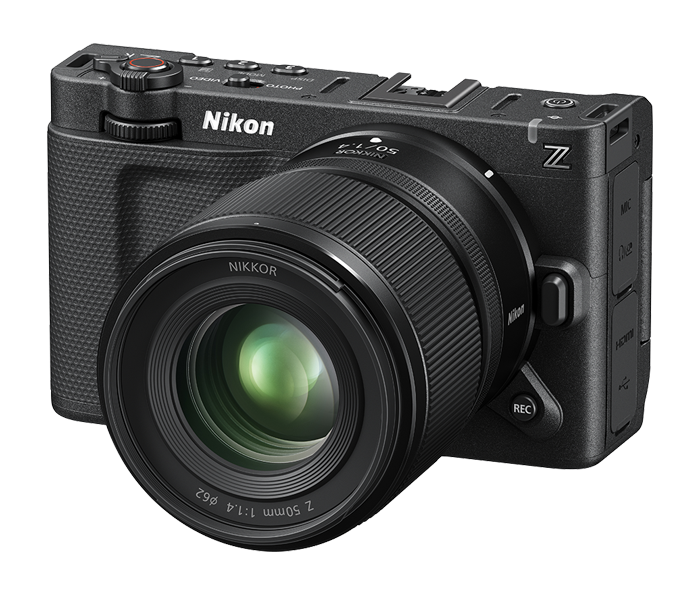
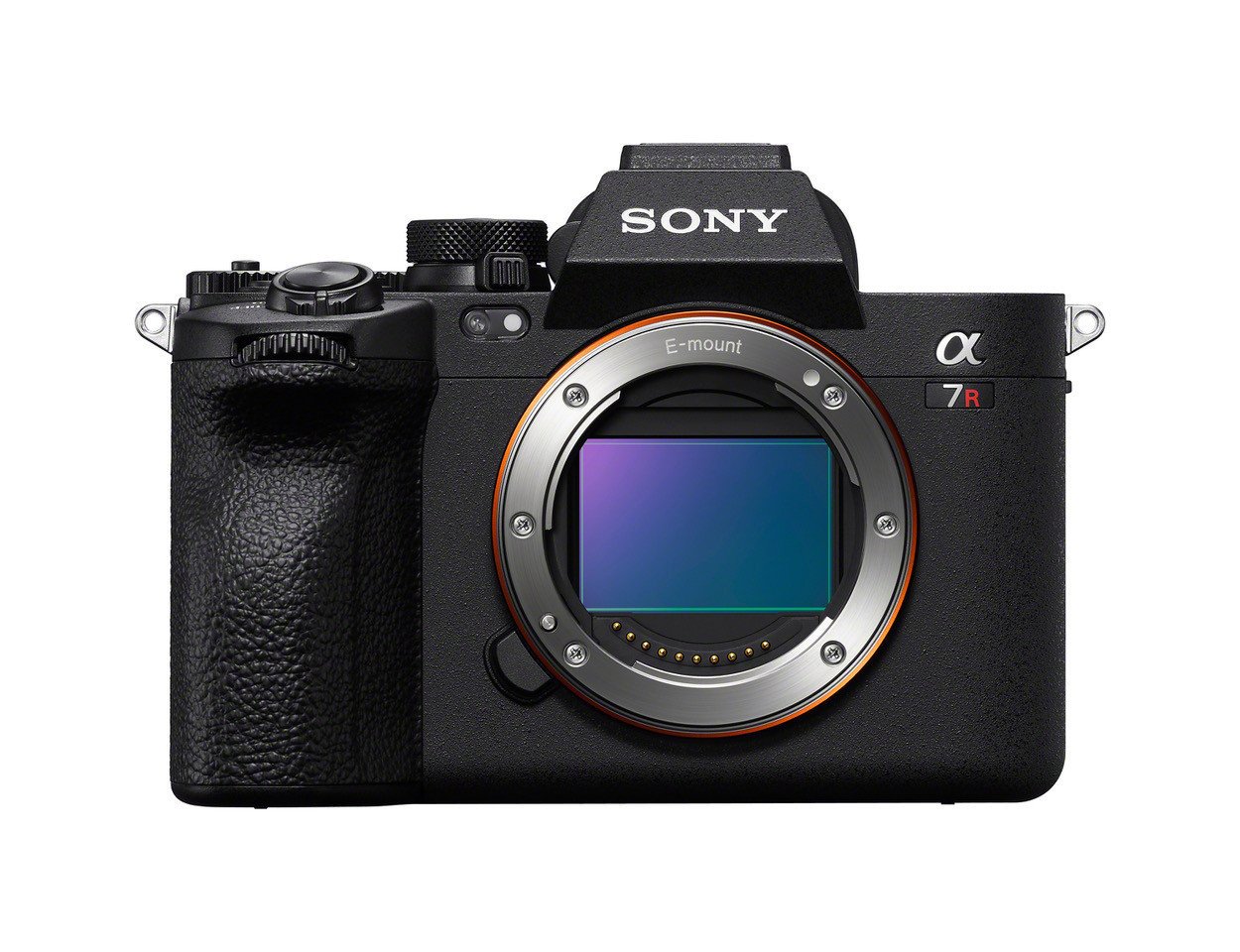
The Nikon ZR and Sony A7R V are two prominent mirrorless cameras in the full-frame segment, often compared by enthusiasts and professionals alike. Each camera has been designed to cater to specific photographic needs, with the Nikon ZR appealing to those who value portability and an all-around solid performance, while the Sony A7R V is geared towards photographers seeking the highest pixel count and advanced features. These two models are particularly relevant for photographers looking to upgrade their gear for high-resolution imaging, robust autofocus systems, and quality video capabilities.
Specifications Comparison
Detailed Comparison
Image Quality
In terms of image quality, the Sony A7R V stands out with its impressive 60 megapixels, providing a level of detail that is particularly beneficial for large prints and extensive cropping. The sensor allows high retention of detail and performs excellently across various lighting conditions due to its extended ISO range that expands up to 102400, although its base range is limited to 100-32000. On the other hand, the Nikon ZR, with its 25 megapixels, produces vibrant images with great dynamic range, but it might fall short for those needing extreme cropping or large format prints. The base ISO starts at 100 and extends to 64000, allowing decent performance in low light as well. Still, the differences in megapixels and sensor performance make the A7R V's image quality superior in most scenarios.
Autofocus System
Autofocus performance is critical for both stills and video. The Sony A7R V features a robust autofocus system with 693 phase-detection points, ensuring fast and accurate focusing across a wide area of the frame. This is particularly beneficial for capturing moving subjects and can perform well even in challenging lighting conditions. The Nikon ZR has 273 autofocus points, which, while competent, does not match the extensive coverage and speed provided by the A7R V. Photographers who prioritize fast autofocus for wildlife or sports might find the A7R V more advantageous. Therefore, while both cameras offer excellent autofocus capabilities, the Sony A7R V's system provides a clear edge for serious action photography.
Video Capabilities
For videographers, the Sony A7R V offers superior video capabilities, including 4K recording at 60p, which is ideal for capturing high frame rate footage. Its advanced video features and in-body stabilization (8 stops) contribute to smooth, high-quality video shooting even without a gimbal. The Nikon ZR, while still capable in video, lacks such advanced specifications, notably not featuring a viewfinder which may be a drawback for video users seeking a traditional shooting experience. The stabilization provided by the ZR at 7.5 stops is effective, but does not match the video prowess of the A7R V. Therefore, the A7R V is the go-to option for videographers seeking higher resolutions and frame rates.
Build & Ergonomics
Both the Nikon ZR and Sony A7R V have weather-sealed bodies, which enhance their durability in various environments. The ZR is slightly lighter at 630g compared to the 723g of the A7R V, making it a more portable option for photographers who prefer to travel light. The dimensions of the ZR are also more compact, which can be beneficial for street or travel photography. However, the A7R V's slightly larger build offers a more substantial grip, which can enhance comfort during prolonged shooting sessions. Ergonomics can be subjective; however, the build quality and feel may sway users towards the option that best fits their handling preferences.
Battery & Storage
Regarding battery life, the Sony A7R V boasts an impressive 530 shots per charge, which is a distinct advantage for photographers who shoot extensively throughout the day. The Nikon ZR does not specify battery life in terms of shots, but with a more efficient design, it may perform comparably. However, the A7R V's longer duration can be critical for event photographers who cannot afford downtime. In terms of storage, both cameras support standard SD cards; however, the greater file sizes generated by the A7R V mean users need to consider faster write speeds and larger storage solutions to manage their imagery effectively.
Value for Money
The Nikon ZR is priced at $2200, making it a more budget-friendly option for enthusiasts looking for a capable full-frame camera. This price position opens up its capabilities to a wider audience who might find the premium price of the A7R V, at $3900, too steep, considering it targets professionals and high-end enthusiasts who require the enhanced features and specifications. While the A7R V offers superior performance, the Nikon ZR still provides excellent value for its price and is well-suited for those who prioritize portability and solid performance across various shooting scenarios. Therefore, for the average photographer looking for a full-frame experience without breaking the bank, the Nikon ZR offers compelling value.
Our Verdict
Overall, while the Nikon ZR offers an excellent balance of features and price, the Sony A7R V emerges as the winner due to its superior image resolution, advanced autofocus, and impressive video capabilities. For photographers who rely on high-quality images, particularly in demanding conditions, and for videographers who need solid performance, the A7R V is the clear choice. However, for those who seek affordability, portability, and general usability, the Nikon ZR remains a commendable option, particularly for enthusiasts or casual users.