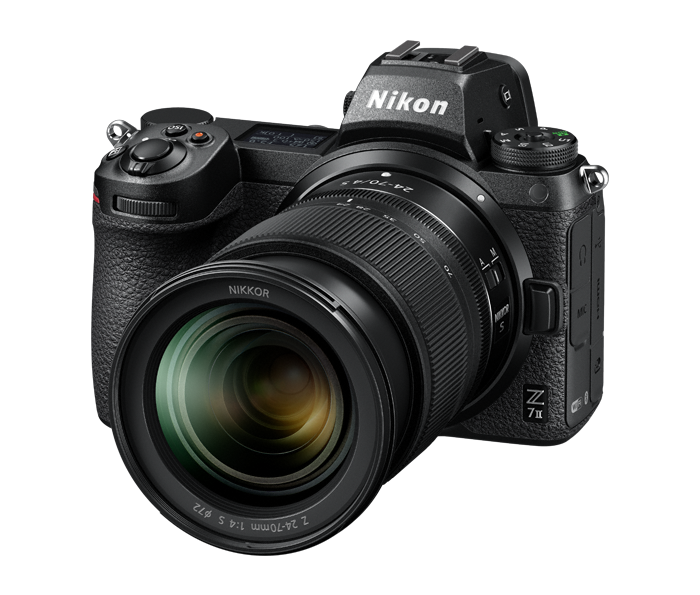
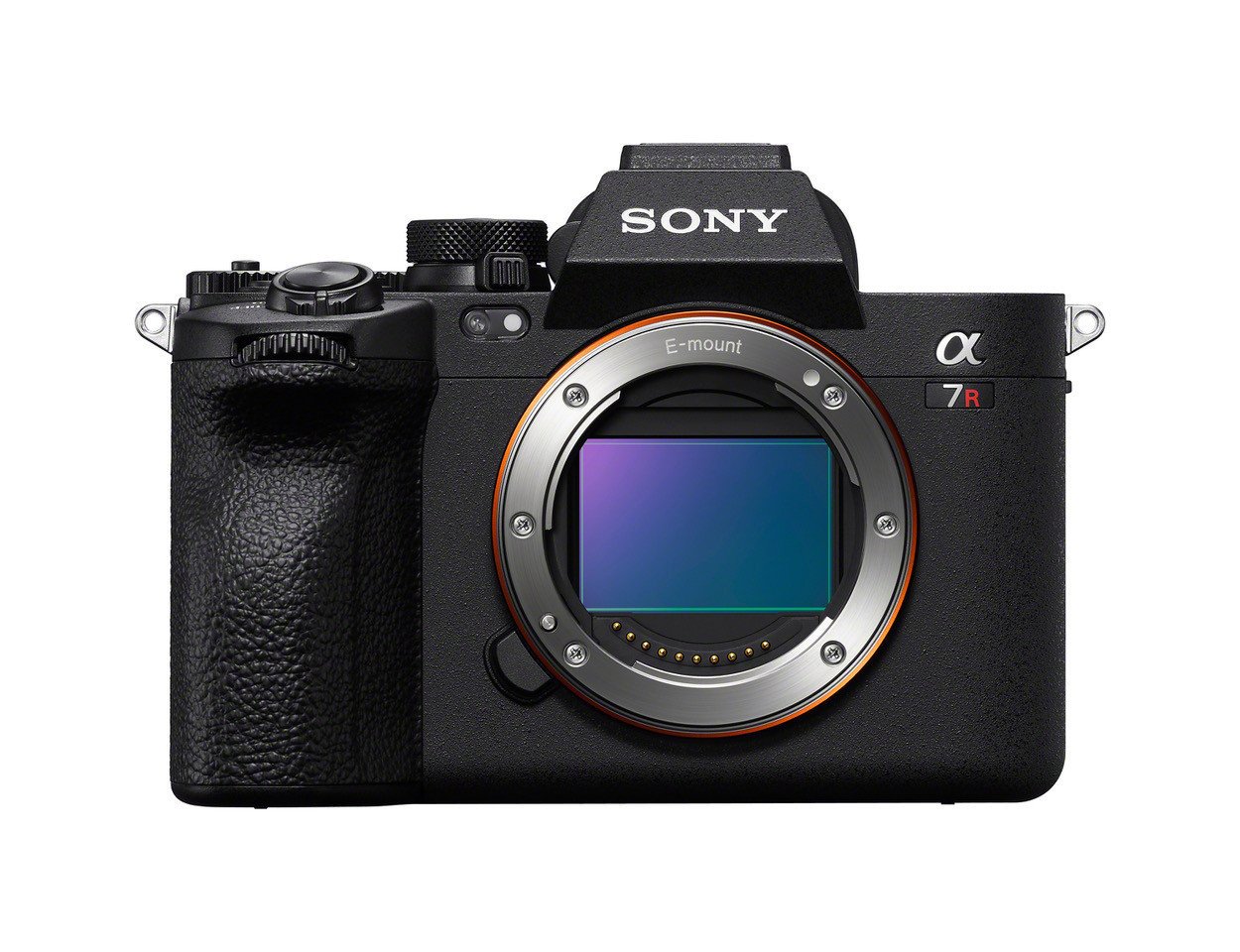
The Nikon Z7 II and the Sony A7R V are two of the most advanced full-frame mirrorless cameras available, making them a popular choice among professional and enthusiast photographers. Both cameras are designed for high-resolution photography and share a range of features that cater to various shooting scenarios, from landscapes to portrait photography and video recording. As such, buyers often find themselves weighing the pros and cons of these models, seeking to understand which one best suits their needs and shooting style.
The key differentiators between these two models lie in their image quality, autofocus systems, stabilization capabilities, and overall build quality. The Sony A7R V boasts a higher megapixel count, impressive autofocus specifications, and robust video features, while the Nikon Z7 II offers a slightly more compact form factor, excellent weather sealing, and competitive battery performance. Understanding these unique features can help buyers navigate their choice effectively, especially as both brands boast substantial ecosystems of lenses and accessories.
Specifications Comparison
Detailed Comparison
Image Quality
When it comes to image quality, the Sony A7R V has the edge with its higher resolution sensor at 60 megapixels compared to the Nikon Z7 II's 46 megapixels. This additional resolution allows for finer details and greater cropping flexibility in post-processing. However, both cameras utilize full-frame sensors, ensuring outstanding depth of field and image characteristics. Both cameras produce images with excellent dynamic range; however, the A7R V's slightly improved sensor may yield a higher level of detail in shadow areas.
In terms of low-light performance, both cameras offer impressive ISO ranges. The Nikon Z7 II has a more extensive ISO range, going as low as 32 and as high as 102,400, making it versatile for various lighting conditions. The A7R V has a max ISO of 102,400 as well, but its native starting point is higher at ISO 100. Thus, while both perform admirably in low-light scenarios, the Z7 II's wider flexibility gives it an advantage.
Ultimately, both offer stunning image quality, but the choice may depend on specific use cases. If extremely high resolution is your priority, the A7R V is the clear leader. If you prefer a broader ISO range for low-light performance, the Z7 II might be the better choice.
Autofocus System
The autofocus system is critical for capturing sharp images, especially in fast-paced environments. The Sony A7R V features a robust autofocus system with 693 phase-detection points, which is superior to the Nikon Z7 II's 493 points. This higher number of autofocus points allows for greater coverage across the frame, improving accuracy and speed when tracking subjects.
In addition to the number of points, the quality of the autofocus performance should also be taken into account. Sony's continuous advancements in AI-driven subject detection contribute to its autofocus system's reputation for being highly reliable in various shooting scenarios, including both stills and video. The A7R V excels particularly in tracking moving subjects, which is essential for wildlife or sports photography.
The Nikon Z7 II does not fall notably behind in everyday autofocus performance, offering fast and accurate focusing, yet it may not perform as impressively as the A7R V in challenging situations. Photographers seeking the absolute best in autofocus technology, particularly for action shots, might lean toward the A7R V as the clear winner in this category.
Video Capabilities
In terms of video capabilities, both the Nikon Z7 II and the Sony A7R V are equipped to handle high-quality 4K video recording up to 60p, appealing to multimedia creators and videographers alike. However, the A7R V offers additional features that can enhance your video shooting experience, including advanced video codecs and enhanced heat dissipation for extended recording times.
While the Nikon Z7 II supports 4K 60p, it may exhibit a slight crop factor, which can be an important factor for those looking to capture wide-angle shots. Additionally, the A7R V supports various video profiles, including S-Cinetone, which is beneficial for achieving a cinematic look straight out of the camera. This adds further versatility, especially for documentary filmmakers and content creators.
Both cameras also include in-body stabilization, which is crucial for handheld shooting. With 5 stops in the Z7 II and 8 stops in the A7R V, the latter clearly provides enhanced stability for smooth footage, particularly when shooting handheld. Therefore, for those whose primary focus is video, the A7R V offers a more comprehensive set of video features, making it the stronger option.
Build & Ergonomics
When considering the build and ergonomics of both cameras, both are weather-sealed and robust enough for professional use in various environments. The Nikon Z7 II has a slightly more compact design, weighing in at 705g compared to the A7R V's 723g, making it marginally lighter and easier to carry for extended periods.
However, the A7R V, while heavier, offers superior ergonomics with a more comfortable grip and better button placement for video shooters. The design of each camera is user-friendly, but the A7R V may provide a slight ergonomic advantage for those who prioritize comfort during long shooting sessions.
Both cameras also feature a fully articulating touchscreen, which enhances usability when shooting from high or low angles. However, the controls and menu systems can differ significantly, and users may prefer one layout over the other based on their personal preference or habits. Overall, this category could be seen as subjective, as user preference plays a significant role in perceived comfort and usability.
Battery & Storage
Battery life is often a crucial consideration for photographers who spend long hours on shoots. The Nikon Z7 II boasts a battery life of approximately 420 shots per charge, while the Sony A7R V outperforms it with a rating of 530 shots per charge. This makes the A7R V a better option for those who prioritize longer sessions without having to frequently change batteries.
In terms of memory cards, both cameras offer dual card slots, but differences arise in what types of cards they support. The Nikon Z7 II uses two XQD/CFexpress Type B cards, offering robust performance for high-resolution files. The A7R V also utilizes CFexpress Type A cards, along with SD cards. This variety can impact the user experience when it comes to backups or choosing card speeds.
The advantages of the A7R V's battery life can resonate especially for videographers or those who engage in time-consuming photo shoots. While both support dual card slots, the choice may ultimately depend on the specific needs and existing equipment of the user.
Value for Money
Price is always an important consideration in any camera comparison. The Nikon Z7 II has a retail price of $2999, which positions it as a more budget-friendly option compared to the Sony A7R V, which is priced at $3900. This significant price difference can make the Z7 II an attractive choice for hobbyists or those who want excellent performance without the premium associated with the latest technology.
However, the A7R V's higher price reflects its advanced features, such as superior autofocus and better video capabilities, which may justify the cost for professionals seeking high performance. For photographers and videographers who require these cutting-edge specifications, the investment in the A7R V could be seen as worthwhile.
Ultimately, those who need high resolution combined with advanced features may find the A7R V represents good value despite its higher price. However, for users operating within a budget and prioritizing overall image quality, the Nikon Z7 II poses as a compelling option that still delivers exceptional results.
Our Verdict
Overall, the Sony A7R V emerges as the stronger choice, especially for those who are deeply invested in high-resolution photography and videography. With its superior autofocus system, enhanced video capabilities, and improved battery life, it is suited for professionals seeking the best performance available. However, the Nikon Z7 II remains an excellent camera, offering fantastic image quality at a lower price point, making it ideal for enthusiasts or those prioritizing budget without sacrificing too much in performance. Buyers should assess their specific needs and preferences carefully, as both cameras shine in their own right.
Nikon Z7 II
Sony A7R V
Also Compare
Frequently Asked Questions
Which camera has a better autofocus system?
The Sony A7R V has a superior autofocus system with 693 points, while the Nikon Z7 II has 493 points, making the A7R V better for tracking fast-moving subjects.
What are the key differences in image quality?
The Sony A7R V has a higher resolution (60 MP vs 46 MP) which allows for more detail and cropping flexibility, while the Nikon Z7 II has a wider ISO range for better low-light performance.
How do the video capabilities compare?
Both cameras support 4K 60p, but the A7R V offers advanced video profiles and superior stabilization, making it better for videographers.
Which camera is better for travel photography?
The Nikon Z7 II is slightly lighter and has a compact design, which might make it more appealing for travel photographers who prioritize portability.
Is the price difference justified?
The higher price of the Sony A7R V reflects its advanced features like better autofocus and enhanced video capabilities, which can be justified for professionals, whereas the Z7 II is a great value for enthusiasts.