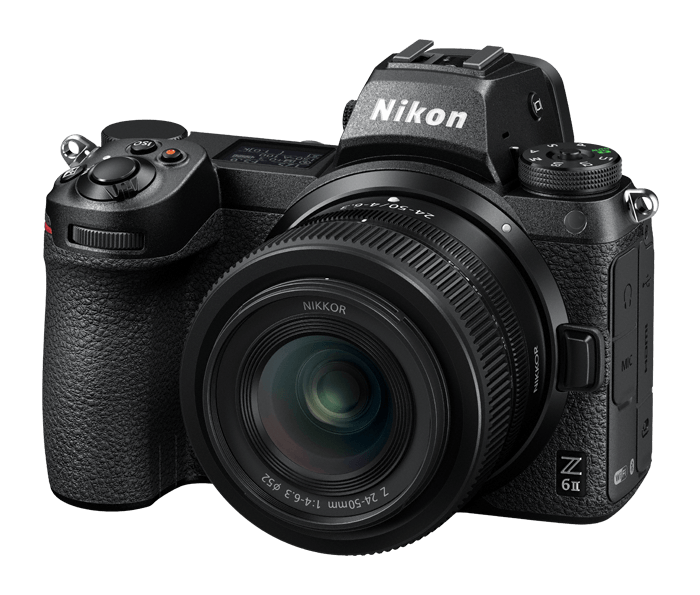
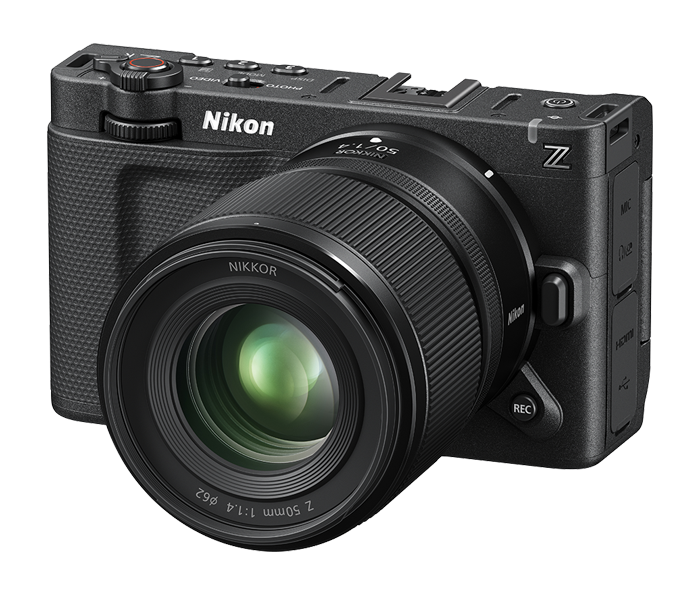
The Nikon Z6 II and Nikon ZR are two high-end full-frame mirrorless cameras from Nikon that are often compared due to their similar core specifications and target audience. Photographers looking at these models are typically enthusiasts or professionals who demand exceptional image quality, fast autofocus, and versatility in both stills and video. The Z6 II, released in 2020, is certainly a proven performer, while the ZR, launched in 2025, brings some next-generation enhancements, making it a compelling option as well.
When choosing between the Z6 II and ZR, potential buyers must consider key differentiators such as autofocus performance, video capabilities, stabilization efficiency, and overall ergonomics. This comparison will help highlight where each camera excels, providing insights for photographers who need to make an informed choice based on their specific requirements.
Specifications Comparison
Detailed Comparison
Image Quality
Both the Nikon Z6 II and ZR feature a full-frame sensor with a resolution of 25 megapixels, which provides excellent image quality and low-light performance. The Z6 II has a native ISO range up to 51,200, expandable to 204,800, which gives it an advantage in extreme low-light situations. In contrast, the ZR offers a slightly lower maximum native ISO of 64,000. This means the Z6 II could produce cleaner images in very dark environments compared to the ZR.
However, the difference in image quality may not be noticeable in everyday shooting scenarios as both cameras capture vibrant colors and rich detail thanks to their similar sensor designs. The real-world performance will largely depend on the specific shooting conditions, and for most users, either camera will deliver stunning results.
Considering the ISO performance and the effective low-light capabilities, the Nikon Z6 II edges out slightly in this category. Nonetheless, photographers focusing on daytime shooting or general photography may find both cameras to meet their needs effectively.
Autofocus System
Both cameras possess an autofocus system boasting 273 focus points, ensuring accuracy and speed in various shooting conditions. The ZR, however, shows its prowess with a higher maximum frames per second (fps) rate of 20, compared to the Z6 II's maximum of 14 fps. This increased fps can lead to quicker focus acquisition during fast-paced scenarios, valuable for sports and wildlife photography.
Moreover, the ZR features enhanced processing capabilities due to its newer architecture, likely resulting in quicker focus adjustments and better subject tracking. In practical terms, this may translate to more reliable autofocus performance, especially in challenging conditions like tracking moving subjects.
While both cameras are competent in autofocus performance, the ZR's advantages in fps and potential processing improvements give it the edge in dynamic shooting situations, making it a better choice for those focused on action photography.
Video Capabilities
In practice, for high-quality video work, the ZR's advanced features and higher fps rate offer more creative flexibility. Also, the ZR likely has advancements in video quality and handling, fitting the needs of serious video content creators or professionals looking for the latest technology. Hence, for those serious about video production, the ZR would stand out.
Build & Ergonomics
Both cameras boast weather-sealed bodies, making them suitable for outdoor use. However, the Z6 II is slightly heavier at 705 grams, compared to the lighter 630 grams of the ZR. This weight difference may be noticeable during prolonged shooting sessions. The ZR also has a slightly more compact body, contributing to a smaller footprint.
Another ergonomic aspect is the LCD screen size; the ZR features a larger 4-inch, 3,070,000 dot screen compared to the Z6 II's 3.2-inch, 2,100,000 dot display. A larger and higher-resolution screen typically offers better visibility and usability, especially in direct sunlight or when composing shots.
Overall, while both cameras are well-built, the ZR's lighter weight and superior screen make it a more comfortable option for extended shooting sessions. This gives the ZR an advantage in terms of ergonomics, especially for those who prioritize on-the-go photography.
Battery & Storage
In terms of battery performance, the Nikon Z6 II offers an impressive battery life of approximately 410 shots per charge. This is essential for photographers working in the field who need to ensure that they do not run out of power unexpectedly. The ZR's battery performance has not been specified, but given the increased processing power and features likely in the newer model, it may not offer significant improvements over the Z6 II.
Both cameras utilize the Nikon Z mount, allowing access to the same wide range of lenses. Therefore, from a lens ecosystem perspective, there's no significant advantage for either camera, maintaining a similar cost and compatibility profile for users.
As the Z6 II has known battery performance metrics while the ZR lacks definitive specifications, it secures a small advantage in reliability for usage without worrying about battery performance uncertainties.
Value for Money
The Nikon Z6 II is priced at $1,995, while the newer ZR comes in at $2,200. The Z6 II, while being an older model, offers a great balance of performance and price, making it highly competitive, especially for serious hobbyists or professionals on a budget. It delivers excellent image quality, solid autofocus performance, and good video capabilities, making it a very appealing package for the price.
On the other hand, the ZR, being a newer release, comes at a premium, reflecting its latest tech and innovations. While its features, such as improved autofocus performance and video capabilities, may justify the price for certain users, others may not feel these enhancements are worth the additional cost.
Ultimately, for most users, the Z6 II presents a better value, especially for those who may not require the latest advancements, whereas the ZR might appeal to professionals needing the newest features and willing to pay for them.
Our Verdict
Overall, the Nikon Z6 II narrowly emerges as the winner in this comparison due to its excellent image quality, proven performance, and superior value proposition compared to the Nikon ZR. The Z6 II offers reliability and efficiency at a lower price point, making it an attractive option for photographers looking for quality without breaking the bank. While the ZR outperforms in autofocus speed and ergonomics, it comes with a higher price tag that may not suit every user's budget. In scenarios where cutting-edge video capabilities and improved operational ergonomics are essential, the ZR may appeal more. However, for most users, the Z6 II remains the more practical choice.
Nikon Z6 II
Nikon ZR
Also Compare
Frequently Asked Questions
What is the main difference in image quality between the Z6 II and ZR?
Both cameras have a 25-megapixel full-frame sensor and thus produce similar image quality. However, the Z6 II has a higher maximum ISO, which can be advantageous in low-light conditions.
Which camera has better autofocus performance?
The Nikon ZR features a higher maximum frame rate (20 fps) compared to the Z6 II (14 fps), giving it an edge in autofocus performance, especially for fast action and tracking moving subjects.
Is the ZR worth the higher price tag compared to the Z6 II?
The ZR offers newer technology and enhancements, particularly in autofocus and video capabilities. If those features align with your needs, it may justify the higher price; otherwise, the Z6 II is an excellent value.
How do video capabilities compare between the two cameras?
While the Z6 II offers 4K video at 30p, the ZR presumably has improved video capabilities reflecting a potential upgrade, making it a strong choice for videographers.
Which camera is better for travel and portability?
The Nikon ZR is lighter and more compact, making it a better option for travel. Its ergonomic benefits also make it suitable for longer shooting sessions away from home.
Are both cameras compatible with the same lens ecosystem?
Yes, both the Z6 II and ZR utilize the Nikon Z mount, providing compatibility with a wide range of Nikon Z lenses.